
 EN
EN
Every successful dental procedure depends on the quality and design of dental instruments used throughout the clinical environment. Dental instruments are not simply tools clinicians pick up and put down — they are the central interface between practitioner skill and patient experience. Whether a patient feels calm and safe or anxious and uncomfortable often comes down to how well dental instruments are chosen, maintained, and applied. Understanding this role is essential for any dental practice committed to delivering consistent, high-quality care.
The relationship between dental instruments and patient outcomes is both clinical and psychological. Patients notice the environment, the equipment, and the way dental instruments are handled. When dental instruments are precise, clean, ergonomically designed, and properly organized, patients naturally feel more confident in the care they receive. Dental instruments that function reliably allow clinicians to work efficiently, reducing procedure time and minimizing patient discomfort. This article explores the specific roles dental instruments play in ensuring patient safety and promoting comfort at every stage of a dental visit.
How Dental Instruments Directly Affect Patient Safety
Sterilization and Infection Control
One of the most critical safety functions of dental instruments is their role in infection prevention. Dental instruments that are not properly sterilized between patients can become vectors for cross-contamination and serious health risks. Every dental practice must follow strict sterilization protocols to ensure that dental instruments are thoroughly cleaned, autoclaved, and stored in sealed packaging before reuse. The material composition of dental instruments also matters — high-grade stainless steel and medical-grade alloys used in quality dental instruments resist corrosion and withstand repeated sterilization cycles without degrading. Choosing dental instruments built for durability means that their sterilization integrity remains intact over time, directly protecting patient health.
Precision and Procedure Accuracy
Precision is a defining feature of effective dental instruments. When dental instruments are sharp, well-calibrated, and properly maintained, clinicians can perform procedures with greater accuracy and less tissue trauma. Poorly made or worn dental instruments require more force, increasing the risk of slippage, unintended tissue damage, and prolonged procedures. For example, dental instruments used in scaling, extraction, or restoration work must meet tight tolerances to achieve clean outcomes without causing unnecessary harm. Practices that invest in high-quality dental instruments reduce procedure-related complications and create a safer clinical environment for every patient.
The Role of Dental Instruments in Patient Comfort
Ergonomic Design and Reduced Chair Time
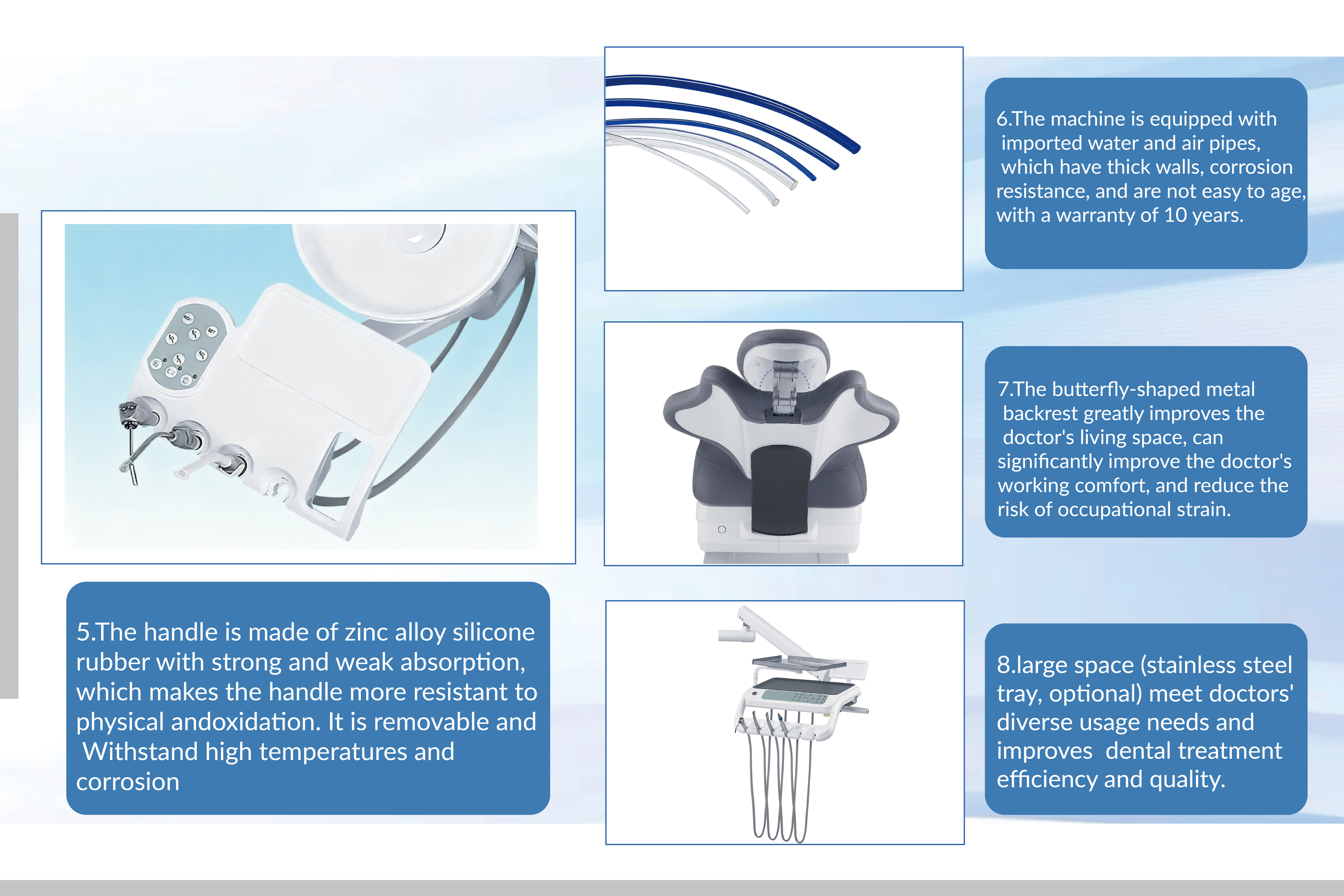
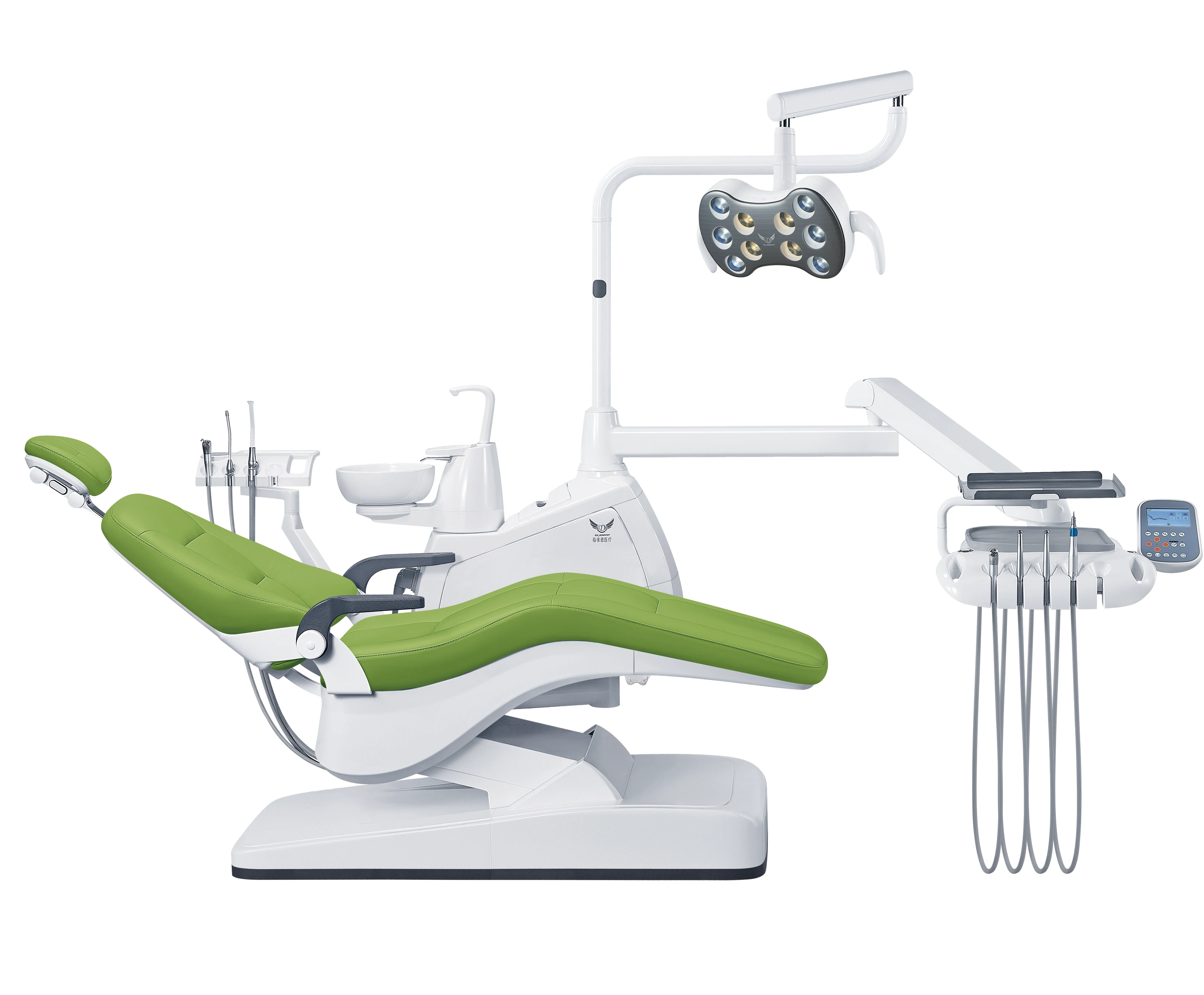
Patient comfort during a dental visit is shaped significantly by the dental instruments in use. Dental instruments with ergonomic handles reduce clinician fatigue, which in turn leads to smoother, more controlled movements during treatment. When dental instruments are well-balanced and easy to manipulate, procedures proceed more efficiently, shortening the time patients spend in the chair. Reducing chair time is one of the most effective ways to improve patient comfort, and it starts with selecting dental instruments that support efficient clinical workflow. Beyond handheld tools, the dental chair itself is one of the most important dental instruments in the operatory. An ergonomic dental patient chair with a wrap-around waist design and integrated tray systems positions patients optimally, reduces physical strain, and keeps dental instruments within easy reach for the clinician. This combination of ergonomic dental instruments and a well-designed chair creates a treatment environment that genuinely prioritizes patient comfort.
Minimizing Anxiety Through Familiar and Quiet Instruments
Many patients experience dental anxiety, and the design of dental instruments plays a meaningful role in managing that anxiety. Dental instruments that operate quietly, vibrate less, and feel lighter during contact reduce the sensory stress patients associate with dental procedures. Modern dental instruments are increasingly designed with patient perception in mind — lower-noise handpieces, smooth-tipped scalers, and low-pressure suction devices are all examples of dental instruments engineered to minimize discomfort. Practices that prioritize patient-friendly dental instruments send a clear message that the clinical team values the patient experience. Over time, consistently using thoughtful dental instruments helps build patient trust and encourages better treatment compliance.
Selecting and Maintaining Dental Instruments for Long-Term Safety
Evaluating Quality Standards in Dental Instruments
Not all dental instruments offer the same level of safety and reliability. When selecting dental instruments, dental professionals should evaluate material quality, manufacturing precision, regulatory compliance, and ease of sterilization. Dental instruments that meet recognized international standards provide assurance that they have been tested for durability, biocompatibility, and functional accuracy. Investing in certified dental instruments reduces the risk of instrument failure during procedures, which can compromise both safety and patient trust. Practices should also consider the full range of dental instruments needed for their service mix, ensuring that every instrument in the operatory meets the same quality benchmark.
Routine Inspection and Replacement of Dental Instruments
Even the best dental instruments require regular inspection and timely replacement. Dental instruments that show signs of wear, corrosion, or dimensional change should be retired from use immediately. A systematic maintenance schedule for dental instruments ensures that no compromised tool reaches the patient. Calibration checks for powered dental instruments, sharpness assessments for hand instruments, and integrity checks for sterilization pouches are all part of a responsible dental instruments management program. When dental instruments are consistently maintained to the highest standard, clinicians can work with confidence and patients receive the level of care they deserve. Dental practices that treat dental instruments management as a core quality priority demonstrate a genuine commitment to patient safety.
FAQ
Why are dental instruments so important for patient safety?
Dental instruments are the primary tools used in every clinical procedure. When dental instruments are properly sterilized, precisely made, and well-maintained, they prevent infection, reduce tissue trauma, and support accurate treatment outcomes, all of which are essential for patient safety.
How do dental instruments contribute to patient comfort during procedures?
Dental instruments with ergonomic design, quiet operation, and smooth surfaces reduce the physical and psychological discomfort patients experience. Well-chosen dental instruments also allow clinicians to work faster and more accurately, reducing chair time and minimizing patient stress.
How often should dental instruments be inspected or replaced?
Dental instruments should be inspected after every sterilization cycle for signs of wear, corrosion, or damage. Any dental instruments that show functional degradation should be replaced immediately to maintain the safety and quality of patient care.