
 EN
EN
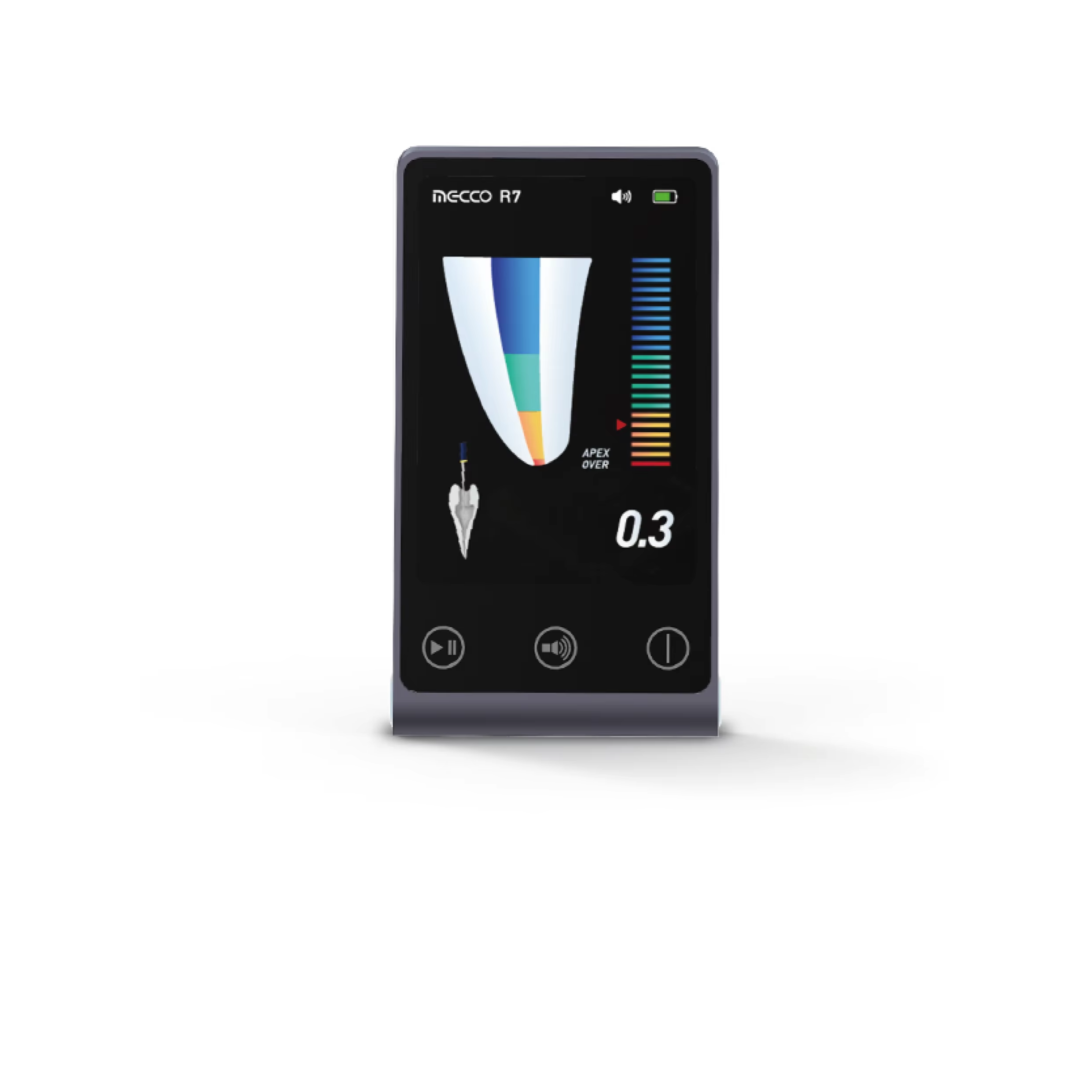
Selecting the right dental instruments directly shapes how smoothly a clinical day unfolds. When practitioners equip their operatories with well-designed, purpose-specific dental instruments, they reduce procedure time, lower patient discomfort, and minimize operator fatigue. The question is not simply whether to invest in quality tools, but which dental instruments deliver the greatest efficiency gains across routine and complex daily tasks.
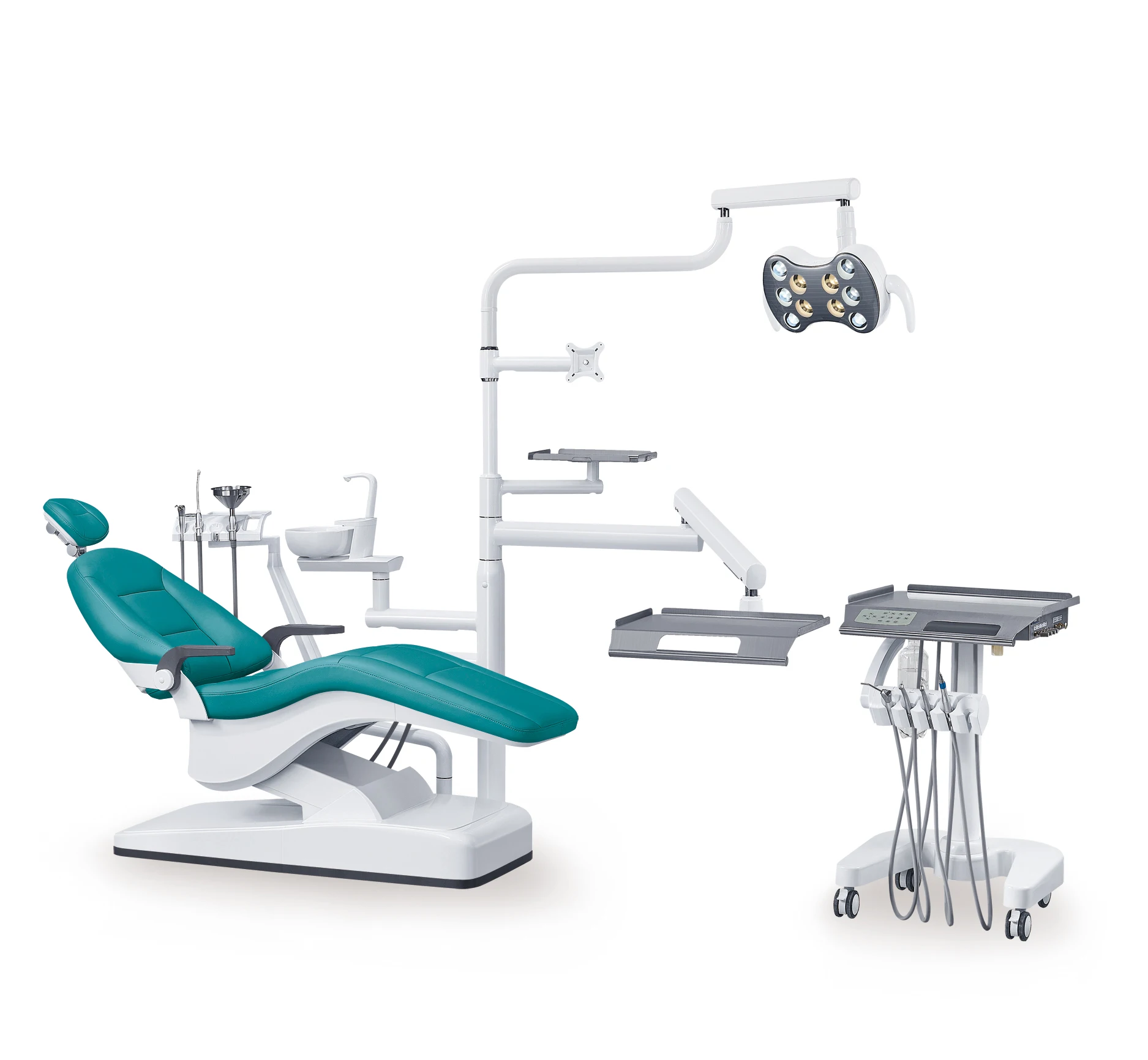
Efficiency in dentistry is a compound outcome. It depends on the precision of dental instruments, how intuitively they integrate into clinical workflows, and how reliably they perform across dozens of appointments each week. Identifying which dental instruments consistently enhance daily procedures requires examining categories such as diagnostic tools, restorative dental instruments, surgical dental instruments, and powered delivery systems. Each category contributes in distinct ways to a faster, more controlled, and more predictable clinical environment.
Diagnostic and Examination Dental Instruments
Mirrors, Explorers, and Probes
Dental instruments used in the examination phase set the pace for everything that follows. High-quality front-surface mirrors in the category of dental instruments eliminate image distortion, allowing practitioners to detect cavities, fractures, and soft-tissue changes with a single visual sweep. Explorers and periodontal probes, two fundamental dental instruments in any operatory, give clinicians tactile feedback that imaging alone cannot provide. When these dental instruments are ergonomically balanced, examination procedures take less time and generate more reliable clinical data.
Dental instruments designed for diagnosis also include air-water syringes and intraoral cameras. Modern intraoral cameras, now standard dental instruments in progressive practices, allow real-time imaging that accelerates patient education and treatment planning simultaneously. By integrating these dental instruments into the examination sequence, clinicians reduce the need for separate consultation steps, cutting overall chair time meaningfully.
Radiographic Support Tools
Radiographic positioning dental instruments, including film holders and bite-wing guides, are often overlooked contributors to efficiency. Properly designed positioning dental instruments produce correctly angled radiographs on the first attempt, eliminating retakes. Fewer retakes mean shorter examination appointments and lower cumulative radiation exposure. Dental instruments in this subcategory may appear minor, but their impact on daily throughput is measurable and consistent.
Restorative and Operative Dental Instruments
Handpieces and Rotary Systems
Among all restorative dental instruments, high-speed and low-speed handpieces carry the most direct influence on procedure duration. Dental instruments in the handpiece category have evolved considerably, with electric motors replacing air-driven models in many progressive clinics. Electric dental instruments deliver consistent torque regardless of load, which means cavity preparation and crown reduction proceed at a predictable rate. Practitioners using modern powered dental instruments consistently report reduced adjustment time and cleaner preparation margins.
Electric implant units represent a specialized class of dental instruments that support both surgical and restorative implant workflows. Advanced dental instruments in this category, such as motorized implant systems with dual instrument trays and integrated assistant boards, consolidate multiple functions into a single platform. These dental instruments reduce the number of separate setups required during implant procedures, which is a significant source of daily efficiency gain. When dental instruments like these are readily accessible and logically organized, surgical steps flow without unnecessary interruption.
Composite and Restorative Placement Tools
Placement dental instruments, including composite condensers, burnishers, and carvers, directly affect the speed and quality of direct restorations. Dental instruments with titanium nitride or ceramic-coated working ends resist composite adhesion, preventing the material transfer that slows placement. Investing in non-stick dental instruments reduces cleanup between increments and allows more consistent layering technique. The cumulative time saved by choosing the right restorative dental instruments becomes substantial across a full schedule of direct restorations.
Surgical and Periodontal Dental Instruments
Scalers, Curettes, and Ultrasonic Systems
Periodontal dental instruments form the backbone of hygiene-focused practices and directly influence how many patients a clinic can see per day. Manual scalers and curettes remain essential dental instruments, but their efficiency increases dramatically when combined with ultrasonic dental instruments. Ultrasonic dental instruments remove calculus deposits faster than manual techniques alone, shortening debridement time without compromising thoroughness. Practices that equip hygienists with well-matched sets of both manual and powered dental instruments consistently achieve higher patient throughput without sacrificing quality.
The design features of periodontal dental instruments, including handle diameter, weight, and tip angulation, affect operator endurance across a full clinical day. Lightweight dental instruments with textured, ergonomic handles reduce cumulative strain, which means practitioners maintain precision and speed later in the day. Investing in ergonomically refined dental instruments is not just a comfort consideration but a direct strategy for sustaining procedural efficiency through high-volume schedules.
Extraction and Oral Surgery Tools
Surgical dental instruments, including elevators, forceps, and periotomes, determine how efficiently and atraumatically teeth are removed. Well-balanced, sharp dental instruments reduce the force required during extraction, which shortens recovery discussions and simplifies post-operative management. Maintaining a properly sterilized and organized set of surgical dental instruments ensures that practitioners can transition from simple to complex extractions without delays caused by instrument unavailability. Organized dental instruments trays also reduce setup errors and cross-contamination risks, contributing to both safety and speed.
FAQ
Which dental instruments have the greatest impact on reducing chair time?
Powered dental instruments, particularly electric handpieces and ultrasonic scalers, typically produce the largest reductions in chair time. These dental instruments deliver consistent performance that manual tools cannot match in speed for cavity preparation and scaling procedures. Combining powered and manual dental instruments in a coordinated workflow yields the best overall efficiency results.
How often should dental instruments be evaluated for replacement?
Dental instruments should be evaluated at regular sterilization cycles. Cutting dental instruments, such as burs and scalers, lose sharpness with repeated use and sterilization, which reduces their effectiveness. Most manufacturers recommend replacing working-end dental instruments after a defined number of cycles to maintain procedural efficiency and patient safety.
Can the organization of dental instruments trays improve daily efficiency?
Yes, how dental instruments are arranged on procedure trays has a measurable impact on workflow speed. When dental instruments are sequenced to match procedure steps, practitioners spend less time searching or requesting additional tools. Standardized dental instruments setups also simplify assistant training and reduce the likelihood of procedural interruptions caused by missing or misplaced dental instruments.