
 EN
EN
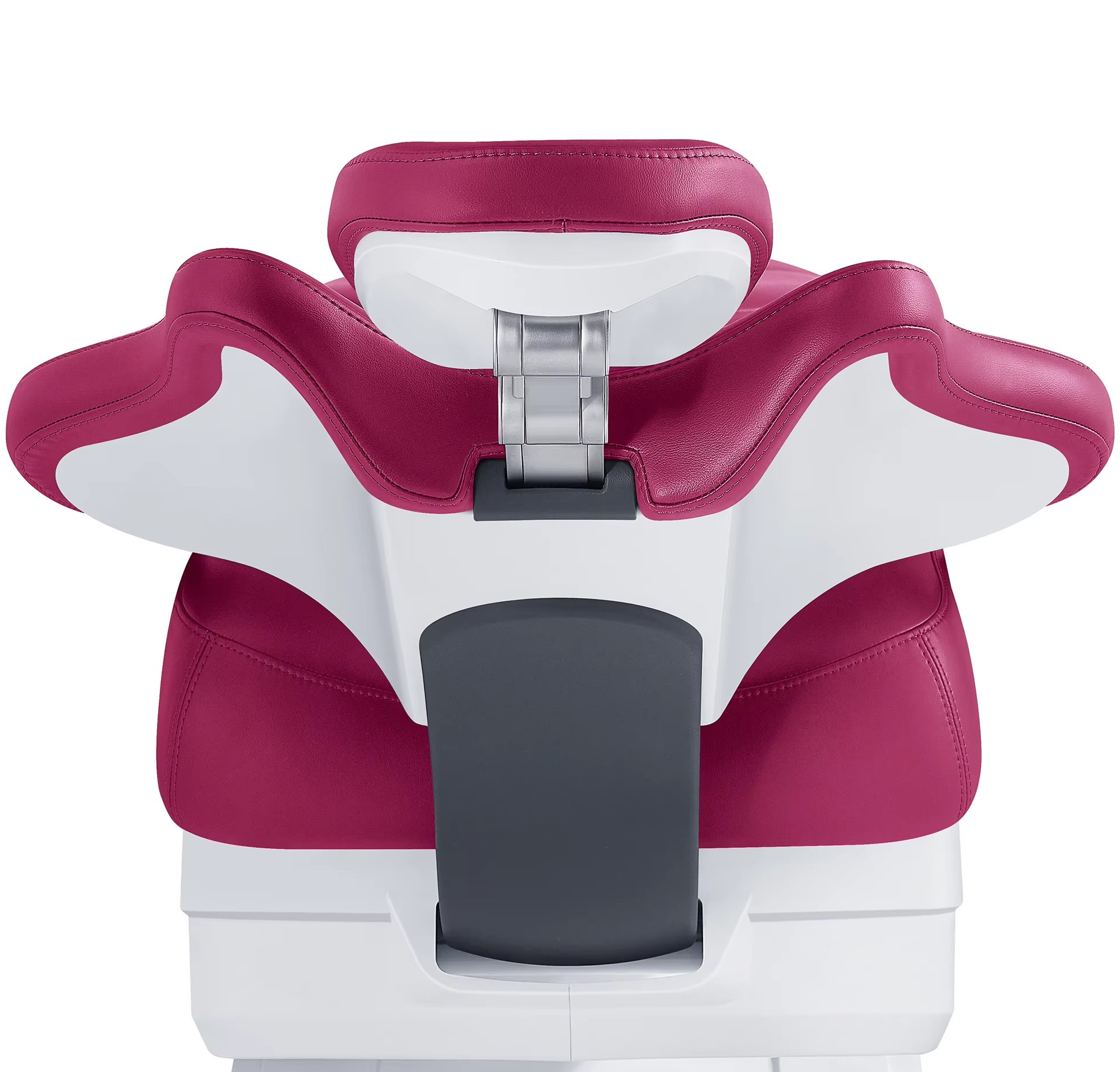
Ergonomic design in modern healthcare environments has become essential for improving both clinician comfort and patient safety. When dental professionals spend hours each day working with instruments and equipment, the quality of a dental device design directly impacts their ability to perform precise procedures while maintaining physical well-being. Superior ergonomic features in any dental device reduce muscle strain, improve control, and create a more productive clinical environment. Understanding how ergonomic innovations enhance the usability of a dental device is crucial for practices seeking to optimize their operations and staff satisfaction.
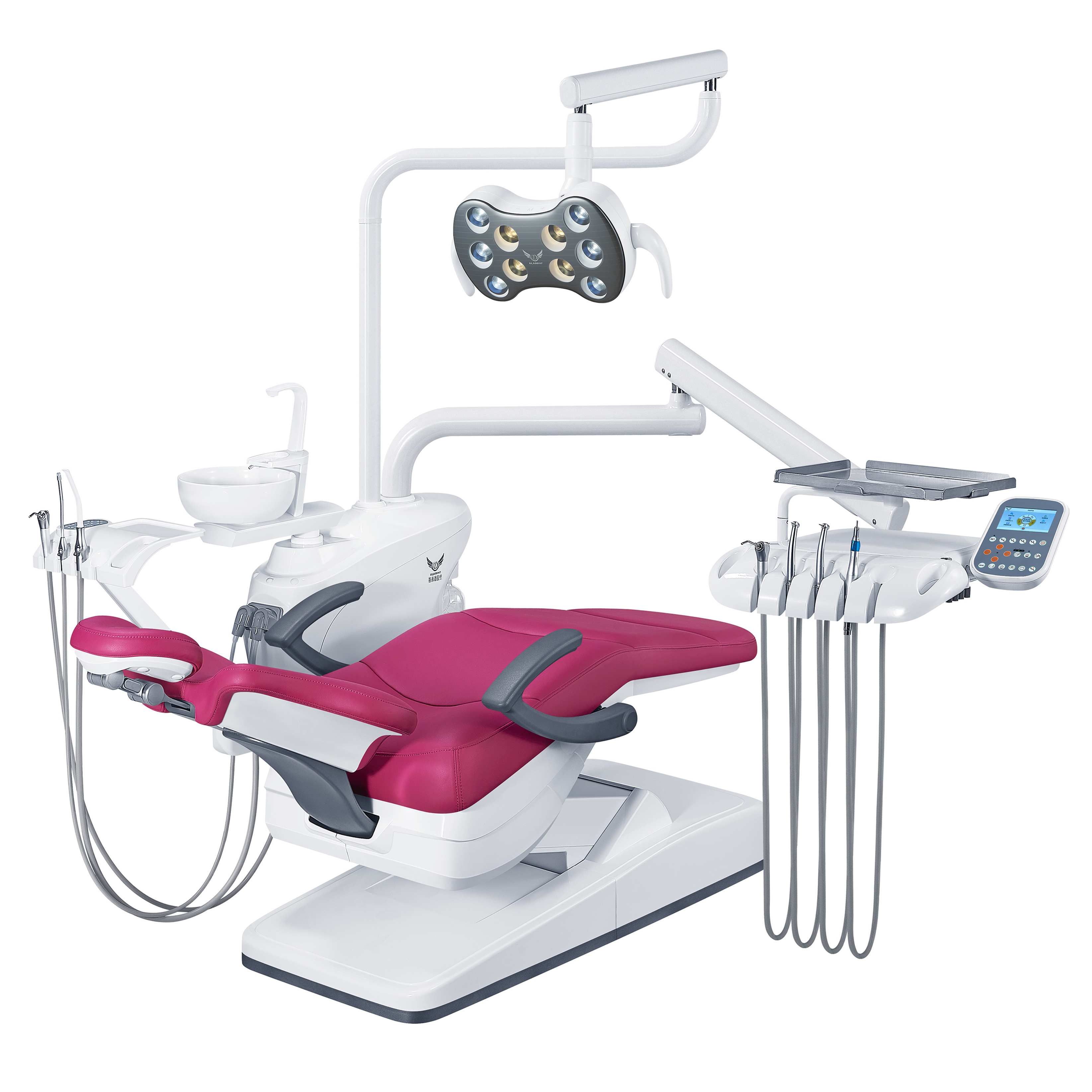
The design of a dental device has evolved significantly, with manufacturers now prioritizing ergonomic principles to address the physical demands placed on dental teams. Modern dental practices recognize that investing in equipment with superior ergonomic handling characteristics yields measurable returns in staff retention, procedure quality, and patient satisfaction. This article explores the key ergonomic designs that transform how practitioners interact with their dental device daily, creating workflows that feel natural, efficient, and sustainable.
Handle and Grip Optimization in Dental Device Design
Contoured Handle Shapes for Natural Grip
The foundation of an effective dental device lies in its handle design. Ergonomic handles reduce repetitive strain injuries by aligning with the natural anatomy of the human hand. A well-designed dental device features a handle that curves gently to fit the contours of fingers and palm, distributing pressure evenly rather than concentrating it at stress points. When a dental device handle matches the user's grip pattern, clinicians can work for extended periods without experiencing hand fatigue or numbness. Textured grip surfaces on a dental device also prevent slipping during procedures, allowing professionals to maintain consistent control with less muscular effort.
Weight Distribution and Balance
An equally important consideration is how a dental device distributes its weight. Practitioners typically hold a dental device at the same angle for hours, making weight distribution critical to preventing shoulder and wrist fatigue. Modern ergonomic designs ensure that a dental device maintains a balanced center of gravity, reducing the force required to stabilize the instrument. Lighter materials and strategic weight placement in a dental device mean clinicians can maintain precision without experiencing the cumulative strain that leads to chronic pain conditions.
Accessibility and Positioning Features
Adjustable Positioning Mechanisms
An effective dental device must accommodate users of different heights, hand sizes, and working preferences. Ergonomic dental device designs include adjustable positioning features that allow each clinician to customize their working environment. Whether adjusting the height of a dental device, the angle of its components, or the distance of critical elements, these customization options reduce the need for awkward reaching or bending. A dental device with multiple positioning options enables practitioners to maintain neutral spinal alignment and minimize repetitive stress, creating a more comfortable working experience throughout the day.
One-Handed Operation Capability
Many clinical scenarios require a dental device to be operated or adjusted with minimal hand movement. Ergonomic improvements in a dental device often include intuitive controls that can be accessed or activated with one hand, freeing the other for patient care. This design principle in a dental device eliminates unnecessary reaching, stretching, or position changes that contribute to fatigue. When a dental device supports efficient single-handed operation, clinicians maintain better postural control and can focus more attention on precision and patient interaction.
Control Interface and Feedback Design
Tactile and Visual Feedback Systems
Modern ergonomic innovations in a dental device extend beyond physical form to include responsive feedback mechanisms. A dental device with clear tactile feedback lets users know immediately when controls engage or disengage, reducing the need for concentrated visual monitoring. Intuitive button placement and responsive feedback on a dental device minimize the cognitive load on clinicians, allowing them to maintain focus on the procedure itself. When a dental device provides confirmatory signals through sound, touch, or visual indicators, users can work with greater confidence and efficiency while experiencing less mental fatigue.
Intuitive Control Layout
The placement and organization of controls on a dental device significantly influence usability and safety. Ergonomic design principles ensure that a dental device positions frequently used controls within natural reach zones, eliminating awkward stretching or hand repositioning. A dental device with logically grouped functions reduces the time required to locate and activate features, streamlining clinical workflows. Consistent placement across similar functions in a dental device builds muscle memory, allowing experienced users to operate their equipment instinctively without looking away from the patient.
Material Selection and Surface Treatment
Antimicrobial and Non-Slip Surfaces
Beyond ergonomic shape, the surface treatment of a dental device influences safety and comfort during extended use. Modern ergonomic dental device designs incorporate antimicrobial coatings that maintain grip security even in moist environments. A dental device with non-slip surface treatment prevents accidental dropping and reduces the compensatory gripping force needed from the clinician's hand. These surface improvements contribute directly to a safer, more comfortable experience with a dental device, as practitioners can maintain control with minimal effort while preventing cross-contamination.
Biocompatible Material Considerations
The choice of materials used in a dental device affects both durability and user experience. Ergonomic dental device materials must withstand repeated sterilization while maintaining their beneficial properties. Certain materials resist heat damage, prevent chemical absorption, and minimize off-gassing, all of which support a healthier working environment. When a dental device uses biocompatible, high-quality materials, it provides consistent performance and comfort throughout its service life, representing a sound investment for any practice prioritizing staff well-being.
FAQ
How does ergonomic design in a dental device reduce clinician fatigue?
Ergonomic features in a dental device distribute weight evenly, align with natural body mechanics, and minimize awkward positioning. A dental device designed with ergonomic principles reduces the muscular effort required for extended procedures, preventing the cumulative strain that leads to chronic pain conditions and fatigue-related errors. When a dental device supports proper posture and comfortable grip, clinicians can maintain focus and precision while experiencing significantly less physical stress throughout the workday.
What should practitioners look for when selecting an ergonomic dental device?
When evaluating a dental device, practitioners should assess handle shape, weight distribution, positioning flexibility, and control accessibility. A dental device should feel balanced in the hand, offer customizable positioning to match different user preferences, and feature intuitive controls within natural reach zones. Testing a dental device firsthand and gathering feedback from team members helps ensure that your selection aligns with the specific ergonomic needs of your practice, ultimately improving both comfort and clinical outcomes.
Can ergonomic dental device improvements impact clinical outcomes?
Yes, an ergonomic dental device design directly influences procedure quality and precision. When clinicians experience less fatigue and better physical alignment, they maintain steadier hand control and sharper focus on their work. A dental device that supports comfortable positioning and intuitive operation enables practitioners to concentrate fully on patient care rather than managing discomfort. Over time, investment in a well-designed ergonomic dental device can reduce errors, improve patient satisfaction, and enhance the overall quality of clinical services delivered by your practice.