
 EN
EN
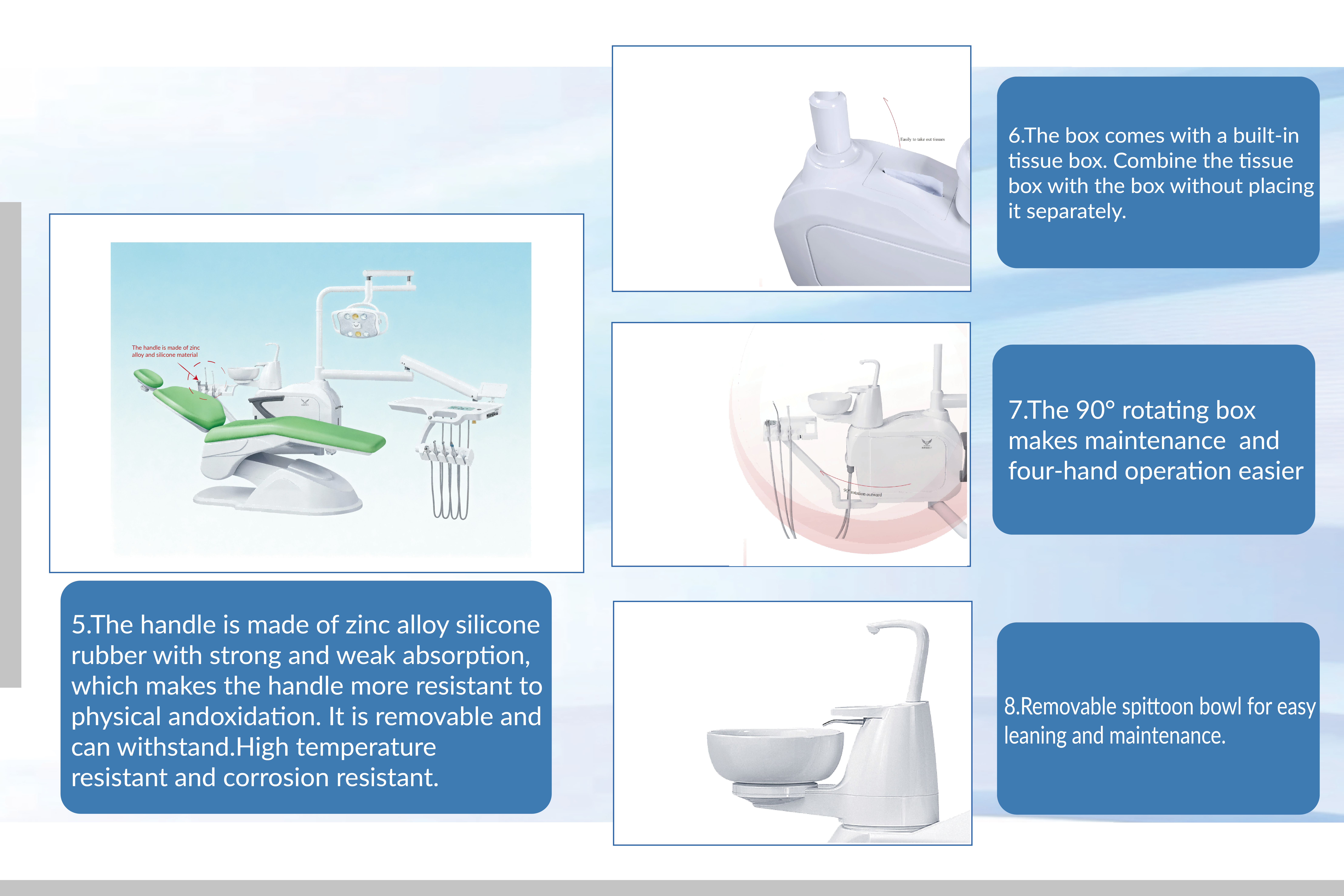
Complex dental procedures demand precision, stability, and seamless integration of clinical workflows. A dental chair serves as the foundational platform that enables dentists and specialists to deliver high-quality treatment in challenging cases. Whether performing implant placement, bone grafting, periodontal surgery, or guided tissue regeneration, the dental chair must provide ergonomic support, precise positioning control, and reliable access to treatment areas. Understanding the critical role a dental chair plays in these advanced procedures helps practitioners select equipment that genuinely enhances clinical outcomes and reduces procedural complications.
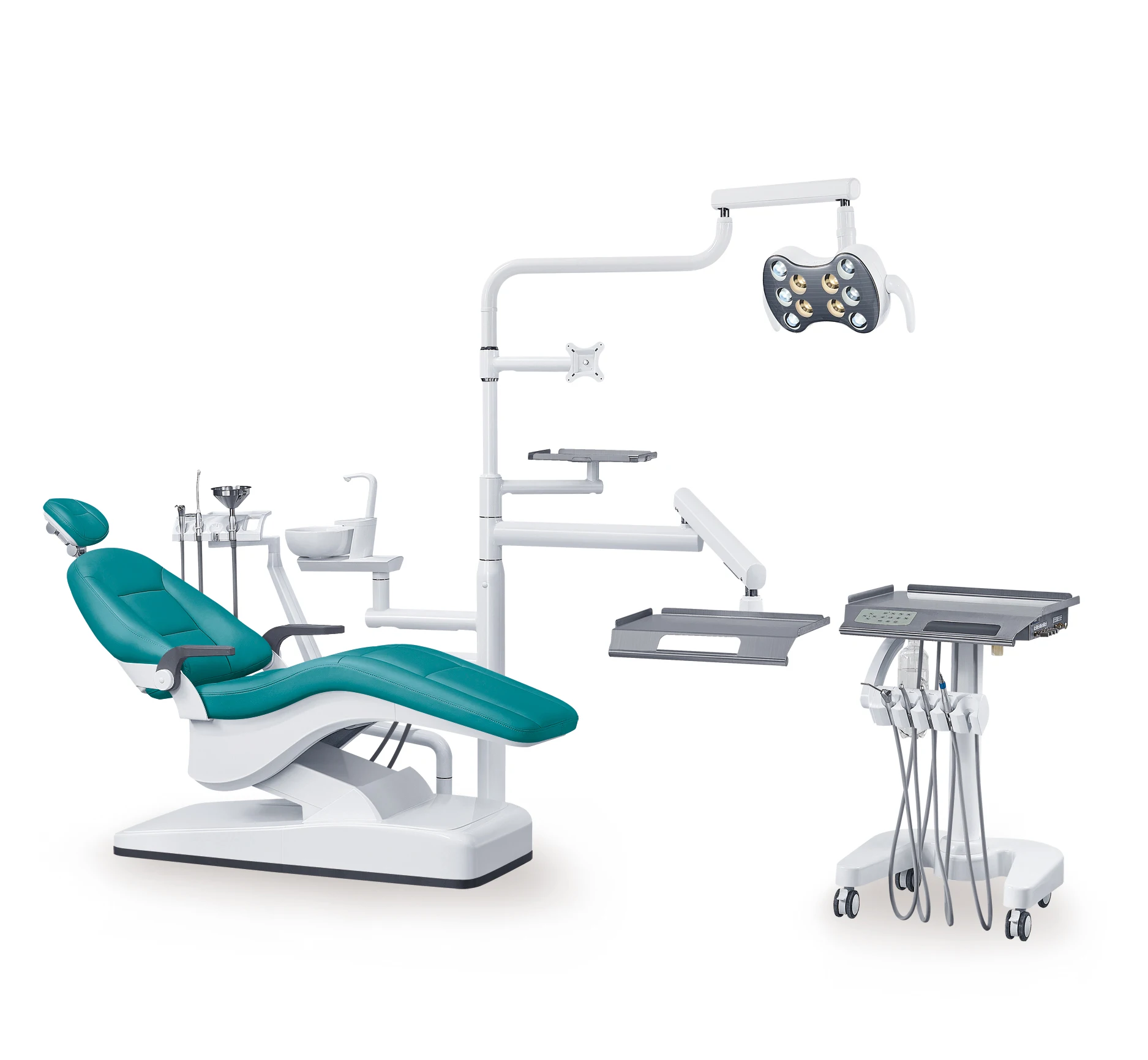
The dental chair is far more than a patient seating surface. It functions as an integrated clinical workstation that combines patient positioning, practitioner ergonomics, visibility optimization, and instrument accessibility. During complex procedures, every element of the dental chair—from its hydraulic support system to its auxiliary equipment compatibility—directly influences surgical precision, operator comfort, and patient safety. Practices investing in a professional-grade dental chair specifically designed for complex cases gain competitive advantages in treatment quality, staff satisfaction, and patient outcomes.
Ergonomic Positioning and Clinical Precision
Supporting Complex Surgical Access
A high-quality dental chair provides multi-directional positioning that grants clinicians optimal access to surgical sites throughout the oral cavity. During implant placement, bone contouring, or sinus lift procedures, the dental chair must allow smooth transitions between upright, reclined, and fully horizontal positions without jarring movements or vibration. The backrest angle, headrest positioning, and seat height adjustments enable the dental chair to accommodate various patient anatomies and accommodate the specific angulation required for each procedural phase. This positional flexibility directly reduces operator fatigue and strain while maintaining the precise sight lines necessary for surgical accuracy.
The stability of a dental chair during complex procedures cannot be overstated. Any unexpected movement or settling compromises the surgical field, forces the dentist to readjust positioning, and introduces unnecessary risk. Premium dental chair models incorporate reinforced support structures and responsive hydraulic systems that maintain absolute positioning stability even during prolonged procedures or when the chair rotates beneath a stationary surgical microscope. This stability becomes especially critical when using magnification devices, as magnified vision amplifies the perception of even minimal movement.
Operator Comfort and Sustainable Performance
Extended surgical procedures place significant demands on the dentist's body. A dental chair designed for complex cases includes features that support proper operator posture, such as adequate space for the operator stool, predictable patient positioning that prevents repeated reaches or awkward angles, and responsive controls positioned within natural arm reach. When a dental chair forces operators into compromised postures—bending the neck, twisting the spine, or reaching across the body—fatigue accumulates and manual precision deteriorates over the course of a long procedure. The investment in an ergonomic dental chair translates directly into reduced clinician injury rates, improved treatment consistency throughout the day, and lower burnout risk in surgical practices.
Instrument Integration and Auxiliary Equipment Compatibility
Seamless Integration of Surgical Tools
Modern complex dental procedures require the dental chair to function as a hub for multiple integrated systems. Suction, irrigation, rotary instruments, and auxiliary lighting must all operate reliably from a single coordinated platform. The dental chair serves as the power and control center that coordinates these systems without creating cable clutter, entanglement risks, or workflow bottlenecks. When a dental chair includes built-in trays, instrument holders, and functional organization, the surgical team maintains organized access to instruments without breaking focus or reaching beyond the treatment zone. This integrated approach reduces procedure time and minimizes the risk of contamination or dropped instruments.
Advanced dental chair models now feature removable, sterilizable instrument trays and modular attachment systems that accommodate specialized equipment for implant procedures, bone grafting, or guided regeneration. The dental chair that supports these advanced capabilities enables practices to expand their service offerings and deliver comprehensive surgical solutions. When upgrading to a dental chair with surgical-grade specifications, practices gain the infrastructure needed for consistent high-level outcomes.
Supporting Diagnostic and Visualization Systems
Intraoral cameras, surgical microscopes, and CBCT imaging integration all depend on the dental chair's positional stability and compatibility design. The dental chair must accommodate mounting hardware for visualization systems without compromising sightlines or creating shadowing that obscures the surgical field. During implant placement or bone grafting, real-time visual feedback through microscopic magnification or high-resolution imaging depends on the dental chair maintaining precise angles and stable positioning relative to the mounted visualization device. A dental chair lacking these design considerations forces practitioners to rely on limited direct visualization, increasing procedural uncertainty.
Patient Safety, Comfort, and Procedural Confidence
Psychological and Physical Patient Support
Complex dental procedures generate significant patient anxiety. A dental chair that communicates stability, comfort, and professional-grade capability through its design and responsive performance helps patients feel secure and supported. The dental chair that reclines smoothly, provides secure headrest positioning, and maintains absolute stability throughout the procedure reduces patient movement, nervousness, and protective reflexes that could compromise the surgical field. Patient confidence in the equipment translates to greater relaxation, more predictable responses to local anesthetics, and improved procedural compliance.
The footrest, armrests, and cushioning of a quality dental chair are engineered for extended procedures where patients may remain in position for forty minutes or longer. A dental chair with inadequate support or poor cushioning leads to patient discomfort, involuntary movement, and difficulty maintaining the required position. This patient-centered design approach protects surgical outcomes while reducing the psychological burden that patients associate with complex dental procedures.
Infection Control and Procedural Integrity
Surgical procedures demand rigorous infection control. The dental chair must feature surfaces and materials that withstand aggressive disinfection protocols without degradation. A dental chair designed for implant and bone grafting cases includes material selections and seam designs that prevent bacterial colonization and support complete sterilization of removable components. The structural integrity of the dental chair must remain uncompromised through repeated disinfection cycles, ensuring that positioning mechanisms, upholstery, and contact surfaces maintain their functional specifications across hundreds of procedures.
FAQ
How does dental chair positioning influence the success of implant placement procedures?
Precise dental chair positioning enables optimal visibility and angulation for implant site preparation, allowing the dentist to verify bone morphology, achieve the correct implant angle relative to the alveolar crest, and ensure proper depth control during osteotomy and implant insertion. The dental chair's stability during these critical moments prevents the involuntary movements that could misalign the implant or compromise the surgical preparation. A dental chair with responsive positioning control and absolute stability directly supports implant success rates and long-term osseointegration outcomes.
What features should a dental chair include to support complex surgical procedures effectively?
An effective dental chair for complex procedures should include smooth multi-directional positioning with absolute stability, surgical-grade build quality with reinforced support structures, compatible auxiliary equipment mounting, removable and sterilizable instrument trays, responsive hydraulic systems, and ergonomic design that supports both patient comfort and operator access. The dental chair should also accommodate visualization systems, maintain positioning accuracy over extended procedures, and feature materials resistant to aggressive disinfection protocols. These integrated capabilities ensure the dental chair functions as a reliable surgical platform rather than a basic patient chair.
Can a standard dental chair be used for implant and bone grafting procedures, or is a surgical-grade dental chair necessary?
While a standard dental chair may technically allow implant placement, a surgical-grade dental chair is strongly recommended for complex procedures because it provides superior positioning stability, enhanced ergonomic support, integrated instrument organization, and specialized equipment compatibility that standard chairs lack. The dental chair designed specifically for surgical applications reduces procedural complications, improves operator efficiency, and supports consistent high-quality outcomes that justify the additional investment. For practices performing these procedures regularly, upgrading to a surgical-grade dental chair represents a sound clinical and business decision.
Table of Contents
- Ergonomic Positioning and Clinical Precision
- Instrument Integration and Auxiliary Equipment Compatibility
- Patient Safety, Comfort, and Procedural Confidence
-
FAQ
- How does dental chair positioning influence the success of implant placement procedures?
- What features should a dental chair include to support complex surgical procedures effectively?
- Can a standard dental chair be used for implant and bone grafting procedures, or is a surgical-grade dental chair necessary?