
 EN
EN
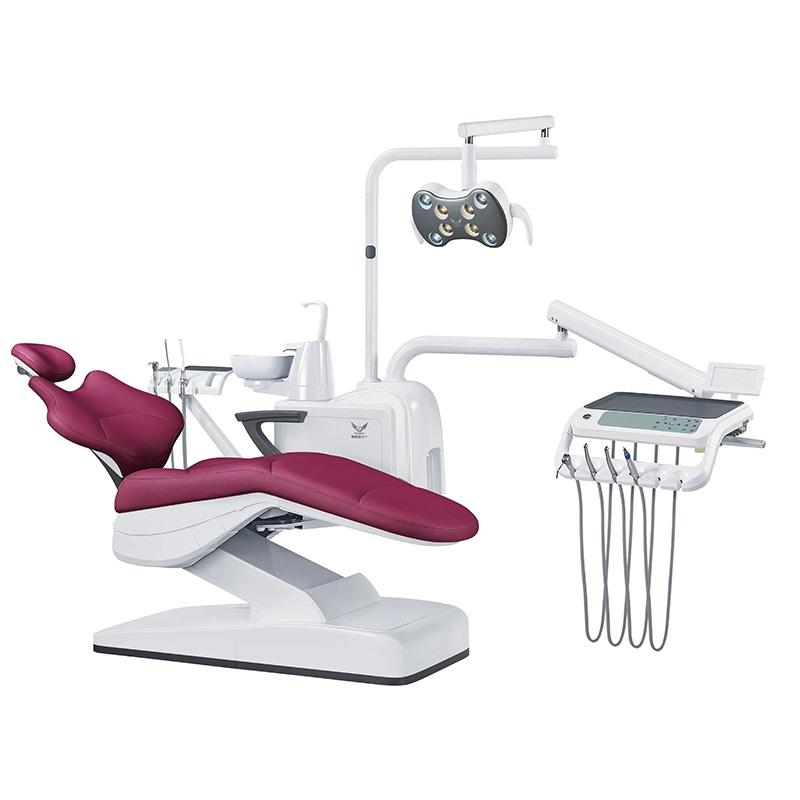
The dental chair remains the centerpiece of any modern dental practice, yet it has undergone a dramatic transformation over the past decade. Today's dental chair is no longer a simple mechanical seat—it has become an integrated technological platform that directly influences clinical outcomes, patient comfort, and operational efficiency. Understanding the innovations reshaping the dental chair market is essential for practice owners, dental professionals, and clinic managers who want to stay competitive and deliver exceptional patient care. The evolution of the dental chair reflects broader industry trends toward automation, ergonomics, connectivity, and infection control, each addressing specific pain points that dental practices face daily.
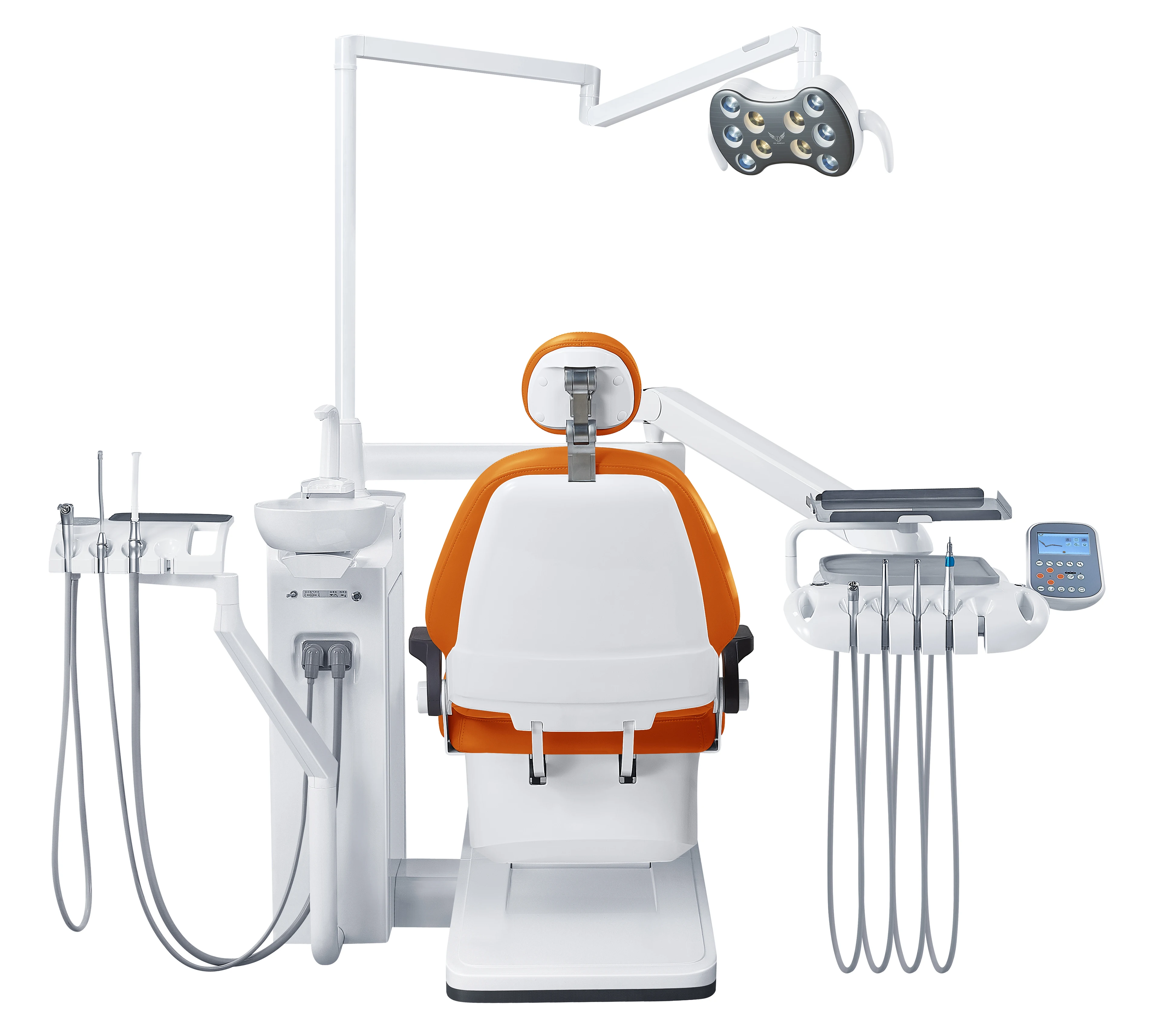
Modern dental practices demand solutions that balance clinical precision with patient experience and staff ergonomics. A contemporary dental chair must integrate seamlessly with digital workflows, support infection control protocols, and provide dentists with intuitive controls that minimize distractions during treatment. Recent innovations have addressed these requirements through smart positioning systems, integrated multimedia displays, automated disinfection cycles, and memory-based settings that recall patient-specific configurations. These advancements represent a fundamental shift in how the dental chair functions—from passive furniture to an active clinical partner that enhances every aspect of the dental experience.
Smart Positioning and Ergonomic Design
Precision Movement and Patient Comfort
The dental chair has evolved to include motorized positioning systems that provide millimeter-level accuracy and smooth transitions. Advanced dental chair models now feature multiple preset positions that can be customized for different procedures, allowing clinicians to optimize their access angle and reduce physical strain. The dental chair can now be programmed to move seamlessly between patient positions, treatment positions, and resting positions without manual adjustment. This level of precision not only improves clinical visibility but also significantly reduces muscle fatigue for both the dentist and dental hygienist, addressing one of the most common workplace injuries in dental practice.
Ergonomic Features Reducing Occupational Strain
Occupational injuries among dental professionals have driven innovation in dental chair design. Modern dental chair systems incorporate lumbar support, adjustable armrests, and backrest angles that conform to ergonomic standards set by occupational health organizations. The dental chair now often includes memory functions that store multiple user profiles, automatically adjusting positioning to each team member's preferred settings when they log in or select their profile. Advanced dental chair models feature shock-absorbing mechanisms and weight distribution technology that reduces impact stress on both patient and operator joints. These ergonomic innovations have been proven to decrease work-related musculoskeletal disorders, extending the careers of dental professionals and improving their quality of life.
Integrated Technology and Workflow Automation
Smart Controls and Connectivity
Today's dental chair represents a shift toward integrated digital ecosystems. Smart dental chair systems can now synchronize with practice management software, patient records, and imaging systems, creating a unified workflow where all clinical information is accessible from the dental chair's control interface. The dental chair can be operated via touchscreen displays, foot controls, or voice commands, allowing clinicians to remain focused on patient care while managing settings intuitively. Modern dental chair platforms support wireless connectivity with other operatory equipment, enabling coordinated movements and automated sequencing that aligns the chair, overhead light, suction, and handpiece delivery systems. This integration reduces the number of manual adjustments clinicians must make during appointments, streamlining procedures and minimizing treatment time.
Multimedia Integration and Patient Experience
A contemporary dental chair often includes integrated display screens that enhance the patient experience and support clinical communication. These screens can show educational content, treatment documentation, intraoral imaging, and even entertainment options to keep patients calm and engaged during procedures. The dental chair's display technology allows clinicians to show patients their treatment areas in real time, improving informed consent and patient understanding of recommended procedures. Built-in screens in the dental chair also support teledentistry capabilities, allowing specialists to observe cases remotely or provide real-time consultation during complex treatments. This multimedia integration transforms the dental chair from a treatment instrument into a communication and educational tool that strengthens the patient-provider relationship.
Infection Control and Automated Disinfection
Self-Disinfecting Systems and Material Innovation
Infection prevention has become paramount in modern dental practice, and the dental chair has responded with automated disinfection technologies. Advanced dental chair systems now feature self-disinfecting upholstery made from antimicrobial materials that actively reduce pathogenic microorganism growth between patient appointments. The dental chair's integrated disinfection cycles use UV-light technology, electrostatic spray, or ozone treatment to sanitize surfaces without requiring chemical exposure or manual intervention. Manufacturers have engineered the dental chair's design to minimize crevices and difficult-to-clean areas, ensuring that all surfaces exposed to patient contact can be effectively disinfected using these automated systems. This innovation has become especially valuable in high-volume practices where turnaround time between patients is critical and infection control protocols must be rigorously maintained.
Compliance and Regulatory Standards
Modern dental chair innovations now address stringent infection control requirements set by health regulatory agencies worldwide. The dental chair design must comply with guidelines from organizations like the CDC, WHO, and regional dental boards, all of which mandate specific disinfection protocols. Contemporary dental chair systems provide documentation and monitoring features that track disinfection cycles, confirming that infection control standards have been met for regulatory audits and compliance verification. The dental chair's materials and finishes are specifically chosen to withstand frequent disinfection without degradation, ensuring durability and long-term reliability. This focus on compliance in the dental chair market reflects the industry's commitment to patient safety and the recognition that infection control is not optional but fundamental to modern dental practice.
Data Integration and Predictive Maintenance
Artificial intelligence and sensor technology have enabled modern dental chair systems to monitor their own performance and predict maintenance needs before failures occur. The dental chair is now equipped with sensors that track usage patterns, movement history, and system performance metrics, transmitting this data to manufacturers or service providers for analysis. Predictive maintenance algorithms can identify potential component wear or calibration drift in the dental chair before it impacts clinical functionality, allowing practice managers to schedule service proactively rather than reactively responding to breakdowns. This data-driven approach to the dental chair's maintenance extends equipment lifespan, reduces unexpected downtime, and ultimately lowers the total cost of ownership. Some advanced dental chair platforms now offer remote diagnostics, allowing technicians to troubleshoot issues without visiting the practice, further minimizing clinical interruptions.
FAQ
What specific features should I prioritize when selecting a modern dental chair?
When evaluating options, prioritize ergonomic design that supports your team's physical health, integrated positioning systems with memory functions that adapt to different operators, and automated infection control capabilities that align with your practice's protocols. Connectivity with your existing practice management and imaging systems should also be a key consideration, as the dental chair's integration with your digital workflow directly affects efficiency. Finally, assess the manufacturer's support for predictive maintenance and remote diagnostics, as these features can significantly reduce downtime and operational costs over the equipment's lifetime.
How do automated disinfection systems in a dental chair actually work?
Most modern dental chair disinfection systems use one or more of three primary technologies: UV-light irradiation, which damages microorganism DNA; electrostatic spray that coats surfaces with antimicrobial agents; or ozone treatment that oxidizes pathogens. The dental chair typically initiates these cycles automatically between patient appointments, with built-in timers ensuring adequate exposure time. The entire process usually completes within 15 to 20 minutes, allowing adequate turnaround for high-volume practices while maintaining rigorous infection control standards.
Can a dental chair's smart features actually improve patient outcomes?
Yes—the dental chair's integrated positioning precision, multimedia communication capabilities, and ergonomic support for clinicians all contribute to better outcomes. Precise positioning reduces treatment time and improves clinical access, while multimedia displays help patients understand procedures and feel more comfortable. When clinicians experience less physical strain using an ergonomically advanced dental chair, their focus and attention to detail improve, directly benefiting clinical quality. Additionally, workflow automation enabled by a connected dental chair reduces procedural distractions, allowing clinicians to concentrate fully on treatment delivery.