
 EN
EN
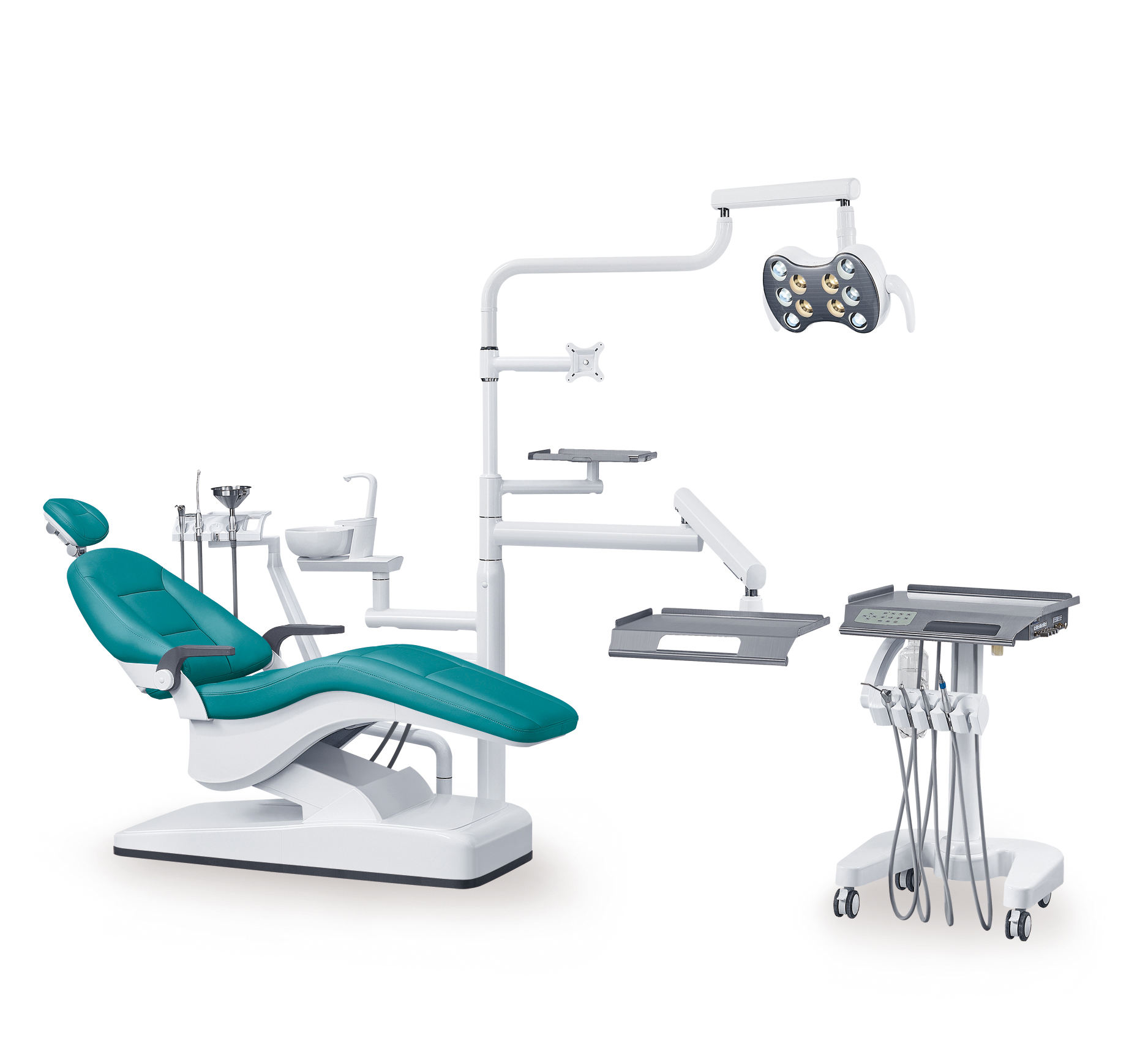
Expanding a modern dental clinic requires strategic investment in the right equipment, and the dental chair stands as the foundation of any successful practice. A quality dental chair is not simply a place for patients to sit; it represents the operational hub where diagnosis, treatment, and patient comfort converge. When planning clinic expansion, selecting the correct dental chair determines efficiency, patient satisfaction, and long-term profitability. Understanding which equipment pieces work together with a dental chair ensures your expanded clinic operates at peak performance from day one.
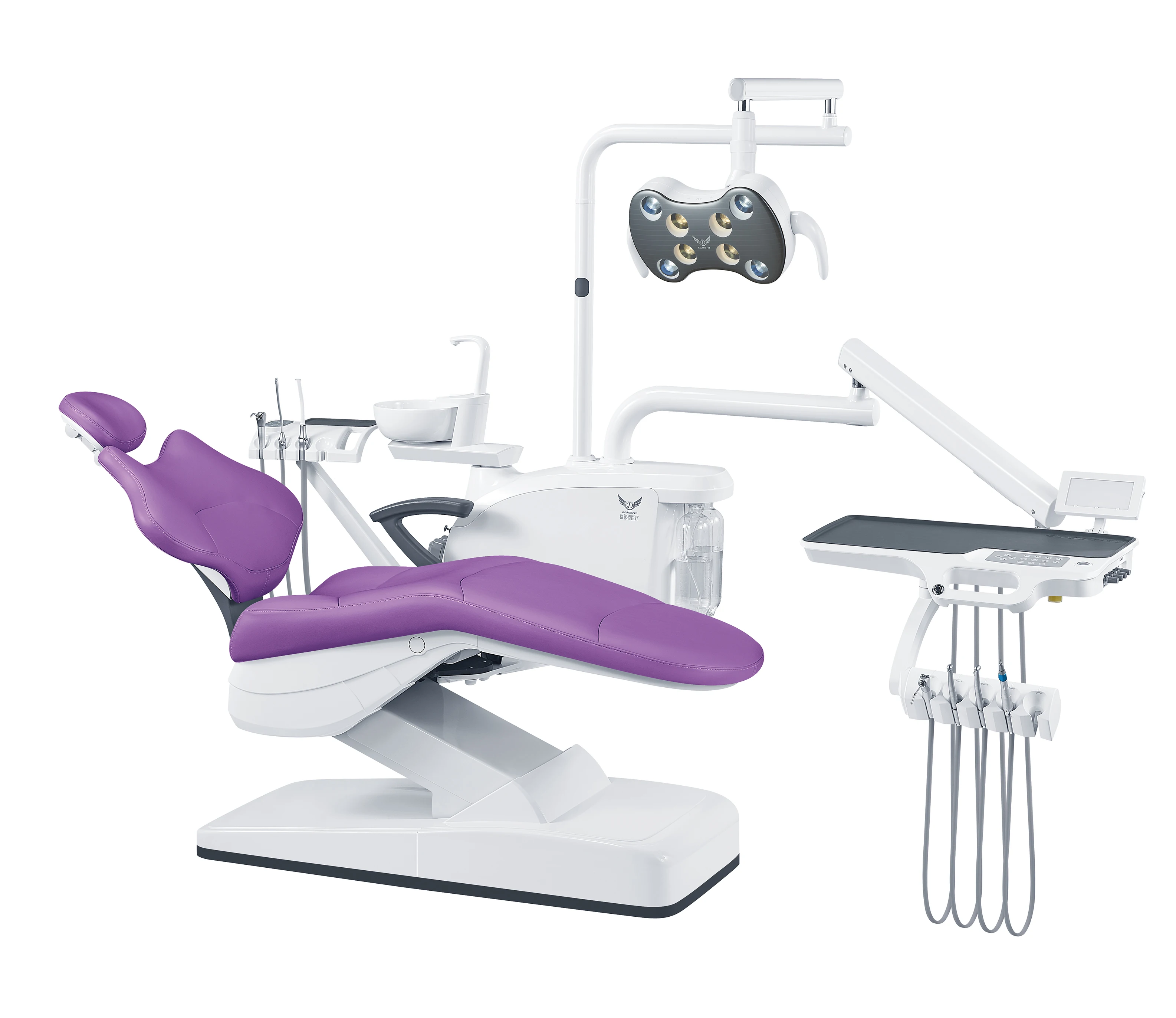
The dental chair ecosystem includes integrated components that work seamlessly with your treatment delivery system. Beyond the primary dental chair, clinicians and clinic managers must evaluate the dental compressor, suction systems, light fixtures, and handpiece delivery to create a cohesive treatment environment. These integrated systems transform individual equipment pieces into a unified dental chair unit that supports daily clinical workflows. For clinics expanding their capacity, understanding how each component integrates with the dental chair ensures minimal downtime, maximum throughput, and consistent clinical outcomes across multiple operatories.
Selecting the Right Dental Chair for Your Clinic Expansion
Core Features That Define a Modern Dental Chair
A modern dental chair must deliver ergonomic support, smooth positioning, and intuitive controls that support both clinician and patient comfort. The dental chair frame should be constructed from durable materials that withstand years of daily use while maintaining precise hydraulic or electric positioning. Adjustable height, backrest recline, and headrest tilt all contribute to operator efficiency and patient accessibility. When expanding your clinic, prioritize a dental chair with programmable memory settings that store frequently used positions, reducing setup time between patients and improving operational efficiency across your new operatories.
Electric positioning systems in contemporary dental chair models offer superior reliability compared to older hydraulic designs. The dental chair should include a foot-controlled or handpiece-integrated control system that allows clinicians to adjust positions without interrupting treatment flow. Premium dental chair units feature LED task lighting integrated into the headrest, eliminating shadows and enhancing visualization of the operative field. Patient comfort features such as cushioned upholstery, adjustable armrests, and smooth movement ensure patients feel secure, reducing anxiety and improving treatment acceptance.
Operatory Layout and Dental Chair Positioning
The physical layout of your expanded clinic directly impacts how effectively the dental chair functions within each operatory. Positioning the dental chair allows clinicians to approach from multiple angles, typically from the right side for right-handed practitioners and left side for left-handed clinicians. Adequate clearance around the dental chair permits assistant positioning, cart movement, and emergency access while maintaining a compact footprint suitable for modern clinic spaces. When designing new operatories during expansion, ensure the dental chair sits at a distance from walls that allows full recline capability and accommodates the delivery arm and dental unit mounted above.
Storage and workspace around the dental chair significantly influence daily efficiency. Position the dental chair with sufficient space for the assistant's stool, instrument trays, and supply access. The integration of the dental chair with overhead storage cabinets, mobile carts, and fixed instrumentation requires careful planning during clinic expansion. Proper spacing prevents cluttered operatories, reduces infection control risks, and ensures the dental chair can function without interference from surrounding equipment or structural elements.
Essential Complementary Equipment for Dental Chair Operations
Suction Systems and Air Supply Integration
Every dental chair requires integrated suction and compressed air systems to function effectively in clinical practice. The dental chair unit typically connects to centralized air compressors that supply pressurized air for handpieces, air-water spray, and other pneumatic functions. High-volume suction systems remove water, saliva, and debris during treatment, maintaining a clear operative field and ensuring patient comfort. When expanding your clinic, confirm that new operatories include dedicated suction lines and air supplies sized appropriately for the dental chair specifications to prevent performance degradation during simultaneous multi-operatory use.
Backup suction capacity becomes critical in expanded clinics operating multiple dental chair units simultaneously. Portable suction units should be available as emergency backup in case centralized systems experience temporary disruption. The dental chair's suction handpieces must be ergonomically designed for easy manipulation and efficient debris removal. Quality suction system maintenance ensures the dental chair operates reliably, preventing treatment interruptions and maintaining infection control standards across all expanded operatories.
Lighting, Delivery Systems, and Handpiece Organization
Overhead delivery arms and light fixtures mount directly above the dental chair, creating the primary workspace for all clinical procedures. Modern dental chair units feature mounted instrument trays within arm's reach, eliminating time spent retrieving tools during treatment. The delivery arm positions high-speed and low-speed handpieces, suction, and air-water spray in coordinated arrangement that minimizes clinician fatigue and treatment time. Quality LED task lighting integrated with the dental chair's positioning system improves visibility and reduces eye strain during complex procedures.
Ergonomic handpiece delivery arrangements prevent repetitive strain injuries common in dental practice. The dental chair's delivery system should allow quick switchover between handpieces without requiring the clinician to reach awkwardly or leave the treatment position. For expanded clinics, standardized delivery configurations across all operatories reduce clinician adjustment time when rotating between multiple dental chair units. Handpiece lines integrated with the dental chair unit should feature quick-connect attachments and color-coded identification to prevent cross-contamination and ensure efficient instrument selection during procedures.
Planning Equipment Investment for Multi-Operatory Expansion
Budget Allocation and Equipment Prioritization
The dental chair represents the largest single equipment investment in any expanded operatory, typically accounting for twenty to thirty percent of total operatory setup costs. When expanding a modern clinic, prioritize purchasing quality dental chairs as foundational investments that support clinical efficiency for ten to fifteen years or longer. Secondary equipment including suction systems, compressors, and sterilization units must be appropriately scaled to support the total number of new dental chairs being installed. Phased expansion strategies allow clinics to upgrade infrastructure in stages, starting with a single dental chair per new operatory and adding efficiency features as cash flow permits.
Bulk purchasing advantages often apply when expanding multiple operatories simultaneously, enabling negotiation of better pricing on dental chair units and integrated systems. Service contracts and warranty extensions become increasingly valuable when managing multiple dental chairs across expanded facilities. Equipment financing options allow clinics to spread dental chair costs over time, preserving cash reserves for working capital and staff training. Calculating the return on investment for each dental chair based on projected patient volume helps justify expansion expenses to stakeholders and lenders.
Training, Maintenance, and Operational Readiness
Staff training on new dental chair systems is essential before patient scheduling begins in expanded operatories. Every clinician and assistant must understand the positioning controls, safety features, and emergency procedures specific to your clinic's dental chair model. Preventive maintenance schedules for dental chairs include regular lubrication, hydraulic fluid checks, and electrical system inspections to ensure years of reliable operation. Creating standardized checklists for daily dental chair inspection helps staff identify and report problems early, minimizing downtime during critical patient care periods.
Backup procedures for dental chair equipment failures protect patient schedules and revenue in expanded clinics. Service provider relationships should be established before expansion is complete, ensuring rapid response times when dental chair repairs become necessary. Documentation of all equipment specifications, serial numbers, and warranty terms centralizes critical information for maintenance coordination. Regular staff competency assessments ensure all clinicians maintain proficiency with dental chair features and emergency protocols, supporting safe, efficient operations across your expanded facility.
FAQ
What specific features make a dental chair suitable for busy, expanded clinics?
A dental chair designed for high-volume clinics must feature electric positioning with memory presets, durable construction rated for continuous daily use, integrated LED lighting for superior visibility, and quick-connect delivery systems that support rapid turnover between patients. The dental chair should include programmable height and angle settings that reduce setup time, ergonomic controls minimizing clinician fatigue, and reliable hydraulic or electric systems with minimal maintenance requirements. Patient comfort features in the dental chair, such as cushioned seating and smooth positioning, improve treatment acceptance and reduce patient anxiety in busy practice settings.
How many dental chair units should clinics purchase during expansion?
The optimal number of dental chairs depends on your clinic's patient volume, scheduling model, and staff capacity rather than a fixed formula. Most clinics aim for one dental chair per one to two clinicians available during peak hours, ensuring consistent utilization without prolonged patient wait times. During expansion, phased purchasing allows clinics to add dental chairs gradually as patient volume grows, preventing excess capacity investment. Each dental chair generates revenue through patient treatments, so calculating patient capacity needs and revenue projections guides appropriate dental chair purchasing during expansion planning.
Can existing dental chair systems be relocated during clinic expansion?
Relocating an existing dental chair is sometimes possible if the unit remains in good working condition and your clinic's new space accommodates the infrastructure requirements for integrated air, suction, and electrical systems. The dental chair must be professionally disconnected, transported carefully to prevent damage, and reinstalled by qualified technicians who verify all systems function properly after relocation. Physical wear on hydraulic systems, connection points, and electrical wiring may worsen during relocation, potentially reducing the dental chair's remaining operational lifespan. In many expansion scenarios, purchasing new dental chairs for additional operatories while maintaining existing units in current locations proves more cost-effective than attempting relocation, though individual assessments should guide this decision.