
 EN
EN
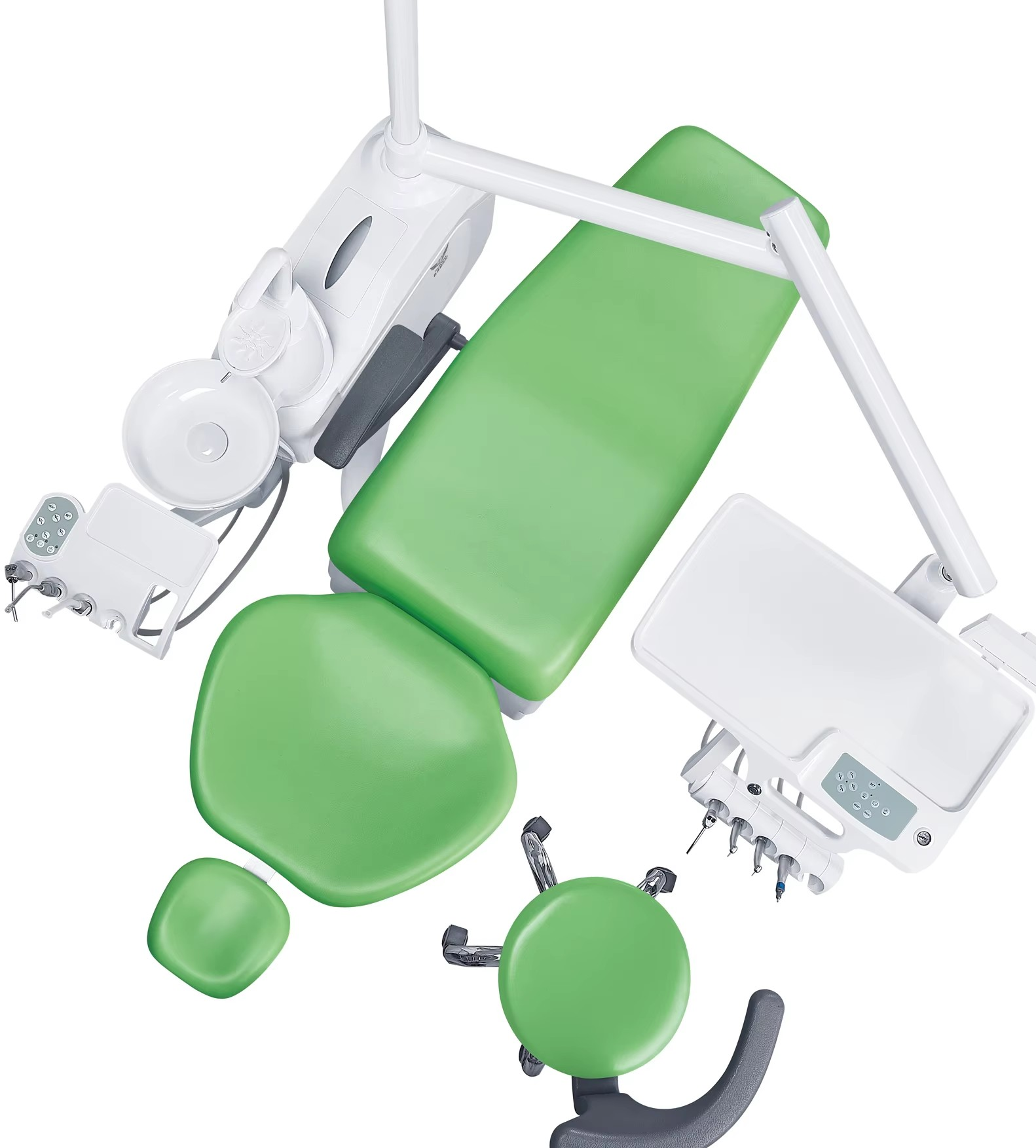
Selecting the right dental device for your clinic is one of the most significant decisions a practice manager or dentist will make. A dental device impacts patient experience, operational efficiency, clinical outcomes, and long-term profitability. Yet many clinics approach this decision without a structured comparison framework, leading to costly mistakes and suboptimal practice performance. Understanding how to systematically evaluate and compare dental device options ensures your clinic invests in equipment that truly serves your patient population and supports your business goals.
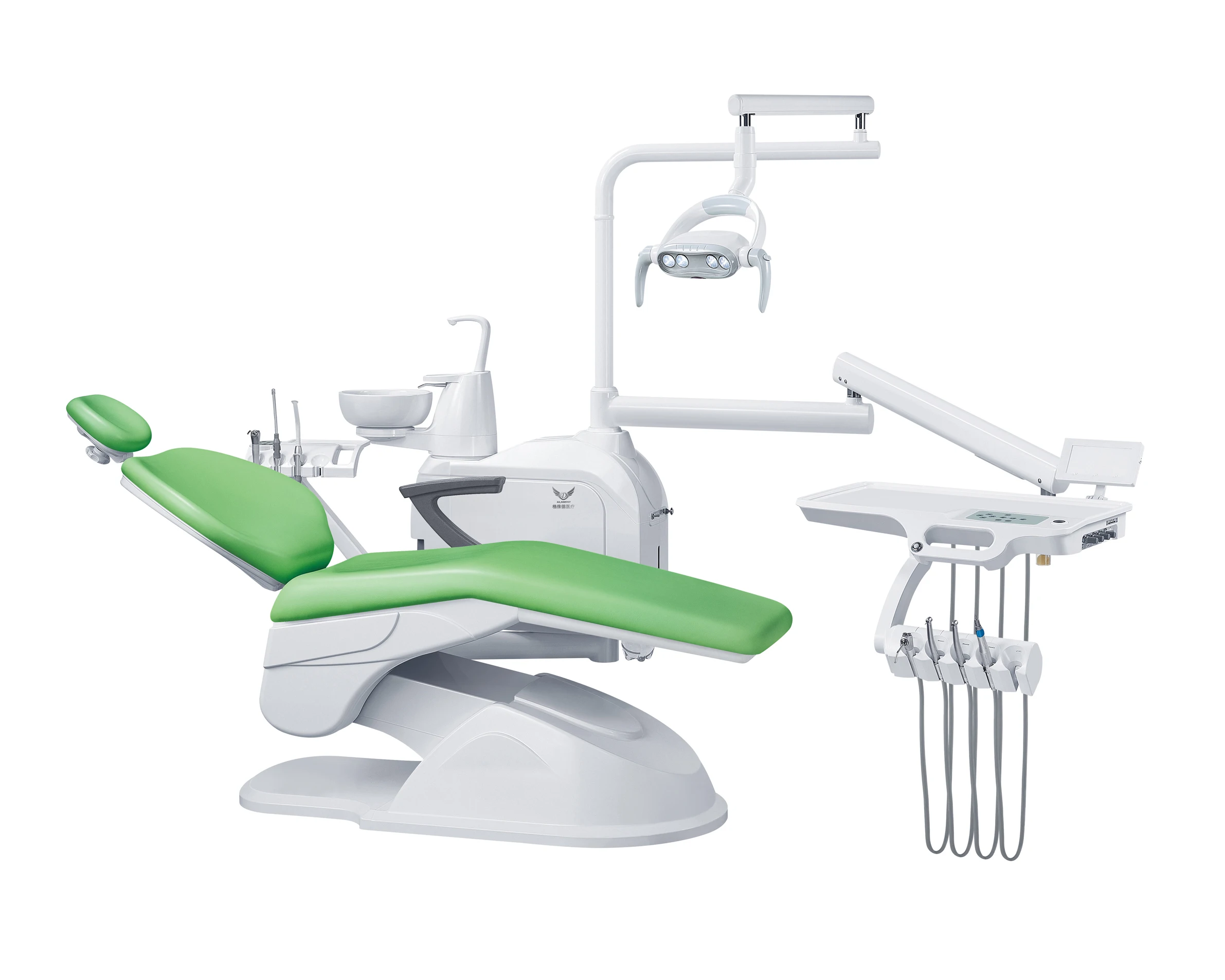
The process of comparing a dental device requires careful attention to clinical specifications, ergonomic design, integration capabilities, vendor support, and total cost of ownership. Different dental device categories—from digital imaging systems to treatment units to sterilization equipment—demand different evaluation criteria. A comprehensive comparison strategy protects your investment, minimizes operational disruptions, and positions your clinic for sustainable growth in an increasingly competitive market.
Understanding Your Clinical Requirements Before Comparing a Dental Device
Assessing Patient Demographics and Case Mix
Before comparing any dental device, define exactly what clinical work your practice performs and what your patient demographics demand. A pediatric-focused clinic has vastly different dental device needs than a cosmetic or implant-heavy practice. Document your typical patient volume, case complexity, and treatment frequency. This baseline determines which dental device specifications actually matter for your workflows. For example, if your practice emphasizes preventive care and routine cleanings, a dental device optimized for advanced surgical procedures may represent unnecessary expense and complexity.
Identifying Technical and Operational Constraints
Physical space, electrical infrastructure, existing digital systems, and staff training capacity all influence how well a dental device will perform in your specific environment. Space limitations may eliminate certain dental device models outright. Electrical upgrades needed for a particular dental device add hidden costs to your comparison. Compatibility between a new dental device and your practice management software determines integration value. Before comparing specific dental device options, document these constraints in writing. This prevents the common mistake of selecting a dental device that performs beautifully in a showroom but encounters practical obstacles in your clinic.
Key Comparison Criteria for Evaluating a Dental Device
Clinical Performance and Feature Specification
Clinical capability is the primary reason for investing in any dental device. Compare the precision, speed, accuracy, and clinical range each dental device offers relative to your treatment needs. A dental device with advanced imaging resolution may be essential if your practice performs complex diagnostics, but unnecessary for general restorative work. Request detailed technical specifications from vendors and, whenever possible, observe the dental device in clinical use at peer practices. Ask operators about real-world performance versus marketing claims. The most advanced dental device features mean nothing if they don't directly improve your patient outcomes or operational flow.
Ergonomics, Durability, and Workflow Integration
A dental device that causes operator fatigue or requires cumbersome setup workflows undermines your investment over time. Evaluate how intuitively each dental device integrates into your typical clinical sequence. Test the user interface during demonstrations—can staff learn the dental device quickly, or does it demand extensive training? Assess build quality, material durability, and the dental device manufacturer's reputation for longevity. Budget constraints may tempt you toward lower-cost options, but a dental device that requires frequent repairs or replacement negates initial savings. Request references from practices using the same dental device for at least two years, and ask directly about reliability and maintenance frequency.
Cost Factors: Purchase Price, Integration, Training, and Support
The sticker price of a dental device rarely reflects true total cost of ownership. Factor in installation costs, staff training time, software integration, regulatory compliance setup, and ongoing support contracts when comparing a dental device. Some dental device vendors bundle training and support; others charge separately for every interaction. Clarify warranty terms, repair costs after warranty expiration, and the vendor's average response time when a dental device requires service. A less expensive dental device from a vendor with poor support becomes exponentially more costly when technical issues disrupt your schedule. Negotiate transparent pricing for the dental device itself plus all support and training components before committing.
Building a Structured Comparison Framework for a Dental Device
Creating a Weighted Scoring Rubric
Develop a written comparison document that scores each dental device option across multiple weighted dimensions. List clinical performance, ergonomics, compatibility, support reputation, and total cost as major criteria. Assign relative weight percentages—for example, clinical performance might be 35% of your decision, total cost 25%, ergonomics 20%, support 15%, and compatibility 5%. Score each dental device on a consistent scale for each criterion. This quantified approach removes emotion and ensures your dental device selection aligns with practice priorities. Document the rationale for your weighting, as this transparency helps justify the decision to staff and stakeholders.
Requesting Trials and Demonstrations
Never compare a dental device solely based on specifications and marketing materials. Request hands-on trial periods if the vendor allows, or attend events where you can operate the dental device directly. During demonstrations, ask vendors to show not just best-case scenarios but also common troubleshooting, maintenance, and failure modes. Request a demonstration that mimics your actual patient case types. A dental device that works flawlessly for basic procedures might struggle with your specific clinical challenges. Involve your clinical team in demos and trials—they will spot workflow friction that management might miss.
Consulting Peer References and Industry Resources
Direct conversations with practices currently using the dental device you are considering provide invaluable real-world perspective. Ask peers about initial expectations versus actual experience, downtime frequency, staff satisfaction, and whether they would purchase the same dental device again. Industry publications and professional association resources often review and compare categories of dental device technology. Research independent reviews and user forums, though balance enthusiastic testimonials against critical feedback. Vendor-provided references may be biased, so seek out practices that use the dental device in contexts similar to yours but who weren't directly referred by the vendor.
FAQ
What is the most important factor when comparing a dental device for my clinic?
The most important factor depends on your specific practice needs, but clinical capability directly relevant to your case types and patient demographics should be your primary filter. A dental device with unnecessary advanced features adds cost without value, while a dental device lacking capabilities you actually use wastes investment. After confirming clinical fit, total cost of ownership—including support, training, and integration—typically becomes the deciding factor between comparable options. Never let budget constraints force you to accept a dental device with inadequate clinical performance for your practice.
How long should the comparison process for a dental device typically take?
A thorough comparison of a dental device typically requires 4 to 8 weeks, depending on how many options you are evaluating and the complexity of your practice environment. This timeline allows for vendor research, specification review, demonstration scheduling, trial periods if available, peer consultation, and internal team discussion. Rushing the dental device comparison process to meet artificial deadlines often leads to inadequate due diligence and regrettable purchasing decisions. Budget sufficient time for a dental device evaluation commensurate with the expense and practice impact.
Should training and vendor support be dealbreakers when comparing a dental device?
Yes, training quality and vendor support absolutely should influence your dental device comparison decisively. A dental device with superior clinical features but poor training and limited support will underperform because your team cannot effectively utilize its capabilities. Conversely, a dental device with moderate features and exceptional vendor support often delivers superior overall value because your team stays proficient and technical issues resolve quickly. During your comparison process, evaluate vendor support responsiveness, training comprehensiveness, available documentation, and the presence of user communities or forums that can provide peer guidance when your dental device encounters problems.