
 EN
EN
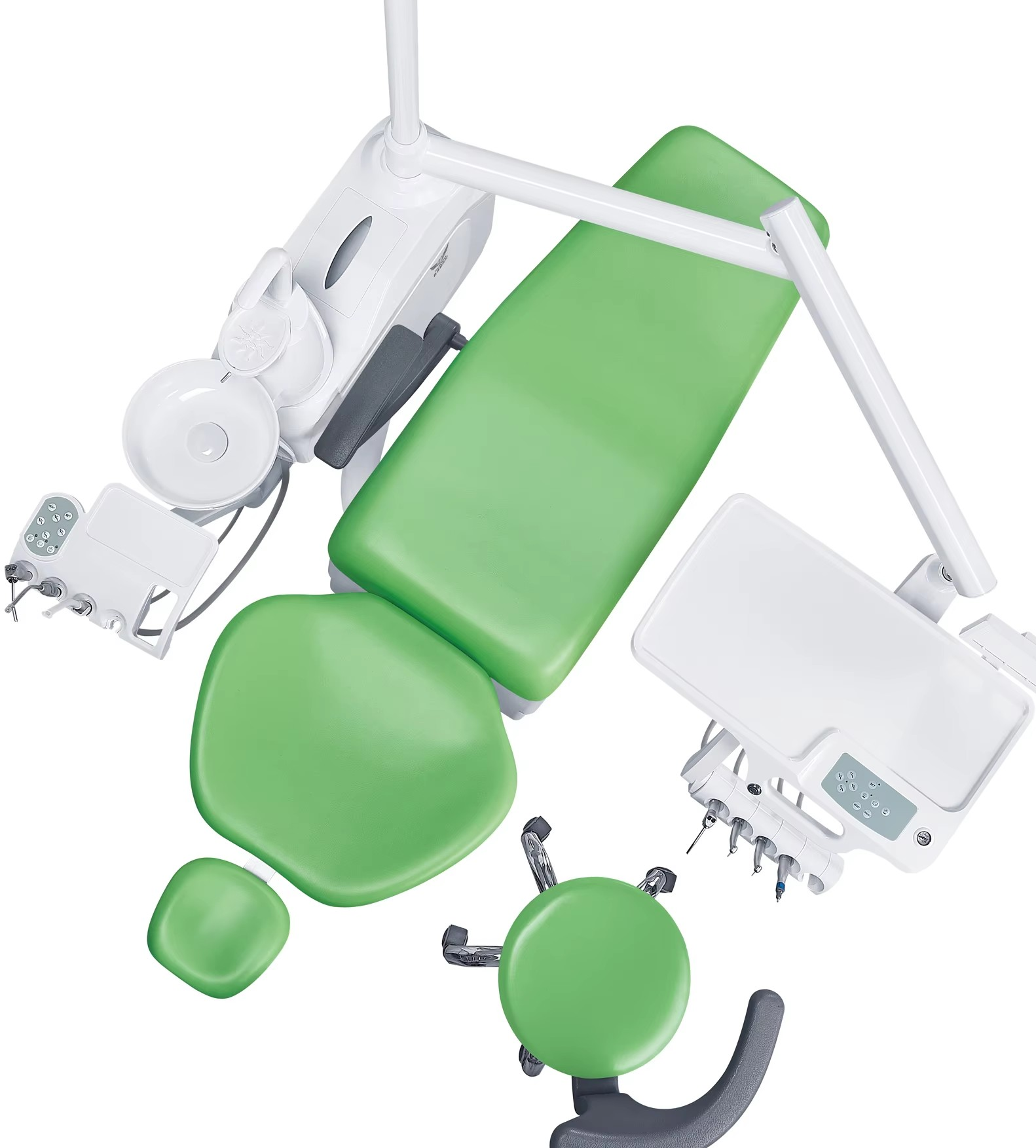
Expanding a dental clinic requires careful planning and strategic investment in the right equipment. Choosing the most suitable dental device for your clinic's growth is one of the most critical decisions you'll make when scaling your practice. A dental device selection process directly impacts patient satisfaction, operational efficiency, staff productivity, and long-term profitability. The wrong dental device choice can constrain your clinic's capacity and compromise the quality of care you deliver to patients.
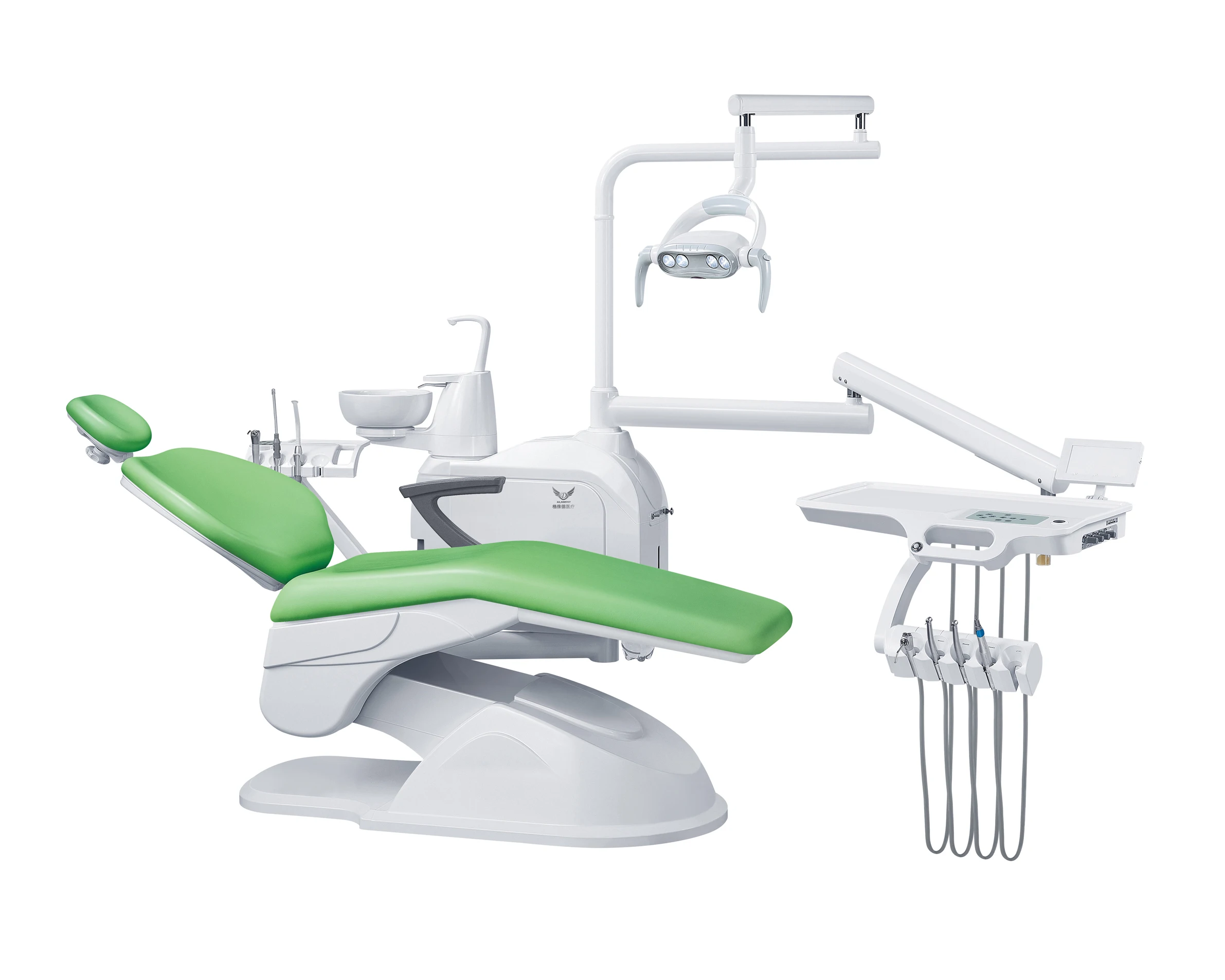
When expanding your dental clinic, the foundation of your success depends on investing in the right dental device and equipment infrastructure. Your choice of a dental device sets the tone for patient experience, treatment capabilities, and operational workflow. Understanding which dental device aligns with your clinic's expansion goals helps you make confident purchasing decisions that support sustainable growth.
Core Considerations for Selecting the Right Dental Device
Assessing Your Clinic's Growth Trajectory
Before selecting a dental device, you must evaluate your clinic's expansion timeline and patient volume projections. A dental device suited for five treatment rooms differs significantly from one designed for a single-operatory clinic. Your clinic's growth trajectory determines the specification level and capacity range you need from each dental device. Consider projected patient numbers, treatment categories you plan to offer, and specialist services that may require specialized dental device configurations. Investing in scalable dental device infrastructure prevents costly upgrades and replacements within three to five years of expansion.
Evaluating Clinical Requirements and Treatment Scope
The scope of clinical services your expanded clinic will offer directly influences dental device selection. A general dentistry clinic requires different dental device specifications than one offering oral surgery, orthodontics, or implantology. Each specialty demands specific features from a dental device to ensure optimal performance and patient safety. Advanced treatment capabilities require a dental device with precision ergonomics, enhanced lighting, and integrated technology. Your dental device must support the full range of procedures you plan to deliver across all treatment chairs and operatories.
Key Selection Criteria for Expansion-Stage Dental Devices
Ergonomic Design and Operator Comfort
Ergonomic performance is non-negotiable when selecting a dental device for clinic expansion. Your dentists and hygienists will spend eight to ten hours daily using the dental device, making comfort a productivity and retention factor. A well-designed dental device reduces physical strain, minimizes musculoskeletal injuries, and improves clinical outcomes. The dental device should offer adjustable working heights, intuitive positioning, and optimal access angles for efficient treatment delivery. Poor ergonomics in a dental device lead to staff fatigue, increased errors, and higher turnover costs during your clinic's critical growth phase.
Technology Integration and Treatment Capability
Modern dental clinics expect integrated technology within their dental device infrastructure. Advanced dental device systems feature built-in digital imaging, patient record integration, and treatment documentation capabilities. A comprehensive dental device platform streamlines workflows, reduces manual entry errors, and enhances data security. Selecting a dental device with open-architecture connectivity ensures compatibility with your practice management software and future technology upgrades. The right dental device becomes a central hub for clinical efficiency, not an isolated treatment station.
Infection Control and Material Durability
Infection prevention is paramount in dental device selection for clinic expansion. Your dental device must feature smooth surfaces, accessible components for sterilization, and durable materials that withstand repeated disinfection protocols. A high-quality dental device constructed from autoclavable materials and easy-to-clean design reduces contamination risk and supports strict infection control standards. During expansion, investing in a dental device with superior durability prevents frequent repairs and clinic downtime. The dental device you select must meet or exceed all regulatory infection control requirements.
Strategic Planning for Clinic Expansion Using the Right Dental Device
Budget Optimization and Return on Investment
Budgeting for dental device investment requires balancing quality, capacity, and financial constraints. A comprehensive dental device investment includes the unit itself, installation, training, and ongoing maintenance. Calculate the cost per treatment chair and project revenue generation from each operatory with your selected dental device. The right dental device investment typically generates positive return within eighteen to thirty-six months through increased patient volume and improved efficiency. Avoid selecting an underpowered dental device to save initial cost, as it creates capacity bottlenecks that limit revenue potential during expansion.
Vendor Support and Long-Term Partnership
Your dental device vendor relationship becomes critical during clinic expansion and beyond. Select a dental device supplier who provides comprehensive training, responsive technical support, and genuine ongoing partnership. The ideal dental device vendor offers spare parts availability, preventive maintenance programs, and upgrade pathways. A reliable dental device partner ensures minimal downtime and maximizes the operational life of your equipment investment. During expansion phases, strong vendor relationships for your dental device translate directly to smoother implementation and faster staff onboarding.
Future-Proofing Your Dental Device Investment
When selecting a dental device, consider technology evolution and practice growth scenarios. A forward-thinking dental device choice anticipates emerging treatment modalities and changing patient expectations. Your dental device should support digital dentistry, telemedicine capabilities, and enhanced diagnostic integration. Selecting a dental device platform with modular architecture and upgrade potential protects your investment against rapid technological change. The best dental device choices for expanding clinics balance current needs with flexibility for future evolution.
FAQ
What is the most important factor when choosing a dental device for clinic expansion?
The most important factor when selecting a dental device for expansion is alignment with your long-term clinical vision and patient volume projections. A dental device that matches your treatment scope, supports your specialty services, and maintains ergonomic excellence for your team creates the foundation for sustainable growth. The ideal dental device investment combines quality construction, integrated technology, and vendor support to maximize practice value and patient satisfaction over ten to fifteen years of operation.
How many dental devices should a newly expanded clinic install?
The number of dental devices needed depends on your projected patient volume, available operatory space, and financial capacity. Most expanding clinics install one dental device per planned operatory, with consideration for peak scheduling patterns and specialty service requirements. A typical mid-sized expansion adds three to five operatories, each requiring a dedicated dental device. Start with capacity that supports three to five years of growth, then plan subsequent phases based on patient flow data and revenue performance from your initial dental device installations.
Can a dental device selected for expansion be upgraded later?
Many modern dental device systems offer modular upgrade paths and feature enhancement options as your practice evolves. However, core dental device components like the chair mechanism and delivery system are typically permanent. Select a dental device with proven long-term durability and compatibility with future technologies to maximize upgrade potential. While some features can be enhanced, replacing an entire dental device system is costly, making the initial selection decision for expansion critically important to your practice's financial health.