
 EN
EN
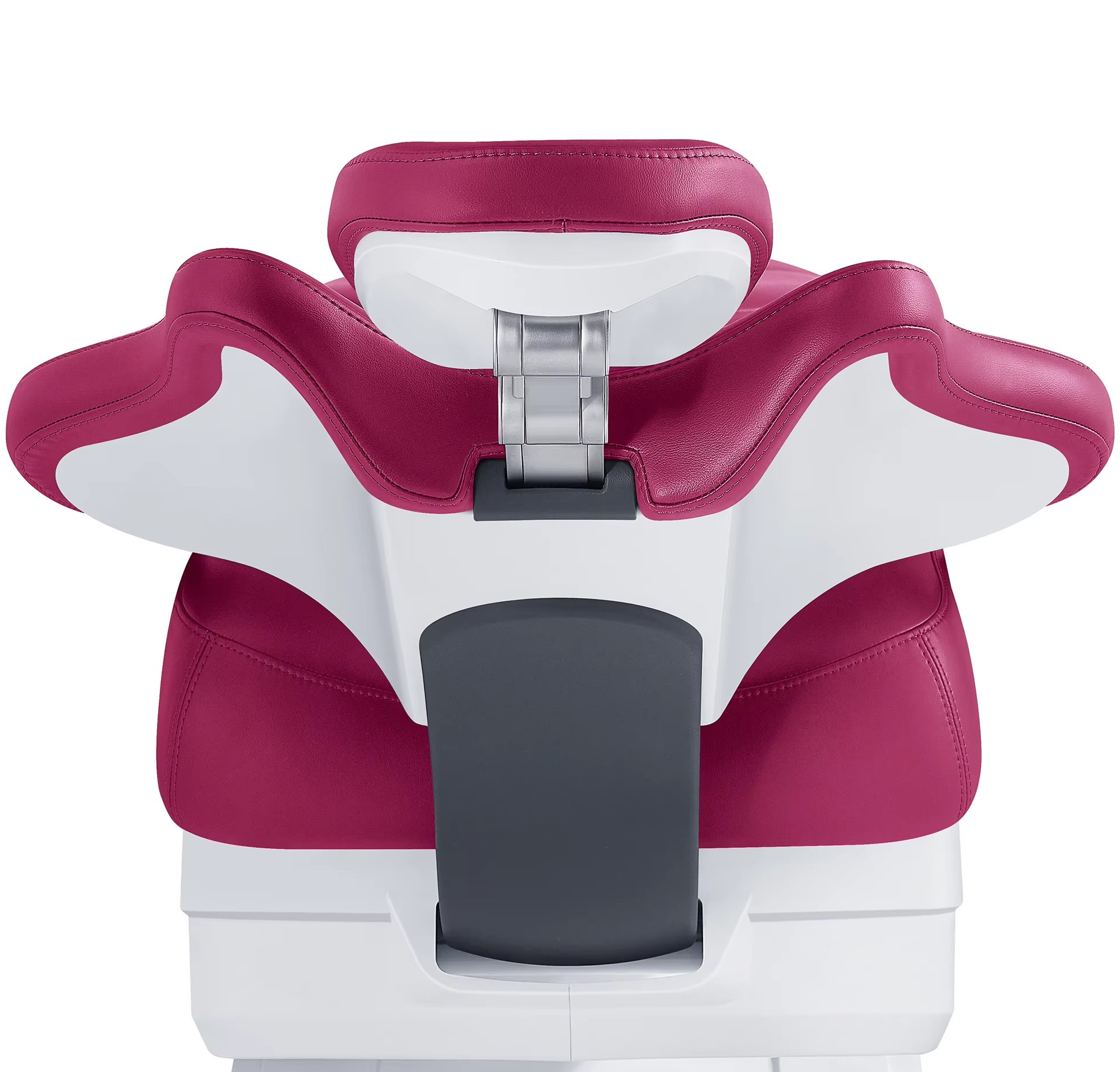
The modern dental practice operates in an increasingly digital ecosystem, and the integration of advanced technologies with clinical equipment has become essential for competitive practices. A dental device today is no longer a standalone instrument; it represents a critical component of a broader digital workflow that connects patient data, clinical operations, and treatment planning into a cohesive system. Understanding how integrating digital tools with a dental device transforms practice efficiency, patient outcomes, and operational reliability is key to making informed equipment decisions in 2024 and beyond.
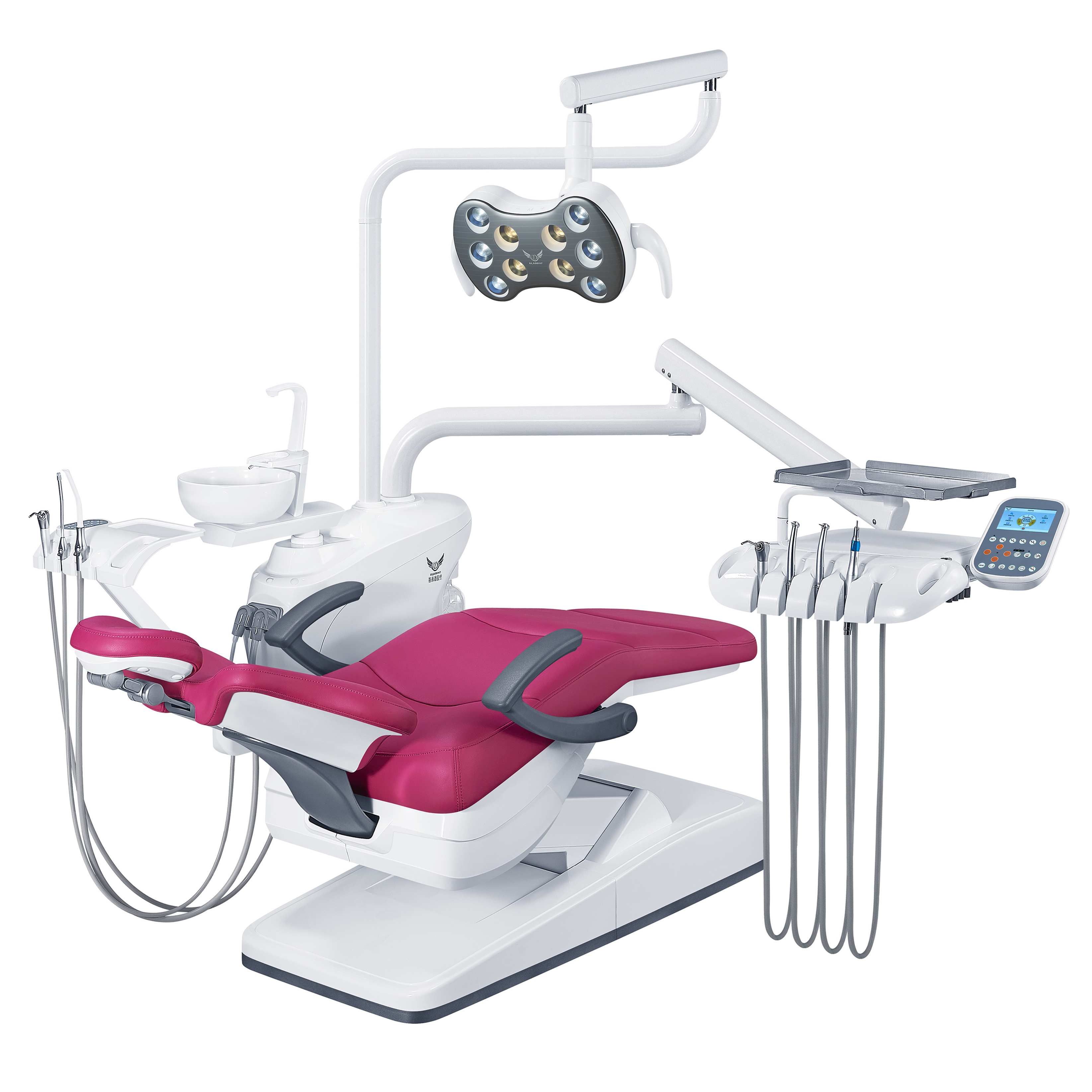
When a dental device incorporates digital connectivity and integration capabilities, it enables practitioners to streamline clinical workflows, reduce manual documentation, and deliver more consistent patient care. A modern dental device connected to digital systems allows real-time data capture, automated record updates, and seamless communication between treatment chair and practice management platforms. This integration transforms how dental professionals work, supporting better decision-making and faster patient throughput without compromising quality.
How Digital Integration Enhances Clinical Workflow
Seamless Data Capture and Documentation
One of the primary benefits of integrating digital tools with a dental device is the elimination of manual data entry gaps. A dental device equipped with digital integration automatically logs treatment details, including duration, tooth numbers, procedure codes, and clinical observations, directly into the practice management system. This reduces transcription errors, saves chair time, and ensures that patient records remain accurate and current. When a dental device communicates directly with digital platforms, dentists spend less time on administrative tasks and more time on patient care, which improves both satisfaction and clinical outcomes.
Real-Time Treatment Monitoring
Digital integration transforms a dental device from a static tool into an intelligent assistant that monitors treatment parameters in real time. A modern dental device with integrated sensors and connectivity can track cutting speed, irrigation flow, handpiece pressure, and sterilization cycles, ensuring that every procedure meets quality standards. This capability allows practitioners to identify operational issues before they affect patient care, maintain consistent treatment protocols across the practice, and document compliance automatically. A dental device operating within a digital ecosystem provides transparency and accountability that manual operations simply cannot match.
Improved Patient Outcomes and Safety
Precision and Consistency in Treatment
When a dental device integrates with digital diagnostic and planning software, treatment precision improves significantly. A dental device that connects to imaging systems, CAD/CAM platforms, and digital treatment planning tools allows clinicians to execute procedures with greater accuracy and predictability. Digital integration means that a dental device can be programmed with specific parameters for different procedures, ensuring consistency across multiple appointments and between different operators. This level of standardization directly correlates with better long-term patient outcomes, reduced retreatment rates, and enhanced clinical confidence.
Enhanced Safety Protocols
Safety is paramount in any clinical environment, and a dental device with digital integration strengthens this critical aspect. A modern dental device can automatically log sterilization cycles, alert operators to maintenance requirements, and ensure that infection control protocols are followed consistently. Digital integration enables a dental device to monitor handpiece performance, detect early signs of wear, and recommend preventive maintenance before failures occur. When safety data is automatically recorded and accessible, practices can demonstrate compliance with regulatory standards and protect both patients and practitioners from operational risks.
Operational Efficiency and Practice Growth
Streamlined Scheduling and Resource Management
A dental device integrated with digital scheduling and resource planning systems optimizes practice operations at a fundamental level. When a dental device reports its status, availability, and maintenance requirements in real time, front desk staff can schedule appointments more efficiently and avoid chair downtime. A modern dental device that connects to the practice management system allows managers to analyze utilization patterns, identify bottlenecks, and make data-driven decisions about equipment and staffing. This integration directly impacts daily productivity and revenue generation, making it a strategic business investment as much as a clinical one.
Reduced Administrative Burden
Digital integration significantly reduces the administrative overhead associated with equipment management and patient documentation. A dental device that automatically uploads treatment data eliminates duplicate entry and reconciliation tasks, freeing team members to focus on patient-facing activities. When a dental device is part of a connected ecosystem, compliance reporting, insurance documentation, and clinical audits become automated and error-free. This operational efficiency translates directly to lower labor costs, reduced burnout, and improved team satisfaction in dental practices.
Future-Proofing Your Practice Investment
Scalability and Adaptability
Choosing a dental device with robust digital integration capabilities ensures that your investment remains relevant as technology evolves. A modern dental device designed for connectivity can integrate with emerging digital platforms, telemedicine solutions, and advanced diagnostic tools without requiring equipment replacement. When a dental device has an open architecture and standard digital interfaces, practices can adapt to new workflows, expand services, and respond to changing patient expectations. This adaptability protects practices from technological obsolescence and ensures sustained competitive advantage over time.
Data-Driven Practice Intelligence
A dental device integrated with analytics and business intelligence tools provides insights that drive strategic decision-making. A modern dental device generates comprehensive data about clinical performance, patient treatment patterns, and operational metrics that can reveal opportunities for improvement. When a dental device is part of a digital ecosystem, practice leaders can access dashboards, reports, and actionable metrics that support growth planning and resource allocation. This data-driven approach transforms a dental device from a treatment tool into a strategic asset that drives practice success.
FAQ
What specific digital tools should integrate with a dental device for maximum benefit?
A dental device should ideally integrate with practice management software, digital imaging systems, CAD/CAM platforms, sterilization monitoring systems, and patient communication tools. The best integration strategy depends on your practice's specific workflows and clinical focus. Look for a dental device that offers APIs or standard connectivity protocols that allow connection to the platforms you already use or plan to adopt.
Does a dental device with digital integration require significant staff training or IT support?
While a dental device with digital integration may require initial training, most modern systems are designed with user-friendly interfaces that clinical staff can learn quickly. Choose a dental device from manufacturers that provide comprehensive onboarding, documentation, and technical support. The investment in training is typically recovered through efficiency gains within weeks of implementation.
How does a dental device with digital integration impact equipment costs and ROI?
A dental device with digital integration may have a higher initial purchase price than non-connected alternatives, but the return on investment is typically positive within the first year. The efficiency gains, reduced administrative time, improved patient outcomes, and decreased equipment downtime contribute to ROI. Additionally, a dental device with digital capabilities supports practice growth and scalability, creating long-term financial benefits that extend far beyond the equipment cost.