
 EN
EN
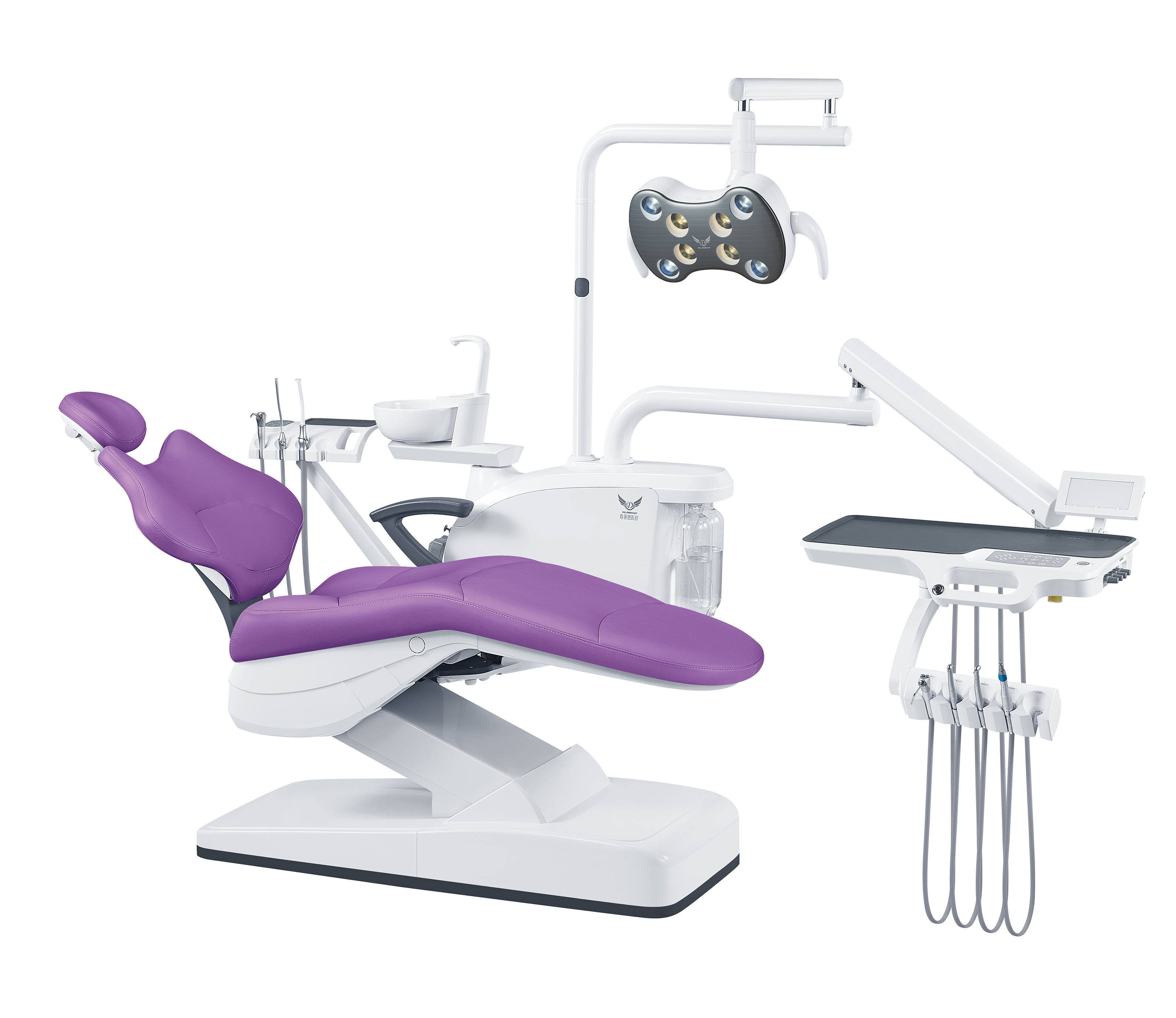
Preventive dental care represents one of the most cost-effective and patient-friendly approaches to oral health management. A dental chair plays a critical role in enabling clinicians to deliver these preventive treatments with precision, comfort, and efficiency. The dental chair is far more than a simple seating device; it serves as the clinical foundation upon which successful preventive interventions are built. From routine cleanings and fluoride applications to sealant placements and early caries detection, the dental chair creates the ergonomic environment necessary for thorough preventive care delivery. Understanding how a dental chair contributes to preventive patient treatments helps dental offices optimize their clinical workflows and patient outcomes.
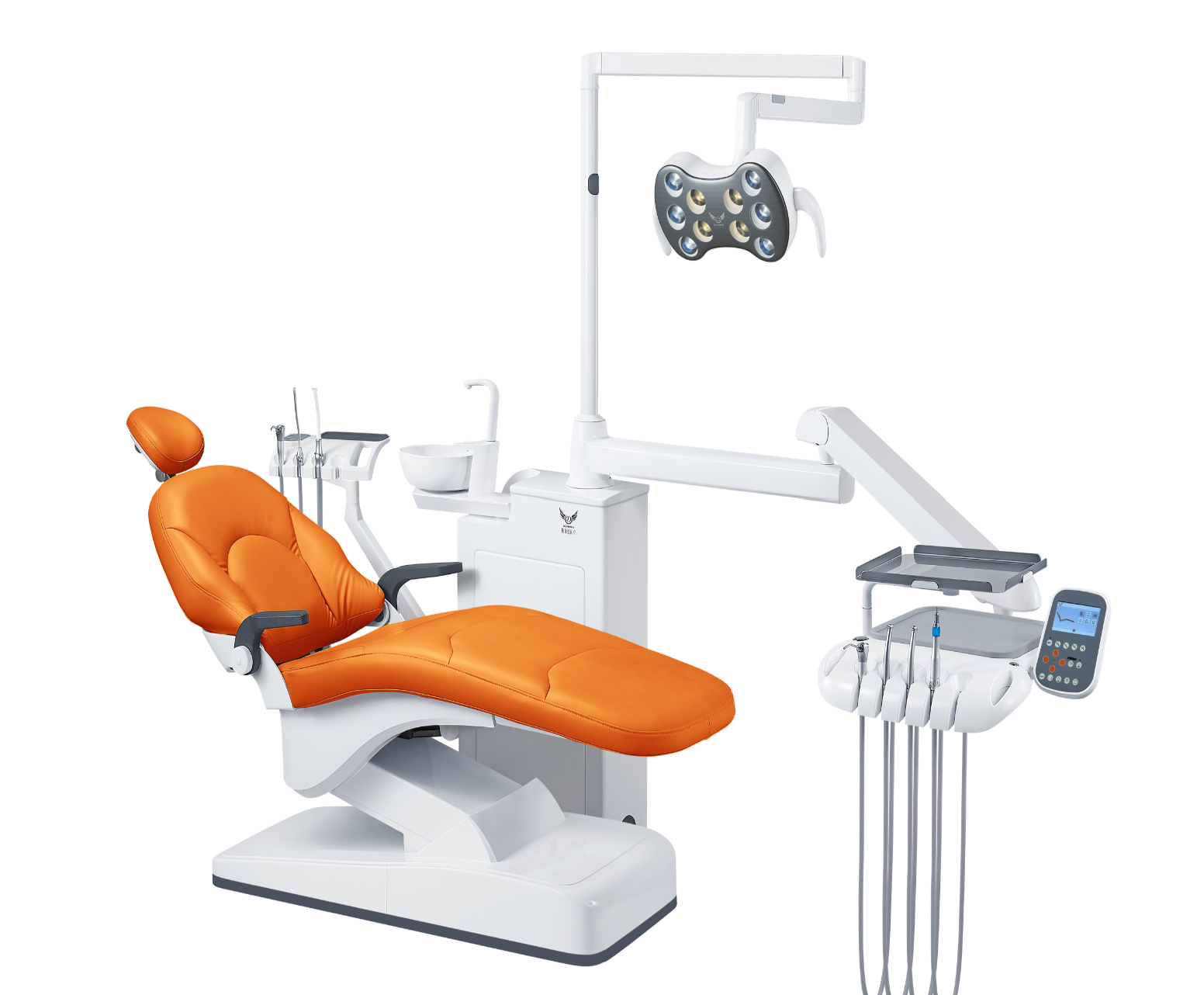
The dental chair enables preventive treatments by providing optimal patient positioning, enhanced visibility, and clinician access to all oral surfaces. A well-designed dental chair reduces clinician fatigue and improves treatment precision, which directly impacts the quality of preventive interventions. When patients feel secure and supported in a dental chair, they are more likely to remain compliant with preventive recommendations and attend regular check-ups. The dental chair also integrates with support systems such as lighting, suction, and instrument delivery, creating a cohesive environment that supports preventive care protocols.
Ergonomic Design and Patient Positioning in Preventive Care
How Dental Chair Ergonomics Enable Clinical Access
A dental chair must provide multiple positioning options to allow clinicians to access every area of the patient's mouth with minimal strain. The dental chair's headrest, backrest, and seat height adjustments enable precise positioning for preventive procedures such as prophylaxis, fluoride varnish application, and early lesion identification. Proper patient positioning in a dental chair reduces procedural time and minimizes the risk of missing early-stage caries or periodontal issues. When a dental chair offers smooth transitions between upright and reclined positions, clinicians can efficiently move between assessment phases and treatment delivery without repositioning the patient multiple times.
Patient Comfort and Treatment Compliance
Patient anxiety and discomfort directly influence compliance with preventive dental visits. A comfortable dental chair with adequate lumbar support, padded cushioning, and smooth motion reduces patient stress and creates a positive treatment experience. When patients feel secure and relaxed in a dental chair, they are more receptive to preventive education and more likely to follow home care recommendations. The psychological comfort provided by a quality dental chair translates into improved patient retention and higher rates of preventive treatment acceptance among dental office populations.
Clinical Visibility and Diagnostic Capability
Optimizing Illumination and Sightlines
Preventive dentistry relies heavily on early detection of oral diseases. A dental chair that supports optimal patient positioning directly enhances the clinician's ability to visualize all tooth surfaces and soft tissue areas under high-intensity light. The dental chair's integrated or compatible lighting system must eliminate shadows and reflections that could obscure early caries, staining, or periodontal changes. When a dental chair positions the patient's mouth at the correct height and angle relative to the clinician's eye level, the diagnostic capability for preventive screening increases significantly. This improved visibility allows clinicians to identify conditions requiring preventive intervention before they progress to more complex stages.
Integration with Preventive Diagnostic Tools
Modern preventive dentistry incorporates tools such as intraoral cameras, laser fluorescence devices, and digital radiography. A dental chair must accommodate these diagnostic devices through stable positioning, electrical integration, and sufficient clearance for imaging angles. The dental chair serves as the reference point for consistent patient positioning during preventive assessments, enabling comparative analysis of the same oral sites over multiple visits. This consistency in dental chair positioning supports longitudinal monitoring of early lesions and periodontal health, which are central to evidence-based preventive protocols.
Supporting Preventive Treatment Protocols and Infection Control
Enabling Efficient Preventive Treatment Sequences
Preventive treatment typically follows a structured sequence: assessment, visualization, prophylaxis, fluoride application, and sealant placement. A dental chair with smooth, predictable controls allows clinicians to transition through these phases without unnecessary interruptions. The dental chair's proximity to instrument storage, suction systems, and water delivery ensures that all preventive materials remain within reach, reducing procedural delays. When a dental chair is designed for efficient preventive workflows, the time required for each preventive visit decreases, allowing dental offices to serve more patients and reinforce the accessibility of preventive care.
Infection Control and Material Compatibility
A dental chair constructed from materials compatible with high-level disinfection protocols is essential for preventing cross-contamination during preventive treatments. The dental chair's upholstery, control surfaces, and removable components must withstand frequent cleaning with approved disinfectants without degradation. Preventive dentistry often involves multiple patients in succession, making rigorous infection control around the dental chair mandatory for maintaining clinical safety standards. The dental chair that supports efficient disinfection between patients enables dental offices to maintain both preventive care capacity and safety compliance.
FAQ
How does a dental chair contribute to the effectiveness of preventive fluoride treatments?
A dental chair enables precise patient positioning so that fluoride varnish or gel makes complete contact with all tooth surfaces. The dental chair's stable positioning prevents patient movement during application, ensuring even coverage of preventive fluoride. Additionally, the dental chair's tilting capability allows the clinician to work from optimal angles, reducing application time and improving retention on at-risk surfaces. Proper positioning in a dental chair is critical for maximizing the clinical benefit of fluoride preventive interventions.
Can a dental chair improve patient compliance with preventive dental recommendations?
Yes, a comfortable and supportive dental chair significantly influences patient attitudes toward preventive care. When patients experience comfort and professionalism in a dental chair, they develop greater trust in the dental office and are more likely to follow preventive recommendations. A high-quality dental chair signals that the dental office is invested in patient care, which strengthens the provider-patient relationship and encourages regular preventive visits. Patient satisfaction with the dental chair experience directly correlates with appointment adherence and preventive treatment acceptance rates.
What features should a dental chair have to support preventive sealant placement?
A dental chair for preventive sealant placement must offer adjustable height, stable positioning, and clear visibility of occlusal surfaces. The dental chair should allow the clinician to access posterior teeth without excessive patient repositioning, as sealant placement requires extended working time. The dental chair's coordination with overhead lighting and suction ensures that the occlusal surface remains dry and visible throughout the sealant application. A dental chair designed for operator ergonomics also reduces clinician fatigue during repetitive preventive sealant procedures, supporting both quality and efficiency in this key preventive intervention.