
 EN
EN
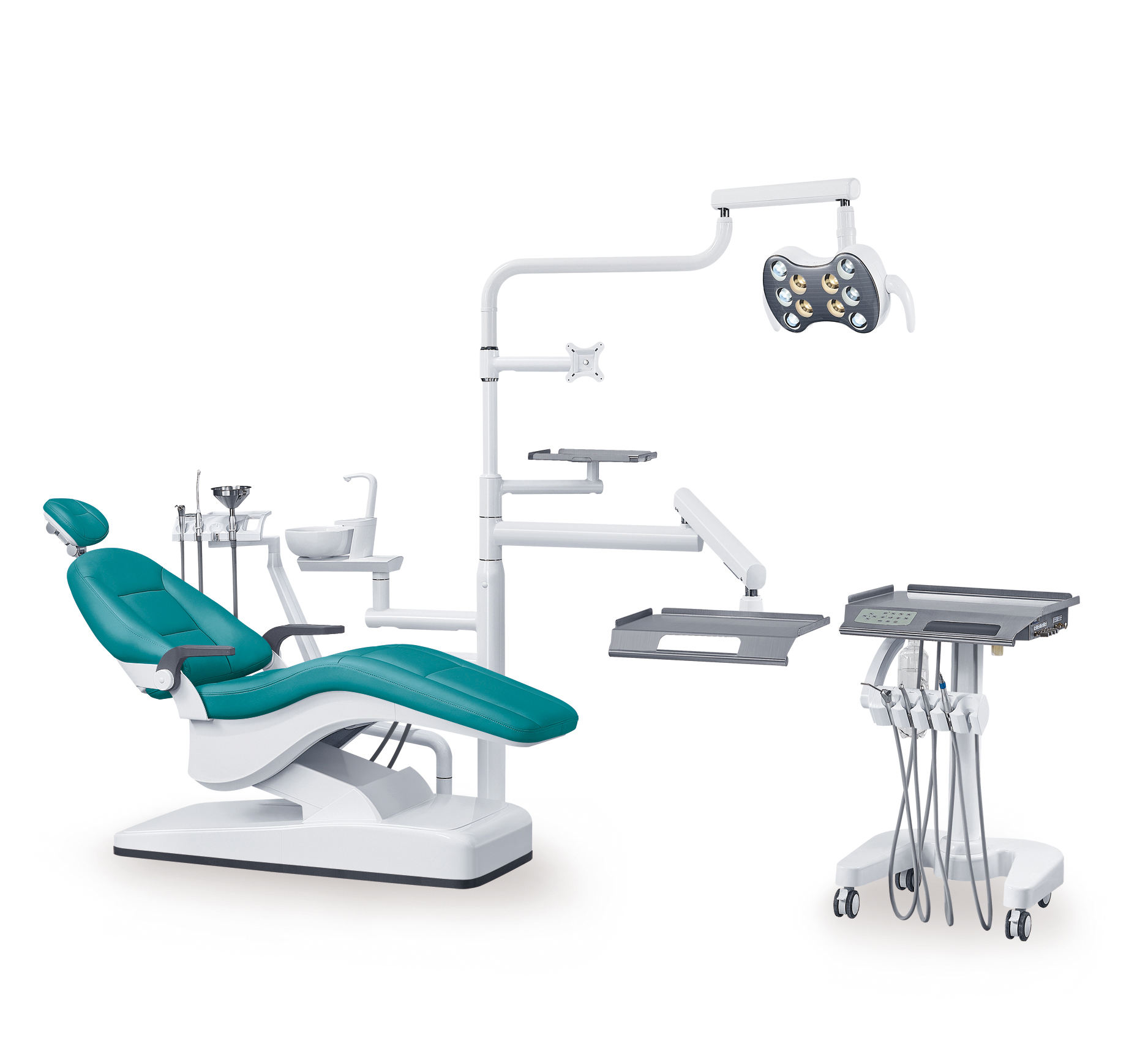
Selecting the right dental chair is one of the most critical decisions a dental practice can make for its entire team. A well-designed dental chair directly impacts the comfort, efficiency, and long-term health of dentists, hygienists, and clinical staff who spend hours daily working in close proximity to patients. The ergonomic quality of your dental chair affects not only individual wellbeing but also team productivity, patient satisfaction, and practice profitability. Understanding which ergonomic features matter most in a dental chair helps practices invest wisely and create a workspace where every team member can perform at their best.
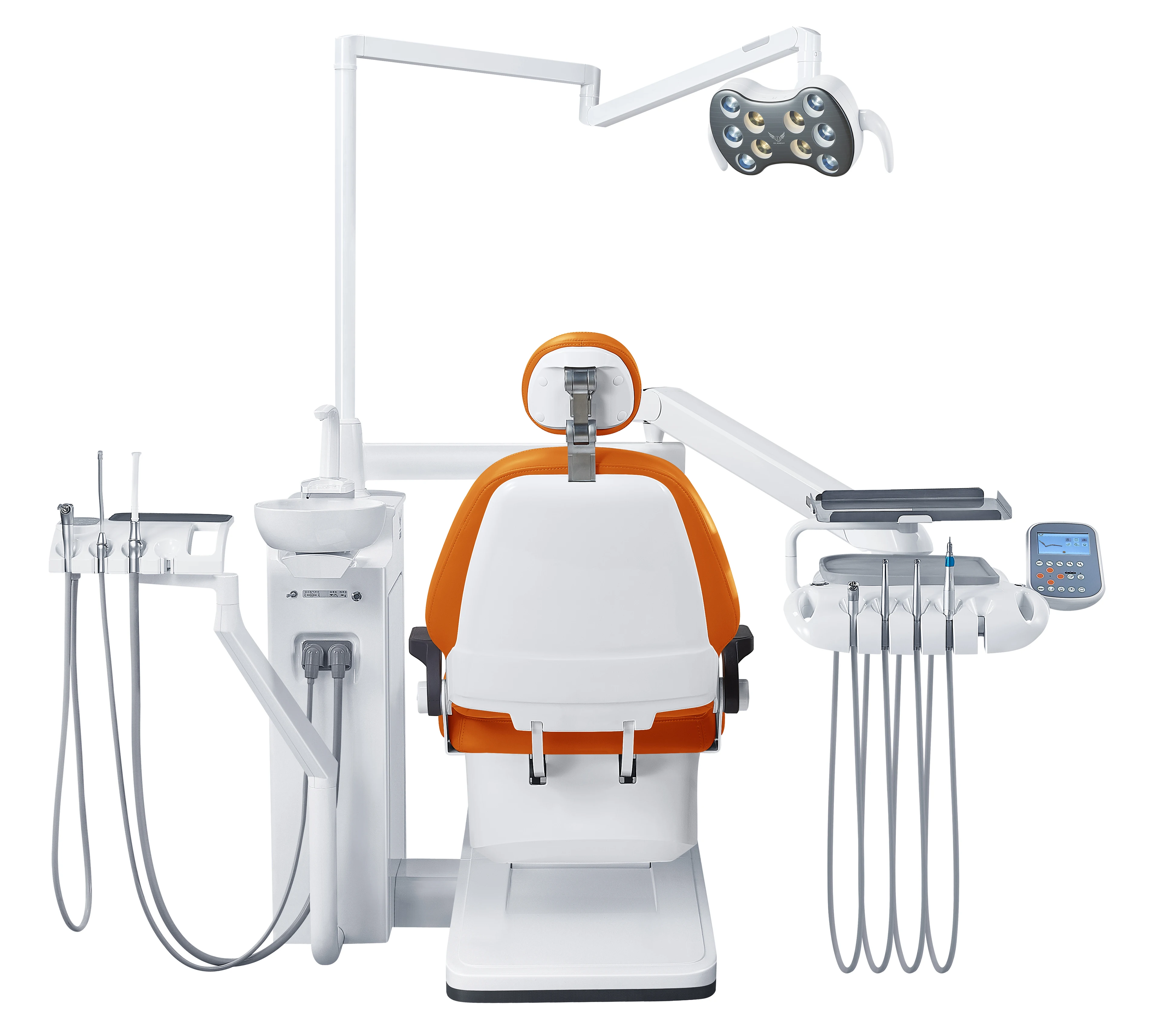
A high-quality dental chair designed with team ergonomics in mind becomes an investment in your practice's future. When dentists and hygienists work on properly configured equipment, fatigue decreases, clinical accuracy improves, and staff retention strengthens. This article explores the specific ergonomic features that define a superior dental chair, how each feature benefits your team, and why modern ergonomic standards should guide your purchasing decision. Whether you are upgrading existing equipment or outfitting a new practice location, knowing what to prioritize in a dental chair ensures your team remains comfortable, efficient, and injury-free for years to come.
Seat Comfort and Lumbar Support in a Dental Chair
Adjustable Seat Height and Positioning
The foundation of ergonomic excellence in any dental chair begins with proper seat positioning. A dental chair must offer smooth, precise height adjustment to accommodate team members of different body sizes and proportions. When operators sit on a dental chair at the correct height, their feet rest flat on the floor or footrest, and their knees bend at approximately 90 degrees, creating a stable base for all clinical work. An adjustable dental chair eliminates the need for awkward posture compromises and reduces strain on the lower back and legs during extended patient treatment.
Beyond simple height adjustment, premium dental chair models feature contoured seat designs that distribute weight evenly and prevent pressure points. The seat cushion should be firm enough to provide support yet soft enough to maintain circulation during long hours of use. Memory foam or pressure-relieving materials in a modern dental chair adapt to each operator's body shape, reducing hip and tailbone stress. When selecting a dental chair for your team, test multiple units to confirm that the seat depth, width, and angle align with your practitioners' comfort needs. A dental chair that prioritizes seat ergonomics becomes the centerpiece of a pain-free clinical environment.
Dedicated Lumbar Support System
Lower back pain represents one of the most common workplace injuries among dental professionals, and a dental chair with inadequate lumbar support accelerates this risk significantly. A well-engineered dental chair includes an adjustable lumbar support mechanism that maintains the natural curve of the spine and prevents slouching. This feature is non-negotiable for team members who perform multiple procedures daily, as proper lumbar support distributes the load across the entire spine rather than concentrating stress on vulnerable lower vertebrae.
The best dental chair models feature lumbar support that adjusts both vertically and horizontally, allowing each team member to customize the fit to their unique spinal anatomy. When your dental chair offers flexible lumbar control, operators can fine-tune support based on the specific procedure being performed and their individual requirements. Some advanced dental chair systems even incorporate memory functions that recall each practitioner's preferred lumbar position, automatically restoring optimal support when they sit down. Investing in a dental chair with superior lumbar support translates directly into fewer back injuries, reduced absenteeism, and a healthier, more productive team.
Armrest and Hand Position Ergonomics in a Dental Chair
Adjustable Armrests for Elbow Support
The arms and shoulders bear tremendous stress during dental procedures, and a dental chair must include adjustable armrests that support proper elbow positioning. When armrests on a dental chair are set correctly, they reduce tension in the shoulders, neck, and upper back by supporting the weight of the arms rather than allowing them to hang unsupported. Team members who work on a dental chair without adequate armrest support often develop repetitive strain injuries, frozen shoulder conditions, and chronic neck pain that can end clinical careers prematurely.
An ergonomic dental chair features armrests that move independently in multiple directions, allowing each side to be positioned precisely for the specific clinical task. Some dental chair designs include padded or curved armrests that provide comfortable contact surfaces and reduce pressure on the forearms and elbows. The ideal dental chair allows armrests to be raised, lowered, rotated, and angled to maintain neutral arm and wrist positioning throughout all clinical procedures. When your dental chair offers this level of armrest customization, every team member can work with their arms in the most comfortable and biomechanically sound position possible.
Neutral Wrist and Hand Positioning
Dentists and hygienists performing intricate procedures on a dental chair must maintain neutral wrist positions to avoid cumulative trauma disorders like carpal tunnel syndrome. A dental chair designed with hand ergonomics in mind positions operators so that wrists remain straight throughout treatment, eliminating the twisting and bending that causes injury over time. The relationship between seat height, backrest angle, armrest height, and patient positioning all influences whether a dental chair allows truly neutral hand positioning.
Premium dental chair systems integrate all these elements into one coordinated ergonomic solution. When your team works on a properly configured dental chair, the patient is positioned at the correct height and angle, the operator sits at the optimal distance from the patient, and the armrests support the arms at just the right angle to keep wrists neutral. This alignment becomes especially critical during procedures requiring fine motor control, where any deviation from neutral positioning on a dental chair compounds stress and increases error risk. A dental chair that facilitates neutral hand and wrist positioning protects your team's hands and enables them to deliver their best clinical work consistently.
Backrest and Posture Support Features in a Dental Chair
Multi-Angle Backrest Adjustment
The backrest is the primary postural support component of any dental chair, and its design directly determines whether team members maintain healthy spinal alignment throughout their workday. A superior dental chair includes a backrest that adjusts through a wide range of angles, accommodating both upright sitting positions for high-visibility procedures and more reclined positions for different clinical scenarios. When your dental chair backrest moves smoothly and holds its position reliably, operators can fine-tune their posture for each specific task without the constant micro-adjustments that cause fatigue on poorly designed equipment.
The best dental chair models feature synchronized backrest and seat adjustments that maintain proper hip-to-spine angles regardless of position changes. Some advanced dental chair systems offer preset positions that correspond to different procedure types, allowing quick transitions that preserve ergonomic alignment. When a dental chair operator shifts from one position to another without losing support, their spine remains protected and their ability to concentrate on clinical work improves. This dynamic posture support distinguishes a premium dental chair from basic models that force team members into compromised positions.
Headrest Support and Neck Alignment
Neck strain represents a significant occupational hazard for dental professionals, and a dental chair without proper headrest support accelerates cervical spine degeneration. The headrest on a quality dental chair must be adjustable in height, angle, and forward-backward position to accommodate different team members' body proportions and specific clinical requirements. When your dental chair offers flexible headrest adjustment, practitioners can maintain neutral neck positions and avoid the forward-head posture that leads to chronic pain and reduced clinical performance.
An optimized dental chair features a headrest that supports the back of the head comfortably without forcing the chin down or pushing the head back unnaturally. The headrest padding should provide adequate cushioning to prevent pressure points while maintaining enough firmness to prevent head rolling during procedures. Some dental chair designs include contoured headrests that conform to individual head shapes, offering personalized support. When team members work on a dental chair with superior headrest design, they can maintain focus on their clinical work without distraction from neck discomfort or postural strain, leading to better patient outcomes and higher staff satisfaction.
FAQ
What makes a dental chair ergonomic for long procedures?
An ergonomic dental chair combines adjustable lumbar support, contoured seat cushioning, multi-angle backrest adjustment, and flexible armrests to keep operators in neutral postures throughout extended procedures. The dental chair must distribute pressure evenly across the body, prevent slouching, and reduce strain on the spine, neck, shoulders, and wrists. When a dental chair incorporates all these features with smooth, reliable adjustment mechanisms, team members can maintain comfort and clinical precision even during demanding back-to-back procedures.
How does a dental chair improve team productivity?
A well-designed dental chair reduces fatigue-related errors, minimizes the time lost to postural adjustment, and enables operators to concentrate fully on clinical work rather than managing discomfort. When your team works on an ergonomic dental chair, practitioners require fewer breaks, experience fewer injuries, and maintain consistent performance quality throughout their shifts. The dental chair essentially becomes a tool that enhances both clinical outcomes and team wellbeing simultaneously, creating measurable improvements in practice efficiency and profitability.
Should a dental chair have memory functions for different team members?
Yes, a dental chair with memory functions significantly enhances team satisfaction and efficiency, particularly in practices where multiple practitioners share equipment. Memory-enabled dental chair systems recall each operator's preferred height, backrest angle, lumbar position, and armrest settings, automatically restoring optimal ergonomics when that person sits down. This feature eliminates the time and frustration of manual adjustments, ensures consistent postural support for each team member, and allows quick transitions between operators. dental chair models with advanced memory and automated positioning capabilities represent the future of practice-wide ergonomic excellence and team-centered design.