
 EN
EN
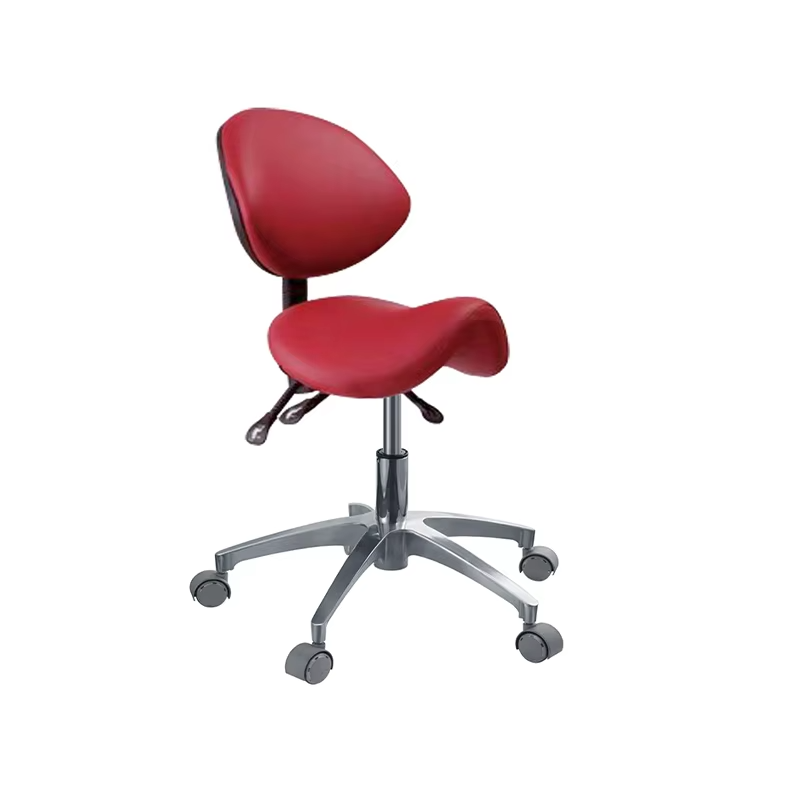
The relationship between operator comfort and clinical performance in dental practices remains one of the most underestimated factors in modern dentistry. Professional dental instrument tools require not only precision and durability but also an environment that supports the clinician's physical well-being throughout extended treatment sessions. When practitioners work with dental instrument tools while seated on poorly designed equipment, fatigue accumulates rapidly, compromising the quality of care and increasing the risk of musculoskeletal disorders. Ergonomic dental stools have emerged as essential components of dental instrument tools systems, transforming how practitioners interact with their workspace and maintain productivity without sacrificing long-term health.
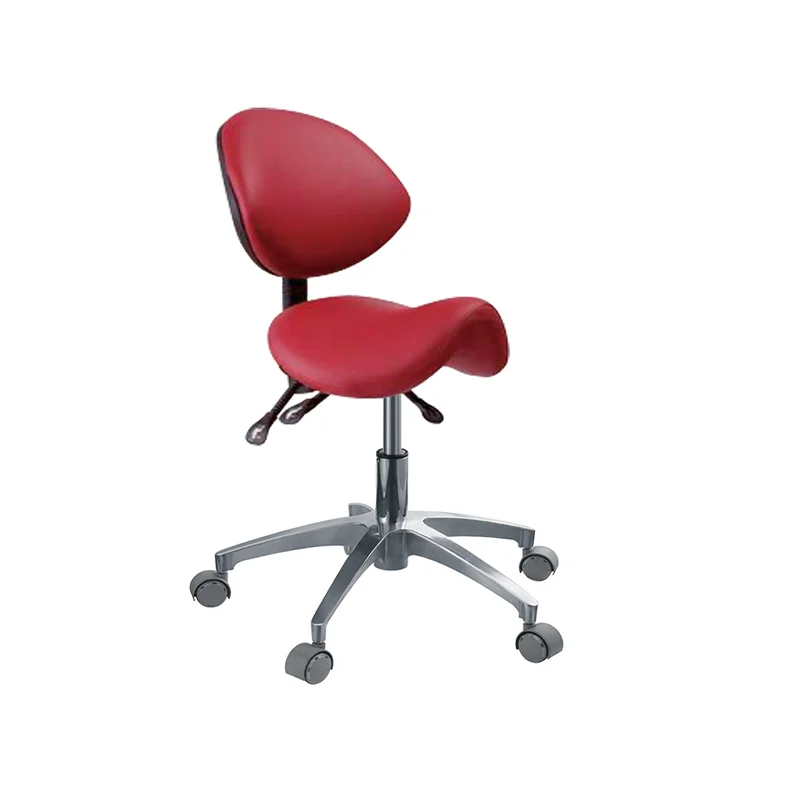
Selecting the right dental instrument tools setup goes beyond choosing individual pieces; it involves understanding how each element integrates into a cohesive ergonomic system. Professional dental instrument tools must work seamlessly with properly designed seating to create an environment where clinicians can focus entirely on patient care. The dental instrument tools you select will influence your seating requirements, hand positioning, and overall treatment efficiency. This comprehensive guide examines the ergonomic designs that matter most when selecting dental instrument tools for professional practices, ensuring your investment supports both immediate comfort and long-term clinical excellence.
Understanding Ergonomic Principles for Dental Instrument Tools
Spinal Alignment and Posture Support
Proper spinal alignment stands as the foundation of any ergonomic dental instrument tools assessment. Professional operators using dental instrument tools must maintain a neutral spine position during treatment, which requires seating that supports the natural curve of the lumbar region. Dental instrument tools workstations that force forward-head posture or excessive spinal rotation create cumulative stress that manifests as chronic pain over months and years. Modern ergonomic dental instrument tools solutions incorporate lumbar support technology, seat height adjustability, and backrest angles specifically engineered to maintain correct posture while working with precision dental instrument tools and materials.
Hip and Knee Positioning
The angle at which your hips and knees position while using dental instrument tools directly affects circulation, fatigue levels, and sustained performance throughout the day. Optimal ergonomic dental instrument tools seating maintains hips slightly higher than knees, typically through a seat height positioned between 16 to 21 inches depending on operator height and dental instrument tools configuration. When using dental instrument tools with suboptimal hip-knee angles, operators experience increased pressure on the thighs, reduced blood flow to the legs, and greater muscular effort required to maintain position. Professional dental instrument tools practitioners recognize that seemingly small adjustments in hip positioning dramatically impact comfort during extended procedures involving complex dental instrument tools manipulation.
Key Design Features That Matter for Dental Instrument Tools
Height Adjustment Mechanisms
Precise height adjustment remains non-negotiable in professional dental instrument tools environments where multiple practitioners with different physical dimensions may use the same equipment. Dental instrument tools operators require smooth, easily accessible height adjustment mechanisms that respond consistently throughout the adjustment range without sticking or resistance. Five-wheel base systems provide superior stability compared to three or four-wheel designs, particularly important when practitioners work with dental instrument tools requiring lateral reaching. The best ergonomic dental instrument tools seating incorporates gas-lift cylinders that allow one-handed height adjustment, enabling practitioners to fine-tune their position without interrupting their workflow with dental instrument tools and materials.
Seat Material and Cushioning
The seat material supporting daily use of dental instrument tools must balance firmness with comfort, preventing the softness that creates postural collapse during extended procedures. Dental instrument tools professionals spend hours seated each day, making high-density foam cushioning essential for preventing pressure point development and maintaining circulation. Premium ergonomic dental instrument tools seating utilizes molded foam that conforms to the operator's body while maintaining structural integrity throughout years of use with dental instrument tools and equipment. Memory foam and gel-infused cushioning options have gained popularity among dental instrument tools practitioners seeking maximum comfort during lengthy treatment sessions involving complex dental instrument tools procedures.
Professional Applications and Workflow Integration
Compatibility with Dental Instrument Tools Setups
Selecting ergonomic seating specifically engineered for dental instrument tools use requires understanding how your chosen stool will interact with your existing dental instrument tools arrangement. Dental instrument tools placement, overhead delivery systems, and assistant positioning all factor into whether a particular ergonomic design will enhance or complicate your workflow. Many modern dental instrument tools systems pair operator stools with mobile carts and instrument trays that demand 360-degree rotation capability and responsive movement. Dental instrument tools practitioners should prioritize seating with smooth-rolling casters, responsive swivel bases, and armrest designs that don't interfere with dental instrument tools delivery mechanisms or patient access.
Assistant and Support Staff Positioning
Professional dental instrument tools protocols often involve coordinated positioning of operators and assistant staff, requiring seating solutions that accommodate multiple body types and working heights simultaneously. Dental instrument tools workflows benefit significantly when both operator and assistant stools feature independent height adjustment, allowing each team member to achieve their optimal working position without compromise. Ergonomic dental instrument tools environments recognize that assistant staff require slightly different positioning than lead operators, necessitating seating versatility across the practice. When your entire dental instrument tools team works from properly positioned seating, coordination improves, instrument transfer efficiency increases, and overall patient outcomes benefit from reduced operator fatigue and increased focus on dental instrument tools precision.
FAQ
What makes an ergonomic dental stool suitable for extended dental instrument tools use?
An ergonomic dental stool designed for dental instrument tools work must feature adjustable height mechanisms, lumbar support, firm yet cushioned seating, stable five-wheel bases, and materials that support proper spinal alignment throughout extended procedures. The stool should enable practitioners to maintain neutral spine positioning while working with dental instrument tools at various distances and angles. Additionally, responsive swivel capability and smooth-rolling casters ensure that dental instrument tools practitioners can access all areas of the patient treatment zone without excessive reaching or postural compensation.
How does proper seating alignment improve dental instrument tools performance?
Correct seating alignment directly enhances dental instrument tools precision by reducing fatigue-related tremors, improving hand-eye coordination, and maintaining steady hand positioning throughout treatment. When operators sit in ergonomically sound seating while using dental instrument tools, they experience reduced muscular tension, better circulation, and improved concentration on clinical tasks. Dental instrument tools procedures requiring fine motor control particularly benefit from stable, properly positioned seating that minimizes compensatory movements and allows practitioners to work with confidence and consistency.
Can ergonomic dental instrument tools seating reduce occupational injuries in dental practice?
Yes, ergonomic seating specifically designed for dental instrument tools environments significantly reduces the incidence of repetitive strain injuries, back pain, and musculoskeletal disorders common in dentistry. Professional dental instrument tools operators who transition from inadequate seating to properly designed ergonomic solutions report substantial improvements in comfort, reduced end-of-day fatigue, and decreased injury rates. Long-term investment in quality ergonomic dental instrument tools seating protects practitioner health, extends career longevity, and maintains the physical capability required for demanding dental instrument tools procedures throughout a clinical career.