
 EN
EN
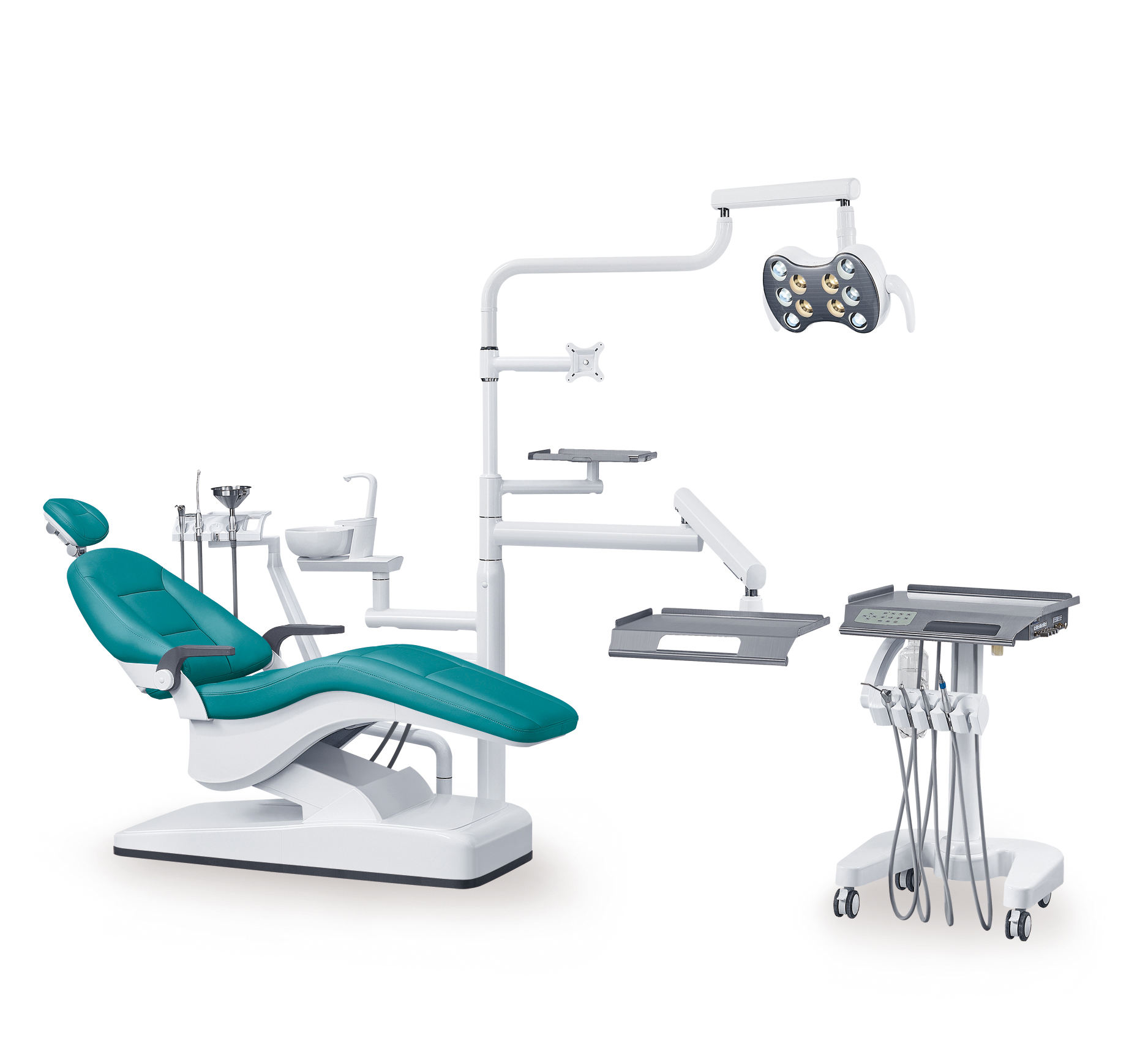
Modern dentistry demands seamless coordination between clinical equipment and diagnostic technology. A dental chair serves as the central hub of any practice, and today's most effective units integrate directly with imaging systems, digital patient records, and treatment planning software. This integration transforms how clinicians work, reducing chair time, improving diagnostic accuracy, and enhancing the overall patient experience. Understanding how a dental chair connects with these tools is essential for practice managers and clinicians evaluating new equipment investments.
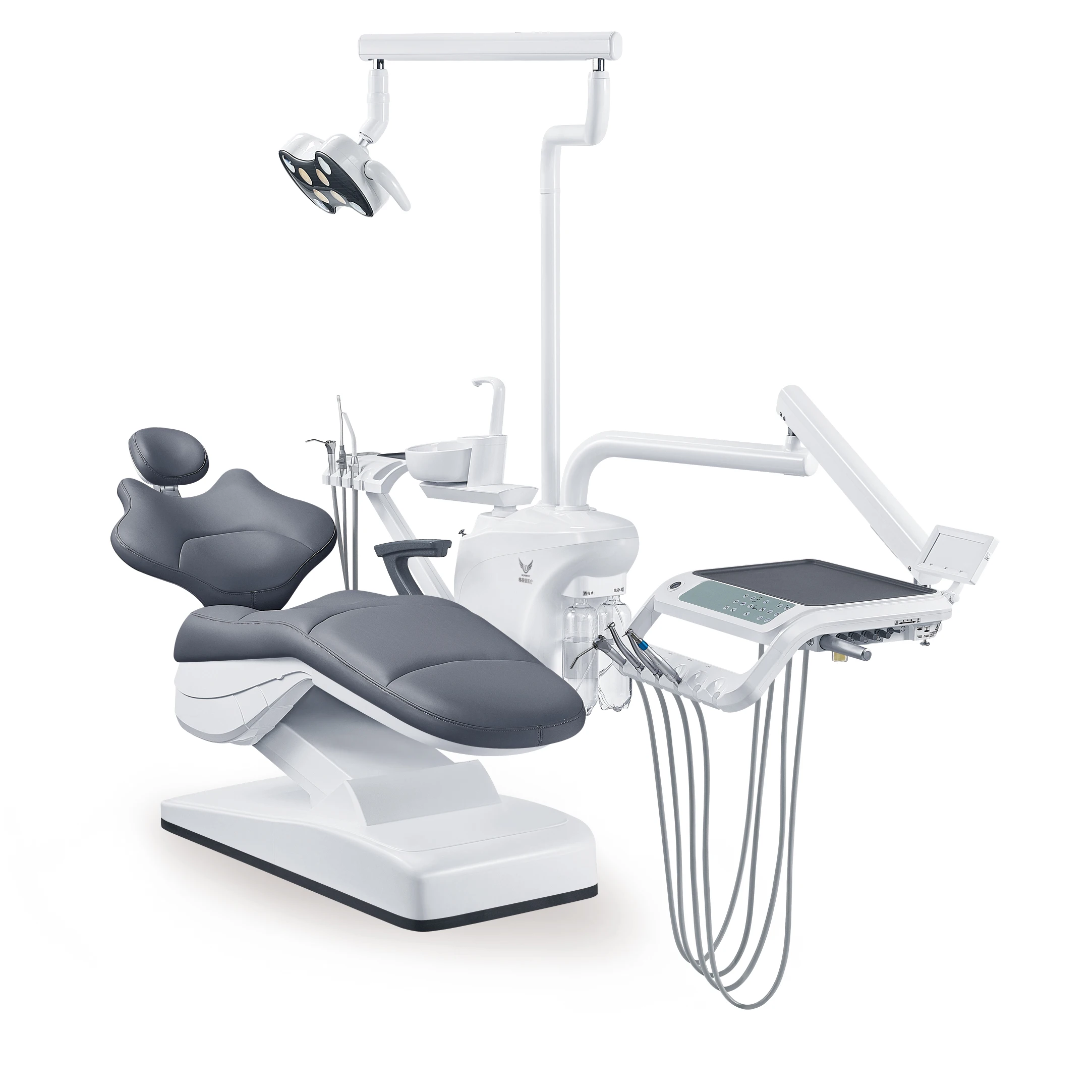
The integration of a dental chair with imaging and digital tools represents a fundamental shift in clinical workflow. Rather than requiring staff to move between multiple stations or manually transfer patient data, an integrated dental chair environment centralizes diagnostics, treatment planning, and documentation. This architectural approach reduces errors, accelerates treatment delivery, and allows clinicians to spend more time focused on patient care rather than administrative tasks or equipment navigation.
How Digital Imaging Connects to Your Dental Chair
Real-Time Imaging Display Integration
A modern dental chair often includes integrated display systems or connectivity ports that allow intraoral and panoramic imaging devices to transmit images directly to chairside monitors. When a dental chair features built-in display capability, clinicians can immediately review radiographs while the patient remains seated. This eliminates the need to step away from the patient, maintains treatment flow, and allows real-time discussion of findings. The dental chair becomes not just a treatment platform but an information center where diagnosis, patient communication, and case planning converge.
Connectivity standards within a modern dental chair typically include HDMI, USB, or wireless protocols that link imaging sensors, intraoral cameras, and digital microscopes. These connections ensure that the dental chair environment supports multiple diagnostic devices without requiring separate workstations. When you invest in a dental chair with robust imaging integration, you reduce physical space requirements and create a more efficient clinical footprint, which is particularly valuable in practices with limited square footage.
Patient Data Synchronization
Integration between a dental chair and digital imaging systems extends to patient record management. Advanced dental chair setups sync imaging data directly to the patient's electronic health record, automatically timestamping and organizing radiographs. A dental chair with this capability eliminates manual image filing, reduces duplicate scans, and ensures that every image links directly to the patient case. Clinicians working from a dental chair equipped with EHR synchronization experience faster access to historical imaging, enabling better longitudinal case analysis and more informed treatment decisions.
Treatment Planning and Case Simulation from the Dental Chair
Digital Workflow Automation
A dental chair integrated with case planning software allows clinicians to design treatment scenarios before patient arrival or during the consultation. When a dental chair includes software connectivity, treatment proposals, fee estimates, and procedural sequencing can be displayed chairside. This transparency helps patients understand their care plan, increases case acceptance, and reduces the back-and-forth communication that slows practices down. The dental chair becomes an educational tool where patients see 3D reconstructions, treatment timelines, and expected outcomes in real time.
Advanced dental chair systems now support virtual treatment simulation, allowing clinicians to preview aesthetic outcomes before beginning restorative work. When a dental chair supports CAD/CAM software integration, crown designs, implant positions, and smile design modifications can be evaluated chairside. This reduces remakes, improves clinical confidence, and enhances patient satisfaction because patients participate in design decisions while seated comfortably in the dental chair. The combination of imaging, simulation software, and chairside display transforms the dental chair into a true treatment planning center.
Automated Appointment and Time Tracking
A dental chair equipped with practice management software integration automatically logs appointment duration, procedure codes, and clinical notes. Many modern dental chair systems trigger automatic timers when a patient is seated, helping practices track productivity and ensure realistic scheduling. When a dental chair integrates with your appointment software, staff can see real-time room status, identify delays, and optimize daily flow. This automation reduces scheduling conflicts and administrative overhead while keeping the dental chair productive throughout operating hours.
Instrument and Tool Accessibility Through Dental Chair Design
Chairside Delivery Systems and Tool Integration
Beyond display and software connectivity, a dental chair's physical design determines how efficiently tools and instruments connect to the chair. Modern dental chairs feature organized handpiece delivery systems, ultrasonic scalers, suction units, and air-water syringes all integrated into a coordinated control panel. A dental chair with ergonomic delivery positioning reduces clinician strain and ensures all instruments remain within arm's reach. When a dental chair includes instrument autoclave compatibility and pre-programmed tool sequences, setup time between appointments drops significantly.
The dental chair's mechanical design also supports integration with auxiliary diagnostic equipment like pulse oximeters, blood pressure monitors, and patient communication systems. A dental chair configured to accept these devices ensures comprehensive patient monitoring without requiring separate stands or awkward cable management. Advanced dental chair models include built-in disinfection systems for handpiece pipelines, enhancing infection control protocols directly within the chair's infrastructure. This integrated approach to tool management makes a dental chair the command center for all clinical activities.
Ergonomic Positioning for Optimal Tool Access
A dental chair with motorized positioning and memory settings allows clinicians to recall optimal positions for specific procedures. When a dental chair includes programmable height, backrest angle, and rotation settings, clinicians minimize repetitive strain injuries and work more efficiently. The dental chair's ability to position instruments, displays, and patient anatomy simultaneously reduces the cognitive load on clinicians, enabling them to focus on clinical skill rather than equipment management. Ergonomic integration within a dental chair design directly impacts clinician productivity and long-term career sustainability.
Patient Communication and Experience Features
In-Chair Patient Education Displays
Many contemporary dental chairs include ceiling-mounted or armrest-integrated displays for patient viewing. When a dental chair features patient communication displays, clinicians can show treatment videos, anatomical animations, or case progress imagery without requiring separate screens. A dental chair with this capability transforms patient perception of treatment, increases informed consent, and reduces anxiety. Patients seated in a dental chair that explains their care experience higher satisfaction and greater willingness to undergo recommended treatment.
Integration between a dental chair's patient display and your practice's digital library creates a cohesive educational environment. When a dental chair system automatically displays relevant patient education content based on the scheduled procedure, staff workload decreases and information delivery becomes standardized. The dental chair's role in patient communication extends beyond clinical support to encompass marketing, education, and patient retention functions.
Enhanced Comfort and Compliance Monitoring
A dental chair integrated with vital sign monitors and comfort sensors provides data that improves patient experiences. When anxiety or physical discomfort registers via sensors built into the dental chair, clinicians can adjust positioning or modify approach accordingly. Modern dental chair systems with patient feedback integration demonstrate genuine concern for comfort, which strengthens patient loyalty. The dental chair's ability to monitor and respond to patient comfort signals creates a more humane and patient-centered clinical environment.
FAQ
What imaging systems are compatible with a modern dental chair?
Most contemporary dental chairs support integration with intraoral cameras, CBCT systems, panoramic units, digital radiography sensors, and microscopic imaging devices through standard connectivity protocols such as HDMI, USB, or wireless transmission. When selecting a dental chair, verify that your preferred imaging equipment has compatible output options. Manufacturers typically provide integration specifications that clarify which dental chair models support your diagnostic devices.
Can an existing dental chair be retrofitted with digital integration features?
Many existing dental chairs can be upgraded with external monitors, wireless connectivity adapters, and software integration modules, though the scope of compatibility depends on the dental chair's age and design. Retrofitting an older dental chair with modern technology often costs less than purchasing new equipment but may not achieve the seamless integration of purpose-built systems. Consulting with your dental chair manufacturer or a qualified dental equipment specialist helps determine whether upgrades make financial sense for your practice.
How does a dental chair with digital integration improve clinical outcomes?
A dental chair that integrates imaging, treatment planning software, and patient communication tools reduces diagnostic errors, accelerates decision-making, and improves case acceptance rates. When clinicians access complete patient information and imaging within the dental chair environment, treatment planning becomes more thorough and efficient. Practices utilizing integrated dental chair systems typically report improved patient satisfaction, reduced remakes, and higher productivity compared to practices using disconnected equipment.