
 EN
EN
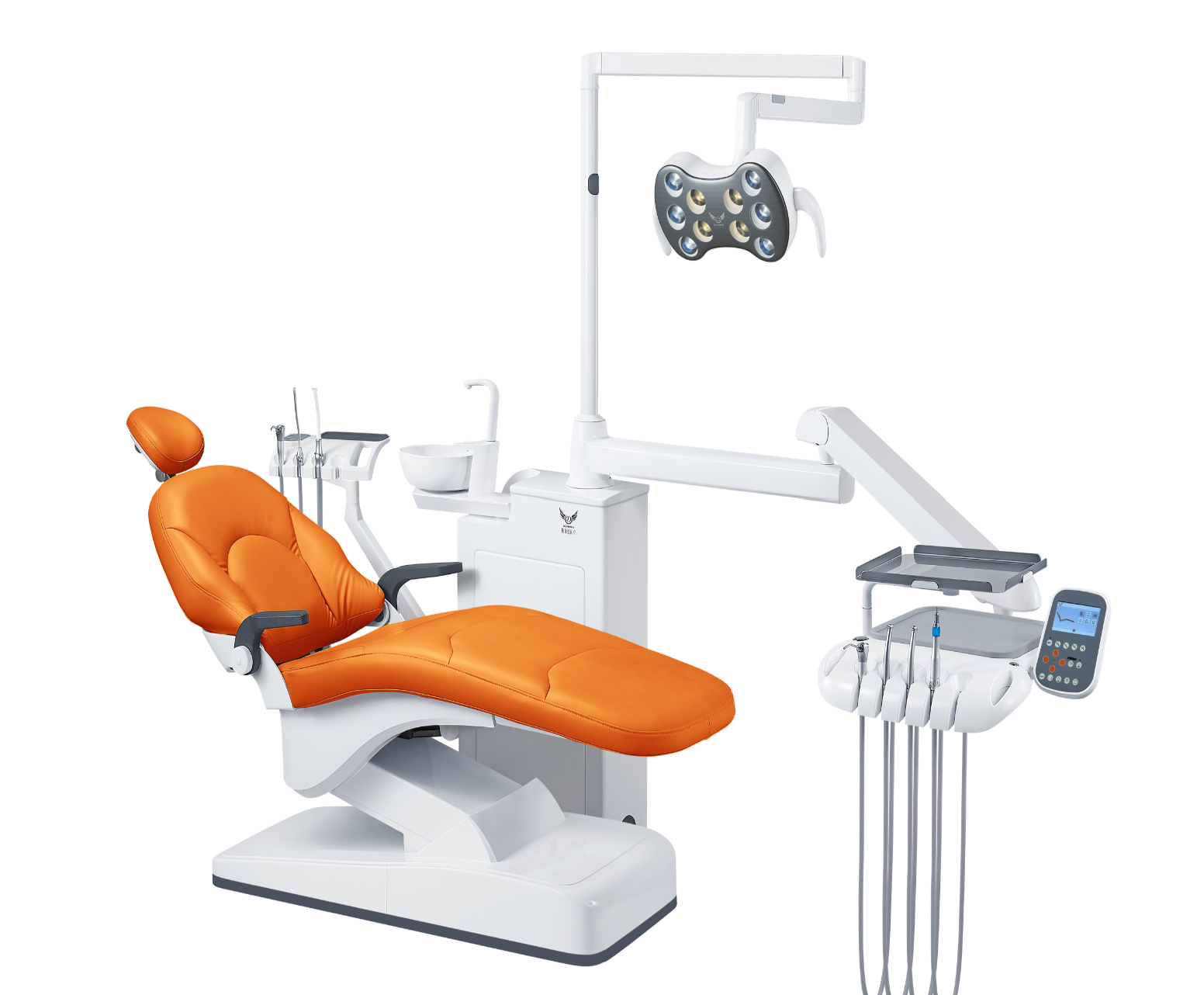
Preventive dental care forms the foundation of modern oral health strategy, and the dental chair plays a central role in delivering effective treatments that keep patients healthy long-term. A well-designed dental chair enables dentists to perform thorough examinations, cleanings, and preventive procedures with precision and comfort. The quality of the dental chair directly impacts the clinician's ability to access patient teeth, maintain proper ergonomic positioning, and provide comprehensive preventive care. Understanding how the dental chair contributes to preventive treatment outcomes helps dental practitioners invest in equipment that genuinely supports patient health goals rather than simply functioning as basic seating.
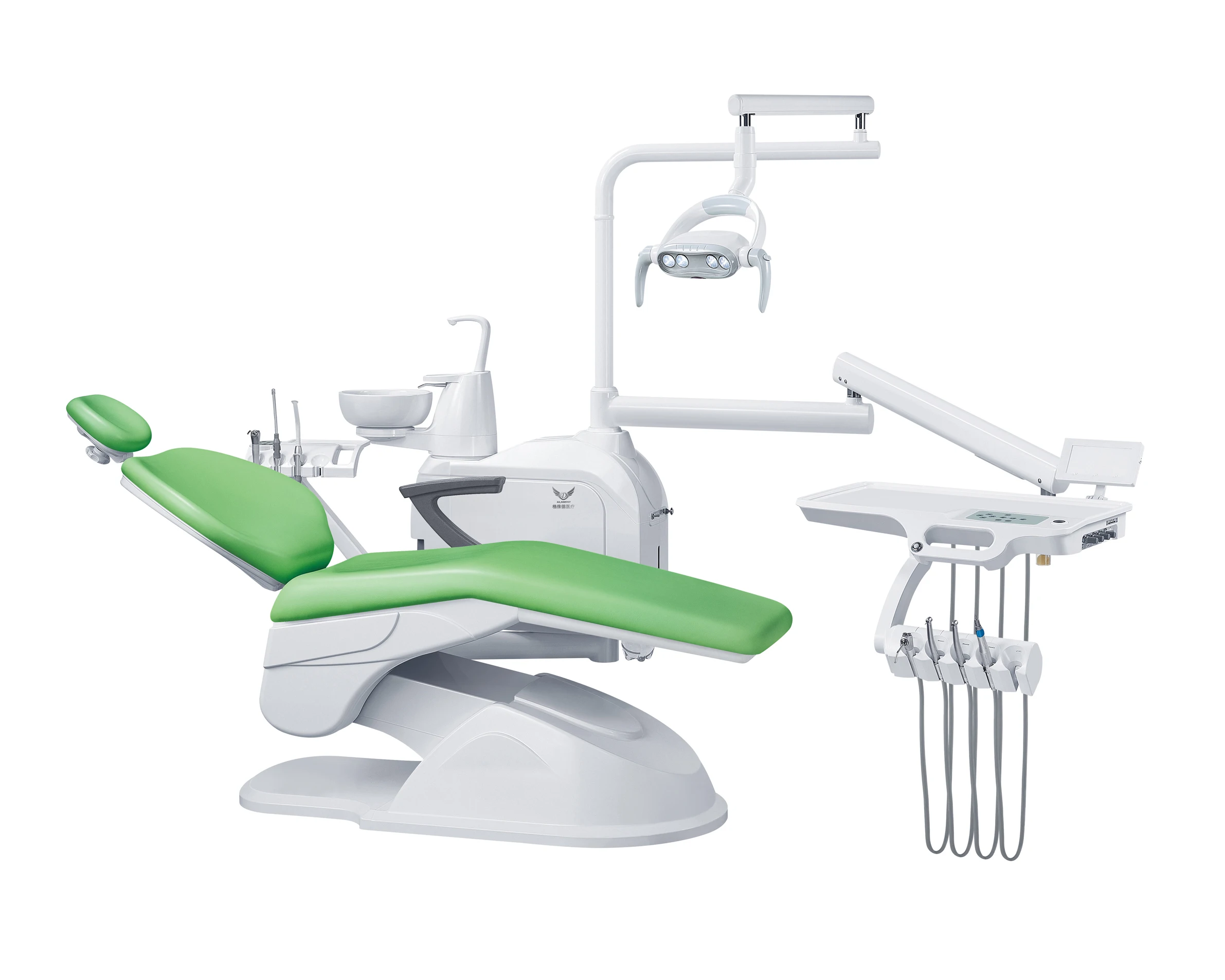
The dental chair serves as the operational hub of preventive dentistry, where patients spend critical minutes receiving cleanings, fluoride treatments, sealant applications, and diagnostic assessments. An effective dental chair combines adjustability, stability, and patient comfort to create an environment where preventive procedures can be executed efficiently. When the dental chair lacks proper support or positioning flexibility, both clinician and patient suffer—the dentist experiences fatigue and reduced treatment accuracy, while the patient feels discomfort and anxiety. Selecting a dental chair that prioritizes preventive care workflow ensures that your practice can deliver the consistent, high-quality treatments that build patient trust and loyalty.
Ergonomic Design and Clinical Access in Preventive Procedures
How Dental Chair Positioning Enables Thorough Preventive Assessment
The dental chair must provide multiple positioning angles to give clinicians unobstructed access to all tooth surfaces during preventive examinations and treatments. A modern dental chair offers smooth, motorized adjustments that allow the clinician to recline the patient to the optimal angle for scaling, polishing, and fluoride application without requiring manual repositioning. When the dental chair lacks sufficient range of motion or smooth adjustability, clinicians waste time making awkward adjustments and compromise their ability to see posterior teeth clearly, potentially missing early-stage cavities or periodontal disease. The dental chair's headrest, backrest, and seat height should work together to position the patient's mouth at the clinician's eye level, reducing strain and improving visibility during critical preventive assessments that form the first line of defense against dental disease.
Patient Comfort and Anxiety Reduction Through Proper Dental Chair Support
Patient anxiety during preventive visits often stems from physical discomfort during extended appointments, and a well-designed dental chair reduces this barrier to consistent care. An ergonomic dental chair distributes patient weight evenly, supports the neck and lower back, and includes armrests that prevent awkward positioning during 30 to 60-minute preventive procedures. Patients who experience comfort in the dental chair are more likely to attend regular preventive appointments, comply with professional cleaning schedules, and follow home care recommendations. The dental chair's cushioning and contoured support directly influence whether patients develop positive associations with preventive care or begin avoiding dental visits due to remembered discomfort. When your practice prioritizes a dental chair that emphasizes patient comfort, you invest in a tool that encourages long-term preventive behavior patterns.
Functional Features That Support Preventive Treatment Delivery
Integrated Lighting and Visibility Within the Dental Chair System
Preventive procedures demand exceptional visibility, and the dental chair must integrate high-quality overhead lighting that illuminates the entire oral cavity without creating shadows or glare. A modern dental chair includes an adjustable light arm with color-accurate LED bulbs that reveal early signs of decay, discoloration, and gum inflammation that require intervention. Poor lighting forces clinicians to rely on supplementary hand-held lights or compensate with guesswork, reducing the accuracy of preventive assessments and allowing treatable conditions to progress. The dental chair's lighting system should coordinate with the patient positioning to ensure consistent illumination regardless of mouth opening or patient size. Investing in a dental chair with integrated superior lighting enhances the detection rate of preventive concerns and demonstrates your commitment to thorough preventive care.
Suction Capability and Workflow Efficiency in the Dental Chair
Effective preventive procedures like scaling and polishing generate saliva and water spray that must be quickly removed to maintain visibility and patient comfort throughout treatment. The dental chair must feature a reliable suction system that removes moisture efficiently without creating excessive noise or vibration that increases patient anxiety. A dental chair with poor suction capability forces clinicians to interrupt procedures for manual drying, extending treatment time and reducing the quality of preventive care delivery. High-volume, quiet suction integrated into the dental chair structure allows clinicians to maintain continuous visibility and work at a steady pace that keeps patients calm and appointment times predictable. When selecting a dental chair for your preventive practice, verify that suction power and noise levels meet clinical standards for extended preventive sessions.
Building a Preventive Care Culture Through Equipment Investment
Dental Chair Investment as a Signal of Preventive Commitment
Patients recognize when a dental practice prioritizes preventive care, and the quality of the dental chair sends a powerful message about your facility's standards. A modern, well-maintained dental chair indicates investment in patient experience and clinical excellence, building confidence that preventive treatments will be performed to the highest standards. Patients comparing dental practices evaluate not just reputation but also the condition of clinical equipment, and a professional-grade dental chair demonstrates that your practice takes preventive dentistry seriously. The dental chair is often the first piece of equipment patients interact with, and this initial impression influences their perception of the entire preventive care experience. By selecting a dental chair that combines function with contemporary design, you create an environment that attracts patients seeking serious, evidence-based preventive care.
Reducing Clinician Fatigue to Sustain Preventive Care Excellence
Preventive dentistry requires sustained focus and precision from clinicians, and an ergonomically poor dental chair accelerates fatigue and reduces treatment quality over multiple patient appointments. A supportive dental chair reduces physical strain on the clinician's back, neck, and arms, allowing consistent high-quality preventive procedures throughout the day without compromising accuracy. When clinicians experience chronic discomfort from poorly designed dental chair systems, they become less enthusiastic about thorough preventive assessments and may rush through treatments to minimize personal discomfort. Selecting a dental chair designed with clinician ergonomics in mind supports both patient outcomes and staff retention, as team members remain engaged and capable of delivering excellent preventive care consistently. The dental chair investment yields returns not only in patient satisfaction but also in staff wellbeing and practice sustainability.
FAQ
What specific features should I prioritize when selecting a dental chair for preventive care?
When choosing a dental chair for preventive treatment focus, prioritize smooth motorized adjustability, integrated high-quality LED lighting, reliable suction capability, excellent patient cushioning and support, and responsive foot controls. The dental chair should allow easy positioning for all areas of the mouth, maintain patient comfort during extended preventive appointments, and include noise-dampening features that reduce anxiety. Verify that the dental chair integrates seamlessly with your suction system and that all adjustment mechanisms operate reliably without lag or stuttering, which would interrupt the flow of preventive procedures.
How does proper dental chair positioning improve preventive treatment outcomes?
Proper dental chair positioning places the patient's mouth at the clinician's eye level and chest height, eliminating neck strain and providing clear sightlines to all tooth surfaces during preventive assessments. When the dental chair positions the patient correctly, clinicians can spend more time observing and treating rather than adjusting positioning, improving the thoroughness and accuracy of preventive care. Correct dental chair positioning also reduces patient head movement and mouth opening fatigue, allowing patients to remain still and comfortable throughout longer preventive appointments, which enhances procedure success rates.
Can a high-quality dental chair reduce patient anxiety during preventive appointments?
Yes, a well-designed dental chair significantly reduces patient anxiety by providing physical comfort, smooth adjustments without jerky movements, quiet operation, and supportive positioning that makes patients feel secure during preventive procedures. When the dental chair responds quickly to control inputs and maintains stable positioning, patients feel less vulnerable and more confident in the clinician's control. Additionally, a comfortable dental chair encourages patients to keep preventive appointments consistently, building positive associations with dental care that further reduce anxiety over time.