
 EN
EN
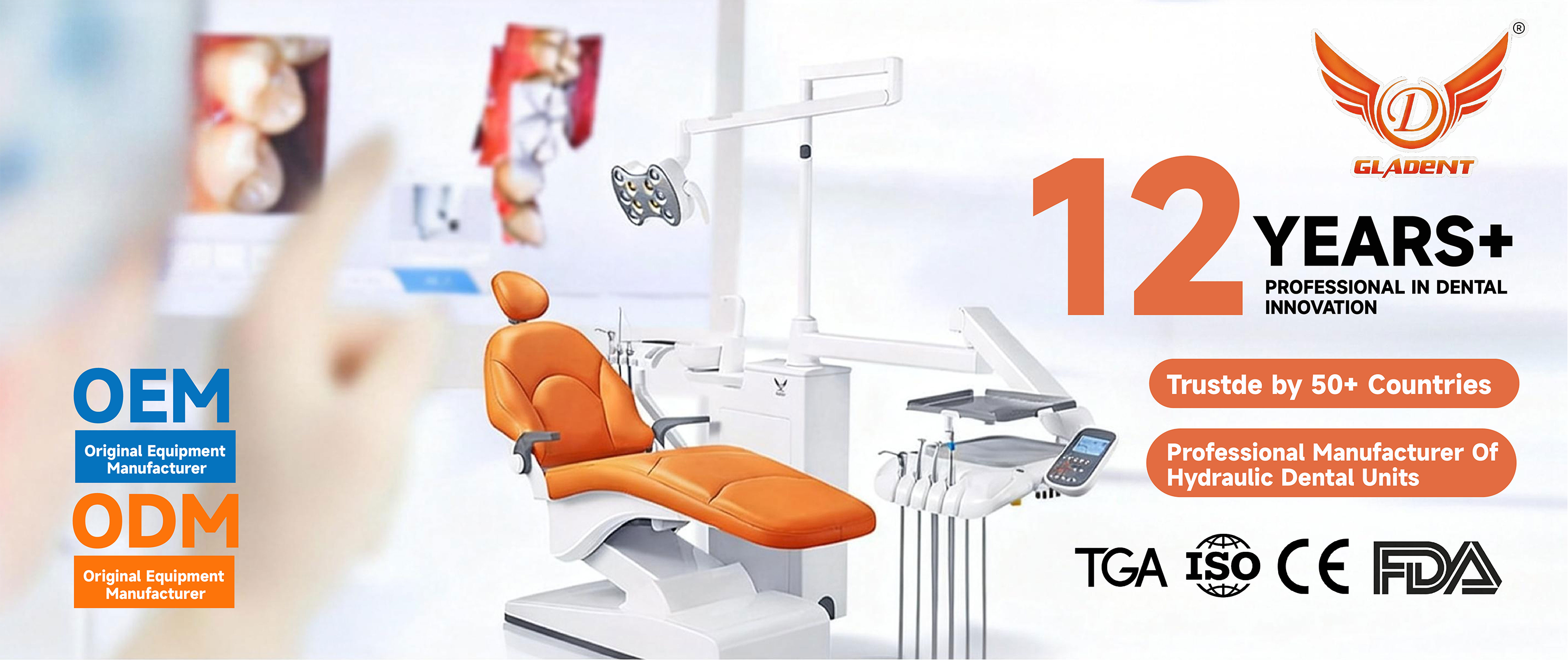
A high-quality dental chair is the foundation of a comfortable, productive dental practice. When your entire team—dentists, hygienists, and assistants—spends hours each day working in close proximity to patients, the ergonomic design of your dental chair directly impacts their health, efficiency, and job satisfaction. An inferior dental chair leads to chronic back pain, neck strain, repetitive stress injuries, and reduced clinical output. Conversely, a well-designed dental chair with proper ergonomic features protects your team's long-term health while enabling faster, more accurate procedures.
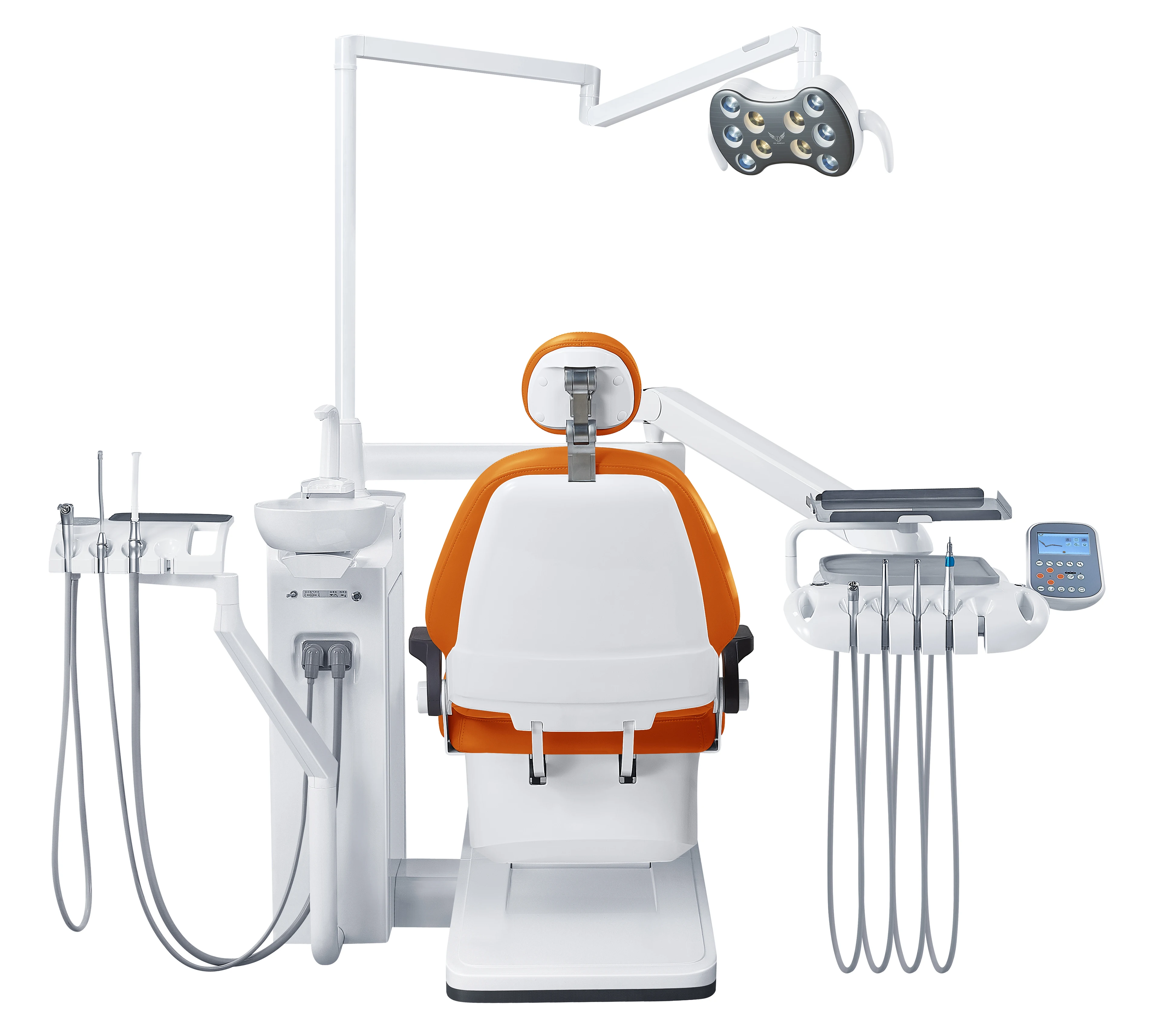
The best dental chair combines operator comfort with patient accessibility, positioning flexibility, and intuitive controls. Modern dental practices recognize that investing in a dental chair with superior ergonomic features is not a luxury but a necessity. This article explores the critical ergonomic features you should prioritize when selecting or upgrading your dental chair to ensure your team works safely and effectively.
Operator Positioning and Mobility in Your Dental Chair
Seat Height and Depth Adjustment
The dental chair seat height must be fully adjustable to accommodate operators of different body sizes and allow proper positioning relative to the patient. A quality dental chair should offer smooth, pneumatic seat height adjustment that allows operators to reach all quadrants of the patient's mouth without leaning, bending, or twisting their spine. Adequate seat depth is equally important—your dental chair should have a cushioned seat that supports the thighs without pressing behind the knees. This prevents circulation restriction and reduces lower back strain during long procedures. Many practices overlook seat depth, but a properly sized dental chair seat depth allows operators to maintain neutral spine posture throughout the workday.
Backrest Support and Lumbar Design
The backrest of your dental chair must provide firm lumbar support to maintain the natural curve of the lower spine. Look for a dental chair with an anatomically contoured backrest that adapts to different spinal shapes and sizes. The backrest angle should be adjustable so operators can recline slightly—typically 100 to 110 degrees—to reduce strain on the lower back during procedures. A well-designed dental chair backrest prevents the slouching that leads to cumulative spinal stress. Some advanced dental chair models include memory settings that save personalized backrest positions, allowing each team member to instantly adjust the dental chair to their optimal settings when they sit down.
Footrest, Armrests, and Positioning Control
Footrest Design and Leg Support
A quality dental chair must include a footrest that positions the feet flat and parallel to the floor, with knees bent at approximately 90 degrees. This posture distributes weight evenly and prevents leg and foot fatigue. Your dental chair footrest should be wide enough to accommodate different shoe sizes and positioned to encourage neutral ankle alignment. Some dental chair models feature adjustable footrests that slide forward and back, allowing operators to fine-tune their leg position based on the procedure and their body geometry. Proper foot positioning through a well-designed dental chair footrest reduces pressure on the lower limbs and supports stable, balanced seating throughout extended clinical sessions.
Armrest Positioning and Support
Adjustable armrests on your dental chair are essential for supporting the upper arms and shoulders, which otherwise bear unnecessary tension during instrumentation. The best dental chair features removable or swing-away armrests that provide support without interfering with patient access or operator movement. Armrests on your dental chair should be adjustable in height and width to accommodate different arm lengths and procedural requirements. A properly positioned dental chair armrest reduces shoulder strain, decreases arm fatigue, and improves fine motor control during delicate procedures. Additionally, a quality dental chair may include articulating armrests that move with the operator, maintaining support throughout the procedure without restricting natural movement.
Mobility, Control Interface, and Team Accessibility
Smooth 360-Degree Rotation and Intuitive Controls
Your dental chair must rotate smoothly 360 degrees to allow operators to access different areas of the patient's mouth and reach instruments without excessive reaching or repositioning. The dental chair should feature a low-effort foot pedal or electronic control system that allows seamless height and angle adjustments without interrupting the procedure. Look for a dental chair with intuitive, centralized controls—ideally accessible by foot or voice activation—so operators never need to reach awkwardly or use their hands. Smooth mobility and responsive controls in your dental chair minimize unnecessary movements, reduce operator fatigue, and allow teams to work more efficiently throughout the day.
Team Coordination and Shared Settings
In multi-operator practices, your dental chair should support quick transitions between team members. Memory functions on your dental chair allow each dentist, hygienist, and assistant to save personalized seat height, backrest angle, and armrest positions. When a new operator sits in the dental chair, they can instantly return to their optimal ergonomic setup with a single button press, eliminating the need for manual micro-adjustments that consume time and create minor strain. This feature dramatically improves team efficiency and ensures that every member of your practice benefits from a properly positioned dental chair tailored to their unique body dimensions. Advanced dental chair systems may include automatic position recall, making your dental chair a truly collaborative tool.
Cushioning, Materials, and Long-Term Comfort
Seat and Backrest Cushioning Quality
The cushioning material in your dental chair directly affects comfort during extended use. High-density foam with memory properties provides superior support compared to cheap foam that compresses and loses shape over time. Your dental chair cushions should be thick enough to prevent bottoming out—where the operator feels the hard frame beneath—while remaining firm enough to support proper posture. Premium dental chair models use medical-grade cushioning that resists bacterial growth and maintains consistent support for years. Well-cushioned dental chair seating reduces pressure points, improves circulation, and prevents the chronic discomfort that leads to employee fatigue and reduced productivity. Regularly inspect your dental chair cushioning; compressed or flattened cushions are a clear sign of insufficient support and a reason to consider upgrading.
Upholstery and Hygiene Considerations
Your dental chair upholstery must be cleanable, stain-resistant, and antimicrobial to maintain team hygiene and prevent cross-contamination. Modern dental chair materials include ultra-smooth vinyl or polyurethane that resists fluid absorption and allows thorough disinfection between patients. Some advanced dental chair models feature integrated disinfection systems that automatically clean the seating surfaces. Choosing a dental chair with easy-to-clean upholstery protects your team's health, extends equipment life, and demonstrates commitment to infection control. Poor upholstery quality in an older dental chair can harbor bacteria and compromise the hygiene of your entire practice, making material selection a critical ergonomic and safety consideration.
FAQ
What is the ideal height range for a dental chair?
A quality dental chair should adjust from approximately 17 inches to 25 inches in seat height, allowing operators of varying stature to position their eyes at the correct working distance—typically 12 to 16 inches from the patient's oral cavity. The dental chair seat height should enable the operator's elbows to rest at 90 degrees while their arms are relaxed at their sides, creating an ergonomic working posture that minimizes strain and maximizes procedural precision.
How does a dental chair improve team productivity?
An ergonomically optimized dental chair reduces operator fatigue, minimizes unnecessary repositioning, and allows faster patient transitions through memory settings. When your dental chair supports proper posture and positioning, your team can maintain focus and precision throughout the day, complete procedures more efficiently, and experience less end-of-day pain. A well-designed dental chair also reduces staff turnover by protecting long-term musculoskeletal health, directly impacting your practice's operational continuity and profitability.
Can an older dental chair be retrofitted with ergonomic improvements?
While some components like armrests or cushions can be upgraded or replaced, a fully ergonomic dental chair is engineered as an integrated system. Retrofitting an older dental chair often proves costly and yields only partial improvements, whereas a modern dental chair with factory-integrated ergonomic features provides superior support, durability, and team benefits. For practices with multiple operatories, upgrading to contemporary dental chair models in key treatment rooms is often more cost-effective than attempting to rehabilitate aging equipment.