
 EN
EN
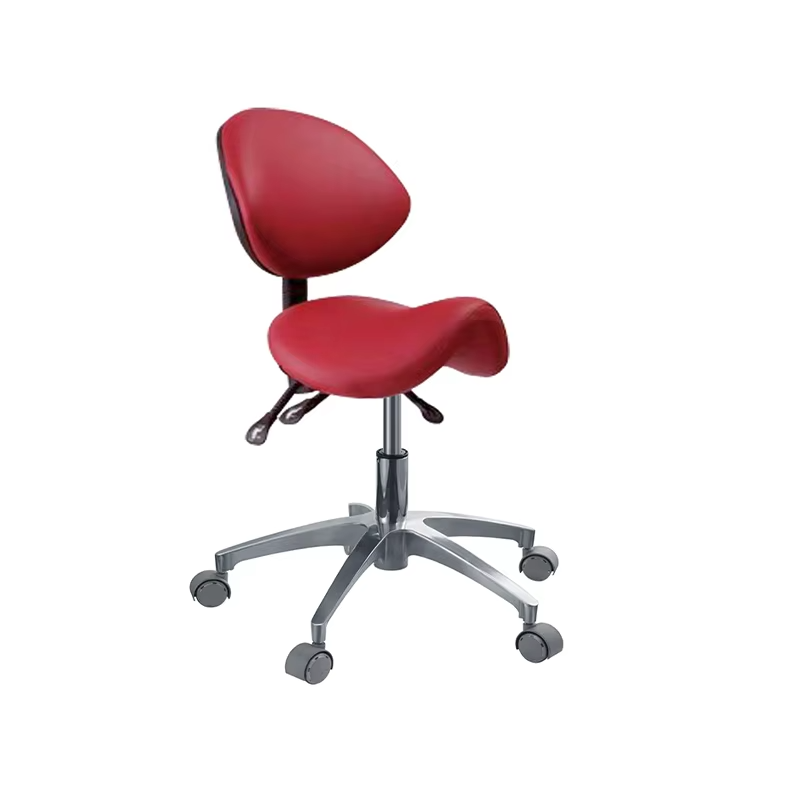
Selecting the right dental instrument tools for your practice requires careful evaluation of multiple performance and ergonomic factors. The quality of your dental stool and related dental instrument tools directly impacts clinical efficiency, staff comfort, and patient care outcomes. Dentists and practice managers must understand which dental instrument tools features deliver measurable value in daily operations, from height adjustability to material durability and support mechanisms.
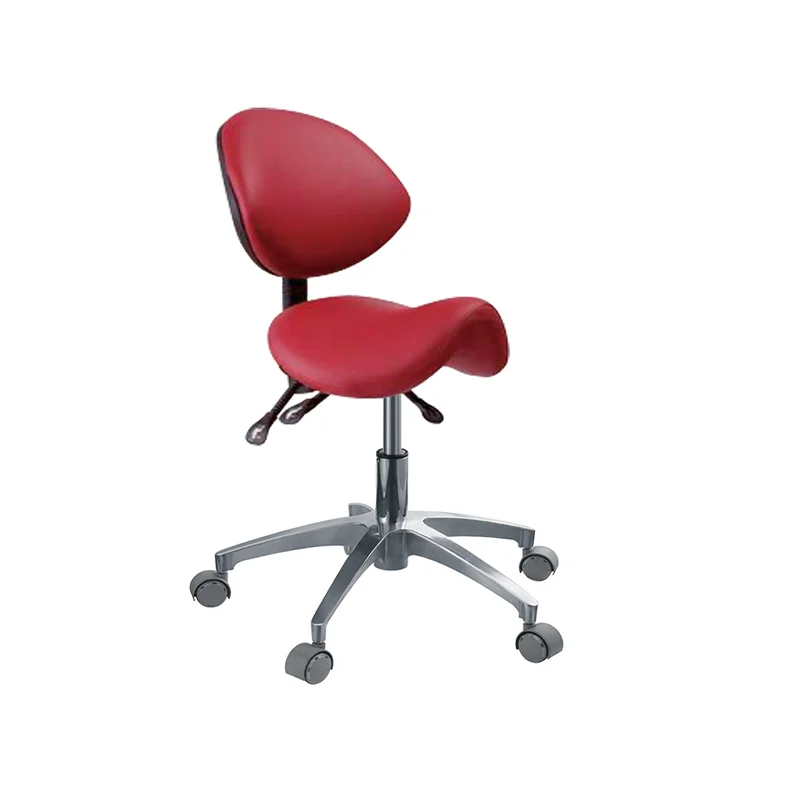
A comprehensive dental stool serves as a foundational element of your practice infrastructure, supporting long procedures with proper lumbar alignment and movement capability. Evaluating dental instrument tools requires understanding how seat design, base stability, and positional flexibility contribute to preventing operator fatigue and repetitive strain injuries. This guide explores the critical features dentists should prioritize when choosing dental instrument tools that enhance both clinical performance and workplace wellness.
Ergonomic Design and Adjustability in Dental Instrument Tools
Height and Seat Positioning for Dental Instrument Tools
Height adjustability stands as a fundamental feature in quality dental instrument tools selection. Your dental stool must accommodate operators of varying heights while enabling proper patient visibility and access during procedures. Pneumatic adjustment mechanisms in modern dental instrument tools allow seamless height modification without interrupting your workflow, ensuring you maintain optimal positioning throughout extended treatment sessions. The range of adjustment in dental instrument tools directly influences whether your team can achieve neutral spine alignment and reduce fatigue-related complications.
Proper seat depth in dental instrument tools supports consistent leg circulation and reduces pressure on the back of your thighs during long appointments. A contoured seat surface in dental instrument tools distributes weight evenly across the sitting area, minimizing stress concentration points that lead to discomfort. When evaluating dental instrument tools, confirm that seat dimensions accommodate your team members comfortably while maintaining proper posture relative to patient chair height and treatment surfaces.
Lumbar Support and Spinal Alignment Features
Integrated lumbar support in dental instrument tools prevents the slouching and forward-leaning postures that characterize problematic clinical positioning. Quality dental instrument tools feature anatomically shaped backrests that maintain the natural curve of your spine, reducing cumulative strain on intervertebral discs and supporting muscles. Your choice of dental instrument tools with proper lumbar support systems correlates directly with reduced musculoskeletal complaints among dental staff. The backrest angle in dental instrument tools should provide support without restricting your ability to pivot or rotate during intricate procedures requiring specific angular approaches.
Memory foam or gel inserts in premium dental instrument tools offer adaptive support that responds to individual body contours and pressure patterns. Testing how dental instrument tools backrests perform during actual clinical movements ensures your selected models maintain support during the dynamic motions required throughout treatment days. Adjustable lumbar supports in dental instrument tools allow customization for different team members with varying spinal needs and body shapes.
Mobility and Base Stability Features in Dental Instrument Tools
Caster Quality and Movement Control
High-quality casters represent essential components in functional dental instrument tools that enable smooth, controlled movement across clinical spaces. Your dental stool's caster wheels must roll smoothly on varied flooring types while providing responsive directional control without requiring excessive physical effort. Dental instrument tools with dual-lock casters offer security during procedures while maintaining mobility when you need to reposition. The material composition of casters in dental instrument tools affects both movement quality and longevity in demanding clinical environments with frequent floor cleaning protocols.
Evaluating dental instrument tools casters involves assessing their stability on inclines and resilience against wear from constant repositioning. Premium dental instrument tools feature casters engineered to prevent drift or unintended rolling that compromises your positioned access to treatment areas. The wheel diameter and bearing quality in dental instrument tools directly influence how smoothly you transition between different patient chairs and work stations.
Base Structure and Rotational Capability
A wide, stable base in dental instrument tools provides the foundational support necessary for safe positioning and dynamic movement during procedures. Five-point or multi-point bases in quality dental instrument tools distribute weight evenly and resist tipping when you shift position to access different areas of the oral cavity. Your dental stool's rotational capability represents another key feature in dental instrument tools that enables 360-degree positioning without leaving your seated position, improving efficiency and reducing fatigue from constant repositioning. The base material in dental instrument tools should resist corrosion from moisture exposure and cleaning chemicals common in dental settings.
Testing the rotational smoothness of dental instrument tools ensures effortless transitions without friction resistance that requires compensatory physical effort. Heavy-gauge materials in dental instrument tools bases provide durability and prevent flexing or vibration during extended clinical use. The overall stability of dental instrument tools bases determines how confidently you can shift weight and reposition without security concerns.
Material Quality and Durability Features
Upholstery Material and Maintenance Considerations
Antimicrobial upholstery treatments in dental instrument tools protect against bacterial colonization and simplify infection control protocols. Your choice of dental instrument tools with seamless or welded upholstery surfaces prevents debris accumulation and enables thorough disinfection between patients. Medical-grade vinyl and synthetic fabrics used in premium dental instrument tools resist staining from disinfectants and maintain appearance despite frequent cleaning. The durability of upholstery materials in dental instrument tools directly impacts long-term value and professional appearance of your clinical environment.
Stain-resistant properties in dental instrument tools upholstery materials reduce maintenance burden and preserve aesthetic quality over extended service periods. Evaluating dental instrument tools options should include confirming compatibility with standard dental disinfectants and sterilization approaches used in your practice. UV-resistant upholstery in dental instrument tools maintains color consistency and prevents degradation from exposure to overhead operatory lighting.
Frame Durability and Component Longevity
Steel or aluminum frames in quality dental instrument tools provide structural integrity that withstands daily clinical demands without bending or misalignment. The welding quality and joint construction in dental instrument tools frames determine resistance to vibration-induced loosening and structural fatigue. Your investment in robust dental instrument tools frames reduces replacement frequency and maintains consistent performance throughout extended equipment lifespan. Metal alloy selections in premium dental instrument tools resist rust formation even in humidity-rich dental environments with moisture and chemical exposure.
Pneumatic cylinder quality in dental instrument tools affects height adjustment responsiveness and pressure-holding reliability over thousands of usage cycles. Testing the dental instrument tools cylinder performance ensures consistent behavior and prevents slow descent or instability during clinical procedures. Sealed bearing components in dental instrument tools casters and swivel joints extend equipment lifespan by protecting against wear and contamination.
FAQ
What specific adjustments should dental instrument tools provide for multiple operators?
Quality dental instrument tools must offer height range spanning approximately 16 to 22 inches to accommodate diverse team member proportions and preferences. Rotational capabilities, armrest adjustments, and backrest angle modifications in dental instrument tools enable personalized configuration for different users. When dental instrument tools include memory presets or rapid adjustment mechanisms, team members can quickly customize seating without disrupting clinical workflows or patient care continuity.
How frequently do dental instrument tools require maintenance and servicing?
Professional-grade dental instrument tools typically require routine cleaning and disinfection between patients according to standard dental infection control protocols. Annual inspections of dental instrument tools mechanical components, pneumatic cylinders, and structural integrity help identify wear patterns before functional failure occurs. Preventive maintenance of dental instrument tools including caster replacement and upholstery treatment extends equipment lifespan and maintains optimal performance, typically yielding 8 to 10 years of reliable service with proper care.
Can dental instrument tools improve treatment outcomes and patient satisfaction?
Ergonomic dental instrument tools reduce operator fatigue and physical strain, enabling clinicians to maintain focus and precision throughout demanding procedures affecting treatment quality. Patient comfort benefits from dentists who maintain optimal positioning through quality dental instrument tools support, as proper operator ergonomics translate to steadier hands and fewer adjustment movements. Practices investing in superior dental instrument tools report improved staff retention, reduced sick leave related to musculoskeletal complaints, and enhanced overall practice efficiency.