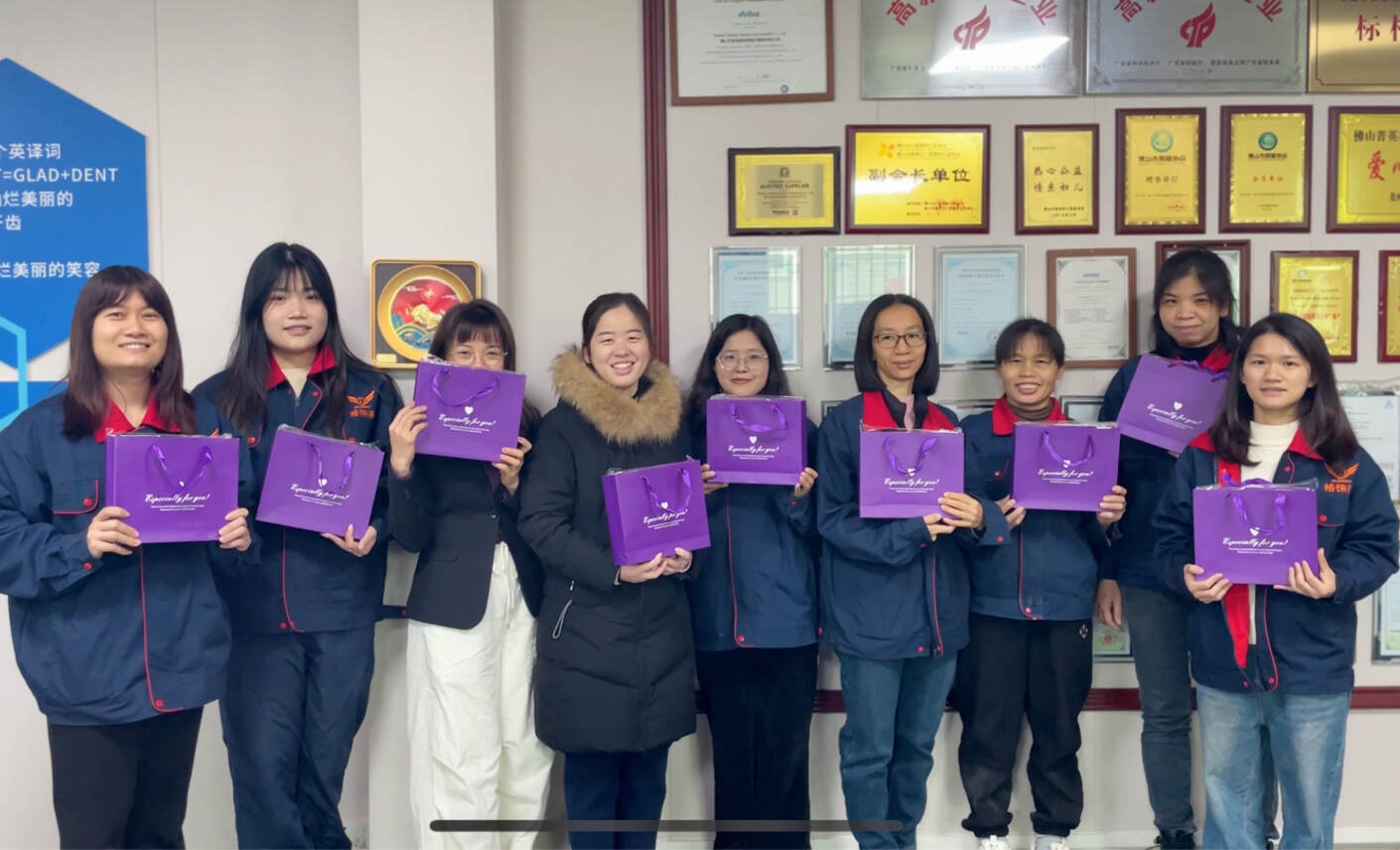
modern dental unit
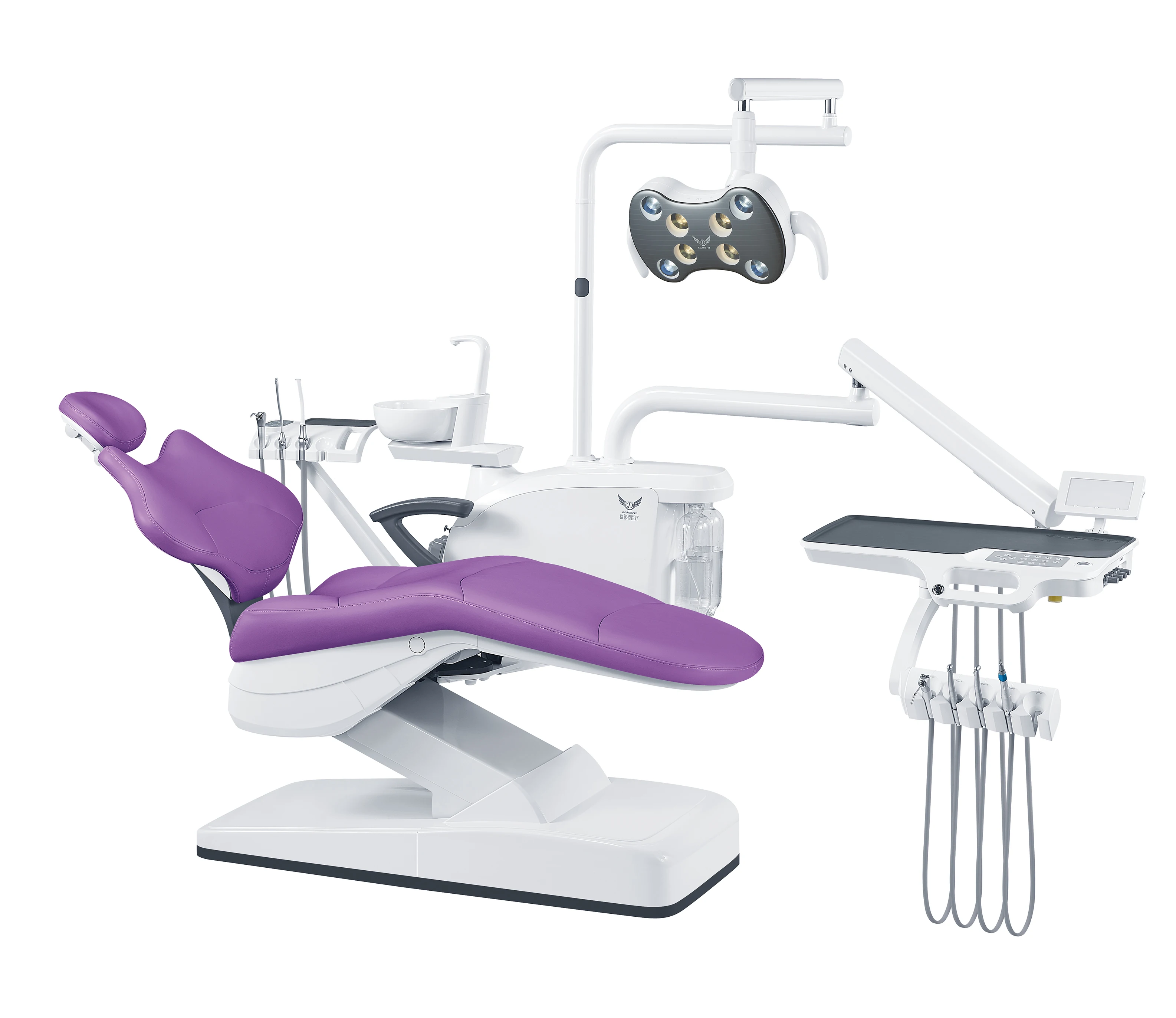
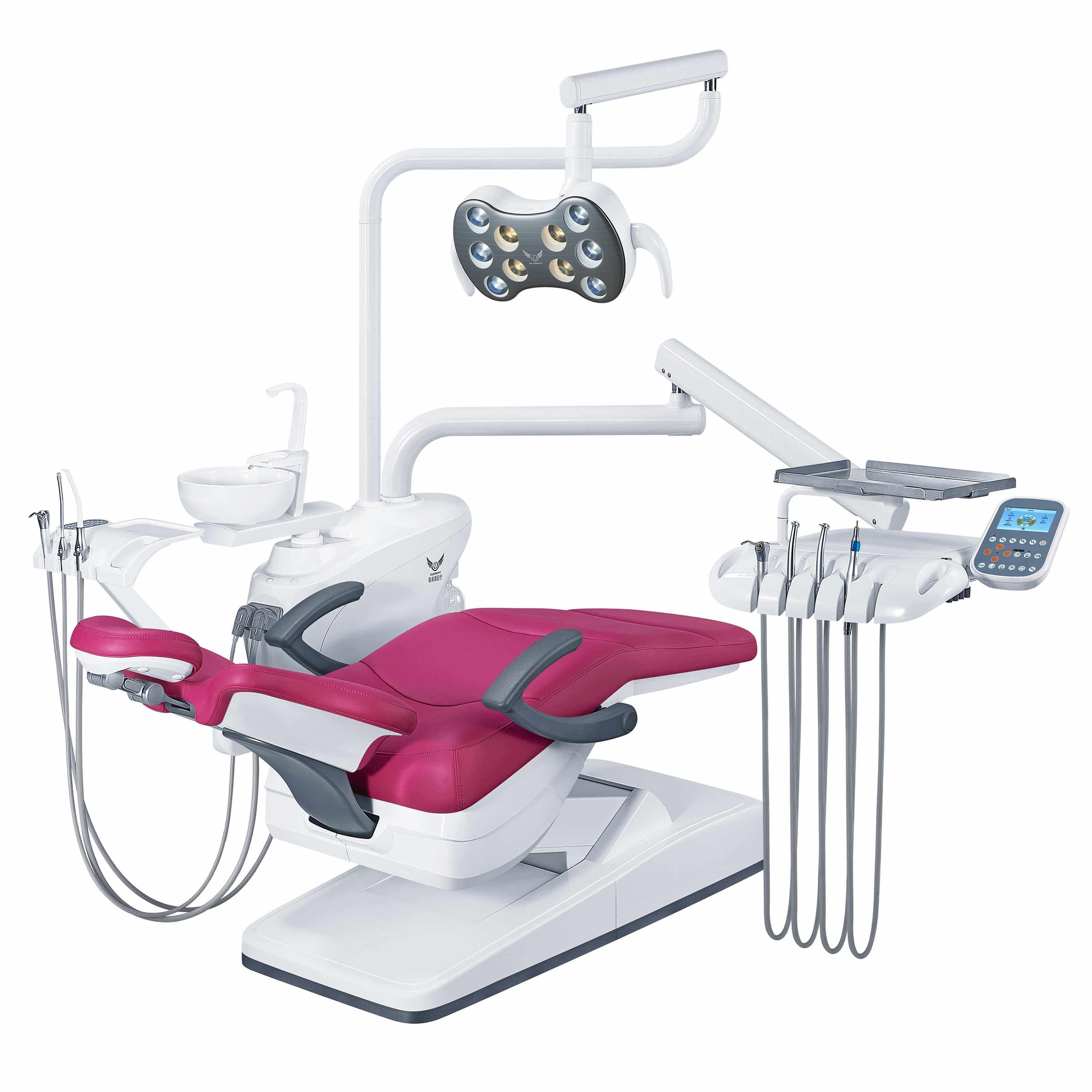
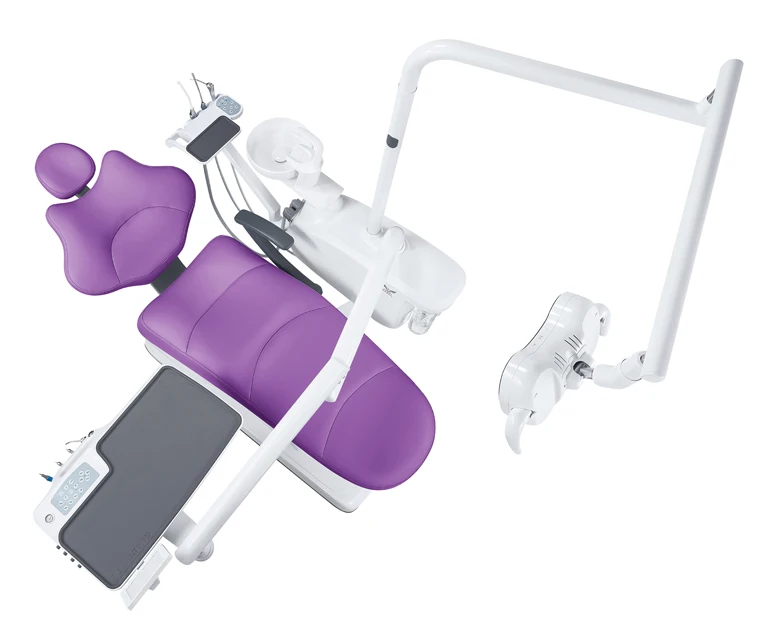
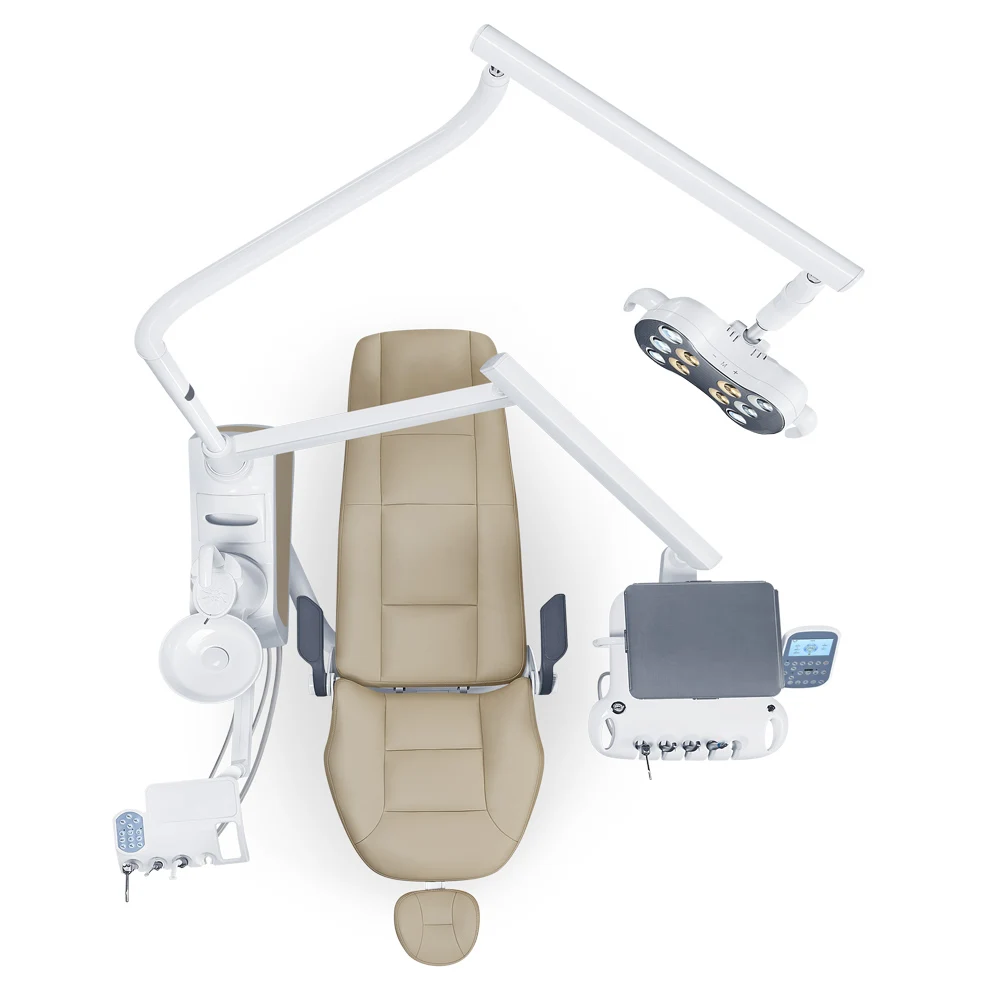
The modern dental unit represents a significant advancement in oral healthcare technology, serving as the central workstation where dentists perform examinations, treatments, and surgical procedures. This sophisticated equipment integrates multiple components into a cohesive system designed to enhance clinical efficiency and patient comfort. At its core, the modern dental unit combines an adjustable patient chair, operator and assistant delivery systems, dental light, cuspidor, and various instrument attachments into one streamlined configuration. The main functions of a modern dental unit encompass patient positioning through electronically controlled chair movements, providing water and air supply for handpieces, enabling suction capabilities for saliva and debris removal, and delivering compressed air for dental instruments. Technological features include programmable chair positions that allow practitioners to save preferred settings for different procedures, LED lighting systems that provide shadow-free illumination with adjustable intensity and color temperature, touchscreen control panels for intuitive operation, and integrated imaging systems that can display radiographs and intraoral camera feeds. Many contemporary units incorporate advanced hydraulic or electromechanical systems that ensure smooth, quiet operation while maintaining precise positioning capabilities. The applications of modern dental units span general dentistry, orthodontics, endodontics, periodontics, and oral surgery, making them indispensable across all dental specialties. These units facilitate everything from routine cleanings and examinations to complex restorative procedures and surgical interventions. The ergonomic design principles embedded in modern dental units prioritize both practitioner and patient wellbeing, reducing physical strain on dental professionals during extended procedures while ensuring patient relaxation through comfortable positioning and amenities. Furthermore, modern dental units often feature antimicrobial surfaces, streamlined designs that minimize crevices where contaminants could accumulate, and integrated infection control systems that maintain sterile water lines, all contributing to enhanced safety standards in dental practices.
 EN
EN


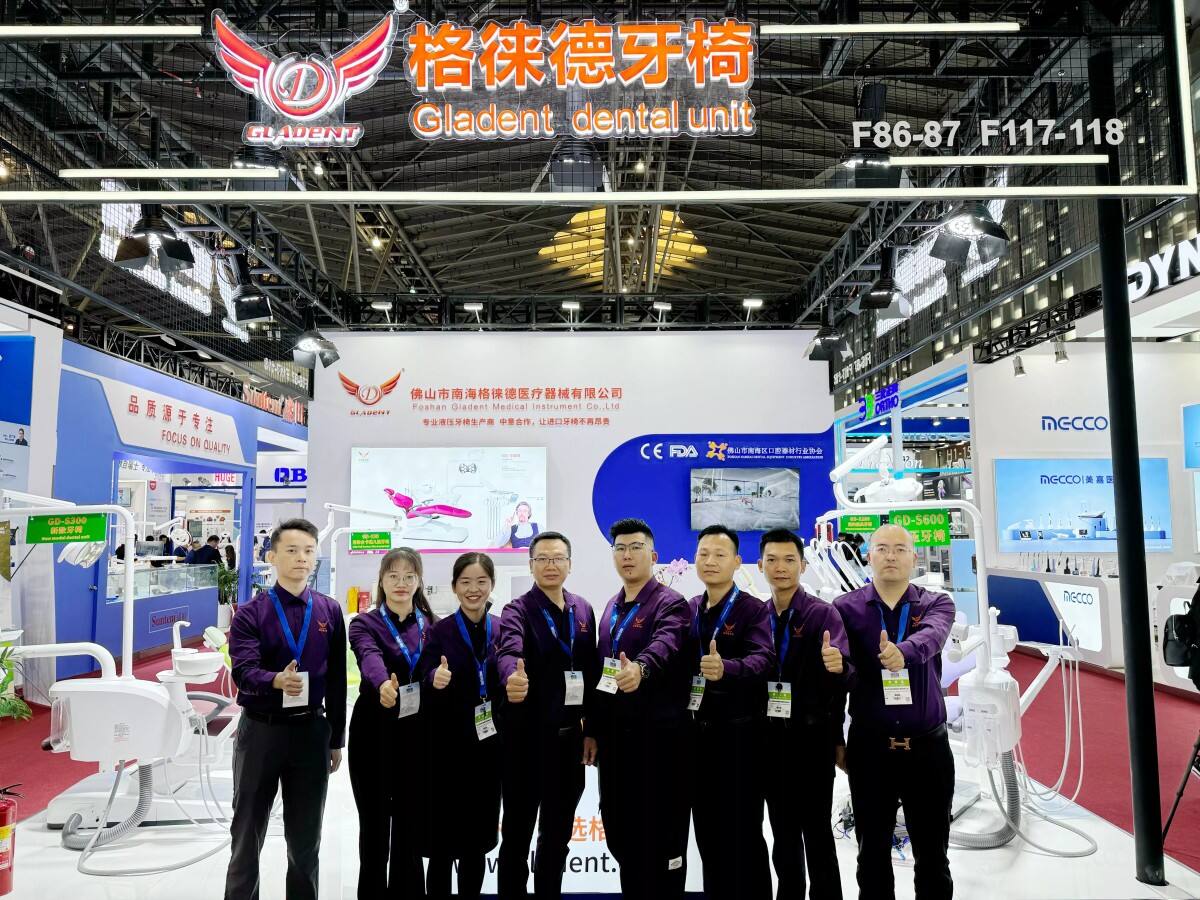
![Innovation Journey - GLADENT Dental Chairs: [The 30th South China International Dental Exhibition 2025 Concludes Successfully]](https://shopcdnpro.grainajz.com/category/19383/3803/616cc2b5bdfecec5e7c5b6aa95e40d84/%E5%BE%AE%E4%BF%A1%E5%9B%BE%E7%89%87_20250826164700.jpg)