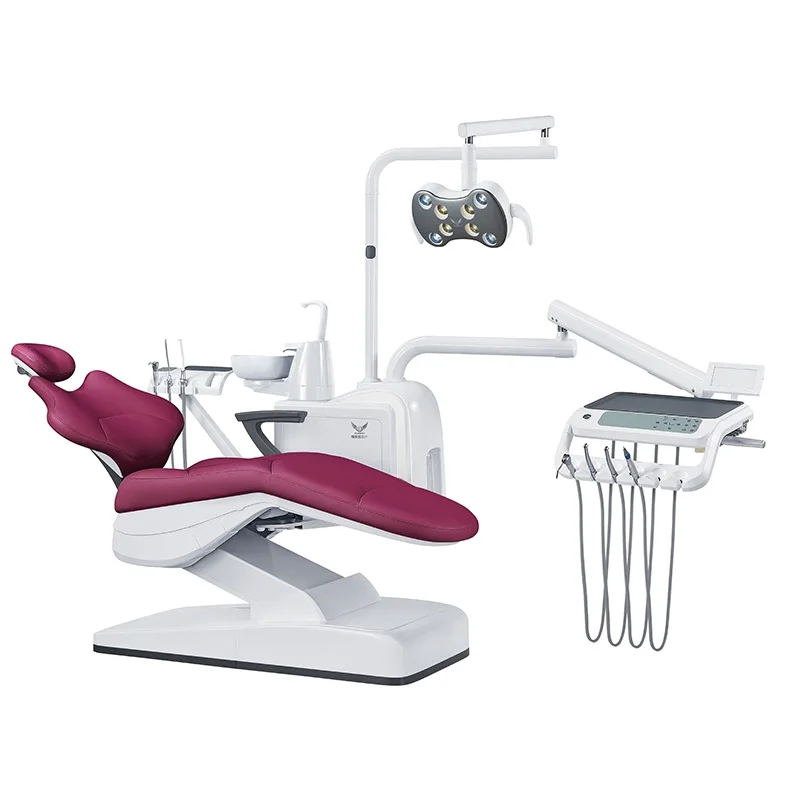
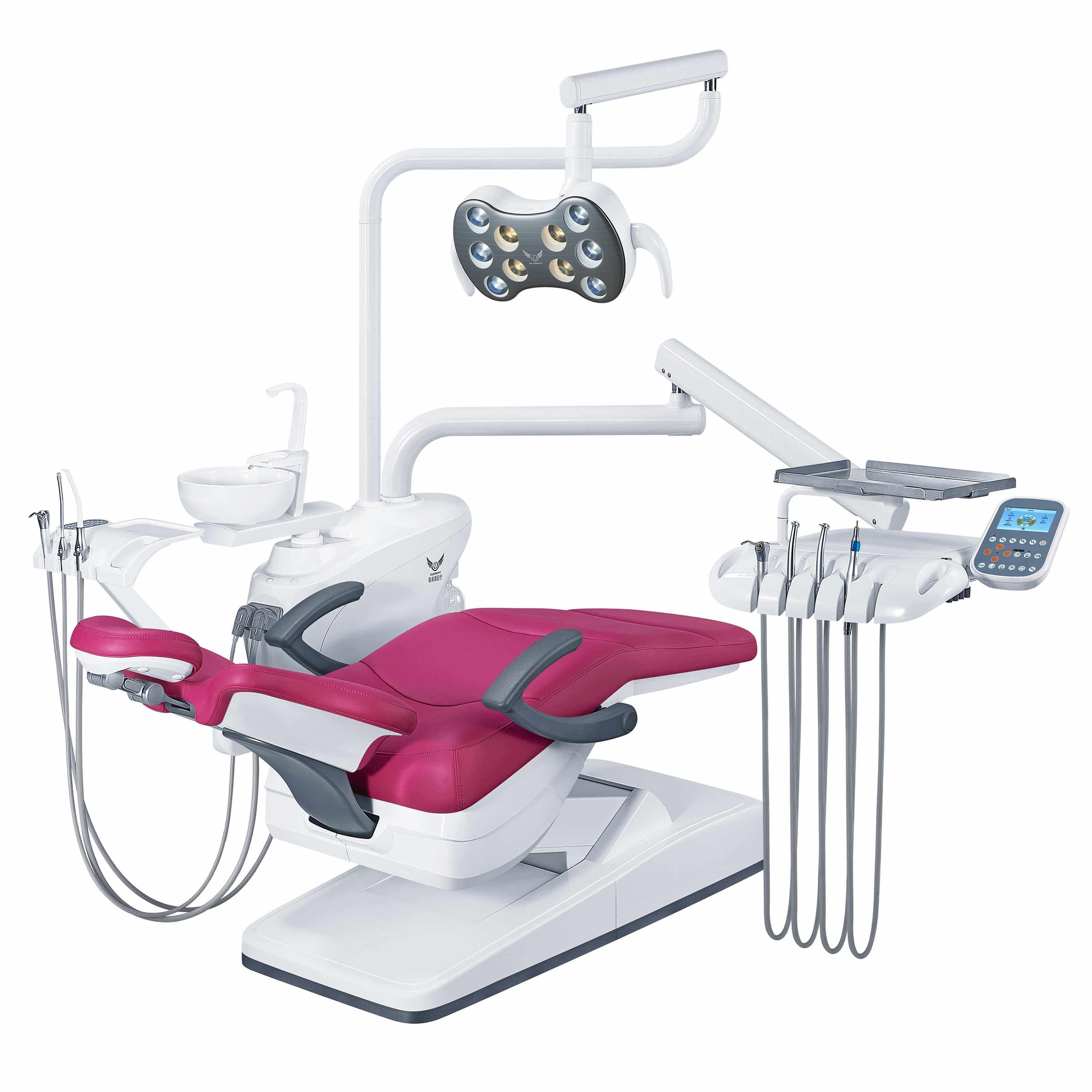
high quality dental unit
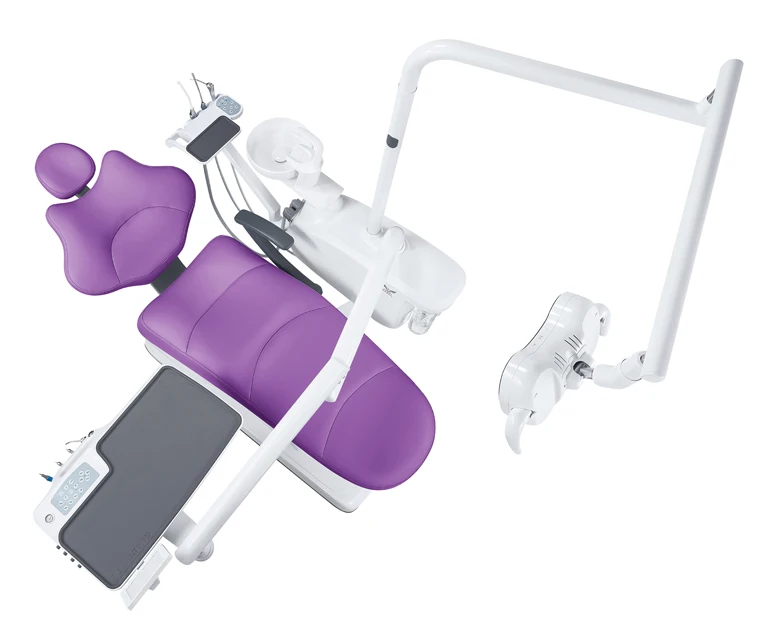
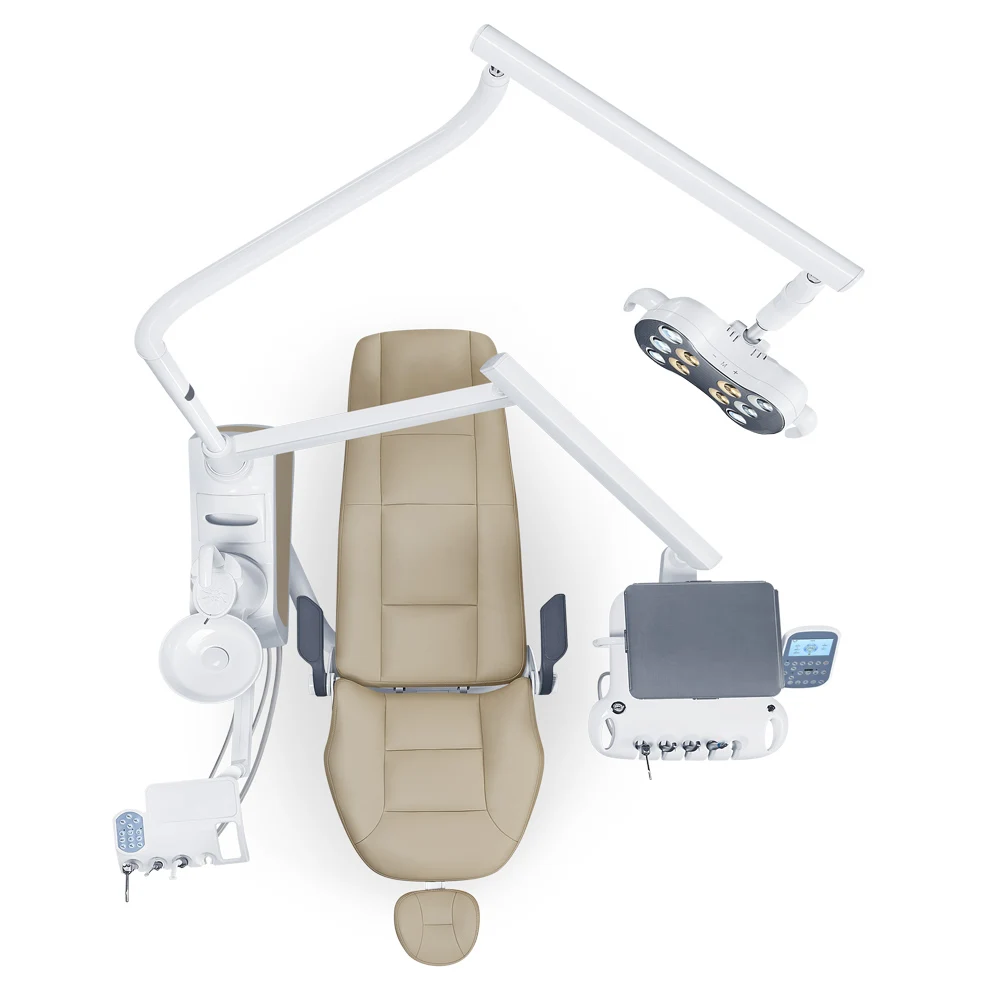
A high quality dental unit represents the cornerstone of modern dental practice, serving as the primary workstation where dentists perform examinations, treatments, and procedures. This sophisticated equipment integrates multiple components into a cohesive system designed to enhance clinical efficiency and patient comfort. The dental unit typically consists of an ergonomic chair with precise positioning controls, delivery systems for instruments, lighting fixtures, suction apparatus, and water supply mechanisms. These units are engineered to support a wide range of dental procedures, from routine cleanings and examinations to complex restorative work and surgical interventions. The main functions of a high quality dental unit include providing stable patient positioning through hydraulic or electric chair mechanisms that allow smooth transitions between upright and reclined positions. The delivery system organizes handpieces, scalers, and other instruments within easy reach of the practitioner, reducing unnecessary movement and fatigue during procedures. Integrated lighting systems ensure optimal visibility of the oral cavity, while suction devices efficiently remove debris, saliva, and water during treatment. Modern high quality dental units incorporate advanced technological features such as touchscreen control panels, programmable chair positions, LED lighting with adjustable color temperature, and integrated multimedia systems for patient education. These units often feature antimicrobial surfaces that resist bacterial growth, contributing to infection control protocols. The applications of these dental units span general dentistry, orthodontics, periodontics, endodontics, and oral surgery. In general practice settings, a high quality dental unit facilitates comprehensive patient care, while specialized practices benefit from customizable configurations that accommodate specific procedural requirements. The equipment's versatility makes it suitable for both private practices and institutional settings such as dental schools and public health clinics, where durability and reliability are paramount considerations for sustained clinical operations.

 EN
EN


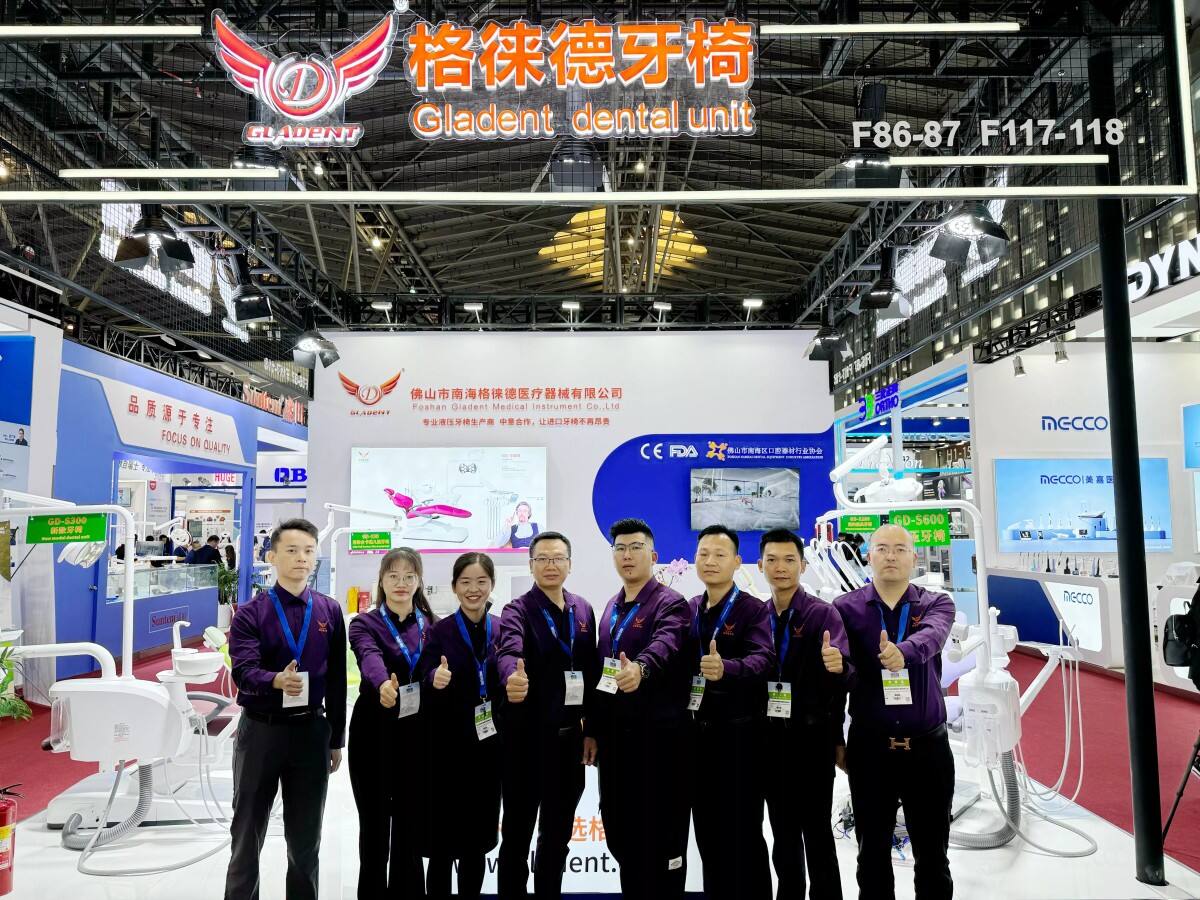
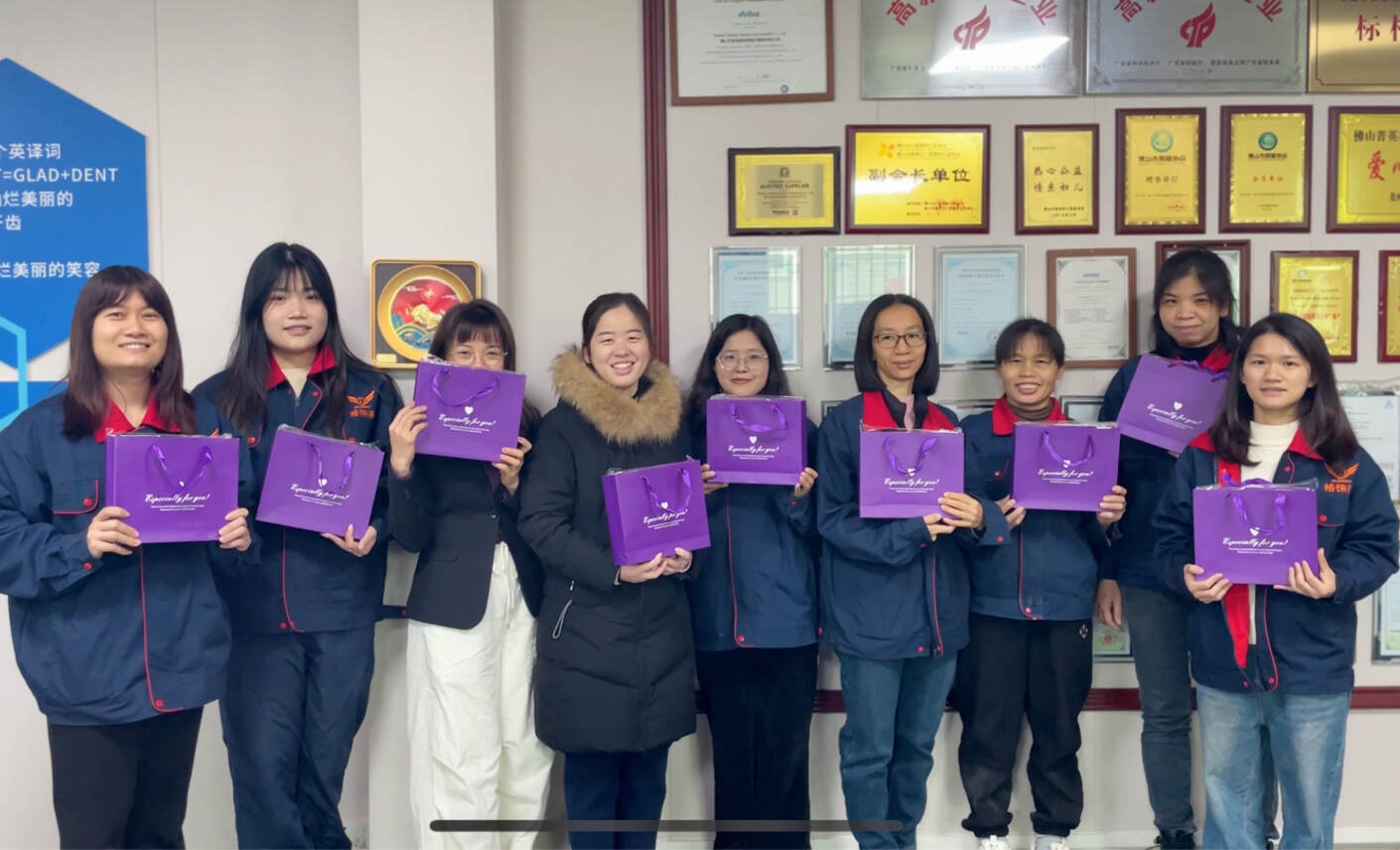
![Innovation Journey - GLADENT Dental Chairs: [The 30th South China International Dental Exhibition 2025 Concludes Successfully]](https://shopcdnpro.grainajz.com/category/19383/3803/616cc2b5bdfecec5e7c5b6aa95e40d84/%E5%BE%AE%E4%BF%A1%E5%9B%BE%E7%89%87_20250826164700.jpg)