Economic Efficiency That Expands Practice Viability And Community Impact
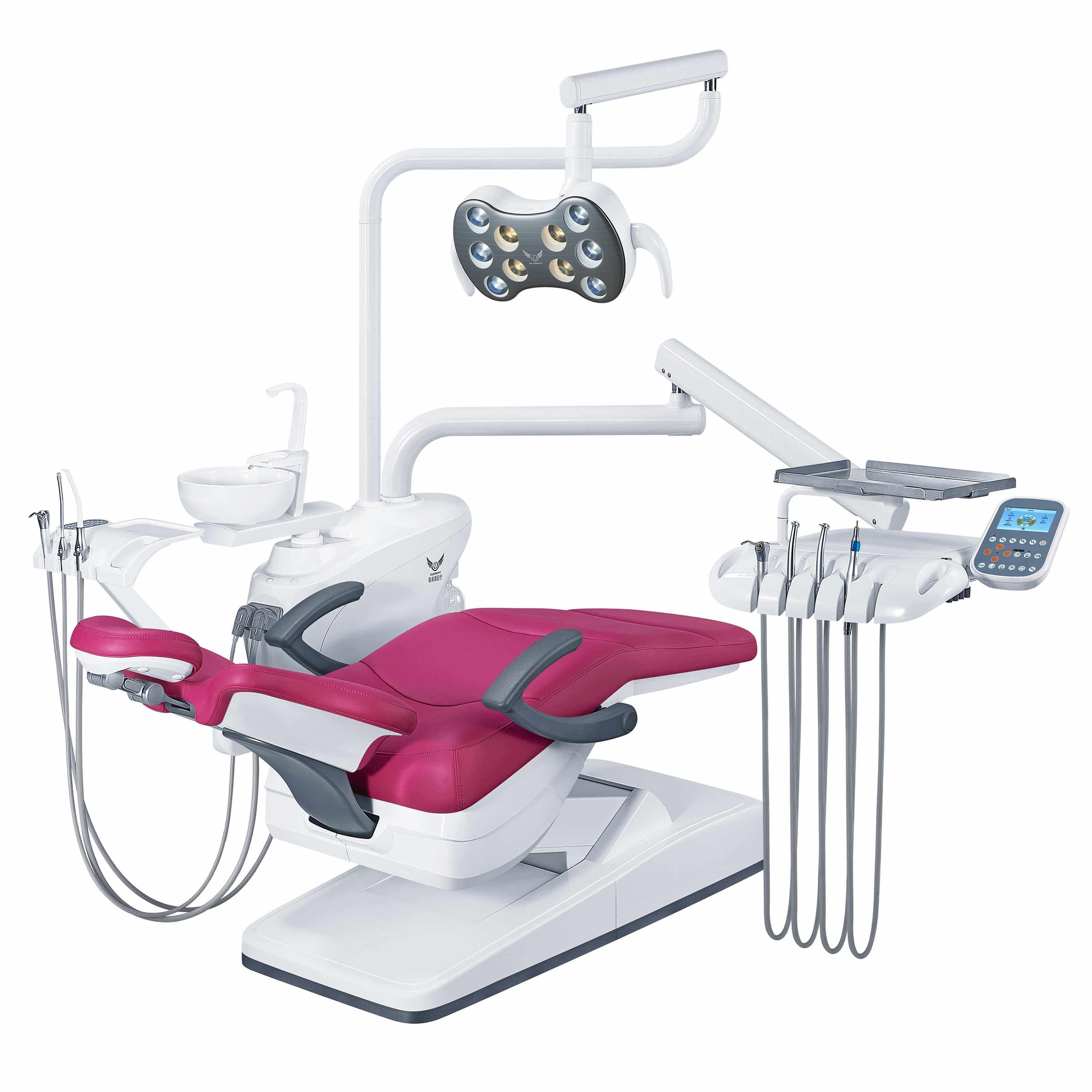
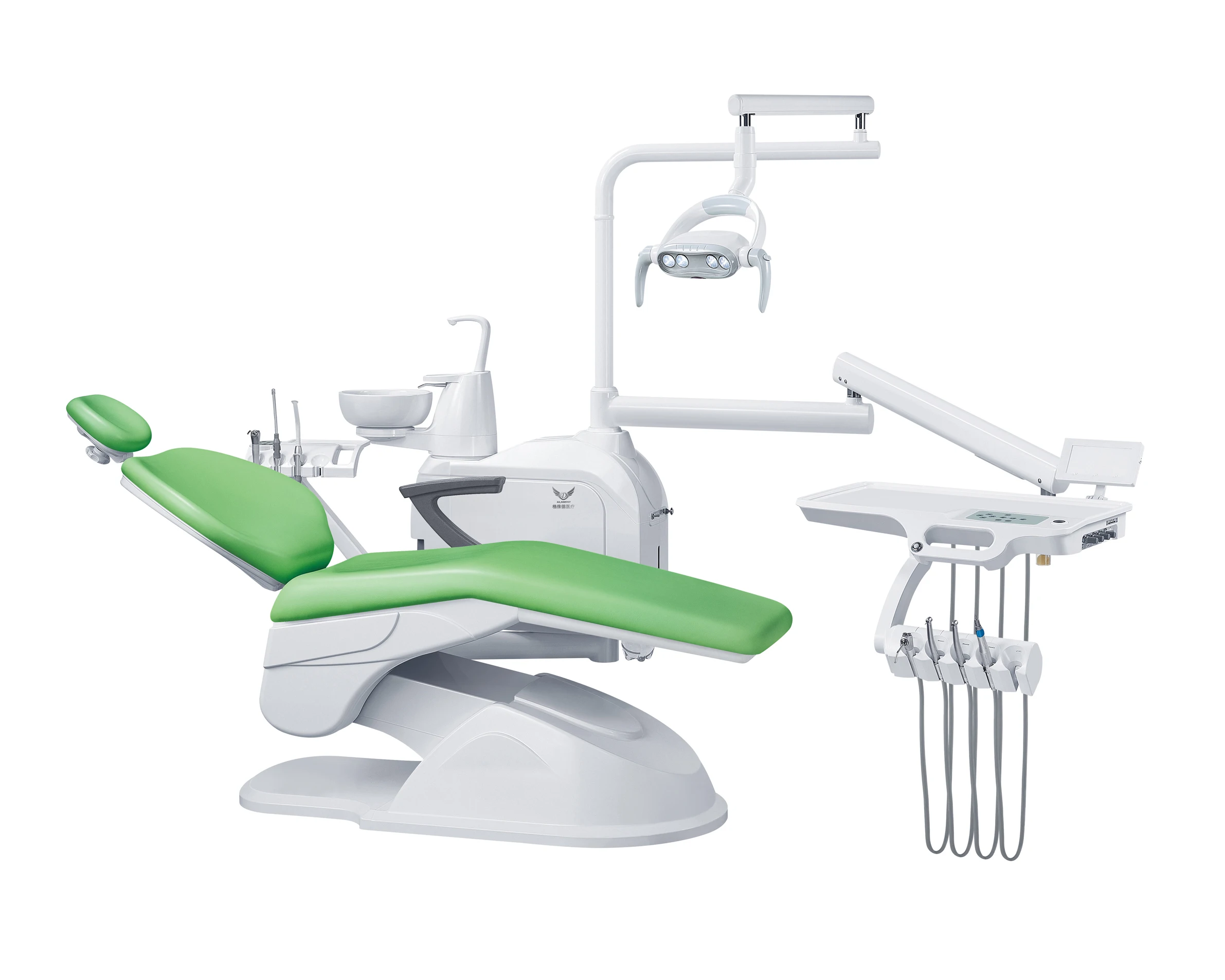
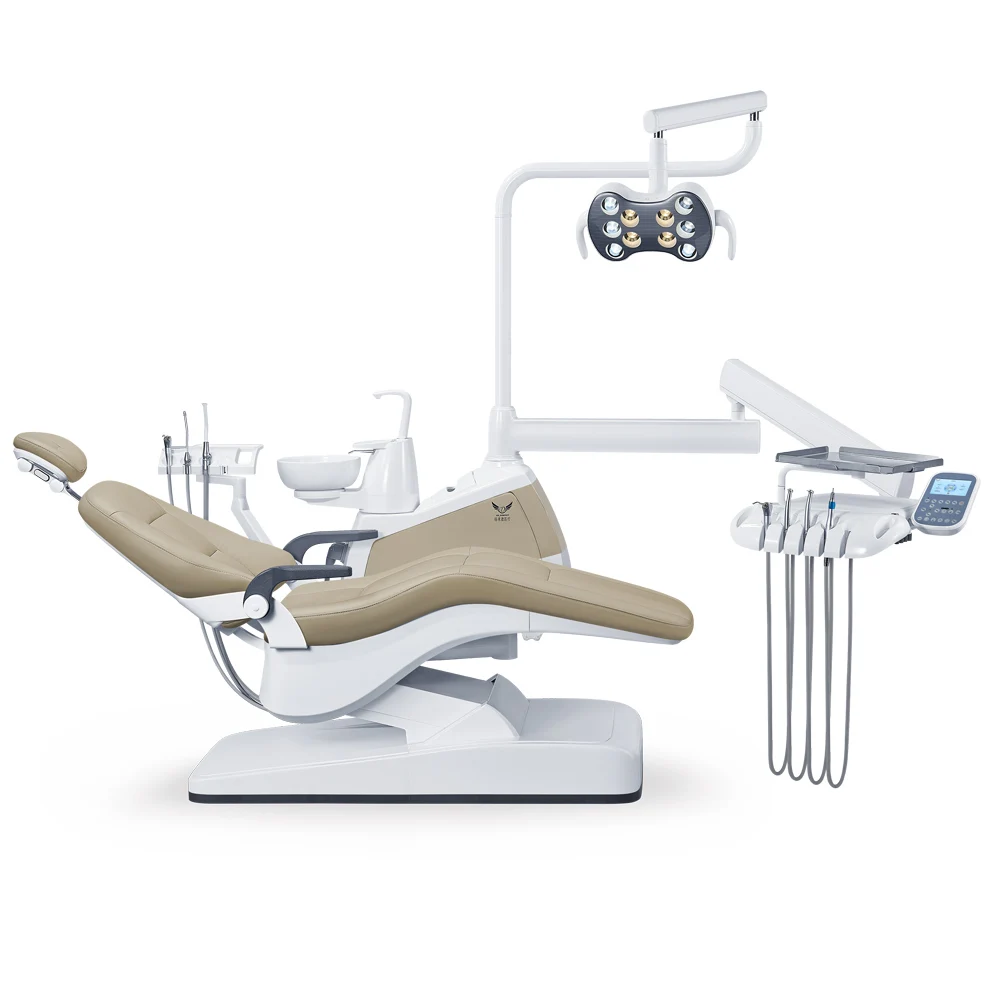
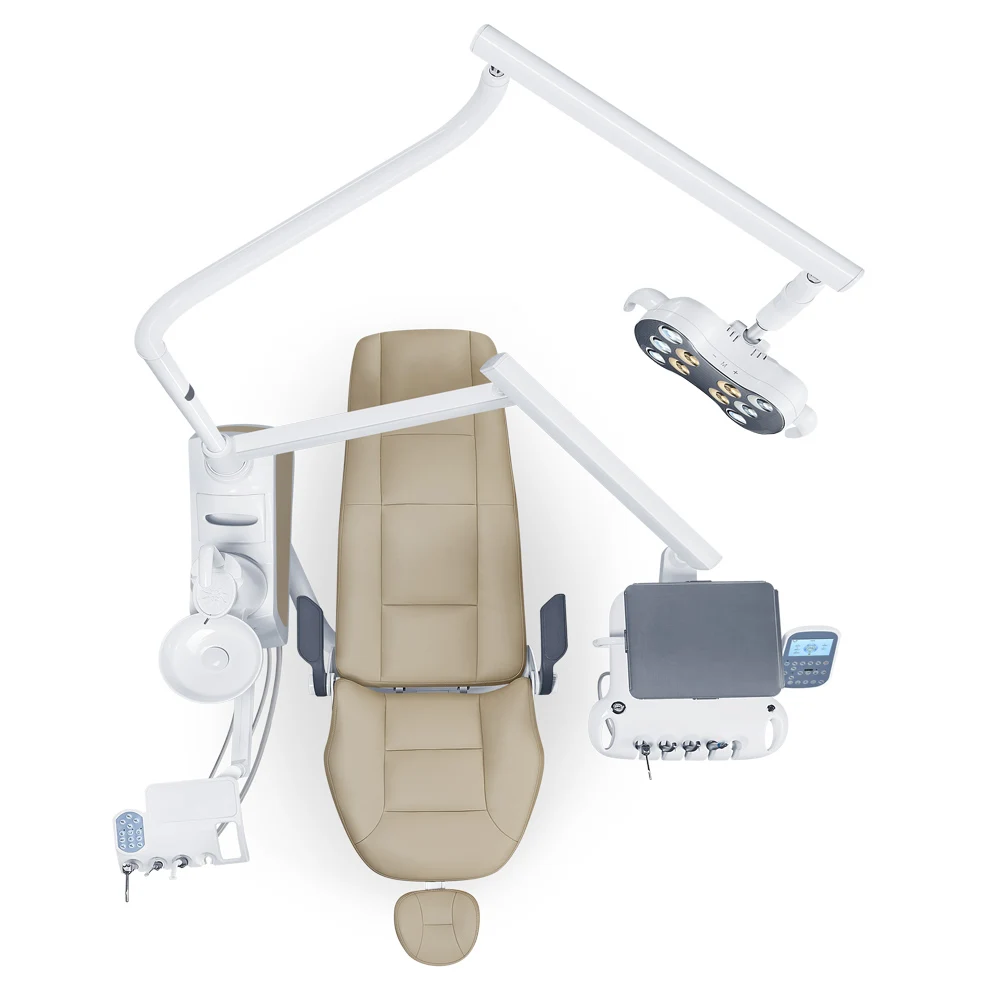
The mobile dental chair delivers exceptional economic efficiency that fundamentally alters practice economics while simultaneously expanding the reach and community impact of dental services, creating a compelling value proposition for practitioners, healthcare organizations, and the communities they serve. Financial advantages begin with significantly lower capital requirements compared to establishing traditional dental facilities. While equipping a single conventional operatory often requires investments exceeding one hundred thousand dollars when including facility modifications, plumbing, specialized electrical work, and equipment installation, a complete mobile dental chair system typically costs a fraction of that amount. This accessibility enables newer practitioners to begin serving patients sooner, reduces debt burdens, and lowers financial barriers to practice ownership. Operating cost advantages continue throughout the equipment's lifecycle, as mobile systems eliminate or dramatically reduce facility expenses including rent, utilities, and maintenance for multiple locations. Instead of maintaining expensive square footage that sits unused outside business hours, practitioners invest in equipment that generates revenue whenever deployed. The mobile dental chair enables efficient resource allocation by allowing dental professionals to concentrate services where and when demand exists. A single mobile unit can serve multiple schools on different weekdays, visit senior facilities on a rotating schedule, and participate in community health events on weekends, maximizing utilization rates impossible with fixed locations. This flexibility translates directly into increased revenue potential, as practitioners can expand patient bases without proportional increases in overhead. Insurance reimbursement for mobile dental services has improved substantially as payers recognize the value of preventive care delivery in convenient locations, with many plans now covering mobile visits at rates comparable to traditional office visits. Government programs including Medicaid increasingly incentivize mobile dental services through enhanced reimbursement rates for underserved populations, recognizing that preventive care delivered through mobile programs reduces expensive emergency room visits for dental problems. The mobile dental chair also enables participation in value-based care contracts where providers receive bonuses for improving population health metrics, as mobile delivery dramatically increases preventive care access. Marketing costs decrease because mobile dental services generate organic publicity through community presence and word-of-mouth referrals from satisfied patients who appreciate convenient care access. The visible community commitment demonstrated through mobile services builds practice reputation and brand recognition more effectively than traditional advertising. Staff efficiency improves because mobile schedules can be structured to minimize downtime, with back-to-back appointments at single locations eliminating travel time between patients that occurs when individuals come to offices. Economic benefits extend to patients and communities through reduced transportation costs and time away from work or school, removing financial barriers that prevent many people from seeking dental care. The mobile dental chair thus creates economic value across multiple stakeholders, improving practice profitability while simultaneously reducing societal costs associated with untreated dental disease.
 EN
EN


![Innovation Journey - GLADENT Dental Chairs: [The 30th South China International Dental Exhibition 2025 Concludes Successfully]](https://shopcdnpro.grainajz.com/category/19383/3803/616cc2b5bdfecec5e7c5b6aa95e40d84/%E5%BE%AE%E4%BF%A1%E5%9B%BE%E7%89%87_20250826164700.jpg)