Infection Control Features and Material Durability for Safe, Long-Term Performance
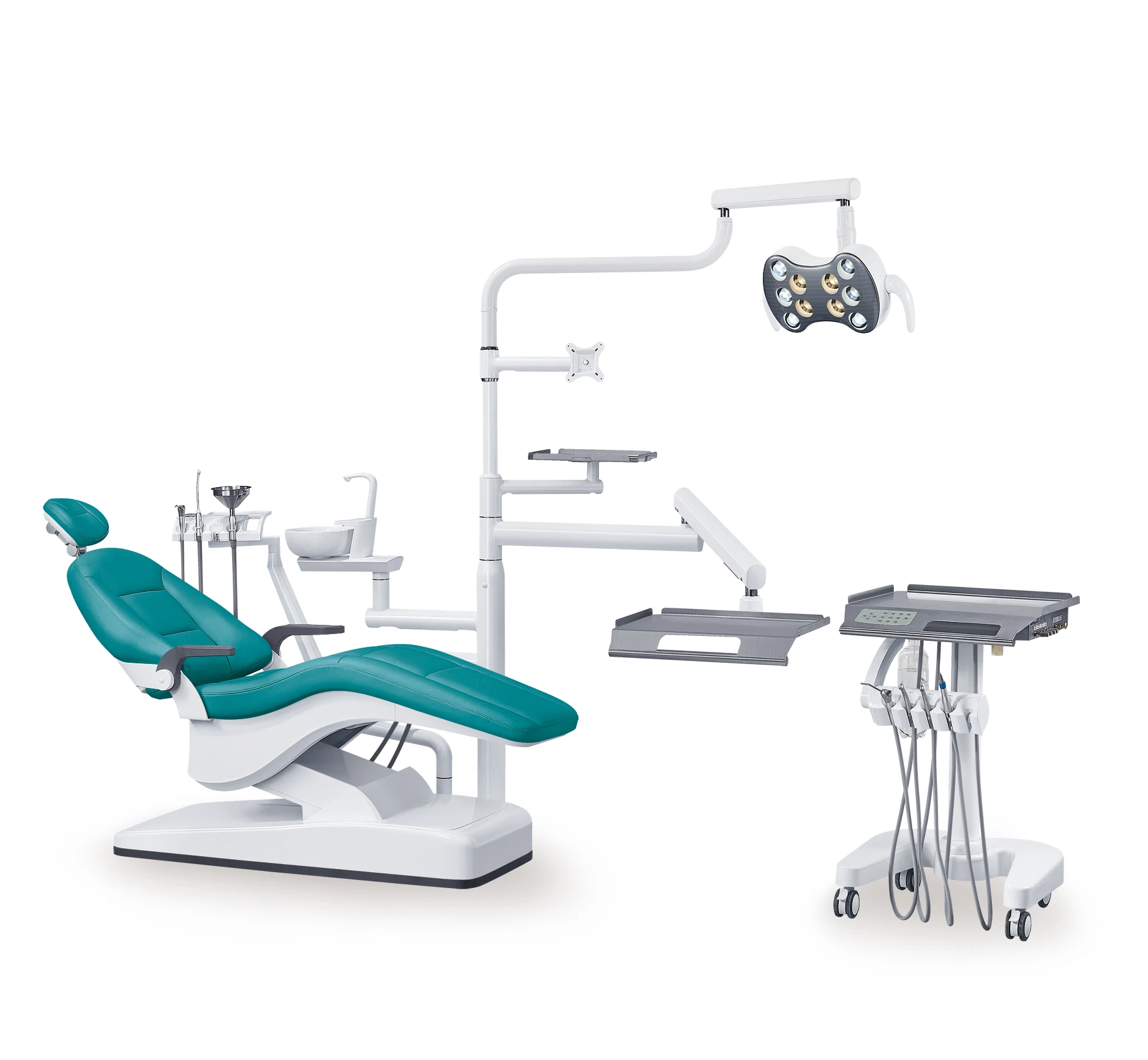
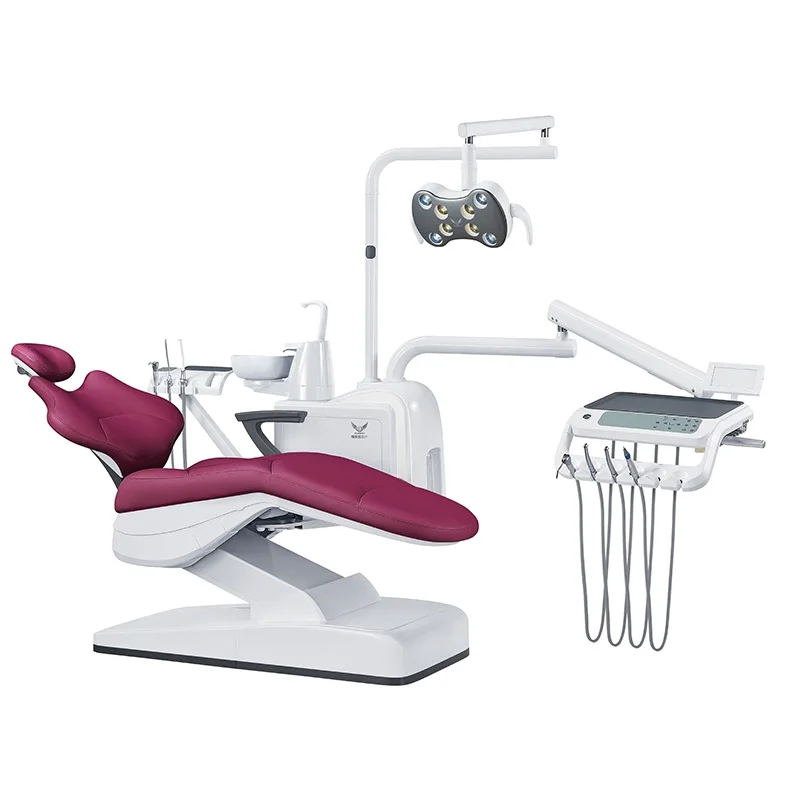
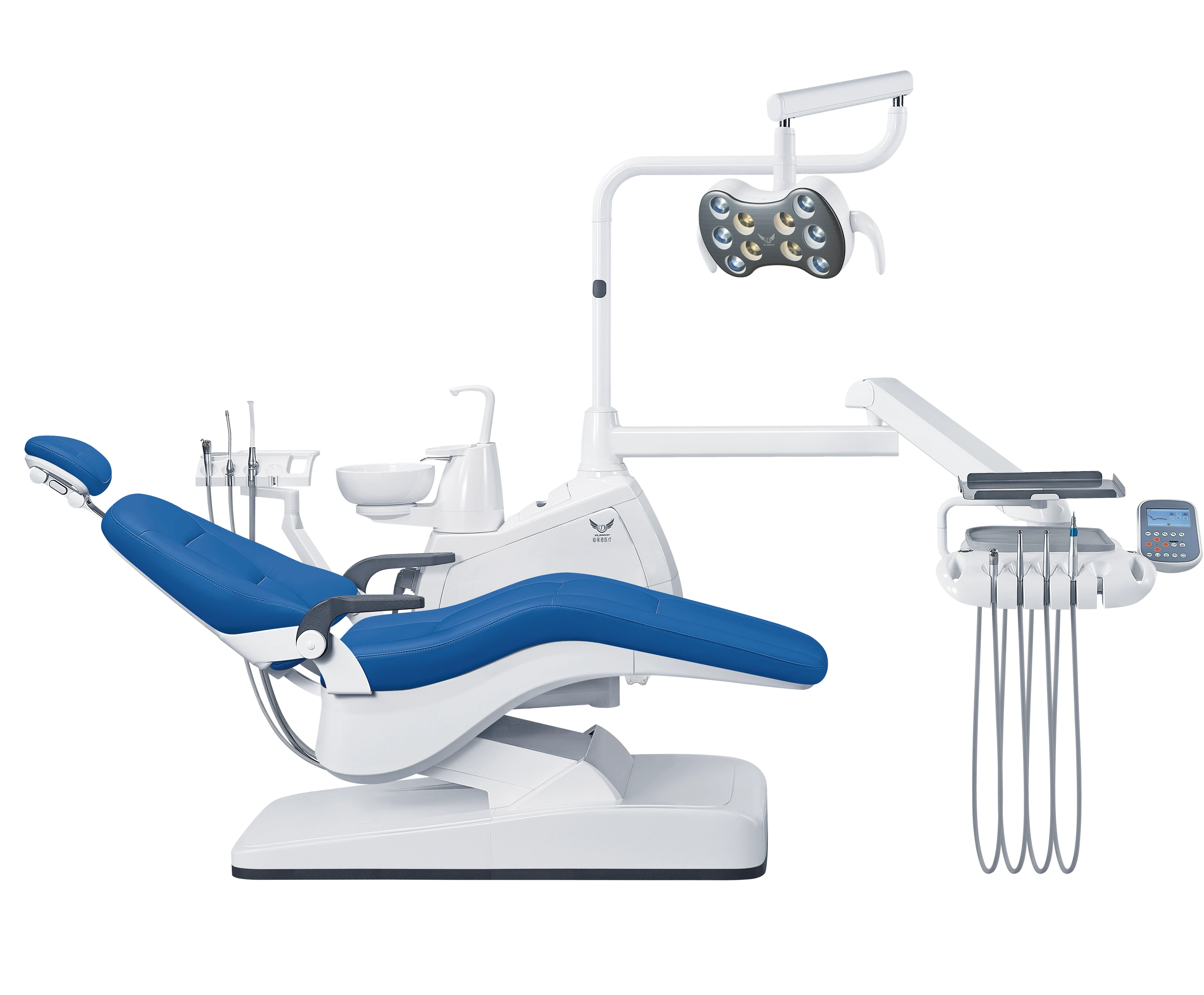
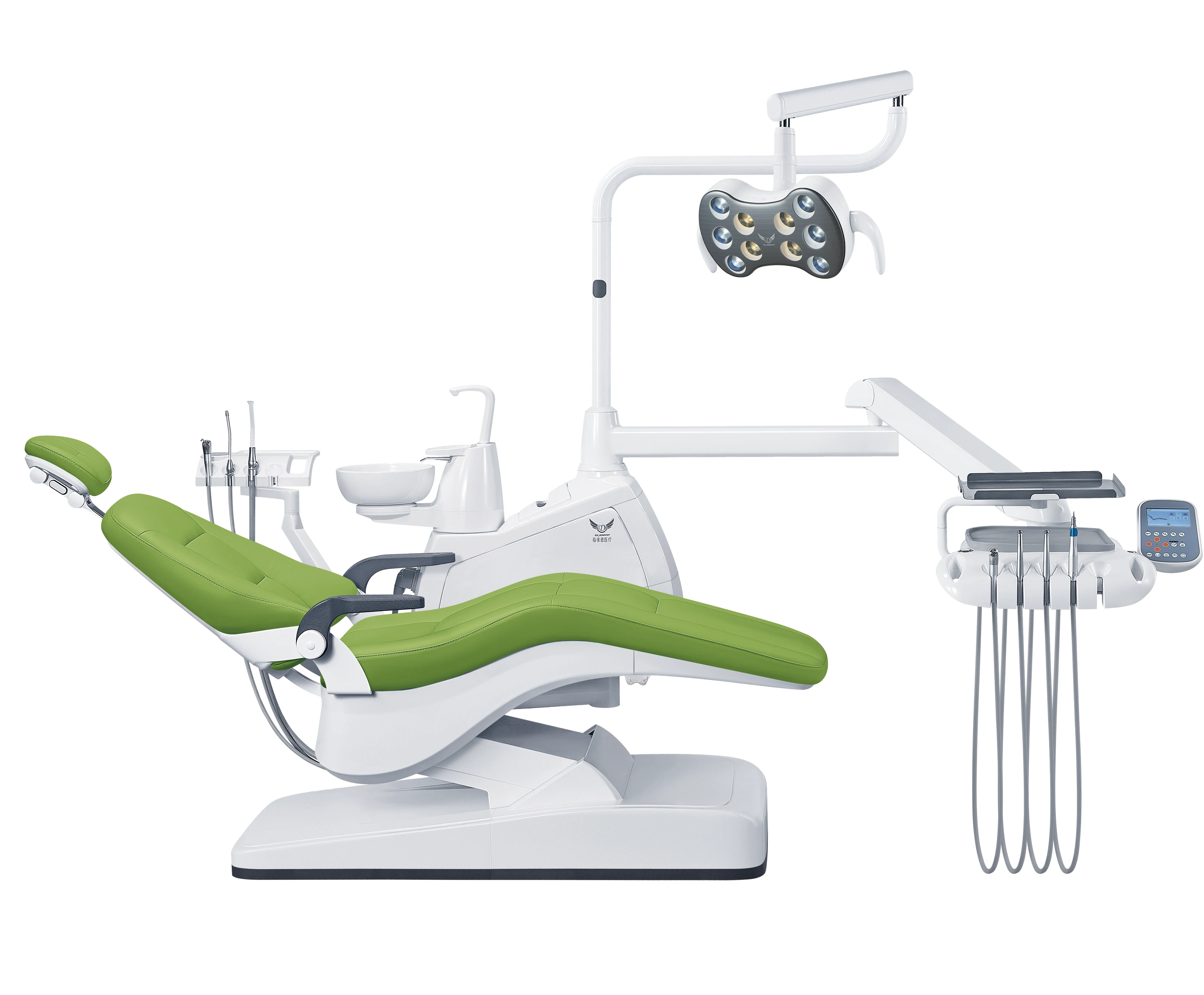
The infection control capabilities engineered into professional dental chairs address critical health and safety requirements that have become increasingly central to dental practice operations. Dental environments present unique infection control challenges due to the aerosol-generating nature of many common procedures, the presence of blood and saliva, and the close physical proximity between practitioners and patients. The professional dental chair must function within this high-risk environment while facilitating rather than hindering rigorous disinfection protocols that protect both patients and staff from potential pathogen transmission. Modern professional dental chairs incorporate seamless upholstery construction that eliminates the crevices, seams, and stitching lines where contaminants could accumulate and resist cleaning efforts. These smooth surfaces allow thorough disinfection between patients using standard dental operatory cleaning agents without degrading the upholstery material or compromising its integrity. The upholstery fabrics or synthetic materials used on professional dental chairs are specifically formulated to withstand repeated exposure to hospital-grade disinfectants, including those containing alcohol, phenols, or quaternary ammonium compounds, without cracking, peeling, stiffening, or discoloring over time. This chemical resistance ensures that the chair maintains both its functional properties and its professional appearance throughout years of intensive use and rigorous cleaning cycles. The importance of this durability extends beyond aesthetics to encompass ongoing infection control effectiveness, as damaged or deteriorated surfaces cannot be adequately disinfected and may harbor pathogens despite cleaning efforts. The structural materials composing the professional dental chair frame, base, and mechanical components also reflect infection control considerations. Exposed metal surfaces typically feature powder-coated or specialized finishes that resist corrosion and maintain smooth, nonporous characteristics that support effective cleaning. Component design minimizes horizontal surfaces where dust or debris might accumulate, and drainage considerations prevent liquid pooling in areas that might contact contaminated materials during procedures. These design details reflect a comprehensive approach to infection control that considers the entire chair system rather than focusing solely on patient-contact surfaces. The durability engineered into professional dental chairs serves both infection control and economic objectives simultaneously. Chairs constructed from high-quality materials using robust manufacturing techniques withstand the mechanical stresses of continuous positioning adjustments, patient loading cycles, and the physical demands of daily operatory activities. The hydraulic or electromechanical drive systems incorporate sealed components that resist contamination while delivering reliable performance over extended service lives measured in decades rather than years. This longevity protects the substantial capital investment required to equip dental operatories while ensuring consistent performance that practitioners can depend upon throughout busy clinical schedules. The professional dental chair represents a complex engineering solution that balances multiple competing requirements: patient comfort, practitioner ergonomics, positioning capabilities, aesthetic appeal, infection control effectiveness, and long-term durability. The success with which modern professional dental chairs achieve this balance makes them indispensable components of contemporary dental practice, directly enabling the delivery of safe, high-quality care in efficient, sustainable practice environments.

 EN
EN


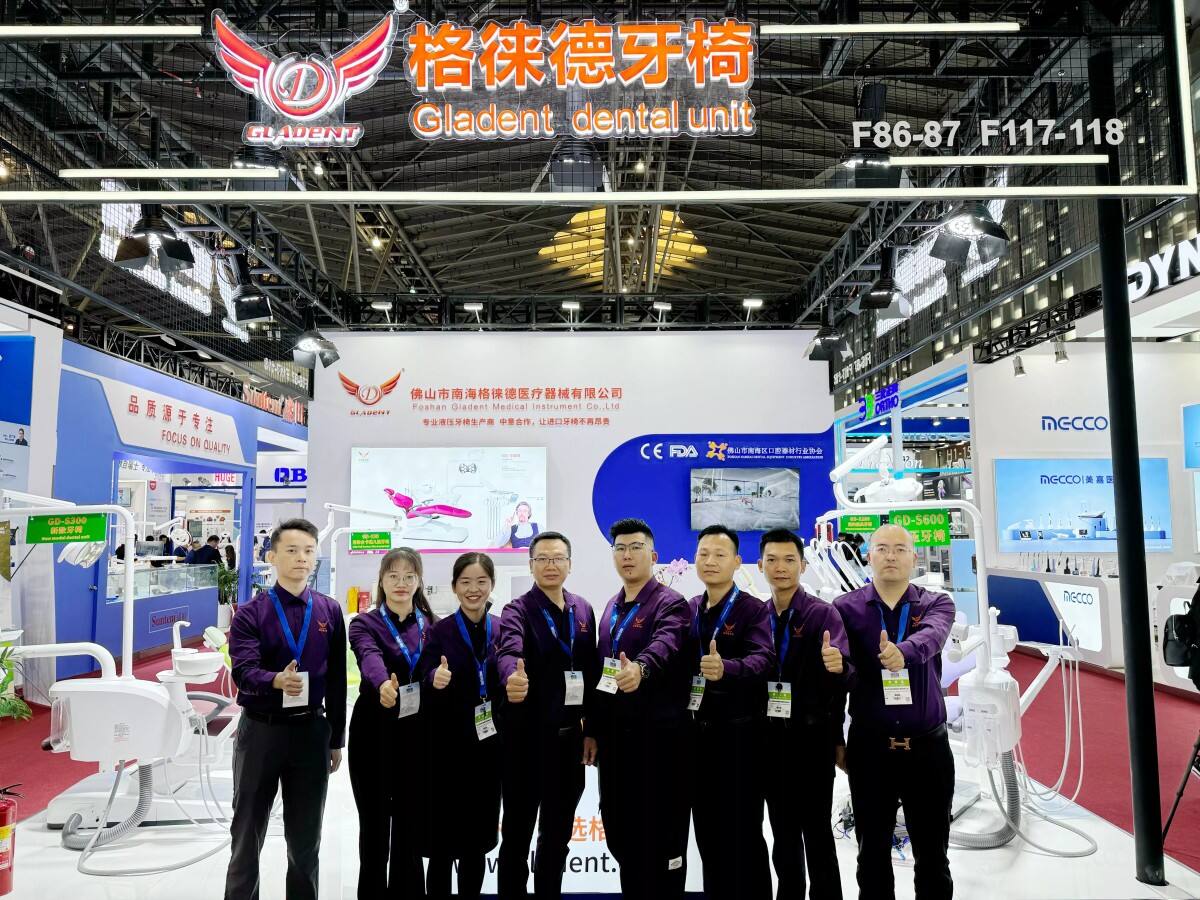
![Innovation Journey - GLADENT Dental Chairs: [The 30th South China International Dental Exhibition 2025 Concludes Successfully]](https://shopcdnpro.grainajz.com/category/19383/3803/616cc2b5bdfecec5e7c5b6aa95e40d84/%E5%BE%AE%E4%BF%A1%E5%9B%BE%E7%89%87_20250826164700.jpg)