Durability and Hygiene Design for Long-Term Practice Success
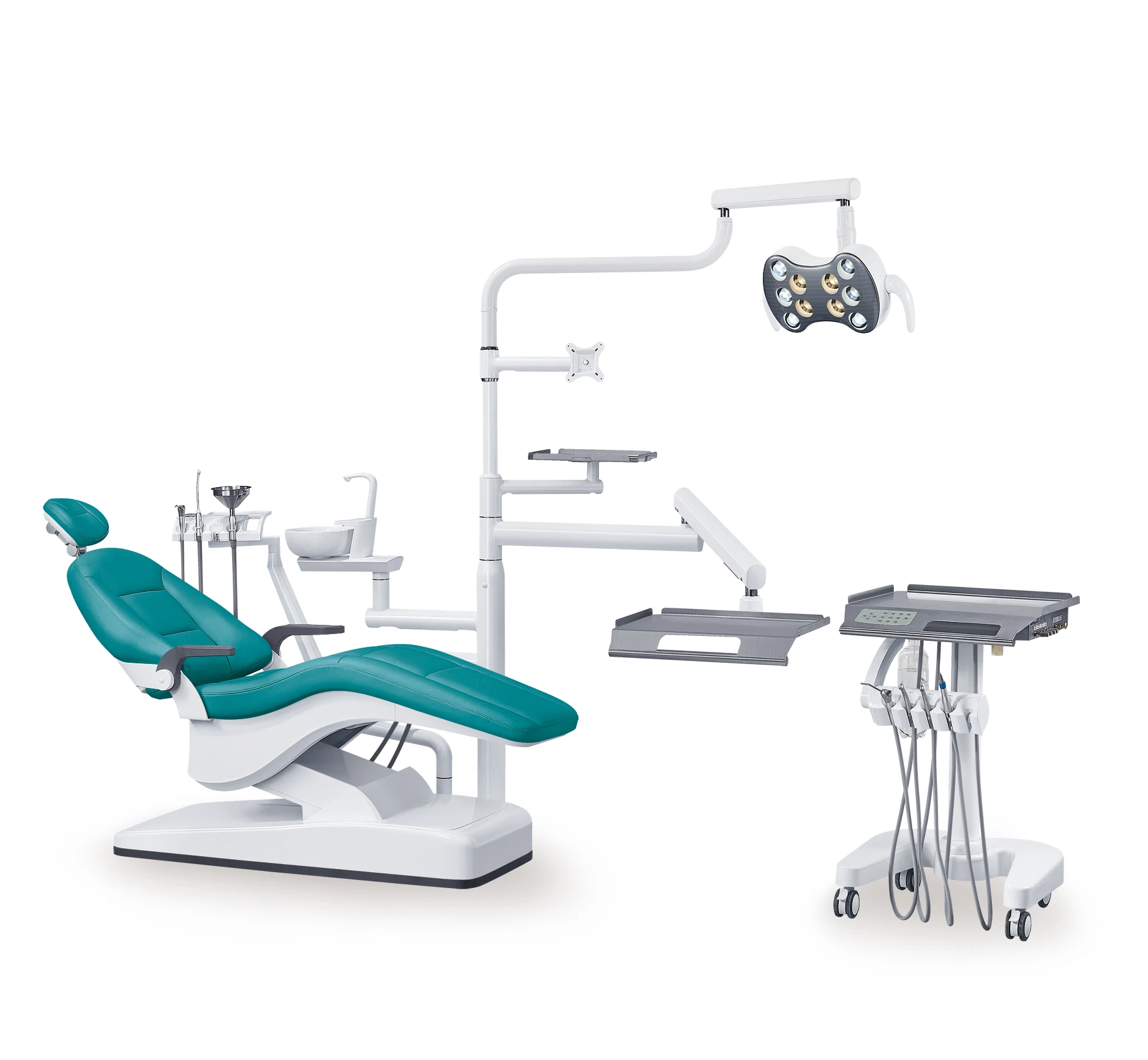
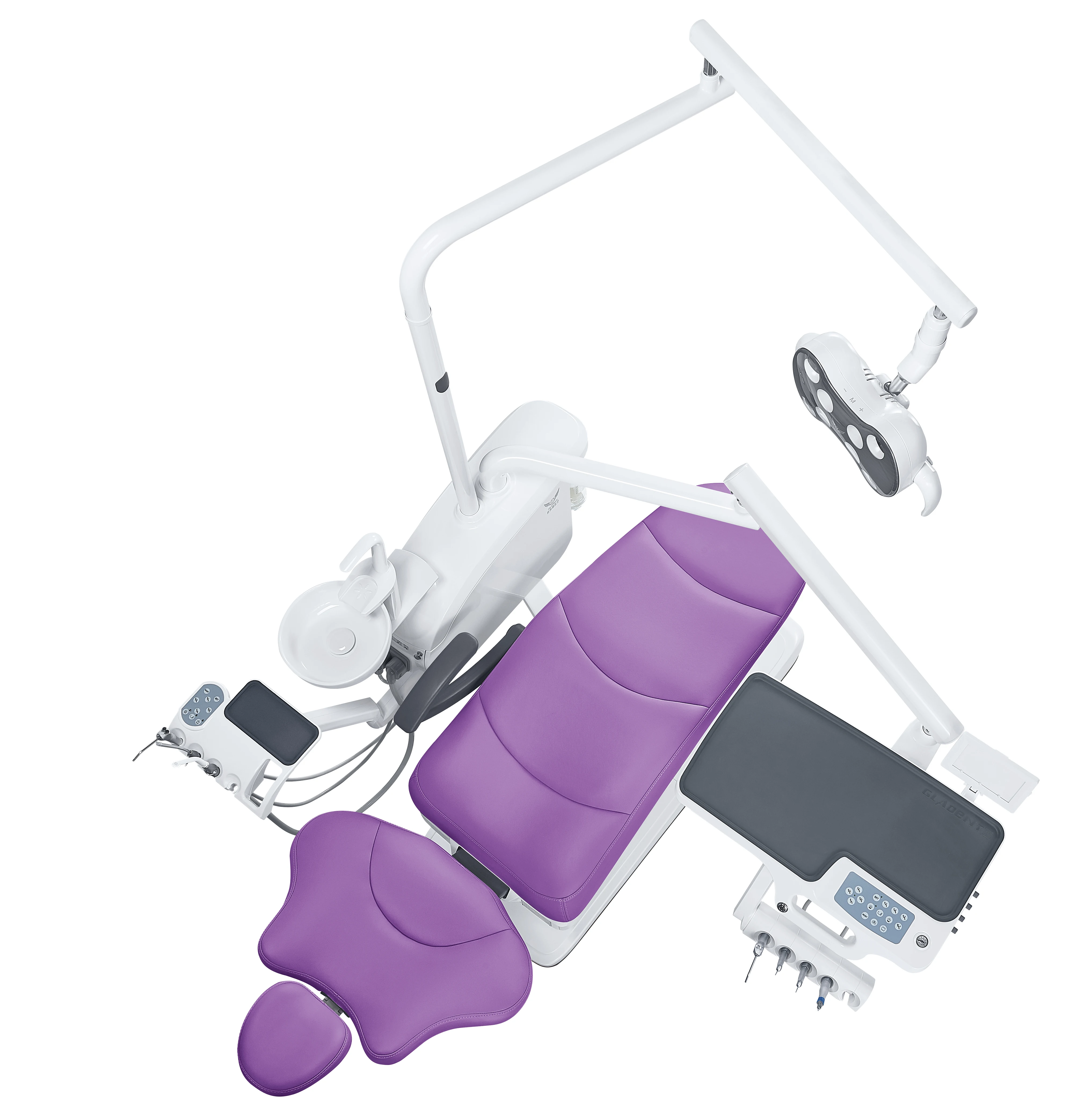
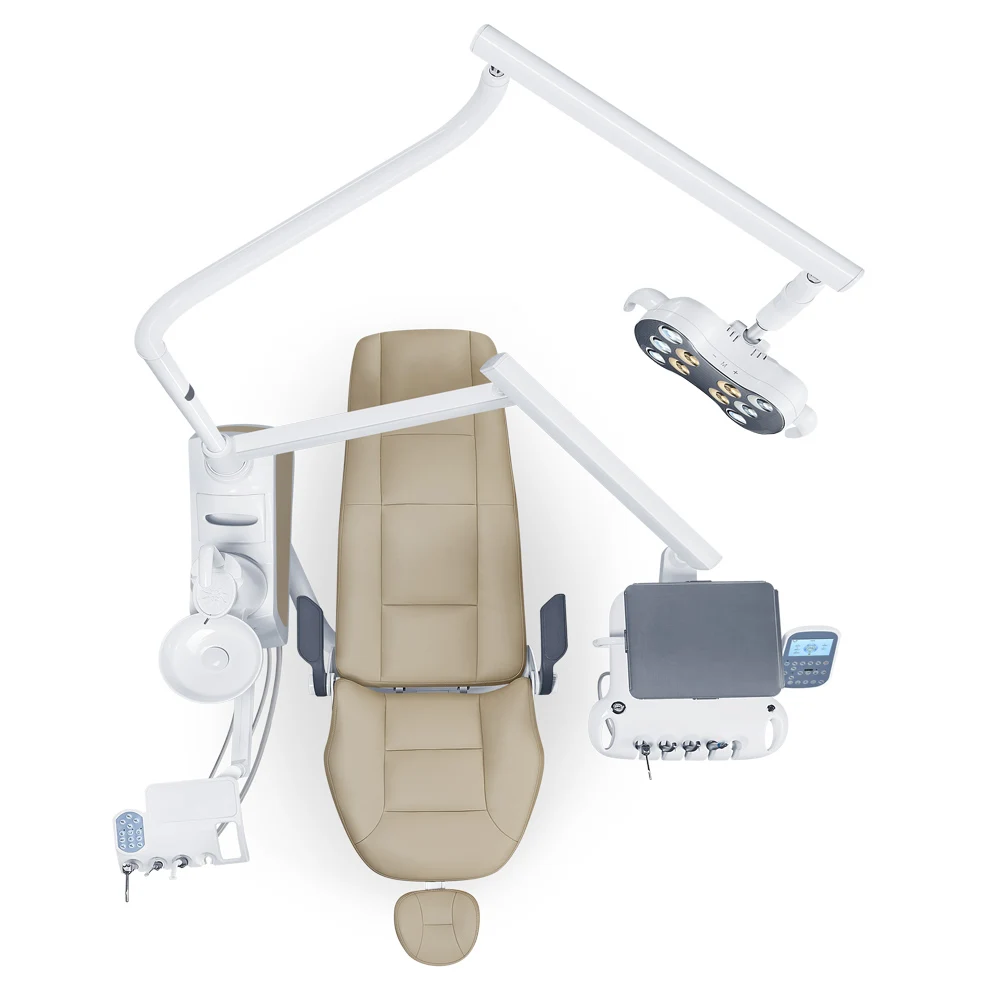
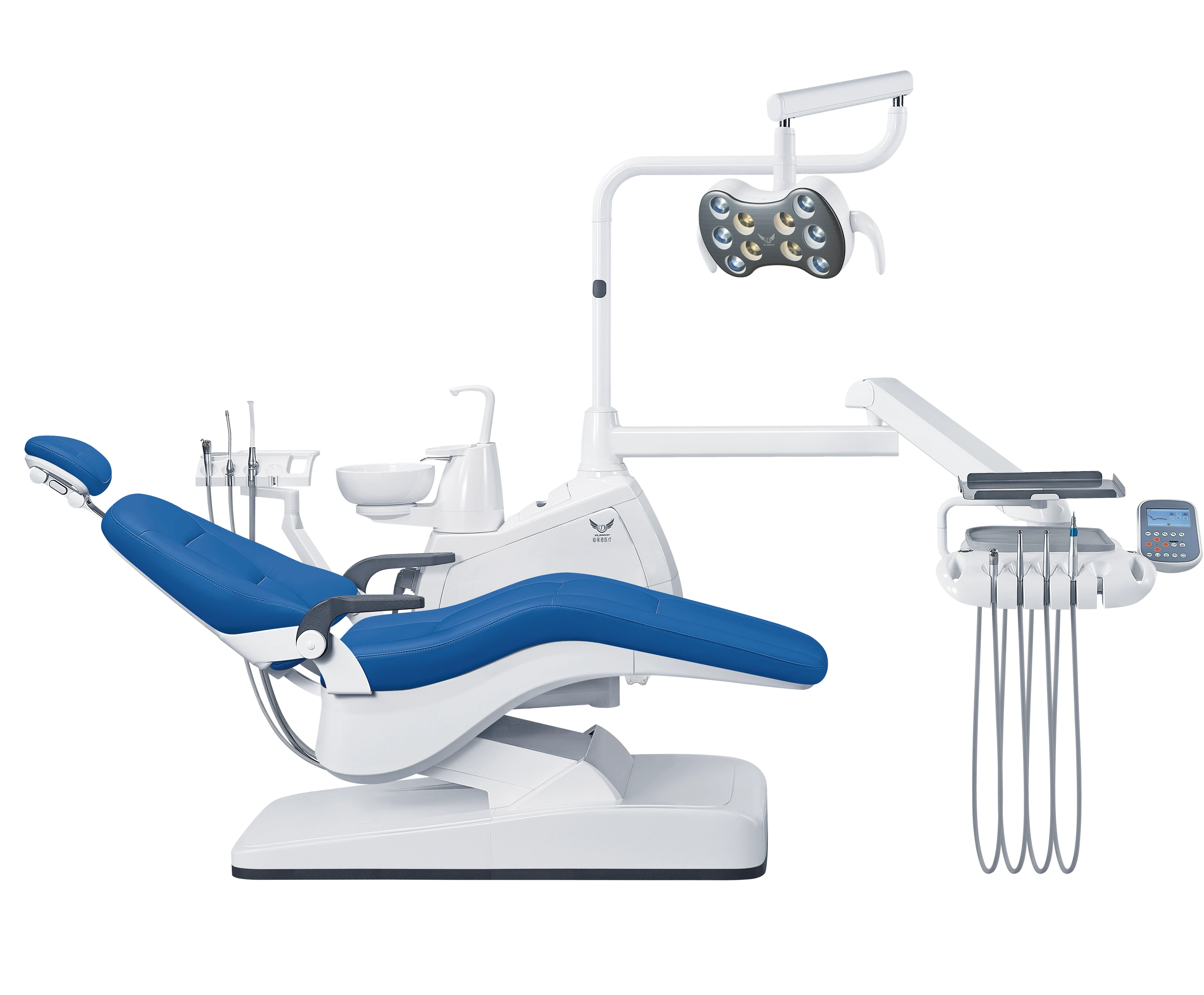
The long-term value proposition of a good dental chair becomes evident through its construction quality, materials engineering, and design features that support decades of reliable service with minimal maintenance requirements. The structural foundation typically consists of heavy-gauge steel tubing with robotic welding that creates joints stronger than the base materials, ensuring the frame maintains integrity through countless positioning cycles and patient loads. The base casting, whether floor-mounted or cabinet-mounted, distributes weight across a broad footprint that prevents floor damage while maintaining absolute stability during procedures that involve significant lateral forces. The powder-coat finish applied to metal components provides superior resistance to chipping, scratching, and chemical damage from the disinfectants used multiple times daily in dental environments, maintaining professional appearance throughout the chair's service life. The hydraulic or electromechanical positioning systems are engineered with sealed components that prevent contamination from oral fluids, aerosols, and cleaning agents, with manufacturers typically rating these systems for 50,000 or more duty cycles before maintenance is required. The upholstery represents a critical interface where durability and hygiene requirements intersect, and the good dental chair uses medical-grade materials that can withstand repeated cleaning with harsh disinfectants without cracking, fading, or developing surface degradation that could harbor pathogens. Seamless upholstery construction eliminates crevices where fluids could accumulate and bacteria could proliferate, supporting infection control protocols that protect both patients and staff. The upholstery is typically replaceable without requiring extensive disassembly, allowing practices to refresh the chair's appearance as materials show wear rather than replacing the entire unit. Control systems are sealed against fluid ingress, with touchpad controls using capacitive technology that functions reliably even when covered with barrier films during procedures. The chair's surfaces are designed with minimal horizontal ledges or recesses that could collect dust or debris, and smooth transitions between components facilitate rapid, thorough cleaning between patients. The good dental chair incorporates easily removable and autoclavable components such as headrest covers and armrest pads that contact patients directly, enabling high-level disinfection without compromising chair functionality. Cable management systems route electrical and pneumatic lines through protected channels that prevent damage from cleaning equipment or accidental snagging, and quick-disconnect fittings enable service technicians to perform maintenance efficiently without specialized tools. The modular design philosophy employed in quality chairs means that individual components can be replaced if damage occurs rather than requiring complete chair replacement, protecting the practice's capital investment. Manufacturers of good dental chairs typically provide comprehensive warranties spanning five to ten years on structural components and two to three years on upholstery and moving parts, demonstrating confidence in their product's longevity and providing practices with financial protection against premature failure.

 EN
EN


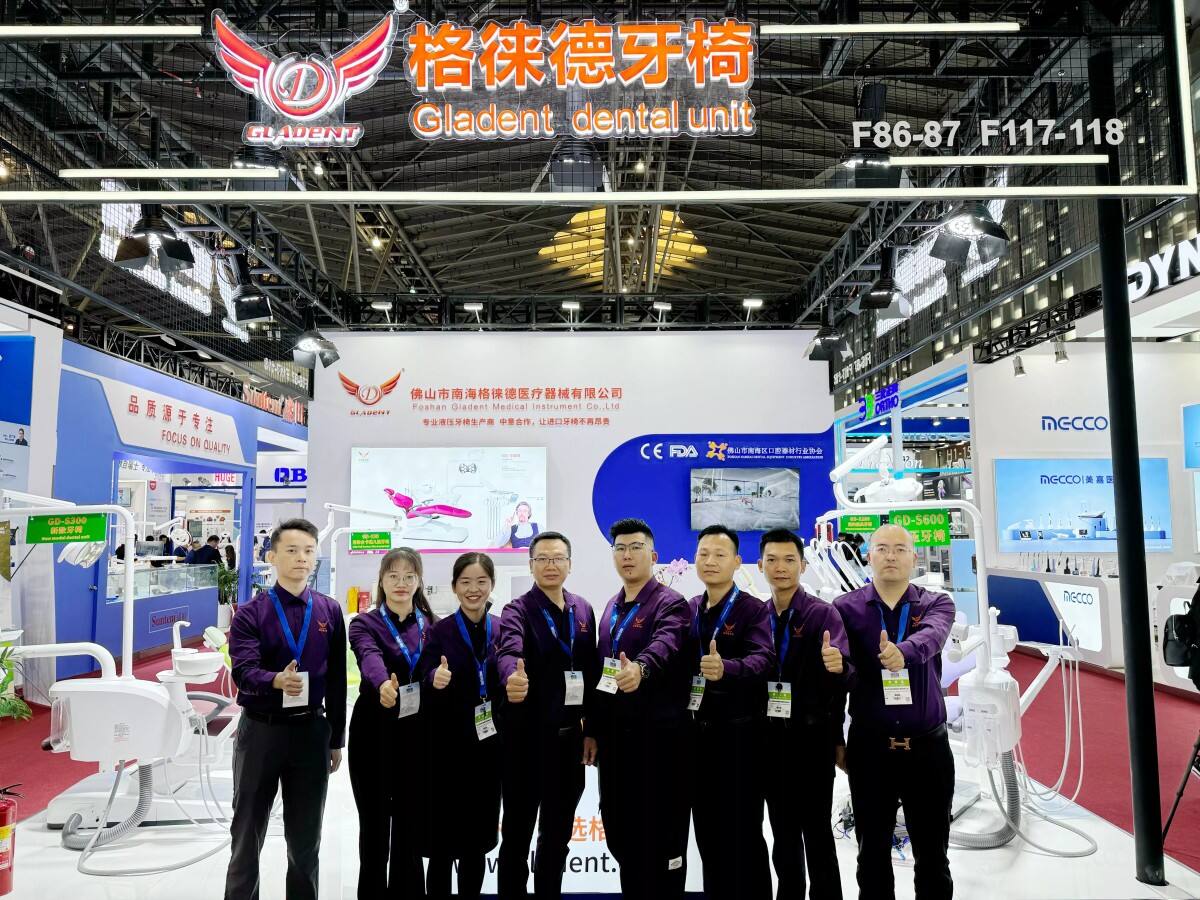
![Innovation Journey - GLADENT Dental Chairs: [The 30th South China International Dental Exhibition 2025 Concludes Successfully]](https://shopcdnpro.grainajz.com/category/19383/3803/616cc2b5bdfecec5e7c5b6aa95e40d84/%E5%BE%AE%E4%BF%A1%E5%9B%BE%E7%89%87_20250826164700.jpg)