Dental Unit With Compressor - Integrated Solutions for Modern Practices | Complete Treatment Systems

EN EN

Call Us:+86-757-81267151

dental unit with compressor

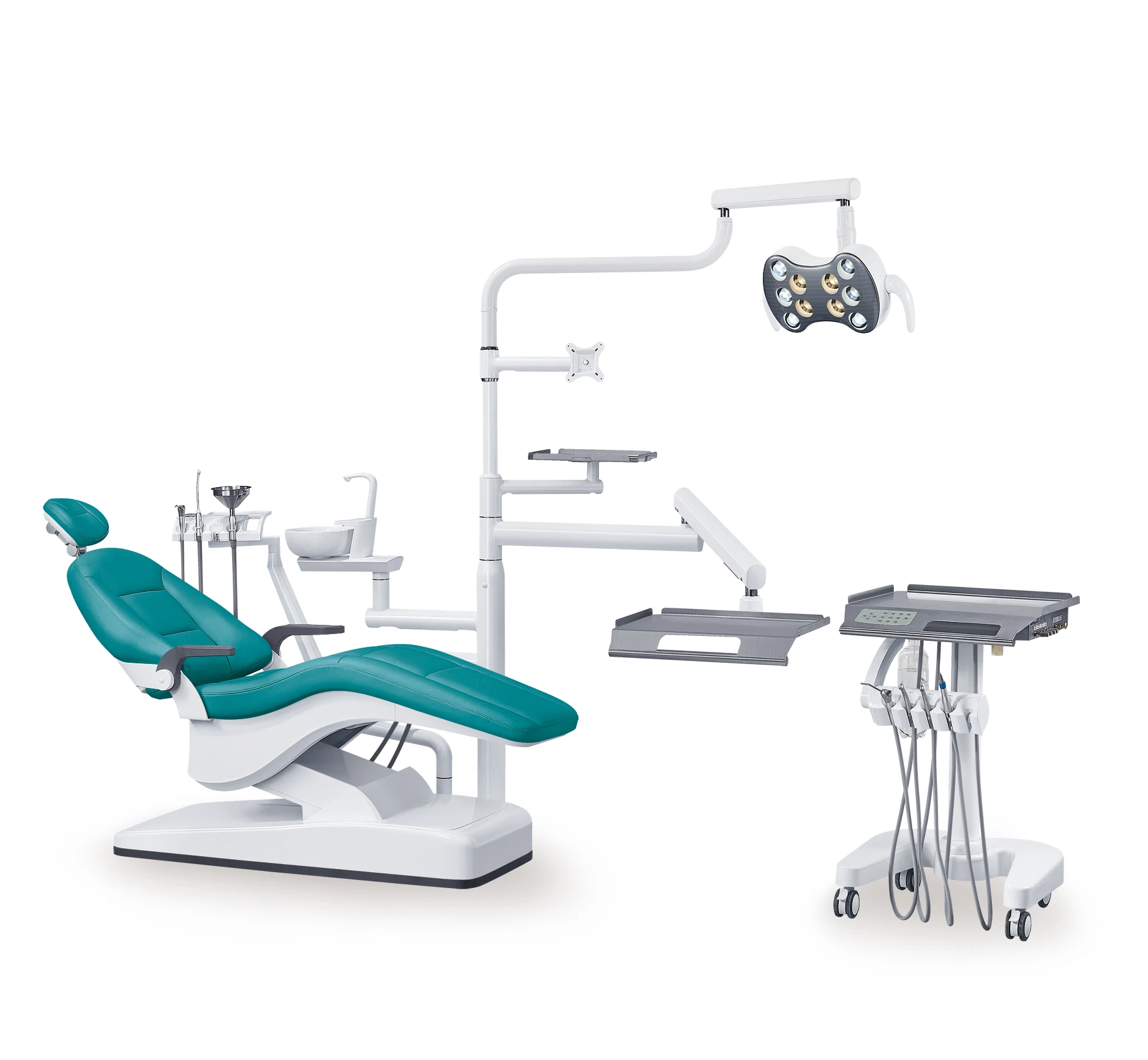
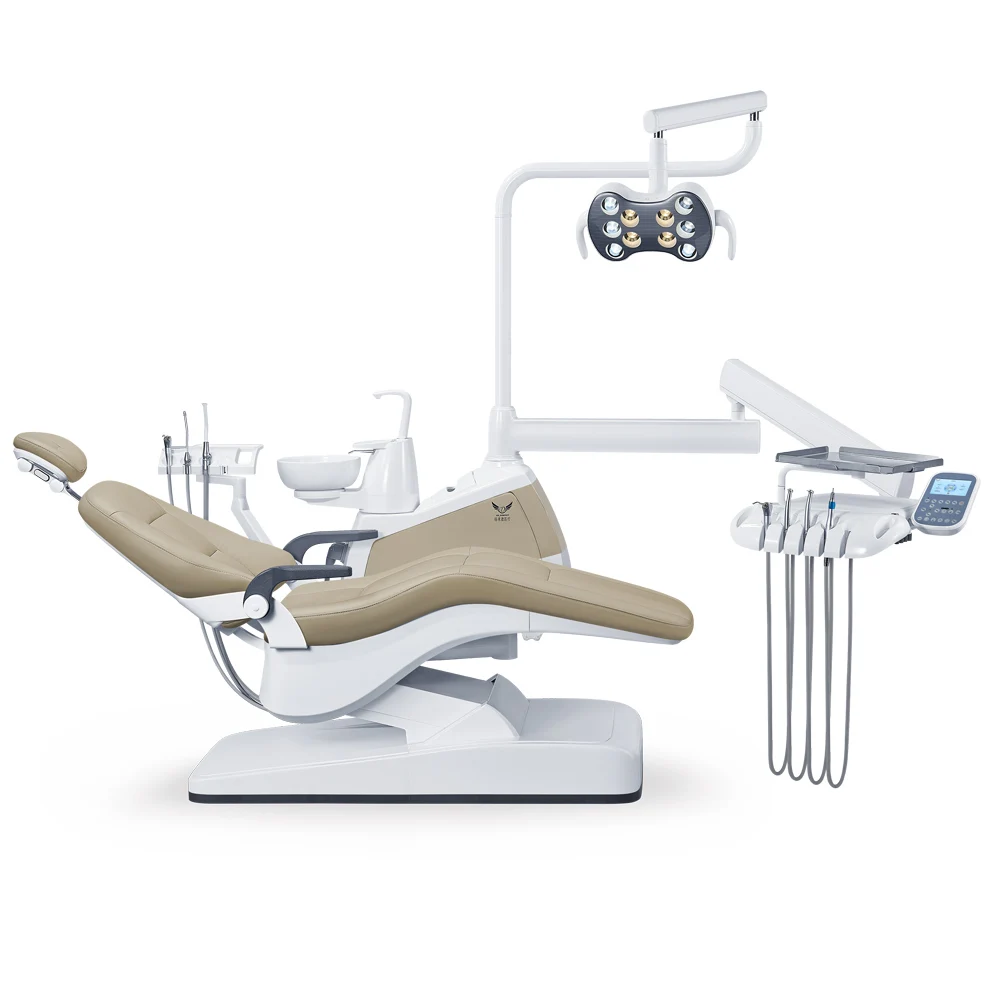
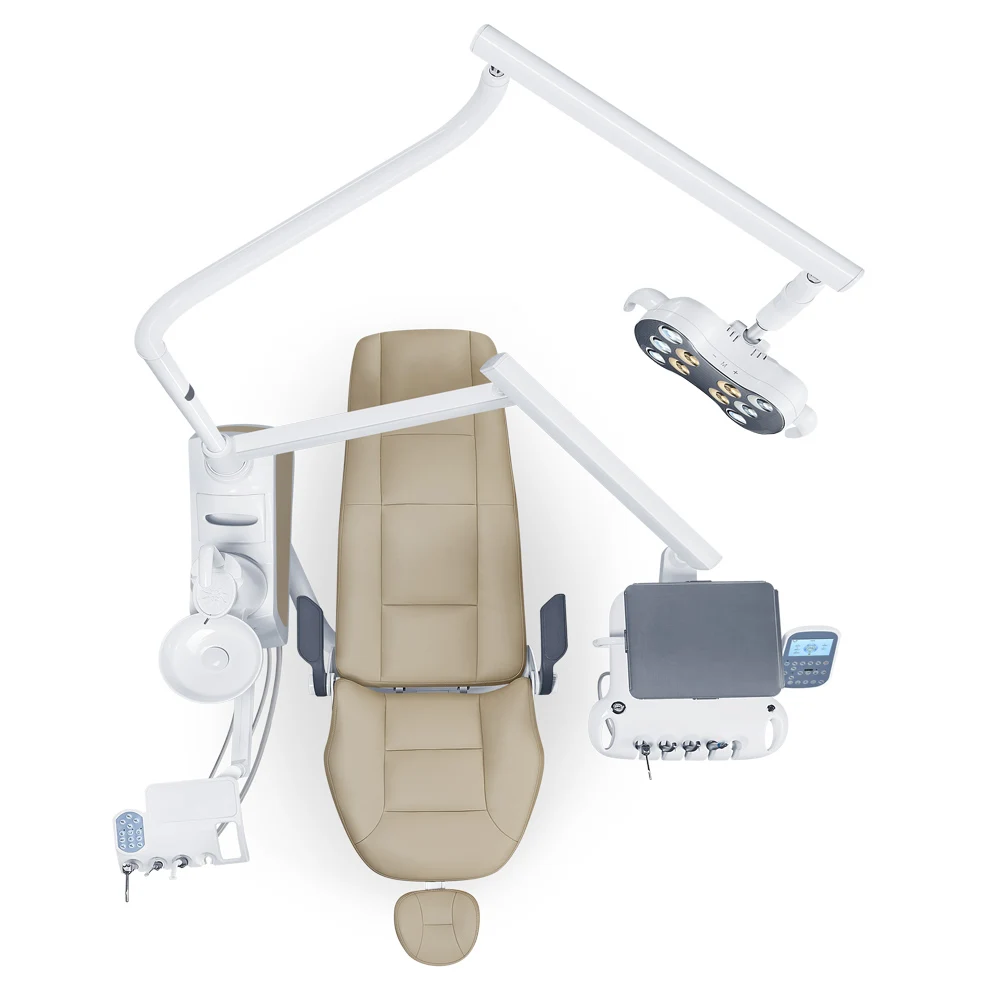
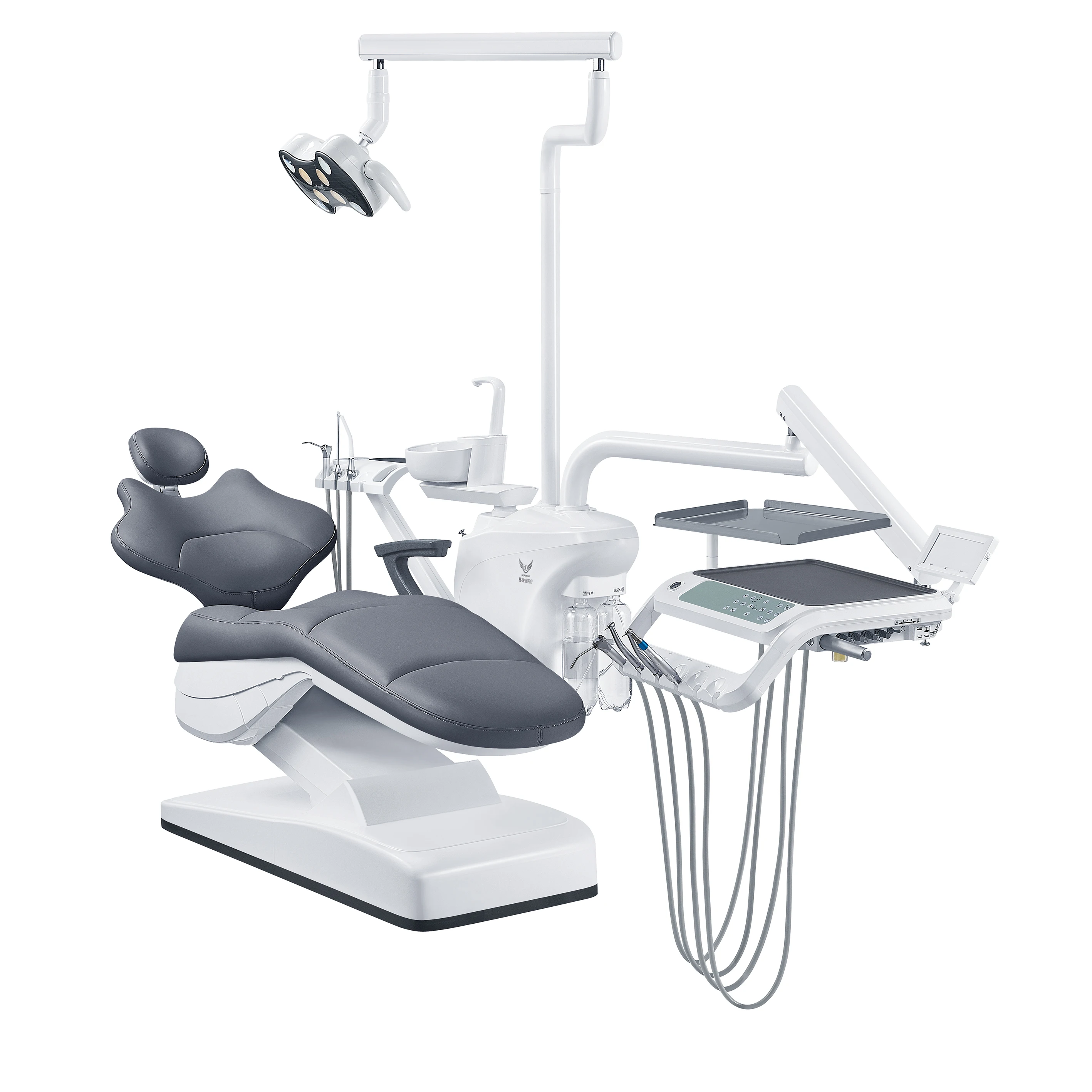
A dental unit with compressor represents an integrated solution designed specifically for modern dental practices seeking efficiency and reliability in their clinical operations. This comprehensive system combines the essential dental chair and delivery system with a built-in air compressor, eliminating the need for separate compressed air infrastructure. The dental unit with compressor serves as the central workstation where dentists perform examinations, treatments, and various procedures while maintaining optimal patient comfort and clinical precision. The main functions of this equipment include providing stable compressed air for handpieces, delivering water and suction capabilities, positioning patients ergonomically, and organizing instruments within easy reach. Technologically, these units feature advanced compressor designs that operate quietly while generating sufficient pressure for multiple simultaneous operations. Many models incorporate oil-free compressor technology to prevent contamination risks and reduce maintenance requirements. The delivery systems typically include pneumatic controls for precise instrument operation, LED lighting for enhanced visibility, and programmable positioning for repeatability. Modern dental units with compressor also integrate digital interfaces for controlling various functions, from chair movements to water temperature adjustments. The applications span general dentistry, orthodontics, endodontics, periodontics, and oral surgery. These versatile systems accommodate different practice sizes, from single-chair offices to multi-operatory clinics. The dental unit with compressor supports procedures ranging from routine cleanings and fillings to complex surgical interventions. The integrated design ensures consistent air quality and pressure, which proves critical for high-speed handpieces, air-water syringes, and curing lights. By consolidating multiple functions into one cohesive unit, dental professionals can optimize their workspace layout while ensuring all essential utilities remain readily accessible throughout patient care delivery.

New Product Releases

Choosing a dental unit with compressor delivers numerous practical benefits that directly impact daily practice operations and long-term financial performance. First, the space-saving design eliminates the requirement for a separate compressor room or dedicated equipment area, which proves particularly valuable in urban locations where real estate costs run high. Small practices and startups especially appreciate this consolidated approach, as it allows them to establish fully functional treatment rooms within limited square footage. Second, the installation process becomes significantly simpler and faster compared to traditional setups requiring extensive plumbing and electrical work throughout the building. Practitioners can set up new operatories or relocate existing ones with minimal construction disruption, reducing downtime and associated revenue loss. Third, these integrated systems typically cost less initially than purchasing separate components, and they eliminate the need for complex piping networks that add thousands to installation budgets. Fourth, maintenance becomes more straightforward when all components come from a single manufacturer with unified service protocols and compatible replacement parts. This integration reduces the likelihood of compatibility issues between different equipment brands and simplifies troubleshooting when problems arise. Fifth, the noise levels in modern dental units with compressor have decreased dramatically thanks to advanced sound-dampening technologies and efficient motor designs, creating a more pleasant environment for both patients and staff members. Sixth, energy efficiency improvements mean lower operational costs over the equipment's lifespan, as newer compressor technologies consume less electricity while delivering superior performance. Seventh, infection control becomes easier to manage with fewer external connections and sealed systems that minimize contamination pathways. Eighth, mobility options available in some models allow practitioners to reconfigure their office layouts as their practice evolves without major renovations. Ninth, the reliability of having dedicated compressed air for each operatory ensures consistent performance regardless of demand from other treatment rooms. Tenth, patient confidence increases when they see modern, well-maintained equipment, contributing to practice reputation and patient retention. Finally, many dental units with compressor include warranty coverage that encompasses all integrated components, providing financial protection and peace of mind that separate system purchases cannot match. These combined advantages make the dental unit with compressor an intelligent investment for practitioners prioritizing efficiency, reliability, and patient satisfaction.

Latest News

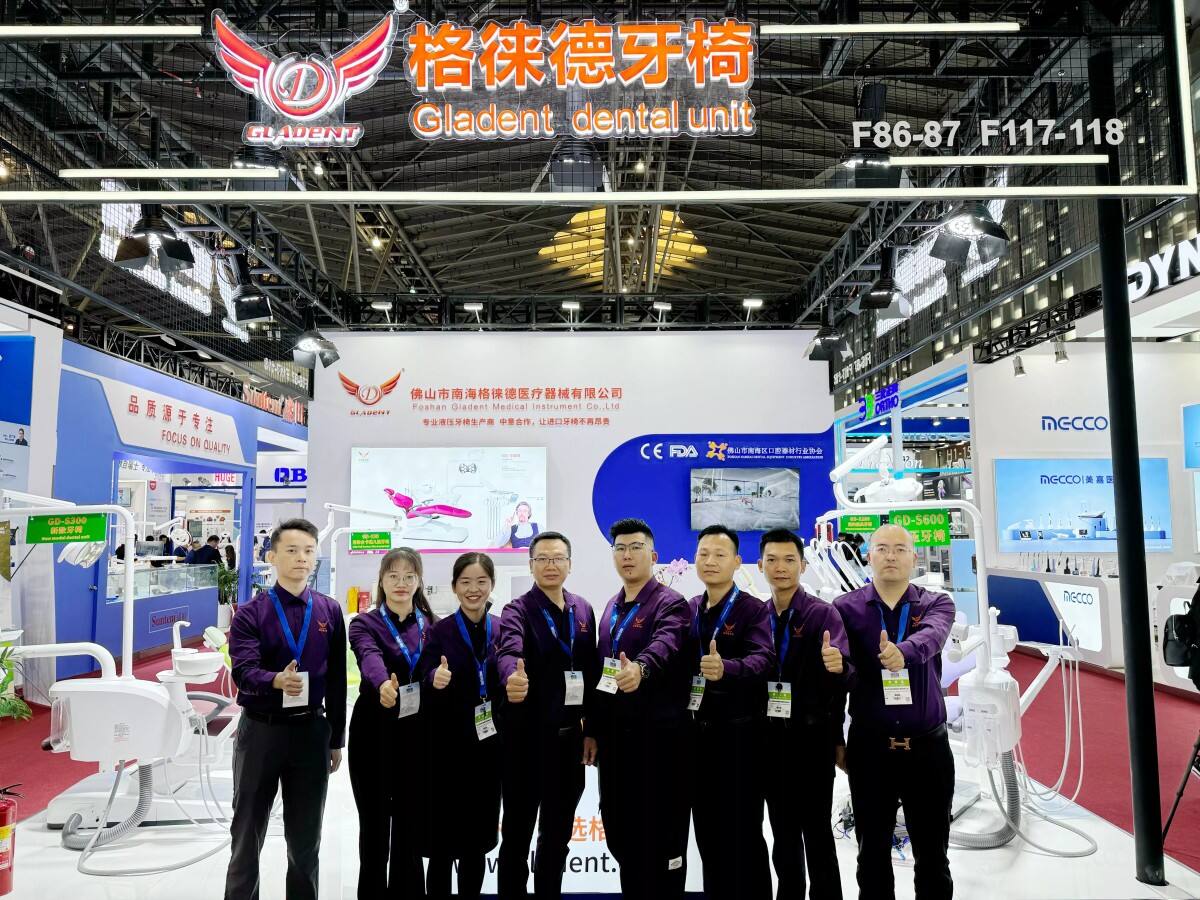
Gladent Medical in DenTech 2024 in Shanghai

27

Aug

Gladent Medical in DenTech 2024 in Shanghai

View More
Innovation Journey - GLADENT Dental Chairs: [The 30th South China International Dental Exhibition 2025 Concludes Successfully]

27

Aug

Innovation Journey - GLADENT Dental Chairs: [The 30th South China International Dental Exhibition 2025 Concludes Successfully]

View More
Distribute Women's Day gifts to female employees

28

Aug

Distribute Women's Day gifts to female employees

View More

Get a Free Quote

Our representative will contact you soon.
Email
Mobile
Name
Company Name
Message
0/1000

dental unit with compressor

Advanced Compressor Technology for Consistent Clinical Performance

Advanced Compressor Technology for Consistent Clinical Performance

The compressor technology integrated into modern dental units represents a significant advancement in dental equipment engineering, delivering reliable compressed air exactly where practitioners need it most. Unlike traditional central compressor systems that serve multiple operatories through extensive piping networks, the dental unit with compressor provides dedicated air supply directly at the point of use, eliminating pressure drops and performance inconsistencies that can compromise treatment quality. These integrated compressors utilize oil-free designs that prevent lubricant contamination of the air supply, which is absolutely essential for patient safety and meets stringent health regulations. The oil-free operation also reduces maintenance frequency and eliminates the need for oil changes, filters, and disposal of hazardous waste materials. Advanced piston or scroll compressor mechanisms generate pressures typically ranging from 5 to 8 bar, which suffices for all standard dental applications including high-speed handpieces, scalers, air-water syringes, and laboratory equipment. The compressor motors feature thermal protection and automatic shutoff capabilities that prevent overheating damage during extended use periods or when airflow becomes restricted. Sophisticated pressure regulation systems maintain consistent output regardless of demand fluctuations, ensuring that handpiece torque remains steady throughout procedures and preventing the performance variations that can lead to imprecise preparations or patient discomfort. Noise reduction technologies including insulated housings, vibration dampening mounts, and optimized airflow paths keep operational sound levels remarkably low, often below 60 decibels, which compares favorably to normal conversation levels. This quiet operation proves particularly important in creating calm treatment environments that reduce patient anxiety. The duty cycle capabilities of these integrated compressors allow for continuous operation throughout busy clinical days without overheating or performance degradation. Tank capacities integrated into the system provide reserve air volume that handles peak demand moments when multiple instruments operate simultaneously. Air drying systems within many dental units with compressor remove moisture that could otherwise corrode instruments or interfere with bonding procedures, extending equipment lifespan and improving clinical outcomes. The compact engineering of these compressor systems fits seamlessly within the dental unit chassis without protruding into the treatment area or impeding clinician movement around the patient. Easy-access service panels allow technicians to perform routine maintenance quickly, and diagnostic displays alert users to potential issues before they cause operational failures, maximizing uptime and preventing unexpected treatment interruptions.
Ergonomic Integration for Enhanced Workflow Efficiency

Ergonomic Integration for Enhanced Workflow Efficiency

The ergonomic integration of all essential components within a dental unit with compressor fundamentally transforms clinical workflow by positioning instruments, controls, and utilities exactly where practitioners need them throughout treatment procedures. This thoughtful design philosophy recognizes that efficient dentistry requires seamless access to tools without excessive reaching, twisting, or visual diversion from the operative field. The delivery system typically mounts on an articulating arm that swings smoothly through a wide range of positions, allowing dentists to bring instruments directly to their optimal working zone while maintaining neutral posture. This positional flexibility accommodates different practitioner heights, working styles, and procedure types without requiring clinicians to compromise their body mechanics or strain to reach equipment. Instrument holders within the delivery system organize handpieces, scalers, and syringes in logical sequences that match common procedural workflows, reducing the mental load of locating tools and allowing practitioners to maintain focus on clinical tasks. Color-coding systems and intuitive layouts help staff members quickly identify the correct instrument even during complex procedures requiring frequent tool changes. The dental unit with compressor typically includes programmable positioning that allows practitioners to save preferred chair and delivery system configurations for different procedure types, then recall these positions with a single button press. This automation eliminates the time spent making incremental adjustments and ensures consistent ergonomic positioning across multiple patients. The chair component features sophisticated hydraulic or electric actuators that provide smooth, quiet movements through full ranges of height adjustment, backrest angulation, and leg support positioning. Memory foam padding and anatomically contoured surfaces distribute patient weight evenly, preventing pressure points during lengthy procedures and improving patient cooperation. Headrest designs stabilize patient positioning while allowing slight adjustments for airway management and access to different oral regions. The integrated lighting systems in dental units with compressor utilize LED technology that delivers consistent color temperature matching natural daylight, which proves critical for shade matching in esthetic procedures. These lights mount on flexible arms with friction joints that hold positions reliably yet adjust effortlessly with light finger pressure. The close integration of the compressor within the dental unit chassis ensures that air supply lines remain short and direct, minimizing pressure losses and eliminating the tangled hoses that create tripping hazards and clutter the treatment area. Control interfaces position within easy reach yet away from contamination zones, with touchless operation options available on premium models to support infection control protocols.
Comprehensive Utility Integration for Complete Treatment Capability

Comprehensive Utility Integration for Complete Treatment Capability

The comprehensive utility integration within a dental unit with compressor consolidates all essential treatment support systems into one coordinated platform, eliminating the complexity and reliability concerns associated with assembling equipment from multiple manufacturers. This integration encompasses compressed air generation and delivery, clean water supply with temperature control, high-volume evacuation for saliva and aerosol removal, instrument lubrication systems, and electrical power distribution for accessories. The water supply systems in modern dental units with compressor include independent bottle systems or direct plumbing connections with backflow prevention devices that meet health code requirements. Filtration stages remove particulates and chemical contaminants while maintaining beneficial mineral content, and some models include ultraviolet sterilization chambers that eliminate bacterial contamination between treatment sessions. Water heating elements provide temperature control that enhances patient comfort during cleanings and prevents thermal sensitivity during operative procedures. Separate water pathways serve different functions, with dedicated lines for handpiece cooling, air-water syringe operation, and ultrasonic scaler supply, preventing cross-contamination and allowing customized flow rates for each application. The suction systems integrated into dental units with compressor typically include both high-volume evacuation for bulk fluid removal and saliva ejector capability for continuous low-volume drainage. These systems generate sufficient vacuum pressure to capture aerosols generated during high-speed cutting procedures, which proves essential for infection control and visibility maintenance. Trap designs prevent blockages from debris while allowing easy cleaning access, and some models incorporate automated cleaning cycles that flush lines with disinfectant solutions between patients. The electrical systems within dental units with compressor distribute power to multiple instruments through conveniently located outlets while incorporating surge protection and isolated grounds that prevent electrical interference with sensitive electronic equipment. USB charging ports and accessory mounting points accommodate intraoral cameras, curing lights, and other auxiliary devices that modern practices utilize regularly. Pneumatic instrument drive systems deliver air at precisely regulated pressures through quick-disconnect fittings that allow rapid instrument changes while maintaining consistent performance characteristics. Fiber optic connections integrated into handpiece tubings provide brilliant illumination directly at the working area, eliminating shadows and improving visibility without generating heat. Centralized control systems allow practitioners to adjust multiple parameters from a single interface, setting water temperature, suction intensity, light brightness, and chair position through intuitive touchscreen displays or traditional panel controls. The dental unit with compressor includes automated maintenance reminders that track usage hours and alert staff when routine service becomes due, preventing unexpected failures and extending equipment lifespan through proper care.