Hygienic Design Features for Clinical Safety Standards
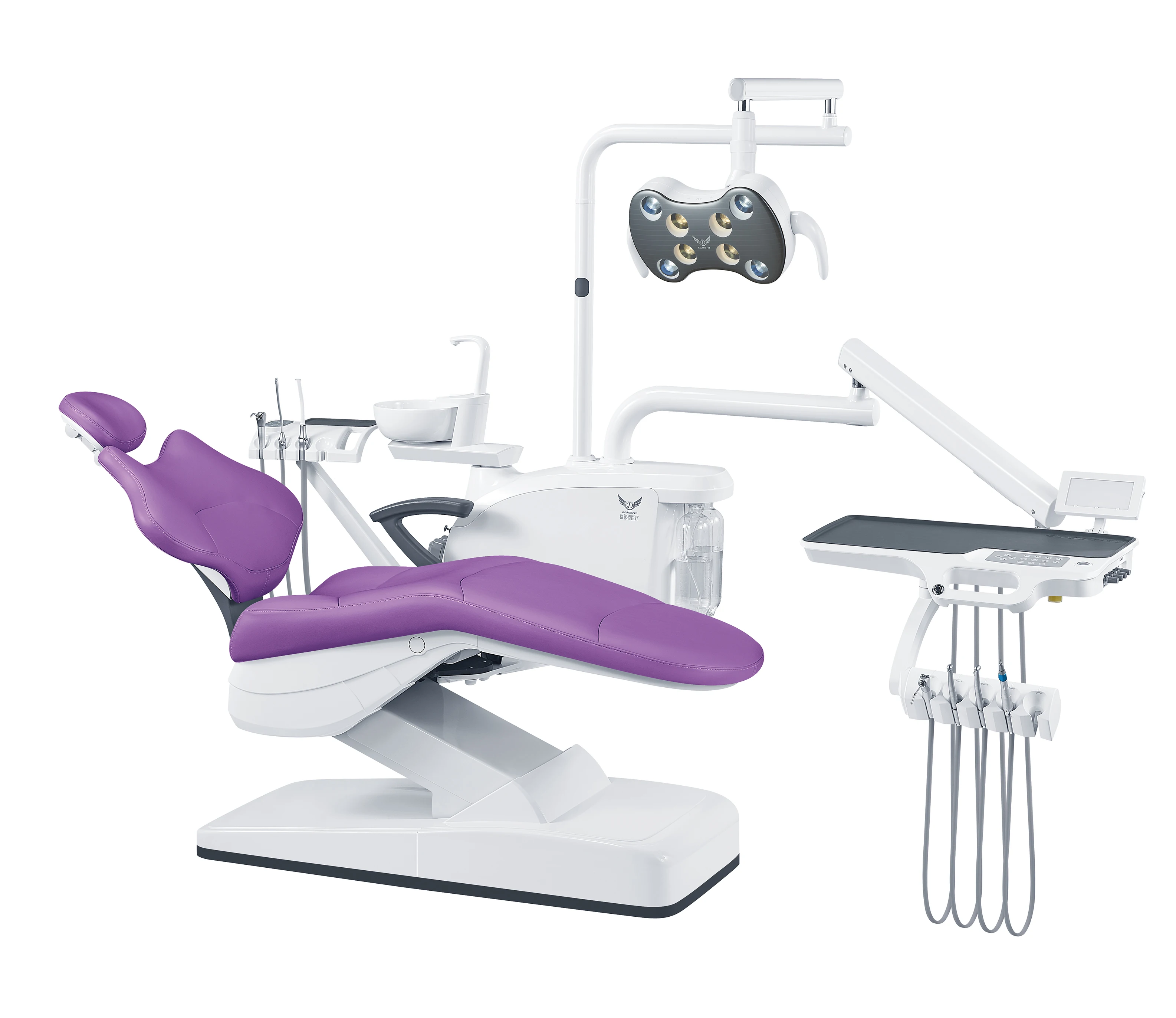
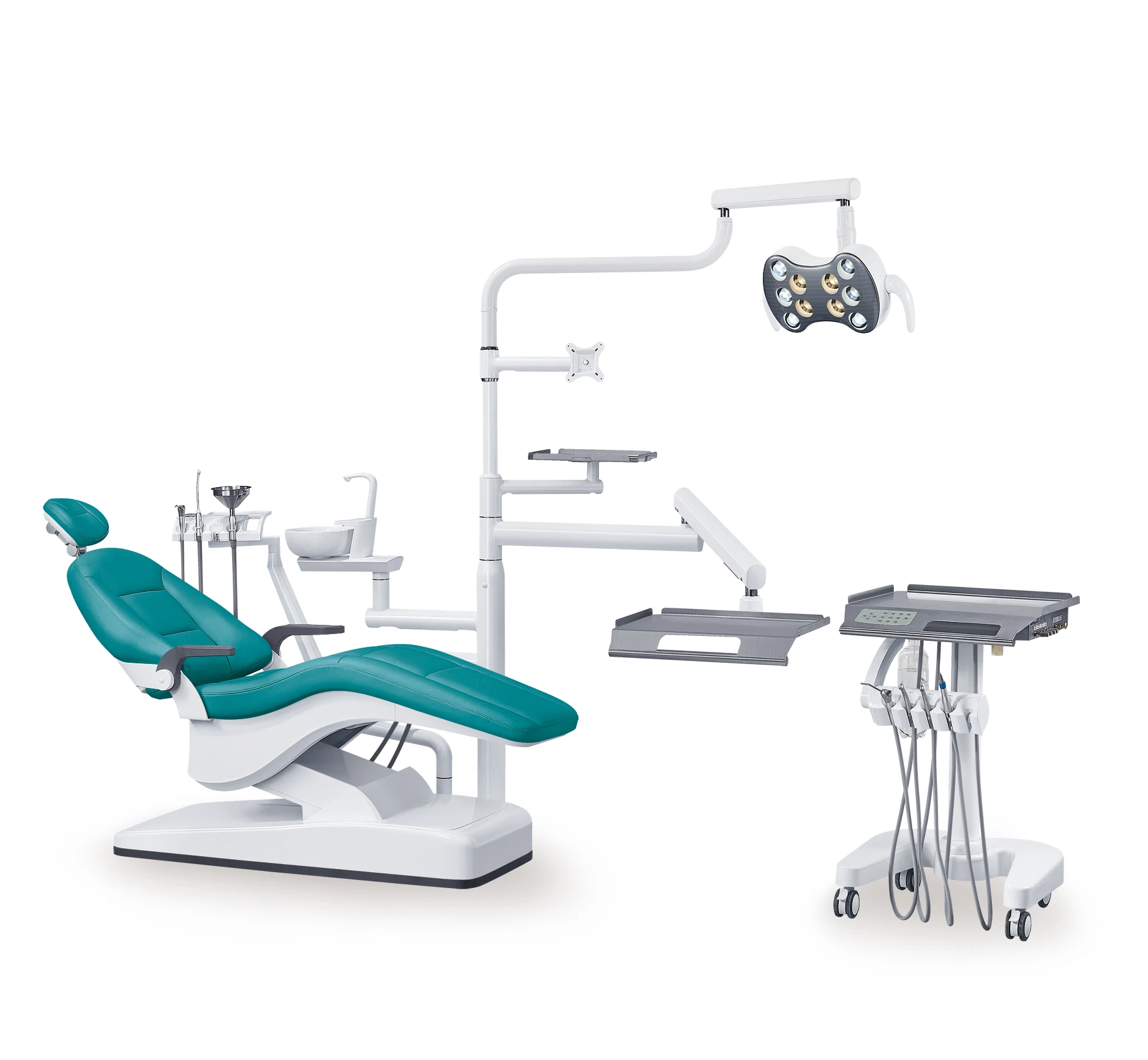
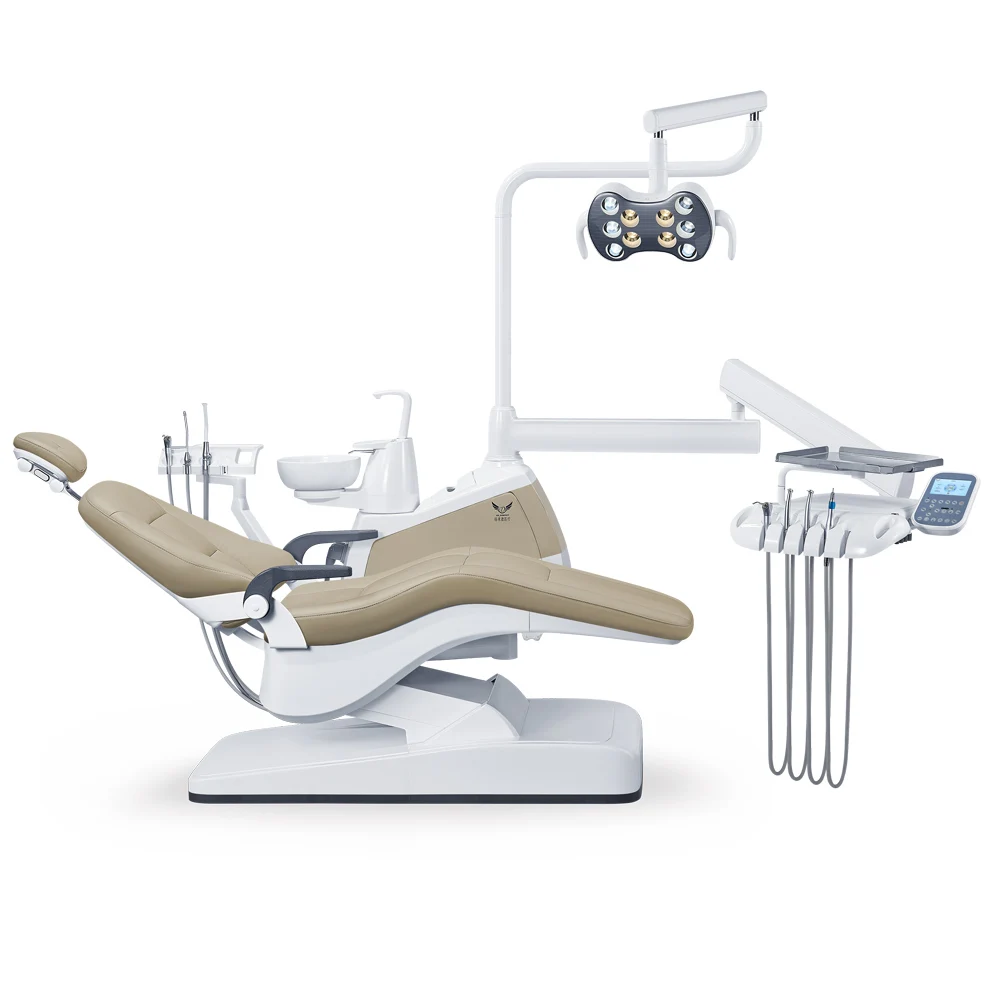
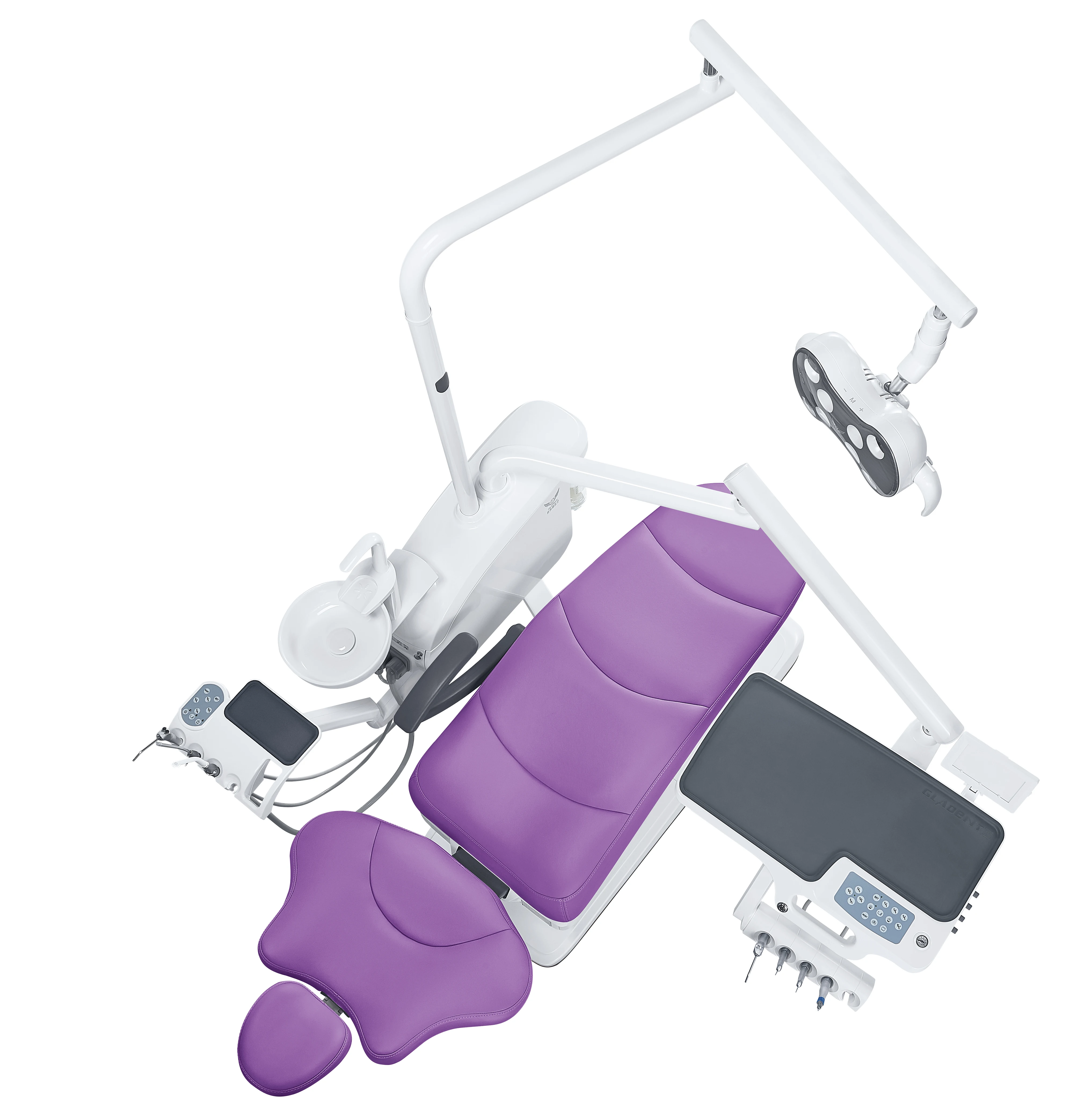
The comfortable dental chair with soft cushion addresses stringent infection control requirements through thoughtful design features that facilitate thorough cleaning while preventing microbial colonization in areas that contact patients or accumulate bioburden during dental procedures. Medical-grade upholstery materials used in quality dental chairs resist penetration by blood, saliva, and irrigation fluids that commonly contact chair surfaces during restorative, surgical, and periodontal treatments. These barrier fabrics maintain their integrity through repeated exposure to quaternary ammonium compounds, alcohol-based disinfectants, and sodium hypochlorite solutions that constitute standard infection control protocols in dental practices. The seamless construction techniques employed in manufacturing the comfortable dental chair with soft cushion eliminate the stitched seams and tufted buttons found in conventional upholstered furniture, removing the crevices where organic material accumulates and creates reservoirs for bacterial proliferation between patient appointments. Welded or thermally bonded seams create continuous surfaces that cleaning solutions can contact uniformly, ensuring disinfectants reach all exposed areas without gaps that harbor contamination. The cushion covers feature smooth, non-porous surfaces that prevent absorption of fluids and allow mechanical removal of debris through simple wiping protocols, reducing the time required for turnover procedures between patients and enabling practices to maintain efficient scheduling without compromising safety standards. Antimicrobial additives incorporated into both the upholstery material and underlying foam provide an additional layer of protection, actively inhibiting microbial growth on contact rather than merely creating passive barriers. These additives utilize silver ion technology or other proven antimicrobial agents that remain effective throughout the product lifespan, continuously protecting against bacterial and fungal colonization even in areas that may not receive direct disinfectant contact during routine cleaning. The comfortable dental chair with soft cushion design minimizes horizontal surfaces and complex contours where dust and debris settle, utilizing sloped profiles that encourage particulates to slide off rather than accumulate. Removable components such as headrest covers and armrest pads can be detached quickly for thorough cleaning or replacement, extending the functional life of the chair while maintaining pristine appearance and hygiene standards. The color selection for upholstery materials balances aesthetic preferences with practical considerations, offering neutral tones that do not show minor staining while avoiding pure white surfaces that reveal every speck of discoloration and create maintenance burdens. The comfortable dental chair with soft cushion meets or exceeds regulatory standards established by health authorities for medical furniture, including flammability resistance ratings that ensure patient safety in the unlikely event of fire and chemical resistance specifications that guarantee material integrity under clinical use conditions. Quality manufacturers provide detailed cleaning and maintenance protocols specific to their comfortable dental chair with soft cushion models, specifying compatible disinfectants, recommended cleaning frequencies, and inspection procedures that help practices maintain equipment in optimal condition while preserving warranty coverage and ensuring long-term performance reliability.

 EN
EN


![Innovation Journey - GLADENT Dental Chairs: [The 30th South China International Dental Exhibition 2025 Concludes Successfully]](https://shopcdnpro.grainajz.com/category/19383/3803/616cc2b5bdfecec5e7c5b6aa95e40d84/%E5%BE%AE%E4%BF%A1%E5%9B%BE%E7%89%87_20250826164700.jpg)