Electric Dental Chair: Advanced Comfort and Precision for Modern Dental Practices

EN EN

Call Us:+86-757-81267151

electric dental chair

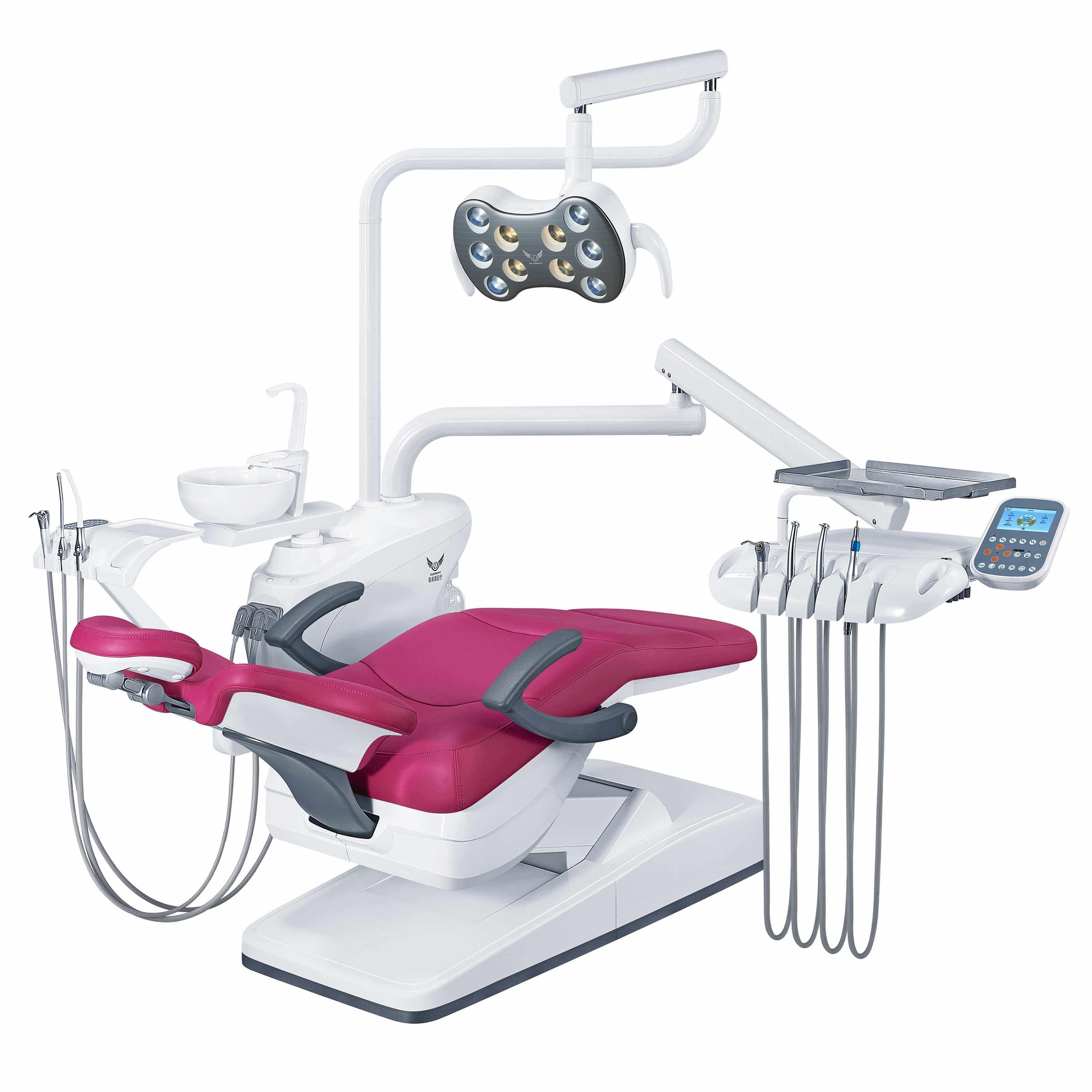
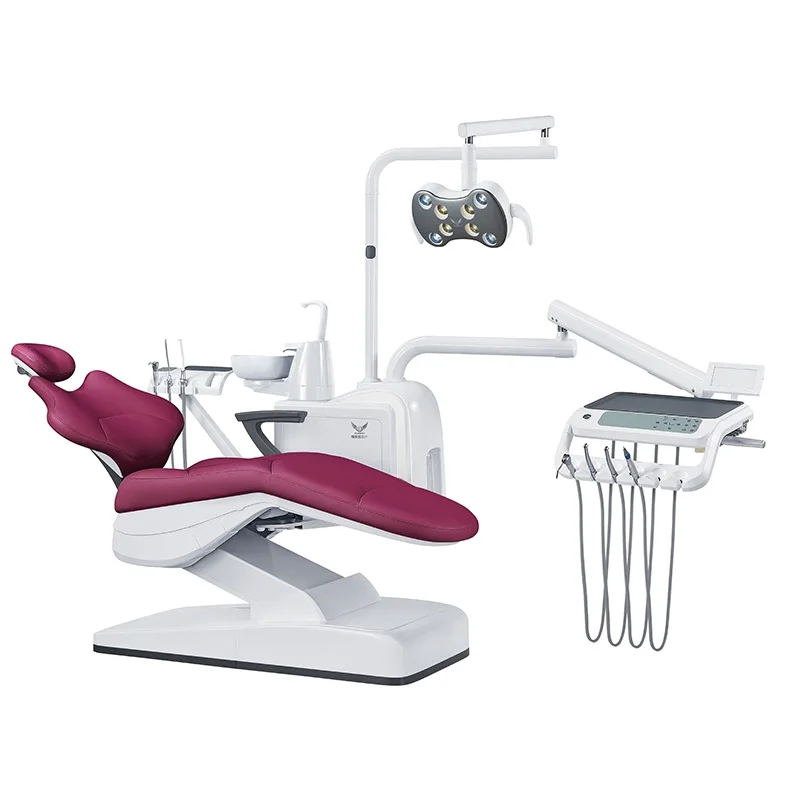
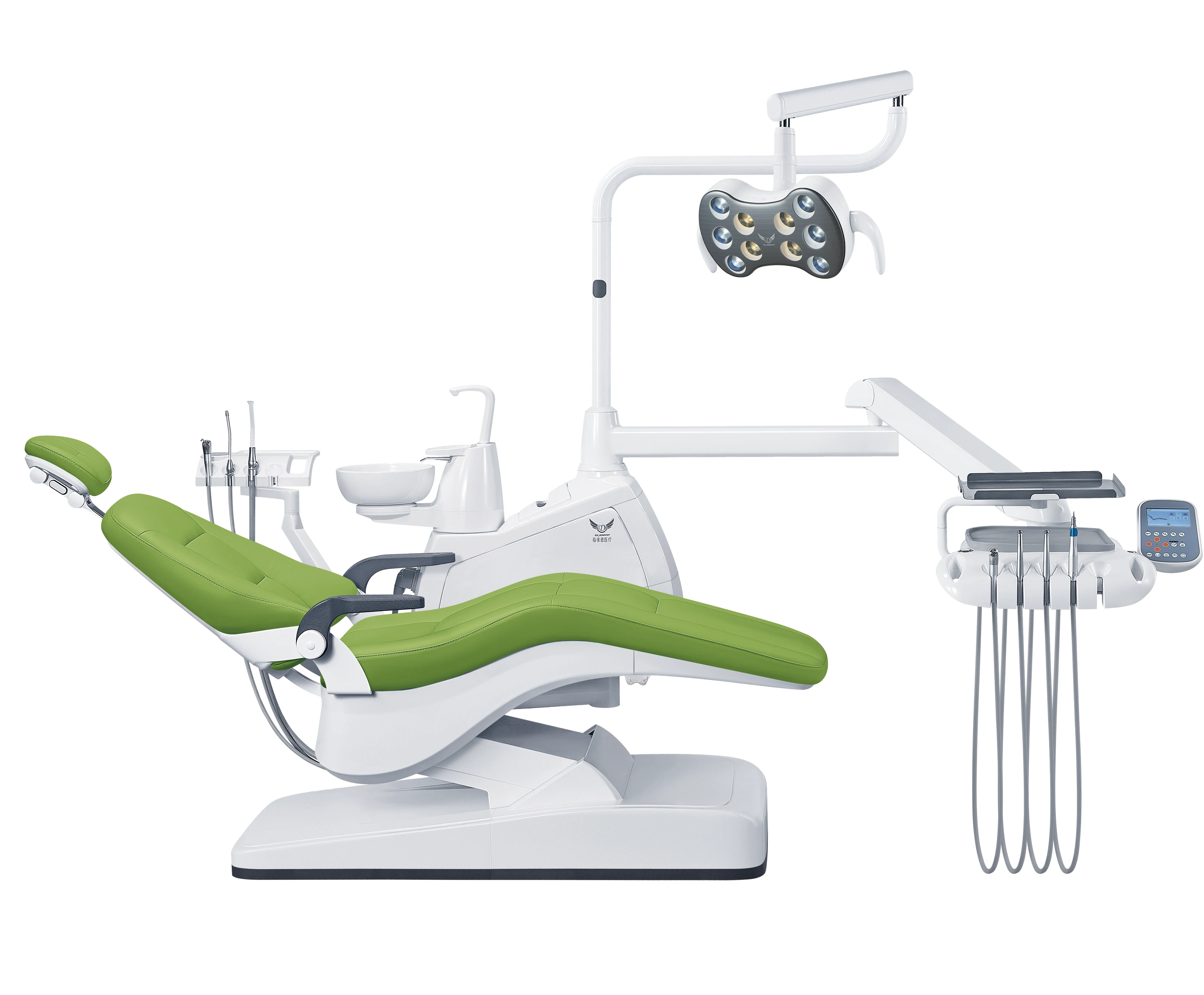
An electric dental chair represents a sophisticated piece of medical equipment that has revolutionized modern dentistry practices. This advanced seating system combines precision engineering with ergonomic design to create an optimal environment for both dental professionals and their patients. The electric dental chair operates through a motorized mechanism that allows smooth, controlled movements across multiple axes, enabling practitioners to position patients with exceptional accuracy. The chair's primary functions include adjustable height positioning, backrest reclination, and seat tilting, all controlled through intuitive foot pedals or touchpad interfaces. Modern electric dental chairs integrate seamlessly with other dental equipment, featuring built-in connections for delivery systems, lighting units, and suction apparatus. The technological features of these chairs include programmable memory positions that allow dentists to save preferred configurations for different procedures, ensuring consistent positioning and reducing setup time between patients. Many models incorporate advanced hydraulic systems or electric linear actuators that provide whisper-quiet operation, minimizing patient anxiety during treatment. The upholstery typically consists of medical-grade materials that resist staining, tearing, and bacterial growth, while offering superior comfort during extended procedures. Electric dental chairs find applications across various dental specialties, from general practice and orthodontics to oral surgery and periodontics. In general dentistry, the chair facilitates routine examinations, cleanings, and restorative work by providing stable patient positioning. Orthodontists benefit from the chair's ability to accommodate patients of different ages and sizes during bracket placements and adjustments. Oral surgeons require the chair's capacity to transition patients into fully reclined positions for complex extractions and implant procedures. The chair's versatility extends to pediatric dentistry, where gentle movements and comfortable positioning help create a less intimidating experience for young patients. These chairs also support infection control protocols through easy-to-clean surfaces and removable components that can be thoroughly sanitized between appointments.


New Product Recommendations

The electric dental chair delivers substantial practical benefits that directly impact daily clinical operations and patient satisfaction. First, these chairs dramatically reduce physical strain on dental professionals who previously relied on manual positioning systems. Dentists and hygienists can adjust chair height and angle effortlessly with simple foot pedal commands, eliminating the need for awkward manual cranking or pumping mechanisms that caused fatigue during long workdays. This ergonomic advantage translates into reduced workplace injuries and longer, more productive careers for dental practitioners. The precision control offered by electric systems allows professionals to achieve exact positioning in seconds, ensuring optimal access to the treatment area while maintaining patient comfort. Patients experience significantly improved comfort compared to older chair designs, as electric models provide smooth transitions between positions without jarring movements or sudden drops. The cushioning systems in modern electric dental chairs distribute body weight evenly, preventing pressure points that cause discomfort during lengthy procedures. Many patients report reduced anxiety when seated in electric dental chairs because the quiet operation and gradual movements feel less clinical and intimidating. From a business perspective, electric dental chairs enhance practice efficiency by reducing chair turnover time between appointments. Programmable memory functions enable staff to recall standard positions instantly, eliminating guesswork and repetitive adjustments. This efficiency allows practices to serve more patients daily without compromising care quality. The reliability of electric mechanisms means fewer maintenance issues and less downtime compared to hydraulic systems prone to leaks and pressure failures. Practices that invest in electric dental chairs often see improved patient retention, as comfortable experiences encourage return visits and positive referrals. The professional appearance of these chairs also elevates the practice's image, signaling to patients that the office employs current technology and prioritizes their comfort. Insurance companies and regulatory bodies increasingly recognize practices with modern equipment as lower-risk investments, potentially affecting liability premiums favorably. Energy efficiency represents another practical advantage, as contemporary electric dental chairs consume minimal power during operation and standby modes. The chairs' modular design allows for easier repairs and component upgrades, extending the equipment's useful life and protecting the initial investment. Training new staff members becomes simpler with intuitive electric controls compared to complex manual systems, reducing onboarding time and improving team confidence when handling equipment.

Latest News

Gladent Medical in DenTech 2024 in Shanghai

27

Aug

Gladent Medical in DenTech 2024 in Shanghai

View More
Innovation Journey - GLADENT Dental Chairs: [The 30th South China International Dental Exhibition 2025 Concludes Successfully]

27

Aug

Innovation Journey - GLADENT Dental Chairs: [The 30th South China International Dental Exhibition 2025 Concludes Successfully]

View More
Distribute Women's Day gifts to female employees

28

Aug

Distribute Women's Day gifts to female employees

View More

Get a Free Quote

Our representative will contact you soon.
Email
Mobile
Name
Company Name
Message
0/1000

electric dental chair

Advanced Positioning Technology for Optimal Treatment Access

Advanced Positioning Technology for Optimal Treatment Access

The electric dental chair incorporates sophisticated positioning technology that fundamentally transforms how dental professionals approach patient care and treatment execution. At the core of this capability lies a multi-axis movement system that provides unprecedented control over patient positioning throughout procedures. The chair can smoothly transition through height adjustments ranging from low positions that facilitate patient entry and exit to elevated positions that bring the oral cavity to the practitioner's optimal working height. This vertical movement eliminates the need for dentists to bend awkwardly or strain their backs and necks, promoting better posture and reducing musculoskeletal disorders that plague the profession. The backrest articulation allows for precise angle adjustments from fully upright sitting positions to completely supine orientations, with infinite positioning possibilities between these extremes. This flexibility proves essential when performing diverse procedures that require different access angles to the mouth. For instance, lower molar work often demands a more reclined position than anterior tooth treatments, and the electric system makes these transitions seamless. The seat section can tilt independently, creating contoured positions that support the lumbar region while opening the oral cavity for improved visibility and instrument access. Sophisticated electric dental chairs feature synchronized movement patterns where multiple sections adjust simultaneously to maintain patient comfort and anatomical alignment during repositioning. The technology includes soft-start and soft-stop functions that gradually initiate and conclude movements, preventing the sudden jolts that startle patients and disrupt delicate procedures. Many systems incorporate load-sensing capabilities that adjust motor power based on patient weight, ensuring consistent movement speeds regardless of who occupies the chair. The positioning controls typically offer multiple interface options, including foot pedals that keep the dentist's hands free for instruments, touchpad panels mounted on the chair for assistant access, and sometimes wireless remote controls for ultimate flexibility. Memory programming represents a significant technological advancement, allowing practitioners to save up to eight or more preferred positions for different procedure types, then recall them with a single button press. This feature proves invaluable in busy practices where time efficiency directly impacts profitability and patient satisfaction.
Enhanced Patient Comfort Through Ergonomic Design Innovation

Enhanced Patient Comfort Through Ergonomic Design Innovation

Modern electric dental chairs prioritize patient comfort through thoughtful ergonomic design that addresses the psychological and physical challenges of dental visits. The seating surface utilizes high-density foam padding with varying firmness zones that support different body regions appropriately, preventing the numbness and discomfort that develop during extended appointments. This multi-density approach places firmer support under the pelvis and thighs where skeletal structure can bear weight, while softer cushioning cradles the upper back and head where muscle tissue requires gentle support. The upholstery materials represent a careful balance between clinical practicality and patient comfort, featuring breathable fabrics or synthetic leathers that maintain a pleasant temperature rather than becoming hot and sticky during long procedures. The chair's contoured shape follows natural body curves, providing continuous support from shoulders to calves without gaps that cause muscle tension as patients unconsciously try to bridge unsupported areas. Headrest design receives particular attention in electric dental chairs, with many models offering adjustable headrests that tilt, slide, and rotate to accommodate different skull shapes and procedure requirements. This customization ensures proper neck alignment, preventing the stiffness and pain patients often experience after dental work. Armrests on premium electric dental chairs articulate independently, swinging out of the way for patient entry then rotating into supportive positions once the patient is seated. These armrests reduce shoulder tension by giving patients something to hold during stressful moments, while their ability to retract prevents them from interfering with the dentist's access to the oral cavity. The chair's width accommodates patients of various sizes comfortably without making smaller individuals feel lost in excess space or larger patients feel confined. Foot support extensions on some models provide leg elevation options that improve circulation during lengthy procedures and reduce lower back pressure. The electric dental chair's smooth, controlled movements contribute significantly to comfort by eliminating the anxiety-inducing jerks and drops associated with older chair mechanisms. Patients report feeling more relaxed when they can trust the chair to move predictably and gently. The quiet operation of electric motors further enhances the calming environment, as the absence of loud hydraulic hissing or mechanical grinding sounds reduces the clinical atmosphere that many patients find stressful.
Superior Durability and Maintenance Efficiency for Long-Term Value

Superior Durability and Maintenance Efficiency for Long-Term Value

Electric dental chairs deliver exceptional long-term value through robust construction and maintenance-friendly design that minimize ownership costs over their operational lifespan. The fundamental structure typically employs heavy-gauge steel frames with reinforced stress points that can support patient weights exceeding three hundred pounds while maintaining smooth operation and positional stability. This structural integrity ensures the chair remains safe and functional through thousands of patient cycles without developing the wobbles, creaks, or mechanical looseness that compromise older equipment. The electric motor systems utilize sealed components that protect against the moisture, disinfectants, and aerosols present in dental environments, preventing corrosion and extending motor life significantly beyond what exposed mechanisms could achieve. Many manufacturers employ brushless motor technology that eliminates the wear-prone carbon brushes found in traditional electric motors, reducing maintenance requirements and improving reliability. The electrical systems incorporate circuit protection mechanisms that prevent damage from power surges or overload conditions, safeguarding the substantial investment in chair electronics. The upholstery attachment methods allow for relatively simple replacement when wear eventually occurs, using either stretch covers that install without tools or panels that secure with concealed fasteners accessible to maintenance personnel. This repairability means practices can refresh chair appearance and maintain infection control standards without replacing entire chair units. The modular design philosophy employed in quality electric dental chairs enables component-level repairs rather than wholesale replacements when issues arise. A malfunctioning control pad, worn motor, or damaged upholstery section can be swapped out individually, dramatically reducing repair costs compared to integrated systems where one failure necessitates extensive disassembly or complete replacement. Diagnostic systems built into advanced electric dental chairs provide error codes and status indicators that help technicians quickly identify problems, reducing troubleshooting time and minimizing practice downtime. The chairs typically require minimal routine maintenance beyond periodic cleaning and occasional lubrication of mechanical joints, contrasting sharply with hydraulic systems that demand regular fluid checks, seal inspections, and leak repairs. The absence of hydraulic fluids also eliminates the environmental and safety concerns associated with oil leaks that can damage flooring, create slip hazards, and require costly cleanup. Electric systems maintain consistent performance characteristics throughout their service life, without the gradual degradation in lifting speed and positioning precision that affects hydraulic chairs as seals wear and fluid becomes contaminated.