 EN
EN
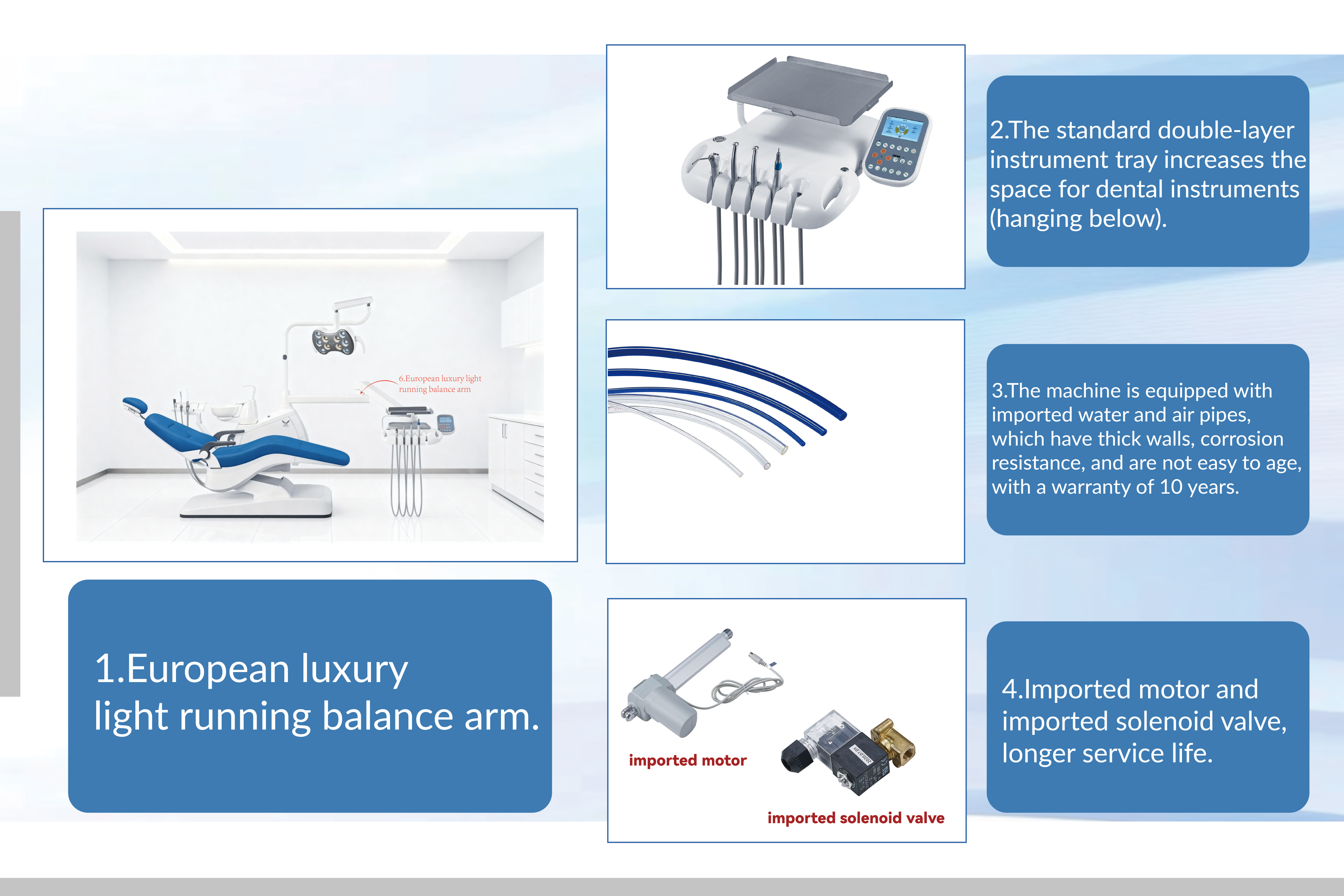
The dental equipment industry stands at a pivotal moment, with transformative innovations reshaping how practitioners deliver care and patients experience treatment. At the heart of this evolution lies the dental chair, a cornerstone technology that has undergone remarkable transformation in recent years. Modern dental chair development reflects advances in materials science, digital integration, ergonomic engineering, and patient-centered design. Understanding these innovations helps dental professionals make informed decisions about equipment investment and operational efficiency in their practices.
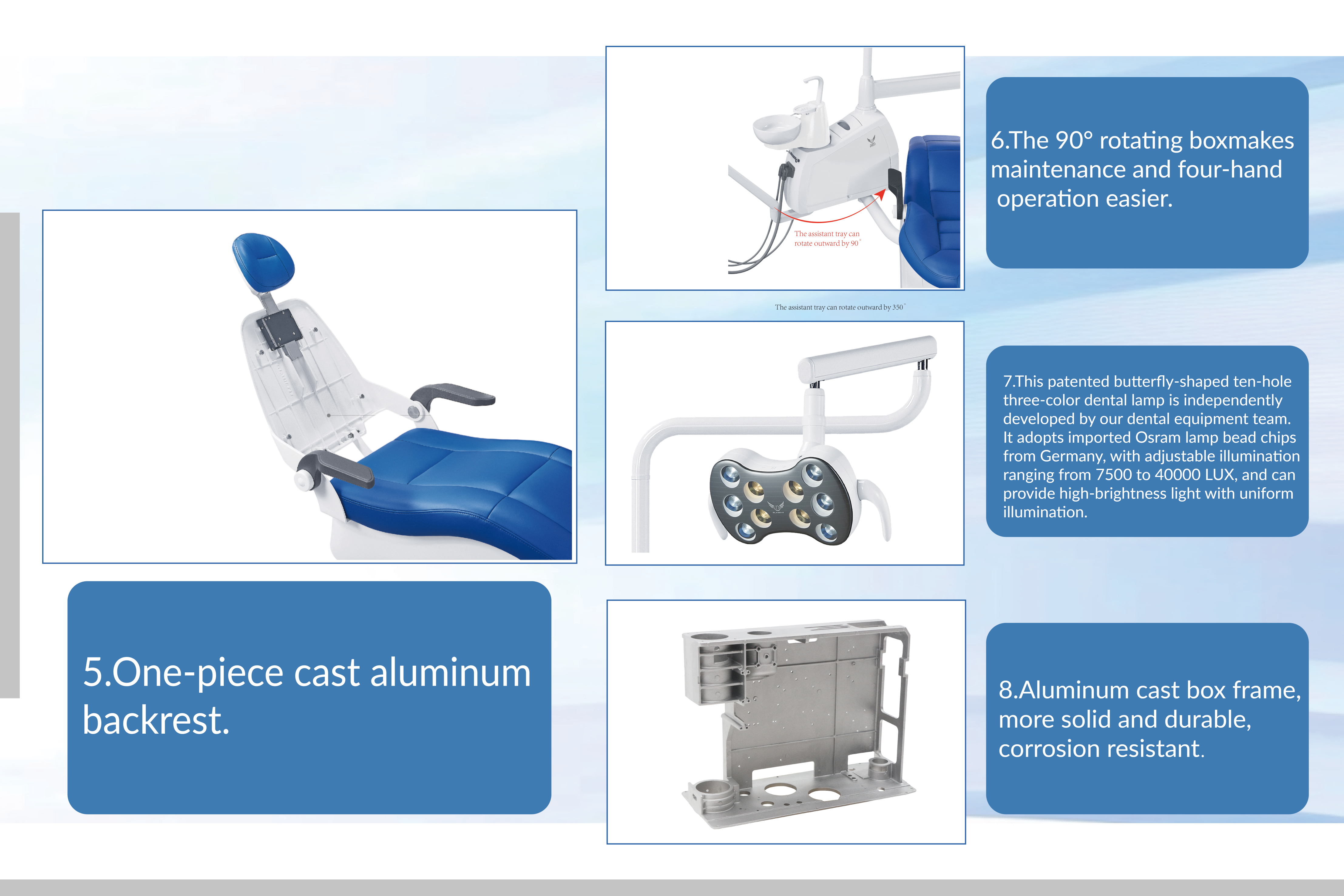
The dental chair market is experiencing accelerated innovation cycles driven by competitive pressure, regulatory advancement, and clinical demands. Dental chair manufacturers are investing heavily in automation, connectivity, and sustainability features that address both operator ergonomics and patient comfort. These developments signal a fundamental shift in how dental practices approach equipment strategy, moving beyond basic functionality toward integrated systems that enhance workflow efficiency and clinical outcomes.
Ergonomic Advancement and Operator Wellness
Designing the Dental Chair for Extended Use
Dentist fatigue and work-related musculoskeletal disorders remain significant occupational health challenges in clinical practice. The modern dental chair now incorporates sophisticated ergonomic features that reduce strain during long treatment sessions. Precision height adjustment, customizable armrest positioning, and lumbar support mechanisms allow each practitioner to configure the dental chair to their unique anatomical requirements. These ergonomic innovations directly impact productivity by reducing operator fatigue, decreasing treatment errors, and extending career longevity for dental professionals.
Material Innovation in Dental Chair Design
Contemporary dental chair construction employs advanced materials that balance durability with infection control requirements. Memory foam upholstery with antimicrobial properties now integrates seamlessly into the dental chair framework, providing comfort while maintaining clinical hygiene standards. The dental chair is increasingly manufactured with seamless construction techniques that eliminate crevices where pathogens could accumulate. These material innovations enable faster between-patient disinfection protocols and reduce cross-contamination risks, a critical advantage in high-volume practices.
Digital Integration and Smart Functionality
Automation and Memory Systems in the Dental Chair
Smart technology integration represents one of the most significant recent innovations in dental chair development. The dental chair now features programmable memory presets that store individual practitioner preferences for height, angle, and lighting configuration. Advanced dental chair models include automatic positioning functions that respond to treatment phase requirements, adjusting patient angle and operator positioning based on the procedure type selected. This automation reduces manual adjustments during treatment, minimizing workflow interruptions and allowing practitioners to focus on clinical care rather than equipment manipulation.
Connectivity and Practice Management Integration
The dental chair increasingly functions as a connected node within integrated practice management systems. Modern dental chair technology enables data transmission to practice software, tracking patient history, treatment duration, and equipment utilization patterns. This connectivity supports operational analytics, allowing practice managers to optimize scheduling and resource allocation. The dental chair's integration with digital imaging systems and intraoral camera connectivity creates seamless workflow pathways that enhance diagnostic accuracy and treatment documentation efficiency.
Automation and Disinfection Innovations
Automated Disinfection Systems in the Dental Chair
Infection control represents a primary driver of recent dental chair innovation cycles. Contemporary dental chair models now incorporate automated disinfection cycles that activate after each patient dismissal, reducing manual cleaning labor and ensuring consistent pathogen elimination. UV-C light systems integrated into the dental chair framework target difficult-to-reach surfaces, while ozone delivery mechanisms provide additional antimicrobial efficacy. These automated features transform the dental chair from a passive treatment surface into an active infection prevention device, supporting compliance with increasingly stringent infection control regulations.
Suction and Waste Management Evolution
The dental chair has evolved from a simple patient positioning device to a sophisticated waste management interface. Contemporary dental chair design integrates high-volume suction systems with improved aerosol capture geometry that protects both operator and assistant. The dental chair now features separate waste compartments optimized for different debris types, supporting waste stream segregation and environmental compliance. These innovations address post-pandemic clinical realities where air quality and contamination control have become paramount concerns in practice design and equipment specification.
Patient Experience and Clinical Outcomes
Comfort Features Driving Patient Satisfaction
Patient anxiety represents a significant barrier to preventive care engagement and treatment acceptance. The modern dental chair incorporates comfort innovations that directly address patient psychology and physical comfort during procedures. Heating functionality in the dental chair seat maintains body temperature regulation during extended appointments, while vibration reduction technologies minimize patient perception of equipment movement. Enhanced lighting within the dental chair design reduces disorienting shadows and provides better visualization of treatment areas, contributing to patient confidence and reduced treatment anxiety.
Accessibility and Inclusive Design in the Dental Chair
Demographic trends and inclusive practice philosophies are driving dental chair innovations focused on accessibility. Modern dental chair systems feature enhanced lateral positioning capabilities, lower seat heights to accommodate mobility-limited patients, and simplified control interfaces for practitioners working with patients who have cognitive or physical limitations. The dental chair industry now designs with universal access principles, ensuring that diverse patient populations experience comparable comfort and safety regardless of physical status or ability level.
Sustainability and Operational Efficiency
Energy Optimization in Dental Chair Technology
Environmental sustainability concerns are increasingly influencing dental equipment procurement decisions. Contemporary dental chair models utilize energy-efficient motors, LED lighting systems, and smart power management that reduce electricity consumption without compromising performance. The dental chair's automated disinfection features reduce water and chemical usage compared to manual cleaning protocols, creating operational cost savings alongside environmental benefits. These efficiency improvements address both sustainability mandates and practice profitability concerns.
Modular Design and Equipment Longevity
Forward-thinking dental chair manufacturers now design systems with modular components that can be upgraded independently without requiring complete equipment replacement. This approach extends the practical lifespan of the dental chair investment while enabling adoption of emerging technologies through targeted component upgrades. Modular dental chair architecture reduces electronic waste, supports practice scalability as clinical demands evolve, and provides better return on investment through extended equipment utility.
FAQ
What specific innovations make modern dental chairs more ergonomic than older models?
Contemporary dental chair designs incorporate precision height adjustment mechanisms, customizable armrest positioning, lumbar support systems, and memory presets that allow personalization for each practitioner. Advanced upholstery materials with better weight distribution reduce pressure points and operator fatigue. The dental chair now includes tilting and rotation features optimized for specific treatment phases, enabling practitioners to maintain neutral spine positioning throughout extended procedures.
How do automated disinfection systems in dental chairs improve infection control?
Modern dental chair systems integrate UV-C light technology and ozone delivery mechanisms that activate automatically between patients, targeting difficult-to-reach surfaces consistently. These automated features eliminate reliance on manual cleaning variability and ensure standardized pathogen elimination protocols. The dental chair becomes an active participant in infection prevention rather than a passive surface requiring manual disinfection, reducing cross-contamination risks and supporting regulatory compliance with enhanced efficiency.
Are smart dental chairs worth the investment compared to traditional models?
Smart dental chair investment analysis depends on practice volume, clinical specialization, and operational priorities. Practices performing high patient volume benefit most from automated features and memory programming that reduce manual adjustments and workflow interruptions. The dental chair's connectivity features provide valuable practice management data for optimization. Extended equipment lifespan through modular upgrades and reduced infection control labor support financial justification for higher-end dental chair models in most established practices.