
 EN
EN
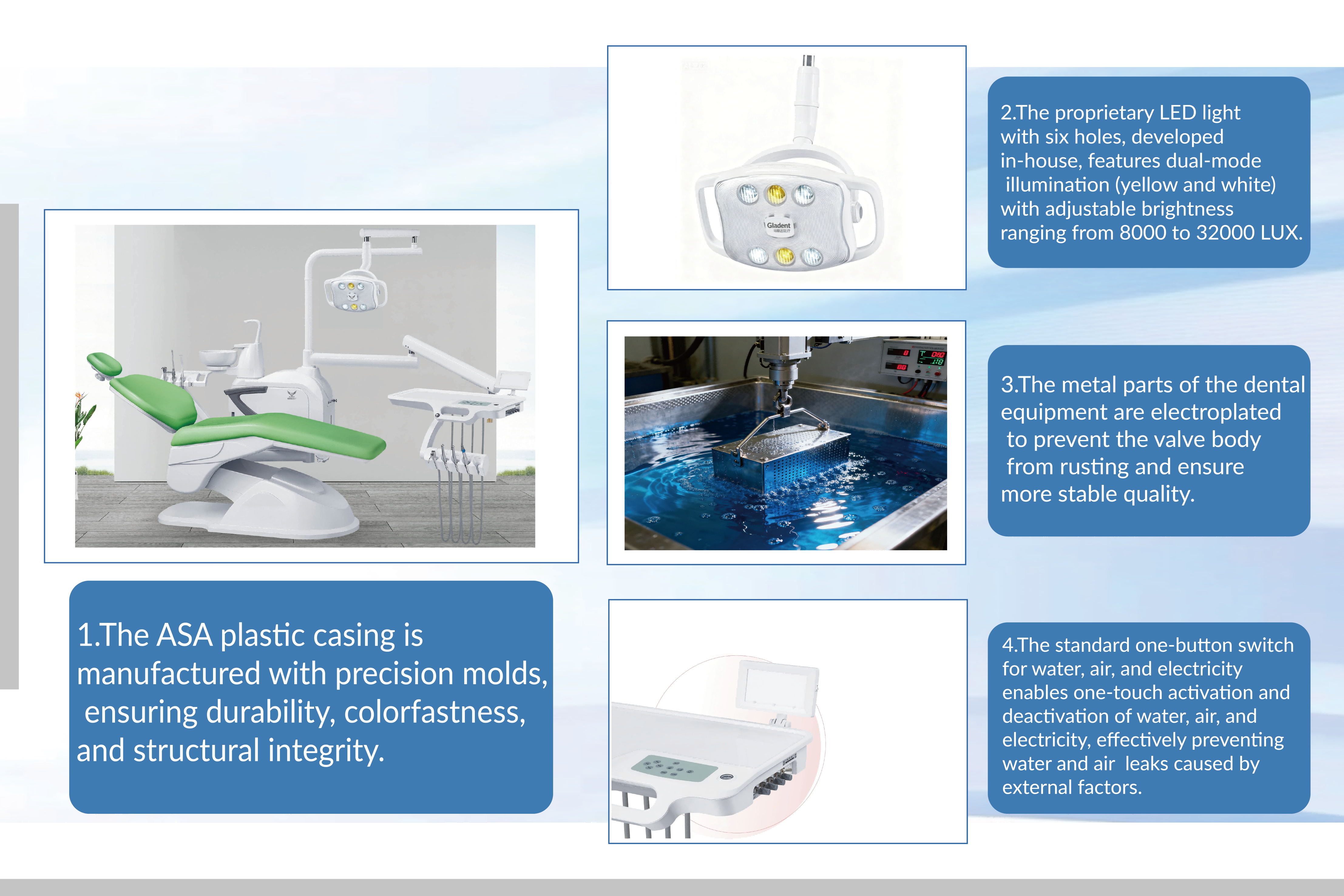
Selecting the right dental chair is one of the most important investment decisions a clinic can make. A high-quality dental chair directly impacts patient comfort, clinical outcomes, clinician productivity, and overall practice profitability. However, many dental practice managers and owners struggle to identify which functions are truly essential versus which are merely marketing additions. Understanding the core functions that define a reliable dental chair helps clinics make informed purchasing decisions that align with their operational needs and budget constraints. This guide walks you through the critical features that should inform your dental chair selection process.
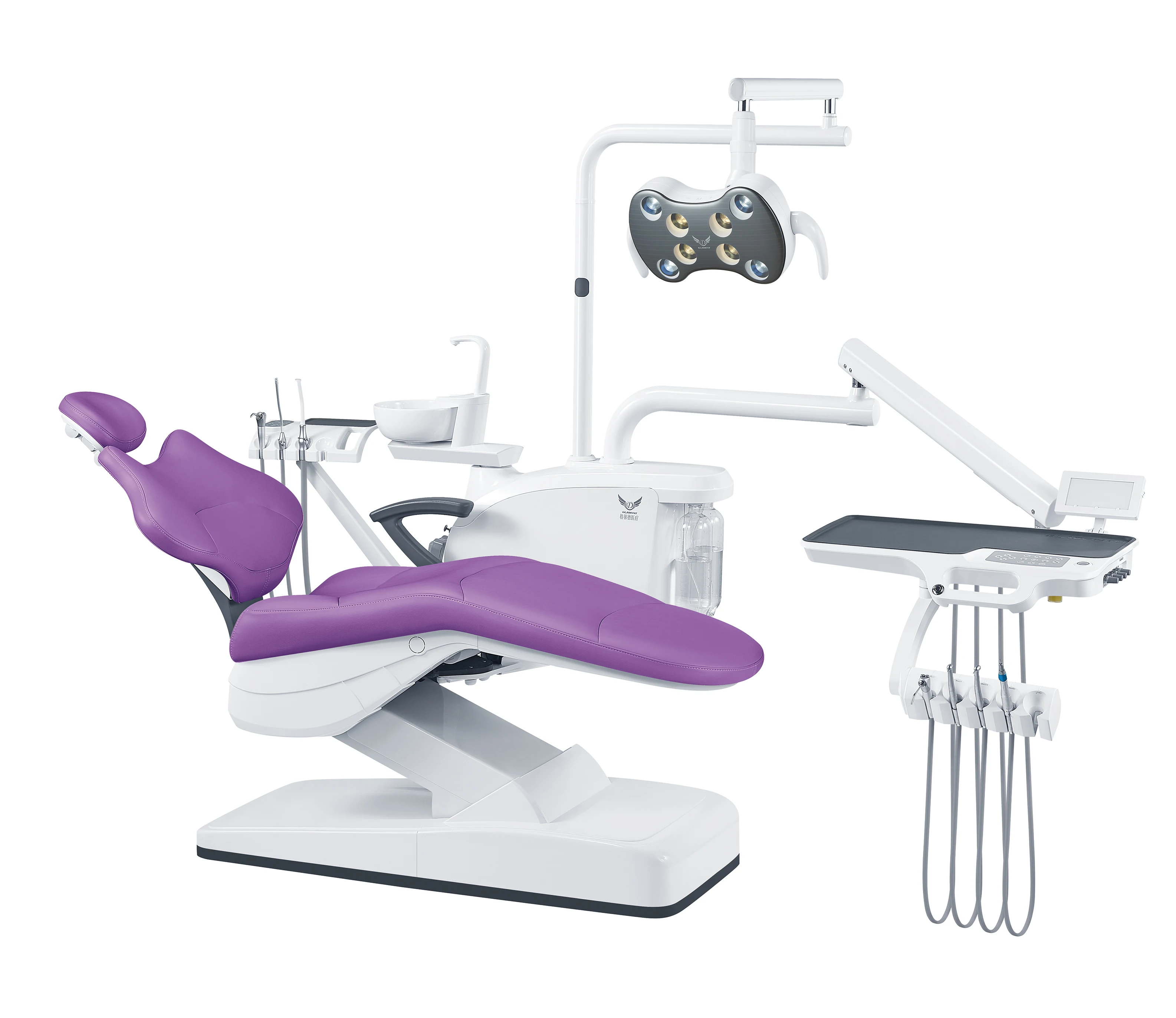
The modern dental chair has evolved far beyond a simple patient seat. Today's dental chairs integrate multiple functional systems that must work seamlessly together to support clinical workflows, enhance patient experience, and protect clinician health. Whether your clinic operates as a solo practice or a multi-chair facility, the dental chair you choose shapes how efficiently your team operates and how positively patients perceive their care. Investing in a dental chair with the right functional foundation ensures years of dependable performance and patient satisfaction.
Core Ergonomic and Positioning Functions
Advanced Chair Positioning and Patient Comfort
The fundamental purpose of any dental chair is to position patients safely and comfortably during treatment. A quality dental chair should offer smooth, motorized height adjustment that allows clinicians to reach all treatment areas without straining their posture. The dental chair must accommodate patients of all body types and ages, from pediatric patients to elderly adults with mobility challenges. Backrest angle adjustment, seat height control, and footrest functionality are non-negotiable features that define basic usability. When evaluating a dental chair, test whether the height range extends low enough for pediatric cases and high enough for standing clinician access during complex procedures. A well-designed dental chair distributes patient weight evenly across the seat and backrest, reducing pressure points and improving comfort during extended appointments.
Headrest and Neck Support Systems
The dental chair headrest is not merely a cushioned pad—it must provide anatomically correct support that maintains proper cervical spine alignment throughout treatment. Modern dental chairs feature adjustable headrests that accommodate various patient head shapes and positioning requirements. Some dental chair models offer memory foam or gel-filled headrests that conform to individual patient anatomy, reducing neck strain and improving treatment tolerance. The headrest attachment should allow quick, hygienic removal for cleaning and disinfection between patients. Testing headrest comfort and adjustment range is critical when selecting a dental chair, as poor neck support directly correlates with patient dissatisfaction and clinician difficulty managing treatment angles. A premium dental chair incorporates headrest designs validated by ergonomic research to minimize patient discomfort and support optimal clinician visibility.
Clinical Functionality and Treatment Support Features
Instrument Delivery and Suction Integration
A practical dental chair must integrate arm-mounted delivery systems that position handpieces, suction equipment, and accessory instruments within the clinician's reach zone. The dental chair's instrument arm should feature smooth, responsive movement that allows one-handed operation without requiring the clinician to step away from the patient. Dual suction capabilities—high-volume evacuation and saliva ejector—are essential functions that should be independently controllable and positioned to maintain clear sightlines during treatment. Many modern dental chairs offer integrated delivery systems where the instrument arm, suction, and light all mount from a single articulating arm, reducing chair footprint and improving ergonomics. When evaluating a dental chair, confirm that the instrument positioning system accommodates left-handed and right-handed clinicians, and that delivery hose lengths are adequate for your operatory layout. The quality and responsiveness of a dental chair's delivery system directly affects clinical efficiency and clinician comfort during multi-hour clinical days.
Integrated Lighting Systems
Professional dental lighting is a critical function that often receives insufficient attention during dental chair selection. The dental chair must feature a high-intensity, color-accurate light source that provides shadow-free illumination across the oral cavity without generating excessive heat. LED lighting has become standard in modern dental chairs, offering superior color rendering index (CRI), longer operational life, and cooler operation compared to halogen systems. The dental chair light should include adjustable intensity settings and positioning capability so clinicians can optimize illumination for different procedures and patient anatomy variations. Poor lighting from an inadequate dental chair forces clinicians to adopt compensatory postures that increase fatigue and reduce diagnostic accuracy. Premium dental chairs incorporate lights designed to minimize glare reflections off wet tooth surfaces and dental materials, improving visibility during critical clinical moments. Evaluating light quality during a dental chair demonstration is as important as assessing chair positioning functionality.
Durability, Maintenance, and Practice Efficiency Functions
Hydraulic Systems and Long-Term Reliability
The internal hydraulic and pneumatic systems that operate a dental chair must deliver consistent performance over thousands of cycles and years of daily use. A well-engineered dental chair incorporates sealed hydraulic cylinders that resist contamination and maintain smooth operation even under heavy clinical load. The dental chair's height and positioning mechanisms should move smoothly without hesitation or jerking, which indicates quality valve construction and proper pressure regulation. When selecting a dental chair, inquire about the warranty coverage on hydraulic components and ask the manufacturer about maintenance intervals and expected service life. Some dental chairs require annual servicing to maintain performance, while others are designed for extended periods between maintenance visits. Understanding the long-term reliability profile of a dental chair helps clinics accurately calculate the true cost of ownership, including preventive maintenance expenses. Investing in a dental chair from manufacturers with established service networks ensures that maintenance and repair support remain available throughout the chair's operational life.
Disinfection Compatibility and Infection Control
Modern dental chairs must support rigorous infection control protocols that protect both patients and clinical staff. The dental chair design should minimize crevices and hard-to-reach areas where bacteria and viruses can colonize. Upholstery materials on a dental chair must be compatible with standard disinfection chemicals, including surface disinfectants and steam cleaning processes. The control panel and touch surfaces of a dental chair should be positioned to minimize cross-contamination and should feature materials that tolerate frequent disinfection without degradation. Some dental chairs now incorporate antimicrobial upholstery treatments that provide additional protection between disinfection cycles. When evaluating a dental chair, specifically ask about its disinfection protocol and verify that all exposed surfaces can be cleaned without risk to the mechanical components. A dental chair designed with infection control as a primary engineering consideration reduces the burden on clinical staff and ensures compliance with infection control regulations. Post-pandemic, infection control functionality has become a decisive factor in dental chair selection for forward-thinking practices.
FAQ
What is the typical lifespan of a modern dental chair?
A well-maintained dental chair typically operates effectively for 10 to 15 years, though the lifespan depends significantly on usage frequency, maintenance adherence, and manufacturing quality. Daily disinfection, prompt repair of minor issues, and adherence to manufacturer service schedules can extend dental chair performance toward the upper end of this range. Some practices continue using dental chairs beyond 15 years if they maintain reliable hydraulic function and comfortable patient positioning, though replacement becomes economically attractive when repairs become frequent or spare parts become difficult to source.
Can an existing dental chair be upgraded with modern functions?
Certain components of an older dental chair can be upgraded, including the light source, upholstery, and instrument delivery arm. However, upgrading a dental chair core structure is often inefficient compared to purchasing a new unit with integrated modern engineering. LED light retrofits are common and cost-effective, while hydraulic system upgrades are typically more expensive and may provide limited improvement compared to a new dental chair designed with contemporary engineering standards.
How does dental chair cost relate to clinical performance?
While pricing varies significantly based on features and manufacturer reputation, a higher-cost dental chair generally offers superior ergonomics, more responsive positioning controls, and longer operational longevity. Entry-level dental chairs may compromise on light quality or seat comfort, while mid-range and premium dental chairs typically justify their cost through improved clinician ergonomics and reduced maintenance frequency. Practices should evaluate total cost of ownership rather than initial purchase price alone when comparing dental chair options.