
 EN
EN
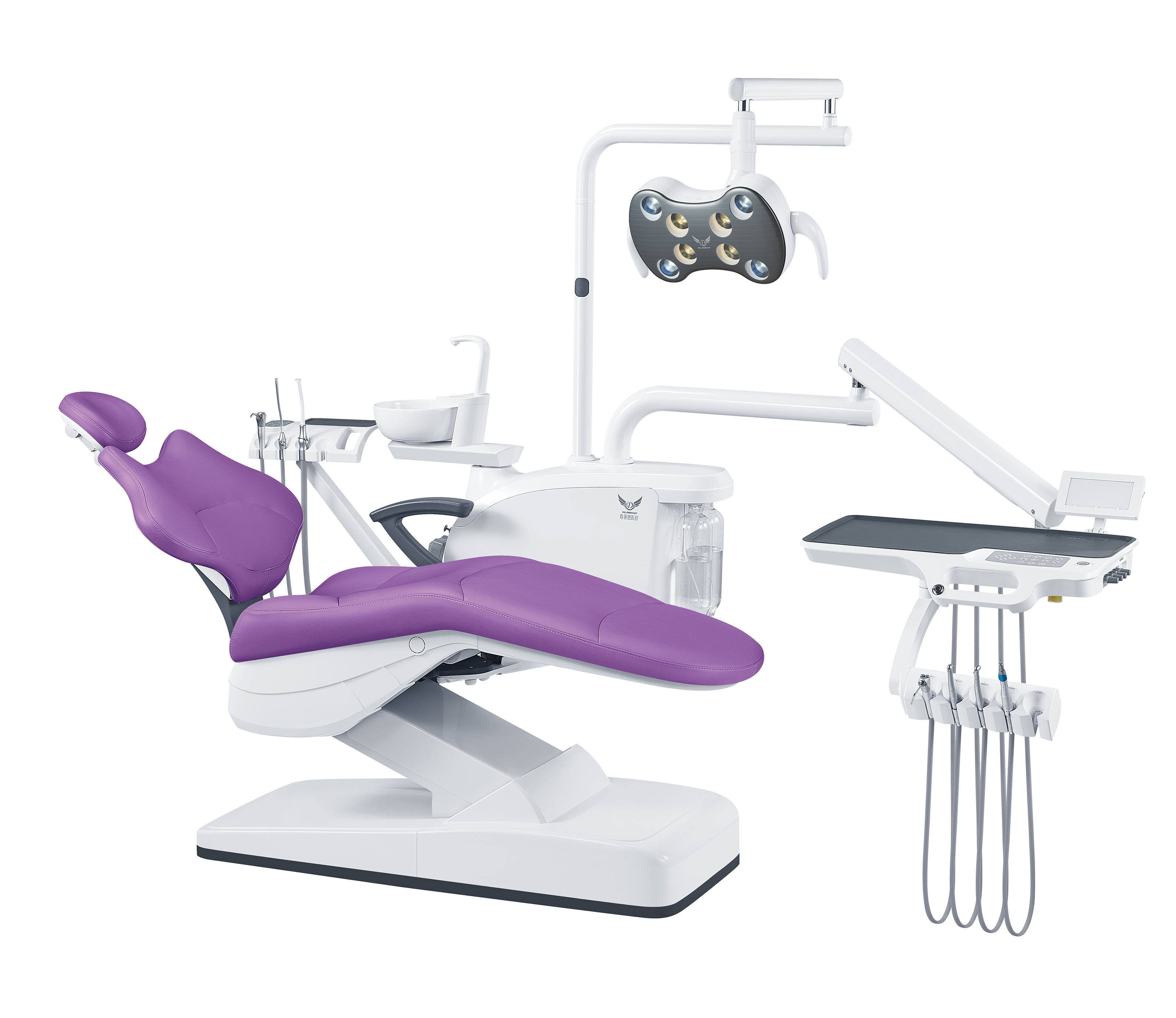
Pediatric dentistry demands specialized equipment that addresses the unique needs of young patients while maintaining clinical excellence and operational efficiency. A dental chair plays a central role in creating a safe, comfortable environment where children feel secure during treatment. Beyond comfort, the right dental chair fundamentally shapes how efficiently a pediatric practice operates, influencing everything from appointment scheduling to clinical outcomes. Understanding how a dental chair supports pediatric dentistry efficiency reveals why equipment selection is a strategic business decision, not merely a furniture purchase.
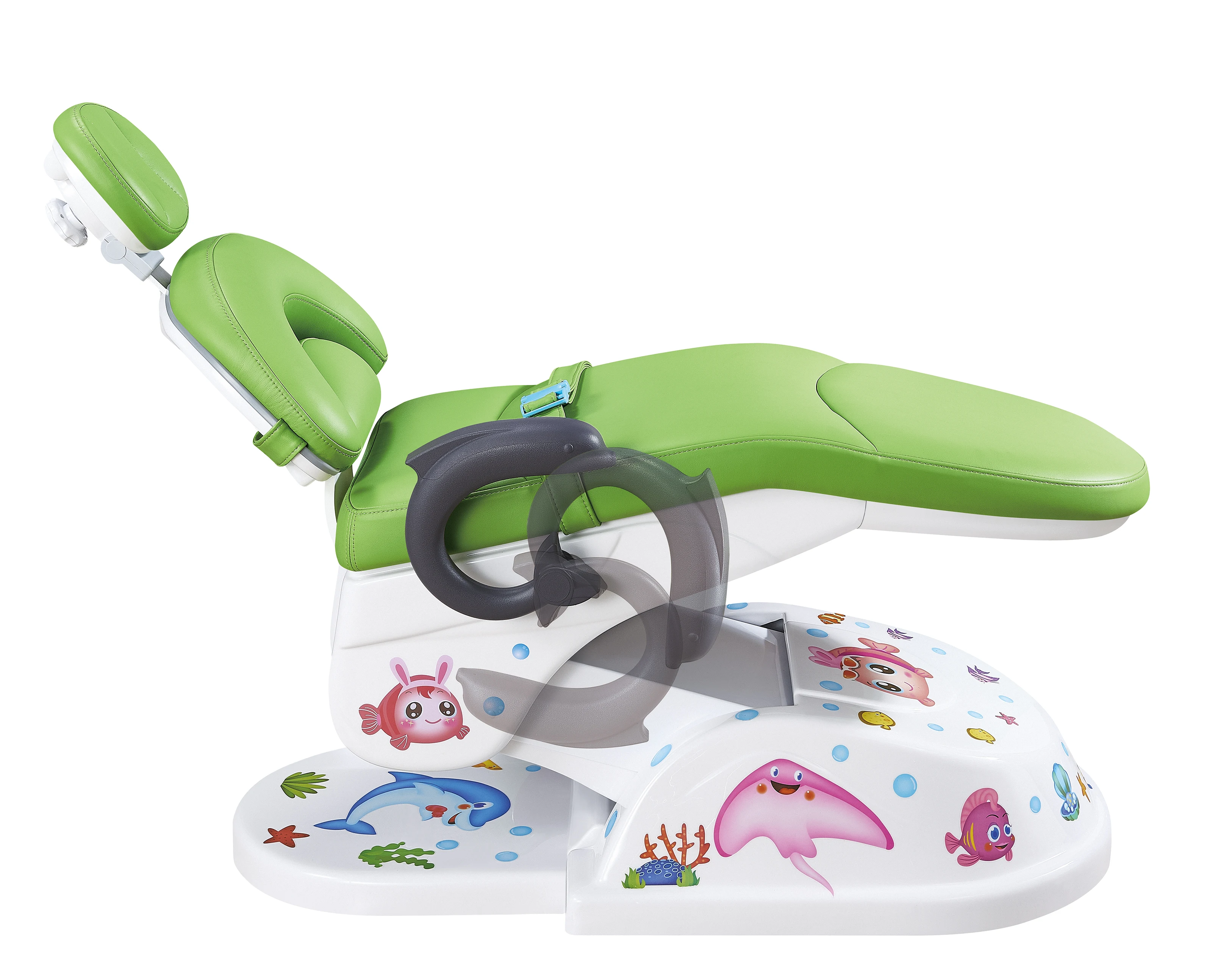
The dental chair is the centerpiece of every pediatric treatment room, and its design directly affects how quickly clinicians can move between procedures, how safely children remain positioned during care, and how effectively assistants can support clinical work. When a dental chair incorporates pediatric-specific features—such as properly scaled dimensions, intuitive positioning controls, and integrated safety features—it reduces setup time, minimizes chair adjustments during appointments, and enables smoother transitions between young patients. For pediatric practices aiming to maximize throughput without compromising quality or safety, selecting an appropriately designed dental chair is essential.
Ergonomic Design and Treatment Workflow Optimization
Scaling Chair Dimensions for Pediatric Patients
A dental chair purpose-built for pediatric use provides scaled dimensions that reduce patient anxiety while improving clinician access. Standard adult dental chairs often position controls and features at heights that do not align with how children sit or how pediatric treatment protocols flow. A properly sized dental chair allows young patients to rest their feet naturally rather than dangling them, creating psychological reassurance and physical stability. This seemingly simple detail reduces movement, fidgeting, and behavioral challenges that can interrupt treatment sequences. When children feel secure in a dental chair designed for their proportions, appointment times decrease because clinicians spend less time repositioning patients or managing anxiety responses.
Streamlining Chair Controls for Rapid Adjustments
Efficiency in a pediatric practice depends on minimizing non-clinical time between patients. A dental chair with intuitive, responsive controls allows clinicians to make rapid seat height, backrest angle, and headrest adjustments without excessive fiddling. Features such as foot-controlled positioning enable hands-free adjustments, allowing clinicians to maintain focus on preparation tasks while the dental chair moves into optimal treatment position. Automated or quick-response positioning systems reduce setup time by 10–15%, which compounds significantly across a busy schedule. When a dental chair responds predictably and reliably to control inputs, the entire workflow becomes smoother, reducing cumulative delays that erode practice efficiency.
Safety Features That Enable Confident Clinical Practice
Integrated Safety Systems and Child Retention
Pediatric patients require additional safety measures that an appropriately designed dental chair provides. Safety features such as secure armrests, lap retention systems, and non-slip seating surfaces prevent unwanted movement and reduce the risk of falls or injuries during treatment. When a dental chair includes these protective elements, clinicians can proceed with procedures with full confidence rather than worrying about patient stability. This psychological reassurance translates into steadier hand work, fewer interruptions for repositioning, and shorter overall appointment times. Beyond the direct clinical benefit, a dental chair with proven safety features protects the practice against liability concerns and demonstrates professionalism to parents who evaluate the practice environment.
Reducing Patient Anxiety Through Familiar Design
A dental chair that looks appropriately sized and operates smoothly reduces the intimidation factor that many children experience in dental settings. When young patients enter a treatment room and see a dental chair that matches their scale and includes child-friendly design elements—such as smooth surfaces, rounded edges, and soft padding—their initial anxiety decreases. Lower baseline anxiety means children sit still more readily, require fewer behavioral management techniques, and tolerate longer treatment sessions. This directly improves clinical efficiency because clinicians spend less appointment time on anxiety management and more time on actual treatment. A well-designed dental chair thus becomes a behavioral management tool that supports clinical productivity.
Operational and Financial Impact of Chair Selection
Maximizing Appointment Capacity and Practice Revenue
The dental chair influences how many patients a pediatric practice can serve in a given day. A dental chair that enables quick turnovers, reduces patient anxiety, and streamlines positioning directly increases appointment capacity. Practices using ergonomic, pediatric-focused dental chairs report 15–20% improvements in same-day scheduling efficiency compared to practices using oversized or poorly designed equipment. This capacity increase directly translates to higher revenue per treatment room without requiring additional space or staff expansion. When a dental chair shortens average appointment times and improves the predictability of scheduling, the practice can accommodate more families annually, directly improving financial performance.
Minimizing Clinical and Operational Complications
Equipment-related delays and complications represent hidden efficiency losses in pediatric practices. When a dental chair malfunctions, requires frequent adjustments, or does not fit pediatric patients properly, clinicians waste time troubleshooting, improvising positioning solutions, or managing patient frustration. Investing in a dental chair specifically engineered for pediatric use eliminates these complications because the equipment is designed to handle the unique demands of treating young patients. Reliable positioning, predictable operation, and child-appropriate design mean fewer emergencies during appointments, fewer cancellations due to equipment issues, and more consistent daily scheduling. This operational reliability directly supports practice efficiency by eliminating the unpredictability that interrupts workflows.
FAQ
What specific features should pediatric practices prioritize when selecting a dental chair?
Pediatric practices should prioritize a dental chair with scaled dimensions that accommodate children's proportions, intuitive foot-controlled positioning for rapid adjustments, integrated safety features such as lap retention systems, and durable upholstery that withstands frequent cleaning. Additionally, a dental chair should feature smooth, rounded surfaces that do not intimidate young patients and reliable hydraulic or pneumatic systems that respond consistently to operator commands. These features collectively reduce setup time, improve patient comfort, and enable clinicians to maintain steady procedural workflow.
How does a dental chair impact appointment scheduling and practice capacity?
A dental chair designed for pediatric use enables clinicians to complete procedures more efficiently because positioning is intuitive, patient anxiety is reduced, and safety is assured. When appointment times decrease by even 10–15 minutes per patient, a pediatric practice can accommodate significantly more families throughout the week. A dental chair that minimizes non-clinical time and complications effectively increases practice capacity without requiring additional treatment rooms or expanded staffing, directly improving revenue per existing operational resource.
Can an undersized adult dental chair substitute for a pediatric-specific dental chair?
While an undersized dental chair may seem like a cost-saving alternative, it typically compromises clinical efficiency and safety. Adult-scale dental chairs, even when downsized, do not provide the ergonomic alignment, safety features, or psychological comfort that a purpose-built pediatric dental chair offers. Using an inappropriate dental chair extends appointment times, increases clinician fatigue, and creates unnecessary anxiety for young patients. A dental chair engineered specifically for pediatric dentistry delivers superior efficiency and patient outcomes, making it a better long-term investment than attempting to adapt adult equipment.