
 EN
EN
Selecting the right dental chair is one of the most critical decisions clinic owners and practice managers face. A quality dental chair directly impacts patient comfort, clinical efficiency, and staff productivity. When evaluating options for your dental practice, understanding the essential features of a dental chair ensures you invest in equipment that meets your clinic's unique operational needs. This guide breaks down the key considerations that should drive your dental chair selection process, helping you make an informed decision that supports both your patients and your team.
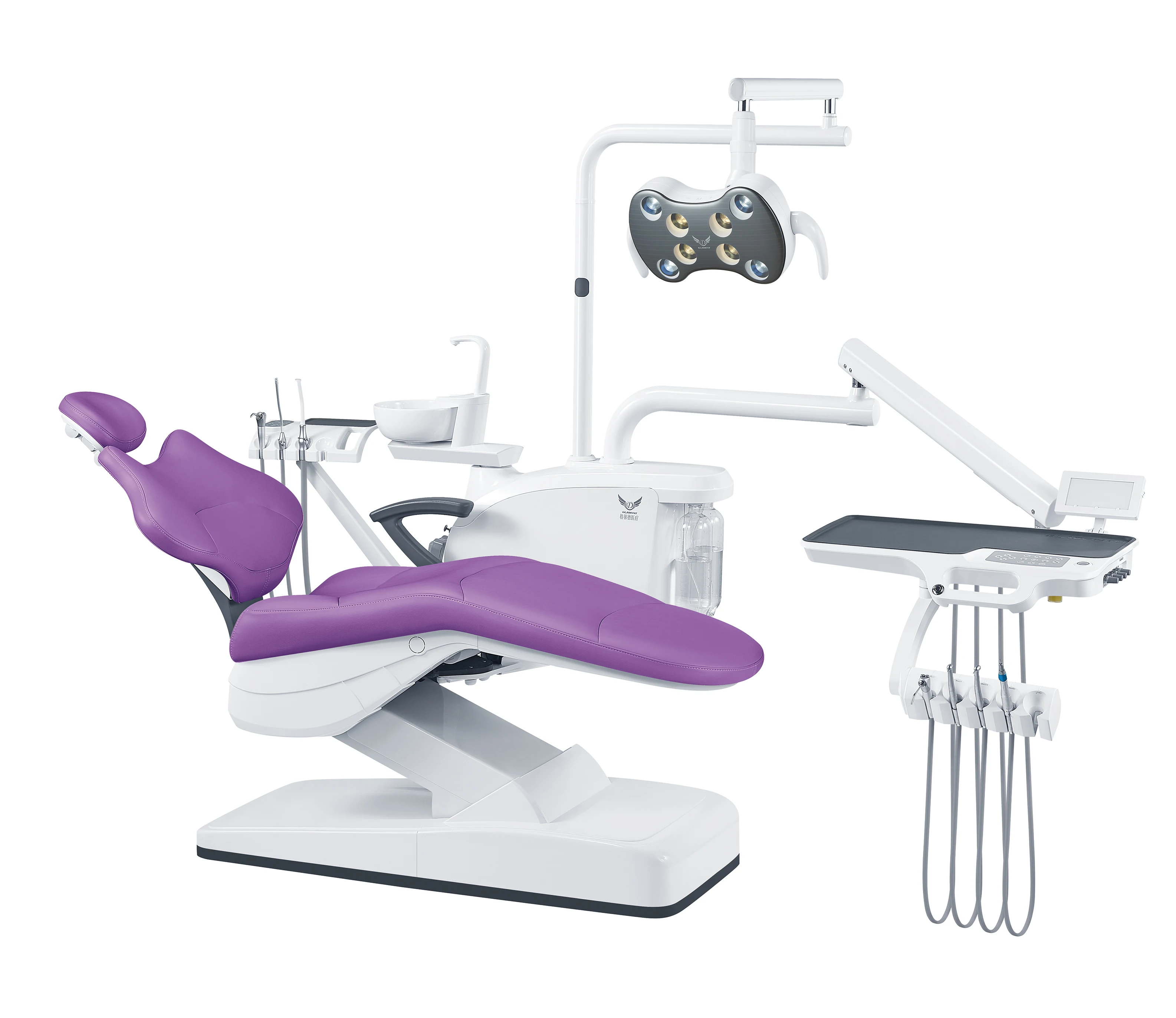
The dental chair is the centerpiece of any treatment room, and its performance directly influences your clinic's ability to deliver quality care. A well-chosen dental chair enhances patient experience, reduces clinician fatigue, and streamlines workflow efficiency. Beyond basic functionality, modern dental chairs offer advanced features that support complex procedures and improve overall clinic operations. Understanding what features matter most helps you avoid costly mistakes and ensures your investment delivers long-term value.
Ergonomics and Patient Comfort
Adjustment Range and Positioning
Patient comfort begins with a dental chair that offers comprehensive adjustment capabilities. The dental chair must support multiple patient positions, from fully reclined treatment angles to upright consultation positions. Look for smooth, motorized adjustments that allow clinicians to position patients precisely for different procedures. Backrest inclination, seat height adjustment, and headrest positioning are critical components of any dental chair. Smooth transition between positions ensures minimal disruption during treatment and helps anxious patients feel secure. A dental chair with intuitive controls enables quick, accurate positioning without fumbling with complicated mechanisms.
Cushioning and Support Materials
High-quality padding and ergonomic support are essential features of a modern dental chair. The seat, backrest, and headrest cushioning should provide firm yet comfortable support during extended procedures. Memory foam or high-density foam materials used in premium dental chairs reduce pressure points and enhance patient relaxation. Adequate cushioning in a dental chair also helps younger and elderly patients feel more secure during treatment. The overall comfort profile of your dental chair significantly influences patient satisfaction scores and can impact your clinic's reputation for quality care.
Mobility and Accessibility Features
Caster Quality and Maneuverability
A dental chair's mobility directly affects clinic workflow and clinician accessibility. Heavy-duty, smooth-rolling casters allow clinicians to position and reposition the dental chair quickly without straining or creating noise. Look for casters with locking mechanisms that keep the dental chair stable during procedures, preventing unintended movement that could compromise treatment quality. The base design of your dental chair should provide stability without being so wide that it limits room layout flexibility. Superior caster quality means your dental chair will maintain smooth operation for years, reducing downtime and maintenance costs.
Operator Stool Integration and Positioning
Many modern dental chair systems include synchronized operator stools that complement the dental chair's positioning. The operator stool should move in coordination with the dental chair, allowing clinicians to maintain proper ergonomic posture throughout procedures. Integrated systems that move the dental chair and operator stool together reduce strain on clinician backs and shoulders. When evaluating a dental chair, confirm that the operator stool matches the chair's height range and movement capabilities. This coordinated positioning is a valuable feature of premium dental chairs that supports long-term clinician health and reduces occupational injury risk.
Functional Controls and Integrated Systems
Foot Pedal and Hand Control Options
Control interface design is a fundamental feature of any dental chair. Most modern dental chairs offer foot pedal controls for backrest and seat adjustments, allowing clinicians to operate the dental chair without using their hands. Some premium models include wireless remote controls or touchscreen interfaces on the armrest. The dental chair you select should have intuitive controls that require minimal training and feel natural during use. Responsive, lag-free controls enhance the procedural experience and allow clinicians to focus on patient care rather than equipment operation. Dual control options give your clinic flexibility in how different clinicians prefer to operate the dental chair.
Integrated Delivery and Suction Systems
Modern dental chairs often feature integrated delivery systems that hold handpieces, suction tubes, and utility connections. A well-designed dental chair centralizes all necessary tools and supplies within arm's reach, minimizing clinician movement during procedures. Some dental chair models include built-in air compressors, vacuum systems, or water delivery networks. These integrated systems in your dental chair reduce setup time and improve procedural efficiency. Ensure that the dental chair you select accommodates your clinic's specific delivery requirements and integrates seamlessly with your existing equipment infrastructure.
Durability and Maintenance Considerations
Materials and Construction Quality
A dental chair represents a significant investment in your clinic's infrastructure, so material quality and build durability matter greatly. Look for a dental chair constructed with medical-grade materials that withstand frequent cleaning and disinfection without degrading. Stainless steel and commercial-grade polymers used in premium dental chairs resist corrosion and wear. The upholstery of your dental chair should use antimicrobial, washable fabrics that meet healthcare infection control standards. Strong welds, reinforced joints, and robust electrical components ensure your dental chair maintains reliable performance through years of daily use. Quality construction in a dental chair ultimately reduces total cost of ownership through fewer repairs and longer operational lifespan.
Warranty and Service Support
Warranty coverage and manufacturer support are crucial features of your dental chair purchase decision. Comprehensive warranties on the dental chair's hydraulic system, electrical components, and structural elements provide financial protection. Evaluate whether the manufacturer offers responsive technical support and local service availability for your dental chair. Many clinics benefit from extended warranty plans that cover parts and labor for several years. Reliable service support for your dental chair minimizes downtime and ensures quick resolution of any technical issues. Before finalizing your dental chair selection, confirm that warranty terms and service provisions align with your clinic's needs and budget.
FAQ
What is the typical lifespan of a dental chair?
A well-maintained dental chair typically lasts eight to twelve years with proper care and regular servicing. The lifespan depends on daily usage volume, maintenance consistency, and the quality of the original dental chair. High-volume clinics may experience faster wear on components like hydraulic pumps and casters. Investing in a dental chair from a reputable manufacturer and following recommended maintenance schedules extends the equipment's operational life. Most practices plan to replace their dental chair within this timeframe as part of normal equipment lifecycle management.
How much space does a dental chair require in a treatment room?
A standard dental chair requires approximately 100–150 square feet of dedicated treatment room space, including clearance for operator movement and auxiliary equipment. The exact footprint of your dental chair depends on the base dimensions, which vary by model and manufacturer. Consider both the width of the dental chair base and the radius needed for caster rotation when planning room layout. Most dental chairs fit comfortably in rooms measuring at least 10 feet by 12 feet when accounting for cabinetry and supporting equipment. Before purchasing a dental chair, measure your treatment spaces and confirm that the model's dimensions accommodate your clinic layout.
What infection control features should I look for in a dental chair?
Modern dental chairs include several infection control features, such as seamless upholstery, removable headrest covers, and surfaces designed for easy disinfection. The dental chair should have minimal crevices or gaps where biofilm and pathogens can accumulate. Look for antimicrobial materials in the upholstery and tubing that resist bacterial and viral contamination. Easy-access design allows thorough cleaning of all exposed surfaces after each patient. Some premium dental chairs feature integrated antimicrobial technologies that provide additional pathogen resistance. Confirming that your dental chair meets current infection control standards is essential for patient safety and regulatory compliance.