
 EN
EN
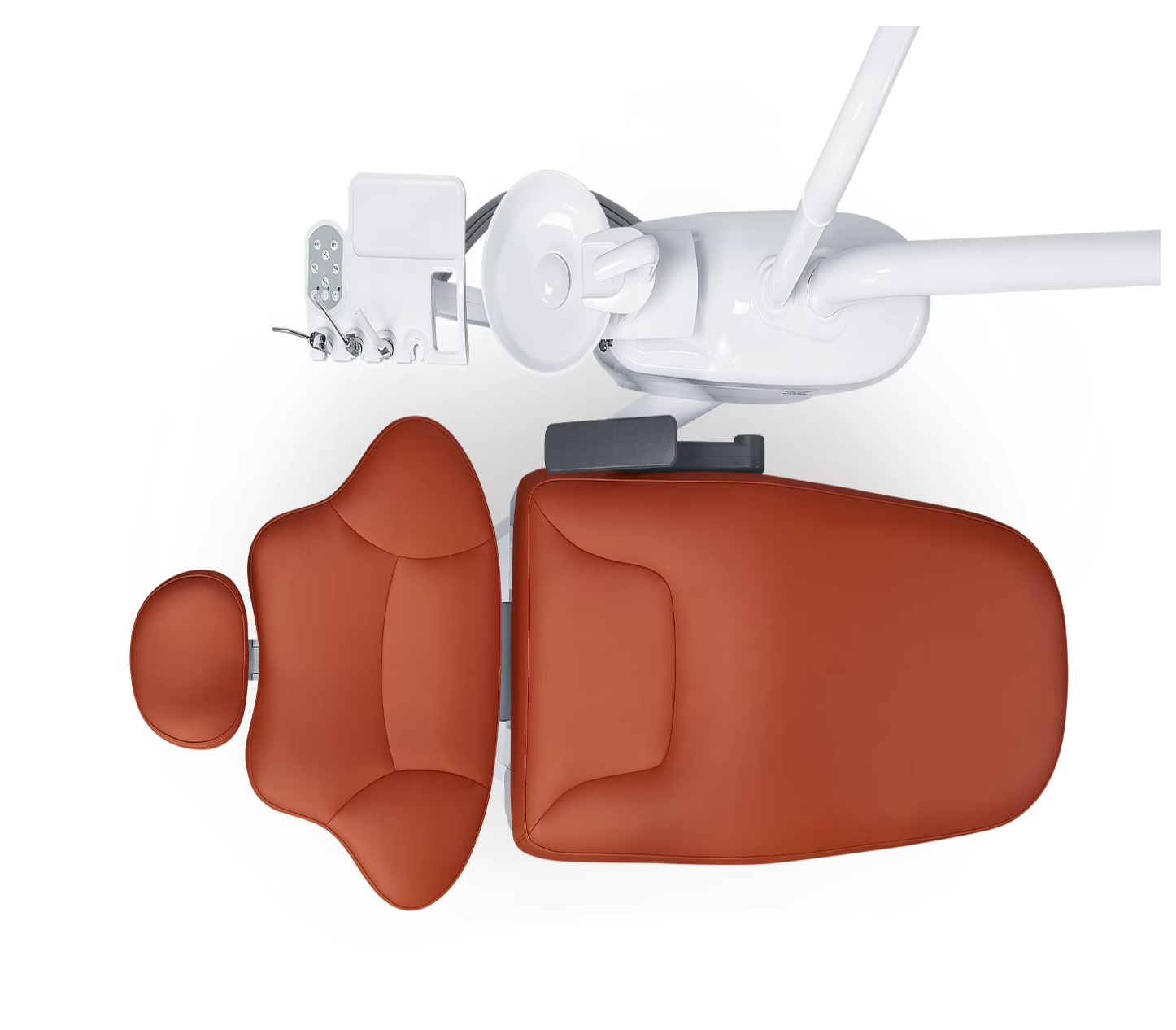
Effective team collaboration in a dental clinic depends on more than just skilled professionals and advanced technology. The physical environment, including proper seating and positioning solutions, plays a crucial role in how dental teams interact, communicate, and deliver patient care. A well-chosen dental stool creates the foundation for seamless workflow and improved coordination among dentists, hygienists, and support staff. Understanding how dental instrument tools and ergonomic seating solutions enhance collaboration reveals why investing in the right equipment is essential for modern dental practices.
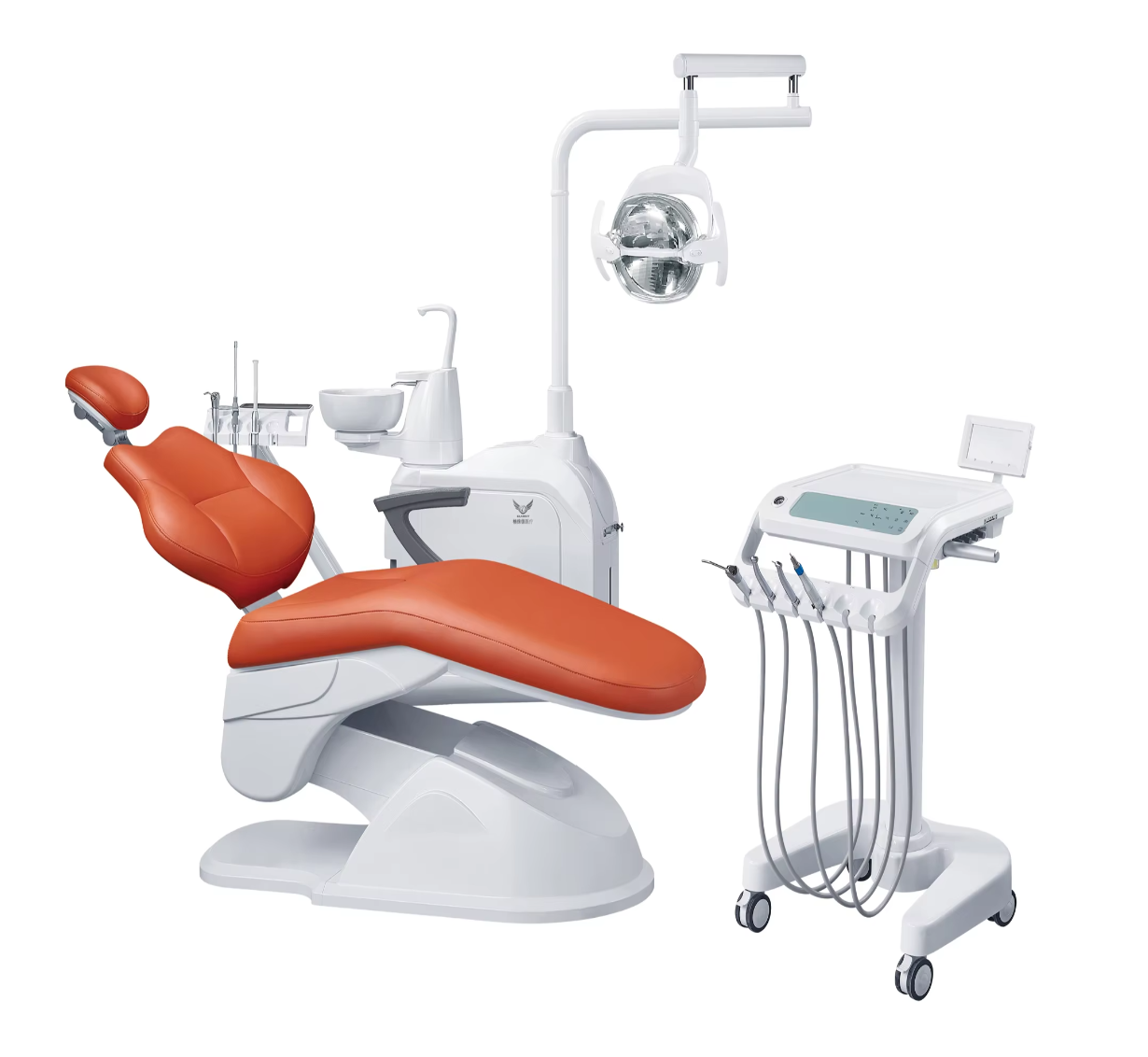
Dental clinics face unique spatial and operational challenges that demand thoughtful solutions. When team members struggle with uncomfortable seating, poor positioning, or inadequate access to dental instrument tools, communication breaks down and efficiency suffers. A properly designed dental stool eliminates these friction points, enabling practitioners to focus entirely on patient care and team coordination rather than physical discomfort or workspace frustration.
Ergonomic Positioning and Communication Flow
How Proper Seating Enhances Visibility and Dialogue
Ergonomic dental stools position team members at appropriate heights and angles, enabling direct eye contact and natural conversation between dentists, hygienists, and assistants. When dental instrument tools are organized and accessible from an ergonomic seating position, staff members spend less time repositioning or searching for equipment and more time engaging in real-time dialogue. This improved line of sight and proximity foster spontaneous communication about patient conditions, treatment adjustments, and procedural decisions. Team members can quickly consult one another without disruptive movements or uncomfortable reaching, creating a more cohesive working environment where collaboration feels natural and efficient.
Reducing Physical Strain During Extended Procedures
Long procedures demand sustained focus and precision, qualities compromised when team members experience back pain, neck strain, or leg fatigue. Dental instrument tools require repeated access and repositioning throughout treatment, and uncomfortable seating amplifies the physical toll. An ergonomic dental stool supports proper posture, distributes body weight evenly, and allows easy rotation and height adjustment without interrupting workflow. When practitioners are physically comfortable, they maintain better concentration, make fewer errors, and interact more positively with colleagues. This physiological comfort directly translates into smoother team interactions and more reliable collaboration during critical moments.
Workspace Organization and Shared Responsibility
Accessibility of Equipment and Synchronized Workflows
Dental instrument tools must be strategically positioned within the operatory, and an ergonomic dental stool provides the ideal vantage point for accessing shared equipment stations. When all team members sit at similar heights and angles, they develop intuitive awareness of where dental instrument tools are located and how to retrieve them without obstruction. This shared spatial understanding reduces coordination errors, minimizes verbal instructions for routine tasks, and accelerates handoff procedures. Team members anticipate each other's needs based on consistent positioning, transforming equipment management from a source of frustration into a seamless exchange. The dental stool thus becomes a reference point for organizing the entire operatory layout, ensuring that all dental instrument tools remain logically positioned relative to team members' natural working posture.
Supporting Multi-Provider Treatment Models
Modern dental clinics often employ multiple treatment providers within the same operatory, requiring frequent position changes and shared responsibility for dental instrument tools. An adjustable, mobile dental stool allows different team members to work comfortably at their preferred height while maintaining consistency across the practice. When all practitioners use ergonomic dental stools with similar features, transition between team members becomes smoother, reducing the learning curve for new assistants or visiting specialists. Dental instrument tools remain predictably positioned because the seating solution enforces consistent workflow geometry. This standardization strengthens team cohesion and reduces the friction that arises when practitioners must adapt to an unfamiliar operatory setup or unconventional equipment arrangements.
Long-Term Practice Performance and Team Retention
Preventing Burnout and Improving Job Satisfaction
Physical discomfort accumulates over months and years, leading to chronic pain, reduced job satisfaction, and eventual staff turnover. When a dental practice invests in ergonomic dental stools, practitioners experience immediate relief and develop greater confidence in their workplace environment. This improved physical wellness translates into better emotional engagement with colleagues and patients alike. Team members who feel physically supported become more collaborative, more willing to mentor junior staff, and more invested in clinic outcomes. A dental stool that prioritizes ergonomic excellence signals to your team that leadership values their wellbeing, strengthening workplace culture and reducing the costly disruption of staff turnover.
Establishing a Culture of Excellence
Choosing high-quality dental instrument tools and ergonomic seating demonstrates a clinic's commitment to professional standards and best practices. This investment influences how team members perceive their workplace and their profession. When practitioners work in an environment that prioritizes ergonomics and efficiency, they take greater pride in their work, communicate more openly about improvements, and collaborate more naturally on complex cases. A dental stool becomes more than a functional item—it becomes a symbol of the clinic's values and commitment to supporting its team. This cultural foundation attracts higher-caliber practitioners and encourages existing staff to remain engaged and productive over the long term.
FAQ
What specific features should a dental stool include to support team collaboration?
An effective dental stool for team settings should feature height adjustability (to accommodate different users and procedural needs), 360-degree rotation, a stable base with smooth-rolling casters, lumbar support, a circular seat design for multi-directional positioning, and durable upholstery that withstands frequent disinfection. The stool should also allow easy access to dental instrument tools and enable practitioners to maintain proper posture while seated. Premium models include pneumatic controls for silent height adjustment and foot rings that reduce strain on the lower body during extended use.
How does ergonomic seating improve communication between dentists and dental hygienists?
Ergonomic seating positions team members at similar heights and angles, eliminating the physical barriers that force uncomfortable neck rotation or eye strain during conversations. When a dentist and hygienist sit on ergonomic dental stools, they can maintain natural eye contact and speak at normal volumes without leaning or repositioning. This comfortable positioning removes distractions related to physical discomfort, allowing practitioners to focus entirely on verbal and non-verbal communication. Additionally, ergonomic seating reduces fatigue-related irritability, enabling team members to interact with greater patience and professionalism throughout the workday.
Can a dental stool impact patient care quality and outcomes?
Yes, an ergonomic dental stool indirectly improves patient care by enabling practitioners to maintain optimal posture, which enhances precision and reduces hand tremor during procedures. When team members are physically comfortable and collaborating effectively, they make better clinical decisions and catch potential complications earlier through improved communication. The reduced stress on practitioners' bodies also translates into steadier hands and more controlled instrumentation. Additionally, comfortable, communicative team members create a more positive clinic atmosphere that patients perceive as professionalism and confidence, enhancing the overall patient experience and building trust in the practice.