
 EN
EN
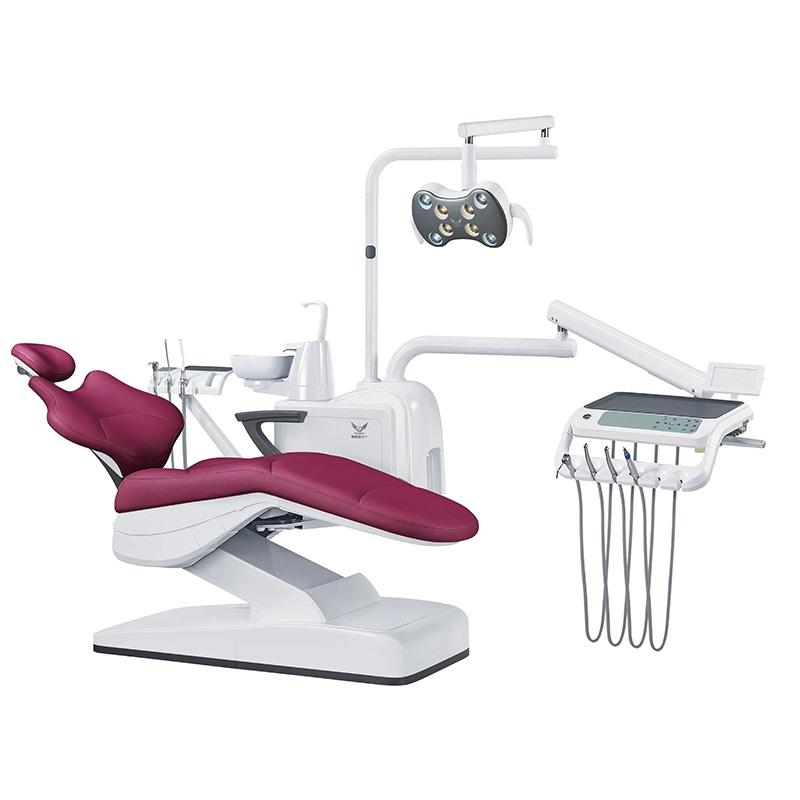
Investing in new dental equipment represents one of the most significant financial decisions a clinic must make. A dental chair is often the centerpiece of this investment, as it directly impacts patient comfort, clinical efficiency, and staff productivity. However, many clinic owners and practice managers approach this purchase without a clear strategic framework, leading to either overspending on unnecessary features or compromising on essential quality. This guide walks you through a methodical approach to planning your dental chair investment, ensuring your clinic gets maximum value while maintaining clinical standards and patient satisfaction.
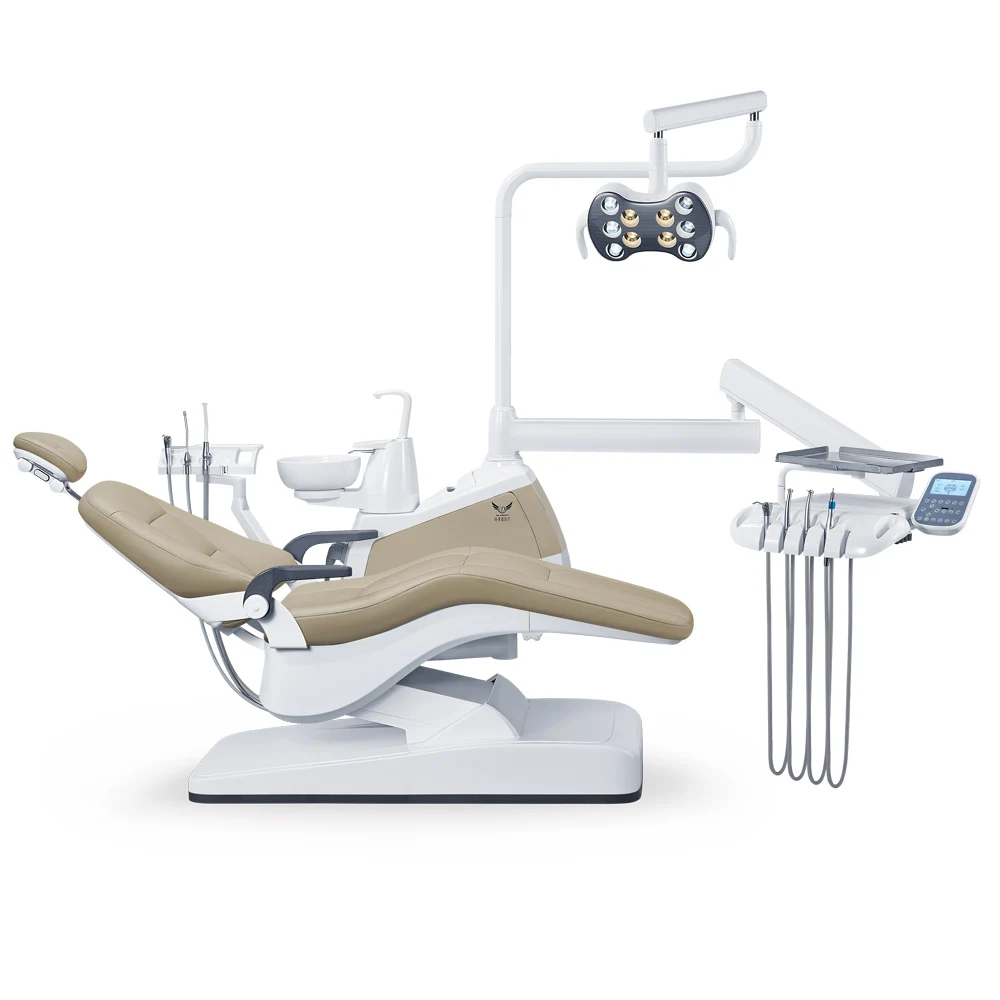
The process of selecting and investing in a dental chair should begin months before purchase, not days. Your clinic's operational model, patient volume, treatment specialties, and financial capacity all influence which dental chair model best serves your practice. By understanding these variables upfront and developing a systematic evaluation process, you can transform equipment investment from a daunting expense into a strategic advantage that improves your clinic's competitive position and clinical outcomes.
Assessing Your Clinic's Operational Needs
Understanding Your Patient Volume and Treatment Mix
Before selecting a dental chair, evaluate your clinic's daily patient load and the types of treatments you provide. High-volume general practices require a dental chair that can withstand frequent use, provide rapid patient turnover features, and maintain consistent performance throughout an 8 to 10-hour operating day. A dental chair in this environment must offer reliable ergonomics to prevent operator fatigue, especially if multiple clinicians share the same unit. Practices specializing in complex procedures like implant placement or orthodontics may need a dental chair with enhanced positioning flexibility, superior visibility features, and advanced auxiliary functions that support specialized workflows.
Evaluating Current Equipment Performance Issues
Most clinics upgrade their dental chair when existing equipment becomes unreliable or outdated. Document specific performance issues with your current setup: Does your dental chair limit certain procedural positions? Does it create patient comfort problems? Are maintenance costs rising? Are you losing efficiency due to equipment downtime? These concrete observations transform abstract budgeting discussions into clear business cases. A dental chair that reduces patient anxiety through superior comfort directly impacts your clinic's reputation and patient retention rates, while reliability and ergonomic design reduce clinician injury risk and staff turnover, both major cost factors often overlooked in initial purchase analysis.
Developing Your Budgeting and ROI Framework
Calculating True Total Cost of Ownership
Purchase price represents only one component of your total investment in a dental chair. Your complete cost analysis must include installation expenses, operator training time, warranty coverage details, expected maintenance scheduling, parts replacement costs, and average equipment lifespan under your specific usage patterns. A less expensive dental chair may require more frequent servicing, have shorter longevity, and ultimately cost your clinic significantly more over 10 years than a higher-quality model. Research the dental chair manufacturer's track record for reliability, parts availability, and service responsiveness in your region. Clinics in areas with limited service infrastructure may need to budget higher maintenance reserves or consider only models with robust local support networks.
Linking Equipment Investment to Revenue and Efficiency Gains
Your investment justification should connect the new dental chair to measurable clinical and financial improvements. A dental chair that enables faster patient positioning and improved ergonomics may increase treatment time efficiency by 10 to 15 percent, translating directly to additional daily patient capacity or reduced clinician fatigue costs. Calculate how many additional patients your clinic could treat weekly if operational efficiency improved by even five percent. A new dental chair offering superior patient comfort may reduce anxiety-related cancellations and increase treatment acceptance rates for complex procedures. These indirect revenue impacts often exceed the initial equipment cost within just two to three years, making the financial case for investment far stronger than most clinic owners initially recognize.
Selecting and Implementing Your Dental Chair Investment
Evaluating Dental Chair Features and Specifications
Not all dental chairs deliver equivalent value for every clinic. Prioritize features that directly address your clinic's documented needs rather than paying premium prices for luxury additions that your practice won't utilize. A dental chair with advanced diagnostic imaging integration makes perfect sense for a specialist practice but may be unnecessary overhead for a general dentistry clinic. Consider positioning range and flexibility if your practice emphasizes implant work; prioritize patient comfort features like memory foam and positioning presets if your patient base includes elderly or anxious individuals; focus on infection control capabilities like automatic seat disinfection if your clinic handles high patient turnover. Evaluate the dental chair's compatibility with your existing digital systems, operatory design, and future expansion plans to ensure your investment scales with your practice.
Planning Implementation and Staff Transition
The final stage of your dental chair investment planning involves coordinating installation, staff training, and operational transition to minimize disruption. Schedule installation during slower clinic periods rather than during peak hours, and allocate time for all clinical staff to practice with the new dental chair before patient treatments resume. A dental chair's optimal performance depends on proper operator technique and maintenance habits; insufficient staff training represents hidden waste that undermines your investment returns. Establish clear maintenance protocols, assign responsibility for routine care, and schedule preventive service appointments well in advance. Document your dental chair's performance metrics for the first 90 days after installation—patient satisfaction feedback, clinician preference responses, and efficiency improvements—to validate your investment decision and identify any necessary adjustments before the warranty period expires.
FAQ
What is the typical lifespan of a quality dental chair?
A well-maintained dental chair typically provides reliable performance for 8 to 12 years, depending on patient volume, usage intensity, and maintenance quality. High-volume practices may experience functional degradation sooner, while lower-volume clinics may extend equipment life beyond 12 years. The actual depreciation timeline for your investment should factor into your purchasing and budgeting analysis from the beginning.
Should a clinic prioritize new features or proven reliability when selecting a dental chair?
Proven reliability should generally take priority over cutting-edge features that lack established track records in clinical settings. A dental chair with advanced but unproven technology may create workflow disruptions if it performs inconsistently. Select established models with documented performance histories in comparable practice environments, then add features that specifically address your clinic's documented workflow challenges or patient needs.
How often does a dental chair require maintenance and servicing?
Most dental chair manufacturers recommend professional servicing every 6 to 12 months, with routine daily or weekly cleaning protocols performed by clinic staff. Your maintenance schedule should be formalized when you purchase the dental chair, with service appointments scheduled well in advance. Budget for both preventive maintenance and emergency repairs, as unplanned downtime costs typically exceed the expense of scheduled preventive care.