
 EN
EN
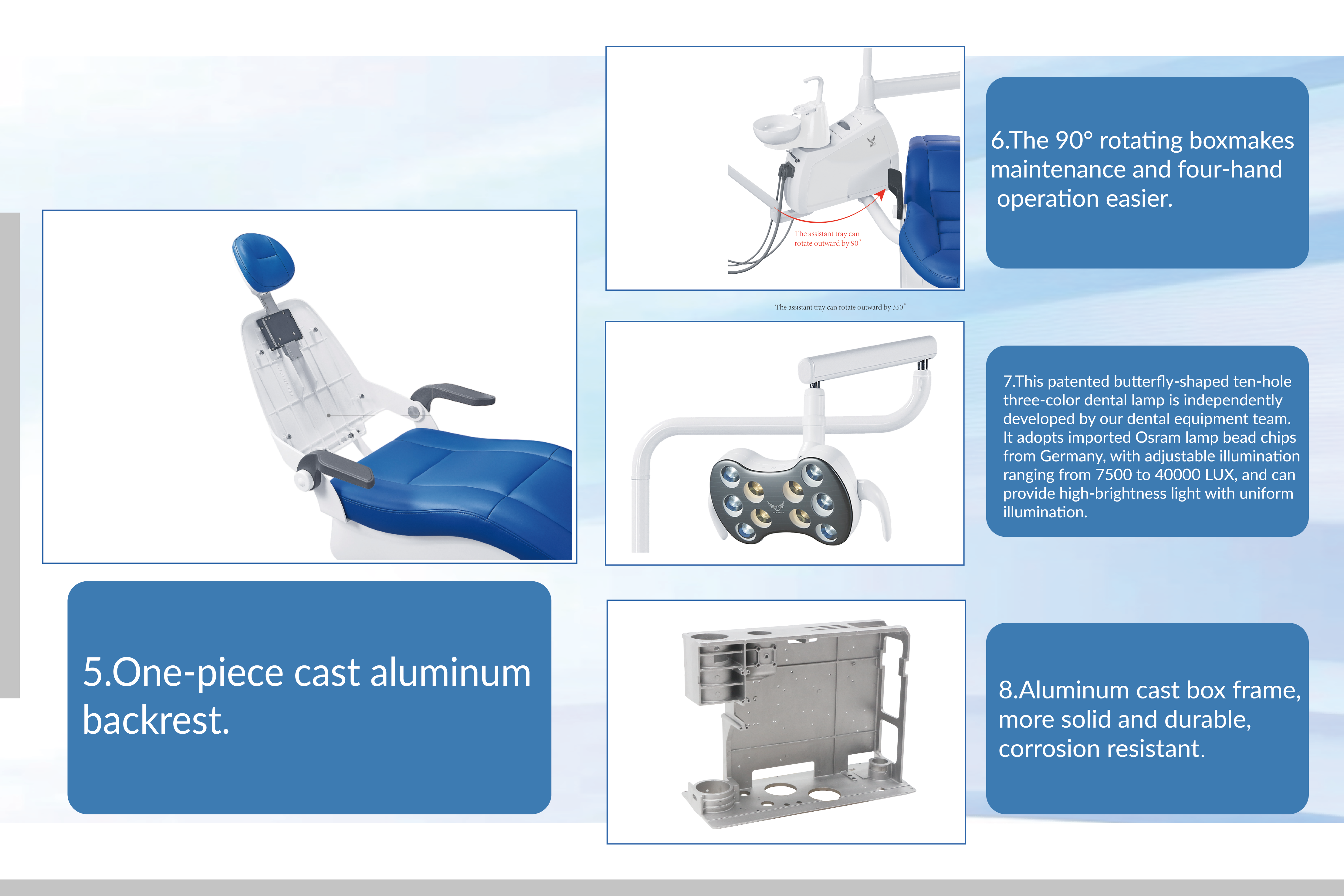
Diagnostic accuracy stands as the foundation of effective dental treatment, directly influencing patient outcomes and practice success. A dental chair represents far more than a simple patient seating solution—it serves as a critical diagnostic platform when equipped with advanced features and ergonomic design. Modern dental chair systems integrate precision lighting, optimal positioning capabilities, and integrated diagnostic tools that collectively enhance the clinician's ability to detect, assess, and document dental conditions with greater accuracy and efficiency. Understanding how a dental chair contributes to diagnostic excellence helps practitioners recognize the strategic investment value beyond basic functionality.
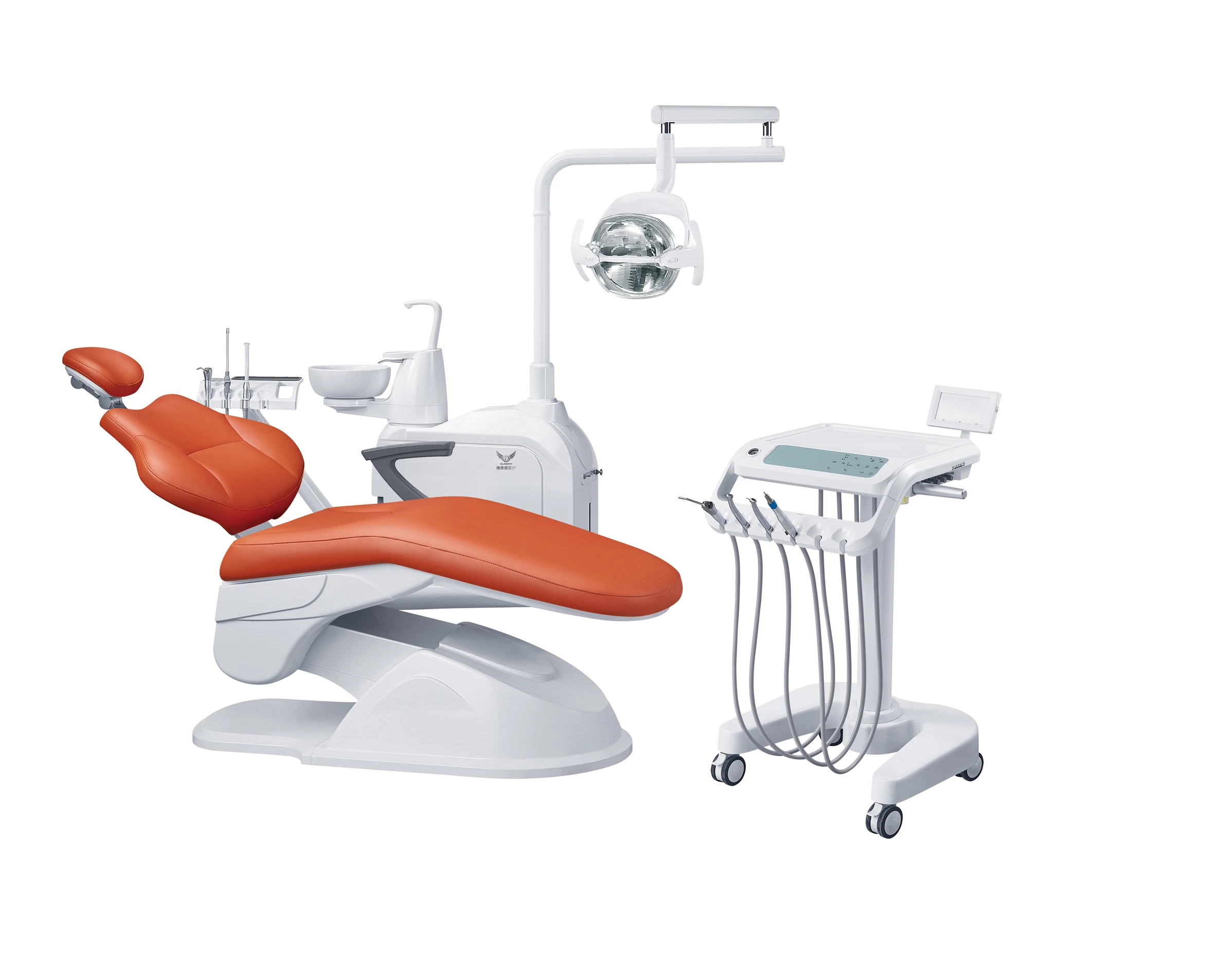
The relationship between equipment quality and diagnostic capability extends throughout the entire clinical examination process. When a dental chair provides superior visibility, stable patient positioning, and integrated diagnostic support, clinicians can perform more thorough assessments and identify subtle pathological signs that might otherwise be missed. Advanced dental equipment transforms routine examinations into comprehensive diagnostic sessions, reducing diagnostic errors and supporting better treatment planning decisions.
Precision Lighting and Visual Clarity in Dental Assessment
LED Illumination Technology in Modern Dental Chairs
Contemporary dental chair units feature advanced LED lighting systems that deliver exceptional illumination directly to the operational field. Superior lighting quality enables clinicians to distinguish fine anatomical details, visualize early-stage carious lesions, and assess tissue coloration with precision that traditional halogen sources cannot achieve. A high-quality dental chair with optimized LED systems reduces eye strain during extended procedures and provides consistent color rendering, which proves essential for accurate shade matching and pathological tissue identification. The brightness and color temperature of a dental chair's illumination directly impact diagnostic confidence and treatment accuracy.
Ergonomic Positioning for Enhanced Visibility
The positioning capability of a dental chair significantly influences diagnostic accuracy by allowing clinicians to achieve optimal viewing angles and access. Advanced dental chair models offer motorized height adjustment, backrest articulation, and headrest positioning that enable practitioners to position patients precisely for each diagnostic task. When a dental chair provides smooth, responsive positioning control, clinicians spend less time adjusting the patient and more time conducting thorough clinical examination. This ergonomic advantage translates directly to better visualization of posterior regions, easier assessment of periodontal tissues, and improved detection of interdental caries that require precise angular access.
Integration of Diagnostic Instrumentation and Workflow Support
Built-In Diagnostic Tool Positioning Within the Dental Chair
Modern dental chair systems incorporate integrated instrument delivery and positioning mechanisms that support efficient diagnostic workflows. High-quality dental chair designs feature articulating arms, adjustable trays, and ergonomic instrument holders that place diagnostic tools within optimal reach while maintaining clear sightlines to the operative field. When diagnostic instruments remain organized and accessible through the dental chair's delivery system, clinicians achieve faster, more systematic examination protocols. This systematic approach reduces the likelihood of overlooking diagnostic signs and supports comprehensive charting and documentation essential for accurate diagnosis.
Patient Stabilization and Consistent Positioning During Assessment
Diagnostic accuracy depends partly on patient stability and consistent positioning throughout the examination sequence. An advanced dental chair with precise motorized controls and comfortable support features enables clinicians to maintain consistent patient positioning from examination start to completion. Stable patient positioning prevents unexpected head movement that could obscure or misrepresent clinical findings, allowing clinicians to perform sequential comparisons and detailed assessments. The reliability of a dental chair's positioning mechanisms directly supports the repeatability and accuracy of clinical documentation and photographic records essential for diagnosis and treatment planning.
Clinical Workflow Enhancement and Diagnostic Efficiency
Reducing Diagnostic Time While Maintaining Accuracy Standards
An efficiently designed dental chair accelerates the diagnostic process by minimizing repositioning time and optimizing access to examination sites. When a dental chair features responsive controls, intuitive ergonomics, and logically organized instrumentation, clinicians complete comprehensive examinations more rapidly without sacrificing diagnostic thoroughness. Time efficiency in diagnostic assessment allows practitioners to schedule more patients while maintaining quality standards and reduces the likelihood of diagnostic errors caused by fatigue or rushed procedures. The productivity advantage of a well-designed dental chair translates to better patient flow and more reliable diagnostic capture.
Documentation Support and Clinical Record Accuracy
Contemporary dental chair systems often integrate intraoral camera mounts, documentation stations, and digital charting support that enable accurate diagnostic recording. When a dental chair provides stable positioning for intraoral photography and supports real-time digital documentation, clinicians create permanent, reproducible records of diagnostic findings. These detailed records enhance diagnostic accuracy across multiple examinations, support treatment planning discussions with patients, and provide objective evidence for complex cases. The documentation capability supported by advanced dental chair design represents a critical element of modern diagnostic protocols and quality assurance.
FAQ
What specific features of a dental chair directly impact diagnostic accuracy?
Key diagnostic features include advanced LED illumination with optimal color rendering, precise motorized positioning controls, ergonomic headrest and backrest adjustment, stable patient support systems, integrated intraoral camera mounts, and organized instrument delivery mechanisms. These features collectively enable clinicians to achieve optimal visibility, maintain consistent patient positioning, and conduct systematic diagnostic examinations. When a dental chair combines these elements, practitioners can detect subtle pathological signs more reliably and document findings more accurately, directly supporting improved diagnostic outcomes.
How does ergonomic design in a dental chair reduce diagnostic errors?
Ergonomic dental chair design minimizes clinician fatigue, reduces examination time, and supports consistent positioning protocols that reduce oversight errors. When a dental chair positions the patient optimally for examination, clinicians maintain focus on diagnostic assessment rather than struggling with positioning adjustments. Reduced fatigue and streamlined workflows decrease the likelihood of missing early-stage pathology or misinterpreting clinical signs. Additionally, comfortable positioning reduces patient anxiety and movement, creating a stable diagnostic environment that enhances accuracy.
Can a dental chair improve treatment planning accuracy?
Yes, diagnostic accuracy directly influences treatment planning quality, making the dental chair a critical foundation for treatment success. When a dental chair enables comprehensive, well-documented diagnostic examinations, clinicians develop more complete case understanding and create more predictable treatment plans. Accurate diagnosis prevents unnecessary treatment of nonexistent pathology and ensures detection of conditions requiring intervention. Consequently, the diagnostic advantages provided by an advanced dental chair indirectly improve treatment outcomes by ensuring treatment decisions rest on thorough, accurate diagnostic information.