
 EN
EN
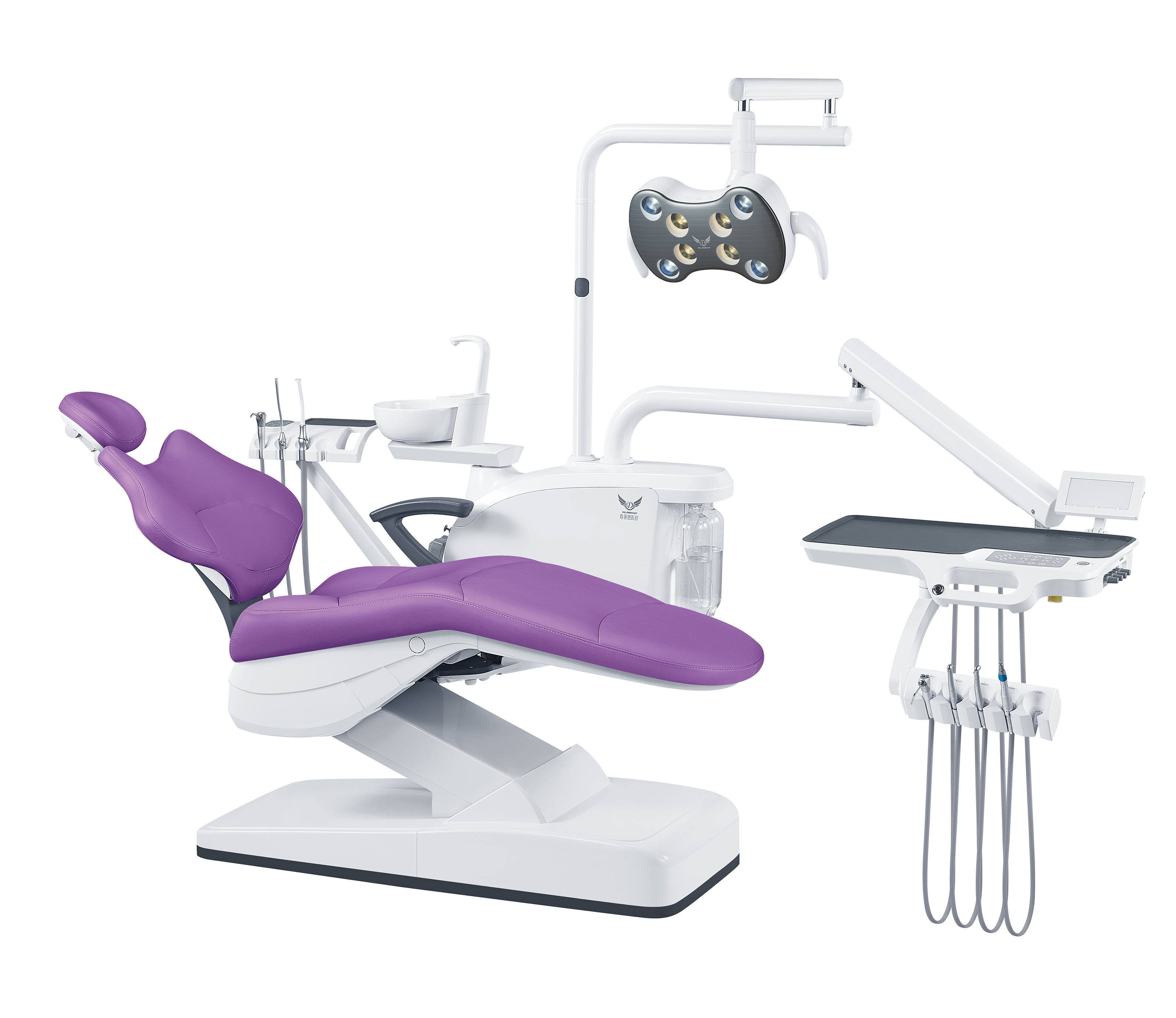
Patient safety remains the cornerstone of modern dental practice, and every component of the clinical environment plays a critical role in preventing complications and ensuring positive outcomes. The dental chair serves as the central hub of patient interaction during treatment, making its design and functionality essential to maintaining safety standards throughout each procedure. Modern dental chairs incorporate sophisticated engineering that goes far beyond simple seating, integrating multiple safety mechanisms that protect patients from injury, infection, and procedural complications. Understanding how a dental chair contributes to overall safety enables practitioners to make informed decisions about equipment selection and clinical protocols that prioritize patient welfare.
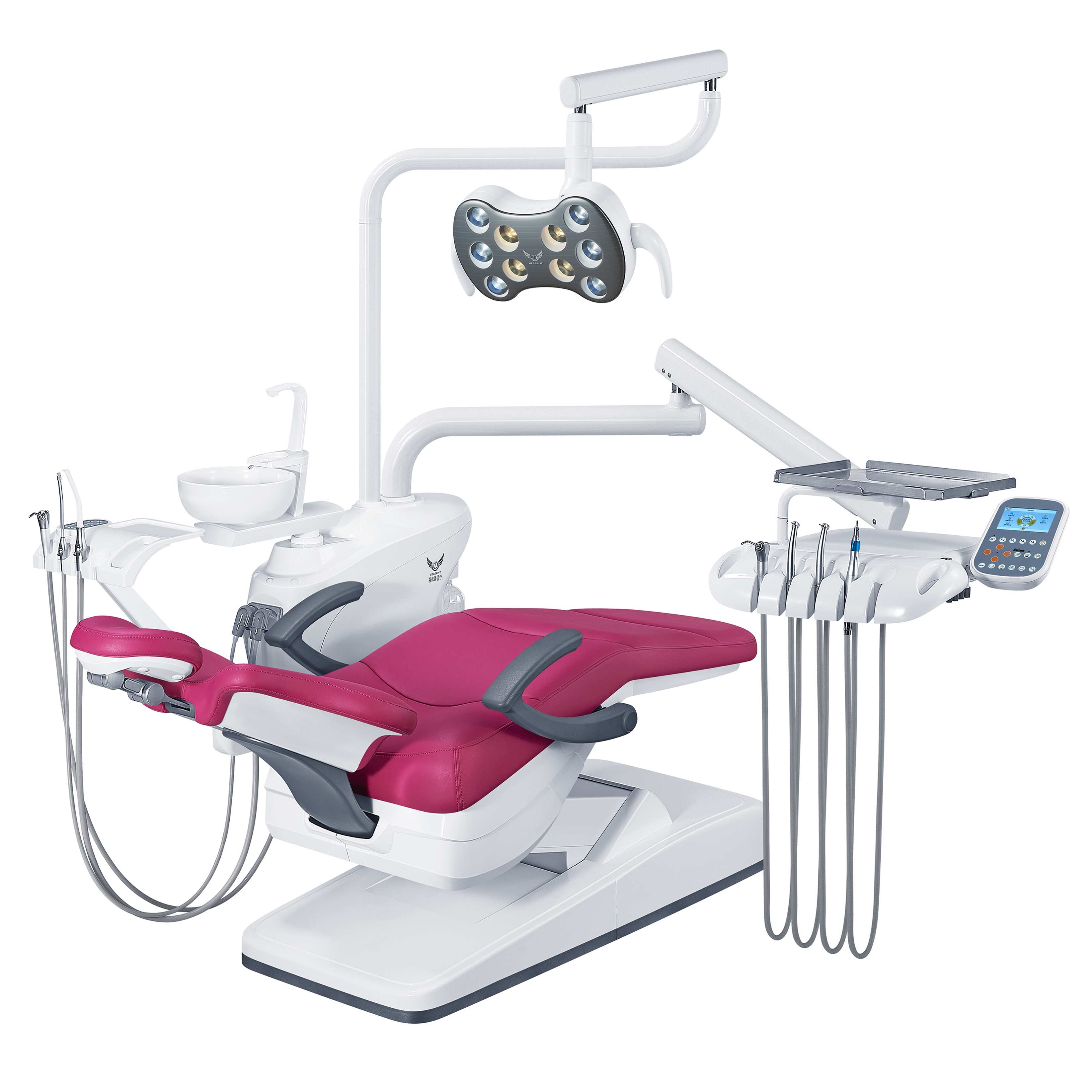
A properly designed dental chair minimizes patient movement and maintains stable positioning throughout treatment, reducing the risk of sudden shifts that could cause tissue trauma or instrument-related injuries. The structural integrity and load-bearing capacity of a dental chair directly influence its ability to support patients safely during extended procedures and complex clinical interventions. Safety in dentistry extends beyond physical stability to encompass infection control, ergonomic support, and responsive emergency features that enable practitioners to respond quickly to patient needs.
Structural Stability and Patient Positioning
Load-Bearing Design and Patient Safety
The dental chair foundation must provide unwavering support during all phases of treatment, particularly when patients require prolonged positioning or when multiple procedures demand extended chairtime. A reinforced load-bearing structure in a dental chair ensures that weight distribution remains consistent and predictable, preventing unexpected tilting or settling that could compromise patient comfort and clinical safety. Structural rigidity in a dental chair eliminates micro-movements that might otherwise cause patient anxiety or procedural complications. The architectural integrity of a dental chair directly correlates with the confidence patients and clinicians alike experience during treatment delivery.
Positional Locking and Movement Control
Modern dental chair systems incorporate precision locking mechanisms that hold patients in the exact position specified by the clinician throughout the procedure. These mechanisms in a dental chair prevent unwanted movement while maintaining patient dignity and comfort by allowing gradual, controlled adjustments between treatment phases. The hydraulic or motorized systems within a dental chair must respond immediately to operator commands while resisting any accidental disturbance that might displace the patient. Emergency stop functions integrated into a dental chair design enable rapid position changes if patient distress or medical complications arise unexpectedly.
Infection Control and Contamination Prevention
Surface Materials and Sterilization Protocols
The dental chair upholstery and structural surfaces must accommodate rigorous sterilization protocols essential to preventing cross-contamination between patients. High-quality dental chair materials resist degradation from repeated exposure to disinfectants, alcohol-based solutions, and high-temperature steaming processes required in clinical settings. Seams and crevices in a dental chair design must be minimized to eliminate areas where bacteria or viruses might harbor and survive standard cleaning procedures. The choice of textile and covering materials for a dental chair directly impacts the facility's ability to maintain infection control standards and comply with regulatory requirements.
Integrated Suction and Fluid Management
Dual suction systems integrated into modern dental chair units improve safety by rapidly removing blood, saliva, and aerosolized particles that could otherwise compromise visibility or create inhalation hazards. The dental chair suction infrastructure must maintain adequate evacuation capacity throughout extended procedures without creating uncomfortable pressure variations for patients. A dental chair with properly designed fluid management prevents fluid accumulation in patient airways and reduces the risk of aspiration complications. Effective waste removal through the dental chair system contributes significantly to reducing airborne pathogen transmission in the clinical environment.
Ergonomic Support and Clinician Access
Patient Comfort and Treatment Tolerance
Extended treatment sessions require that the dental chair provide comprehensive support to prevent patient fatigue and discomfort that could compromise treatment quality or safety. Adjustable headrest and lumbar support features in a dental chair allow customization for diverse patient body types and specific clinical requirements. When patients remain comfortable and stable in a dental chair, they are less likely to make involuntary movements that could complicate instrument placement or cause self-inflicted injuries. The psychological benefit of a supportive dental chair reduces patient anxiety, which in turn decreases involuntary muscle tension that might elevate risk during treatment.
Clinician Positioning and Procedural Safety
The dental chair must position patients optimally to provide clinicians with clear visibility and ergonomic access to oral structures without compromising patient airway security or comfort. A well-designed dental chair enables clinicians to work from multiple angles while maintaining control of instruments and visibility throughout the procedure. Articulated headrest components in a dental chair allow precise angular adjustments that accommodate diverse treatment modalities and anatomical variations. When clinicians can work comfortably with optimal visibility and access, procedural accuracy improves, reducing the likelihood of complications related to imprecise instrument placement or excessive force application.
Emergency Response Capabilities and Patient Protection
Quick Positioning and Medical Response Features
Medical emergencies require that the dental chair transition rapidly from treatment position to supine or recovery position, enabling immediate access for medical intervention if patient distress develops. Emergency elevation functions in a dental chair must operate independently of standard electrical systems to ensure reliability during power disruptions. The dental chair design must accommodate rapid patient removal without creating additional trauma or compromising airway access during medical emergencies. Recovery position capabilities built into a dental chair system enable clinicians to maintain patient safety during episodes of syncope, allergic reactions, or other acute medical events.
Safety Monitoring and Alert Systems
Contemporary dental chair systems include patient vital sign monitoring capabilities and alert mechanisms that notify clinicians of concerning physiological changes during treatment. Integrated safety features in a dental chair reduce response times and improve outcomes during medical emergencies by providing real-time information to the clinical team. The dental chair positioning must never compromise patient airway access or restrict chest expansion, even during extended treatment sessions. Reliable communication systems integrated with the dental chair unit ensure that support staff can respond immediately to clinician requests for assistance or emergency protocols.
FAQ
What specific dental chair features most directly enhance patient safety?
The most critical dental chair safety features include reinforced load-bearing structure that prevents unexpected movement, dual suction systems for airway protection, precise locking mechanisms for stable positioning, emergency rapid-elevation capabilities, sterilizable materials that prevent cross-contamination, and adjustable support components that accommodate diverse patient anatomies. A dental chair combining these elements creates a comprehensive safety environment that protects patients throughout treatment. Additionally, integrated communication systems and emergency positioning features enable rapid response to medical complications, making these dental chair characteristics essential to clinical safety protocols.
How does a dental chair prevent cross-contamination between patients?
A properly designed dental chair incorporates seamless surface materials, removable and sterilizable covers, and antimicrobial-resistant upholstery that withstands repeated exposure to high-level disinfectants and sterilization processes. The dental chair construction eliminates crevices and hard-to-reach areas where microorganisms might survive standard cleaning protocols. Many modern dental chair systems feature covers specifically engineered for rapid replacement between patients, significantly reducing the time required for decontamination. Regular maintenance of the dental chair hydraulic and mechanical systems ensures that contamination cannot accumulate within internal mechanisms that might otherwise spread infection.
Can a dental chair design adapt to different treatment types and patient needs?
Yes, contemporary dental chair systems offer extensive customization options including adjustable headrests, articulated backrests, positioning memory settings, and modular instrument tray configurations that accommodate diverse clinical scenarios. A versatile dental chair enables practitioners to optimize positioning for implant surgery, orthodontic procedures, periodontal treatment, and routine prophylaxis without requiring multiple specialized units. The dental chair's ability to adapt to individual patient body types and specific treatment requirements contributes significantly to both safety and treatment efficiency. This flexibility in dental chair design reduces the likelihood of uncomfortable positioning that might cause patient movement or compromise the practitioner's access and visibility during critical procedures.