
 EN
EN
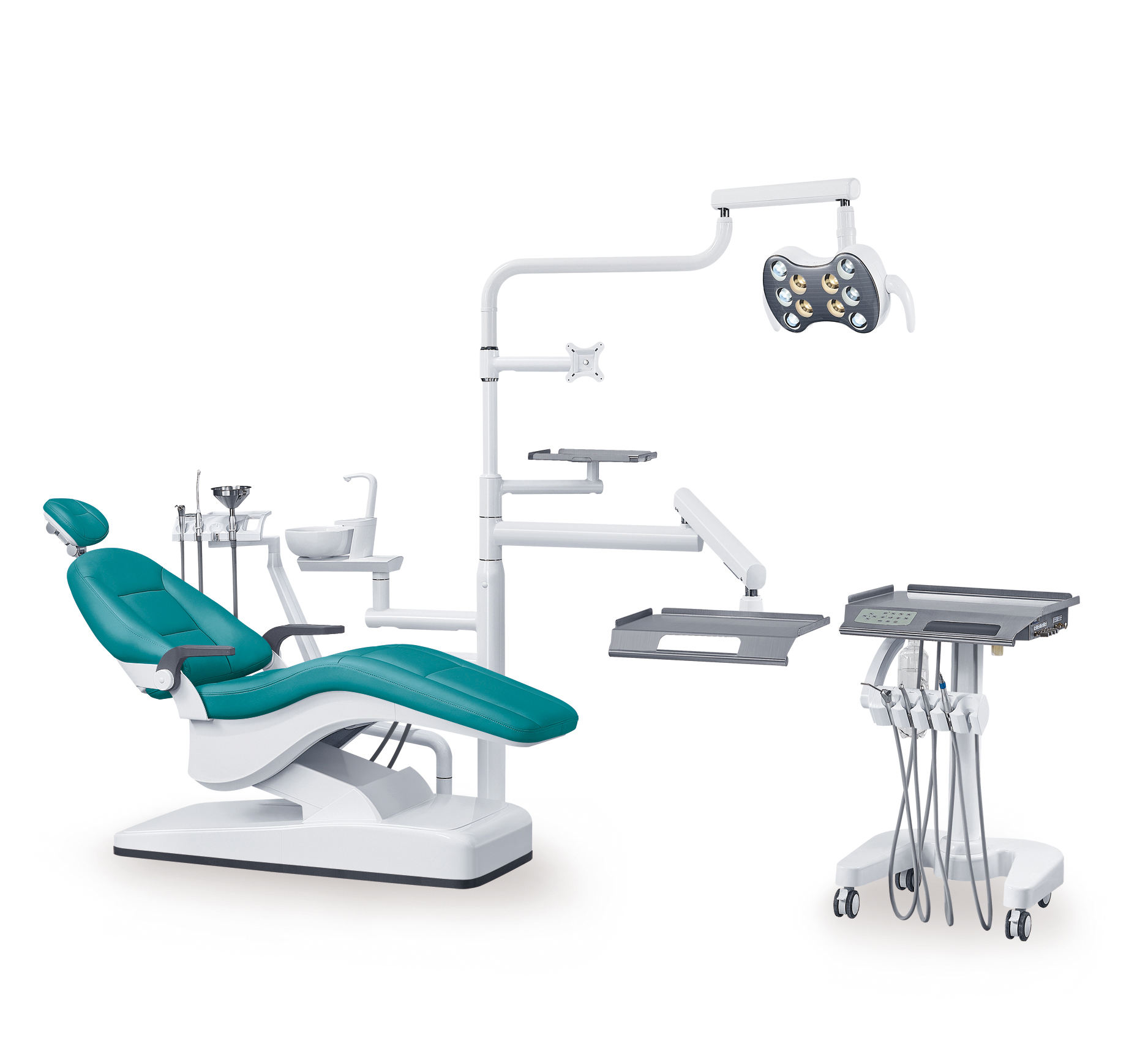
Digital technology has fundamentally transformed how dental practices operate, and the modern dental chair sits at the center of this transformation. The integration of digital systems into dental equipment represents one of the most significant advancements in contemporary dentistry, enabling practitioners to deliver more precise, efficient, and patient-centered care. Today's dental chair is no longer a simple mechanical device; it has evolved into a sophisticated platform that seamlessly connects with imaging systems, treatment planning software, and practice management tools. Understanding how digital technology integrates into dental equipment helps practices make informed decisions about modernization and operational efficiency.
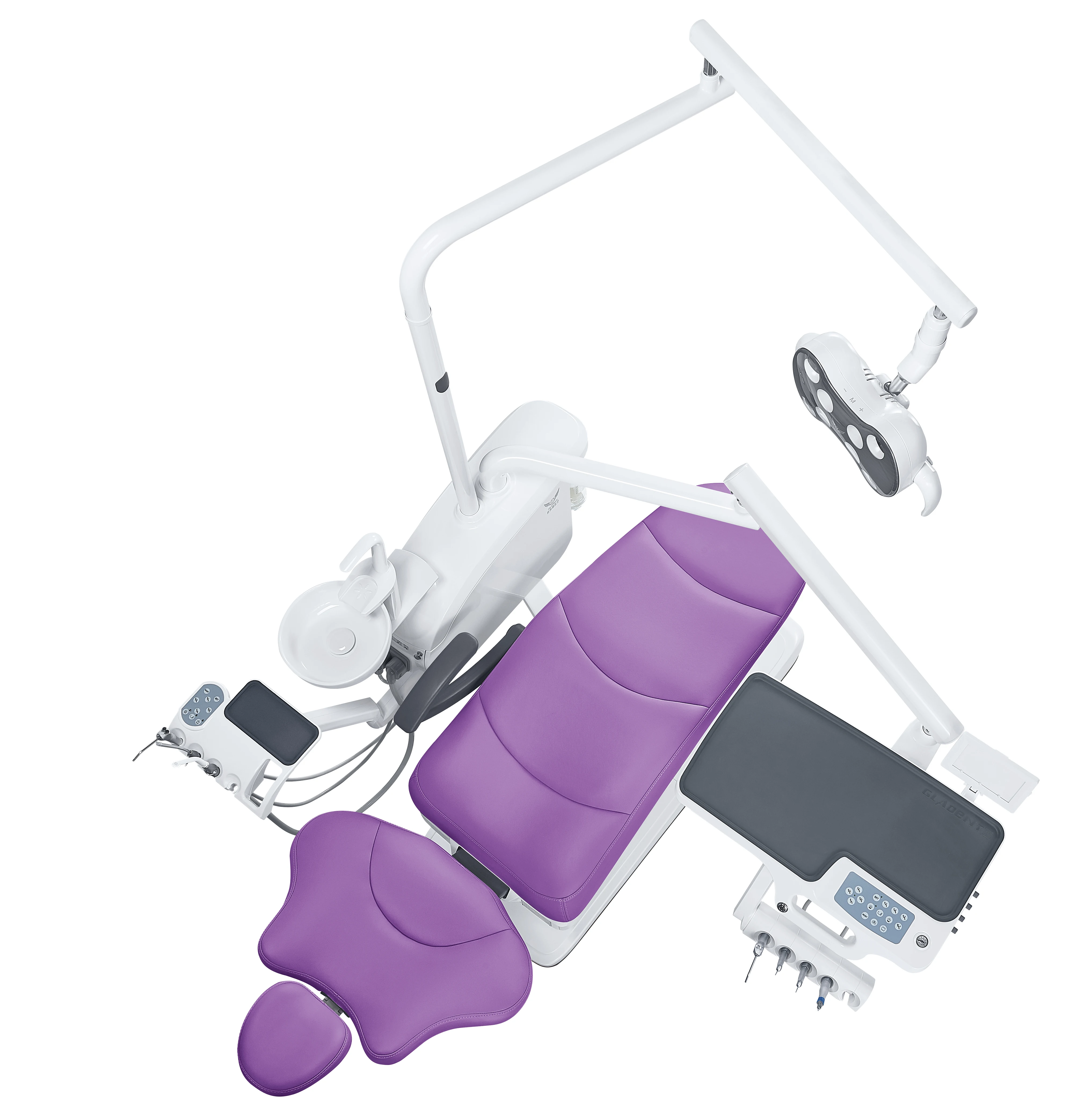
The digital dental chair ecosystem encompasses multiple interconnected components that work together to streamline clinical workflows and enhance treatment outcomes. From computer-controlled positioning systems to integrated multimedia displays and real-time patient monitoring, the modern dental chair serves as the hub of a fully digital practice environment. This comprehensive integration not only improves clinical precision but also significantly impacts patient comfort, appointment efficiency, and practice profitability. Practices that successfully integrate digital technology into their dental equipment systems report measurable improvements in case acceptance rates, treatment accuracy, and patient satisfaction scores.
Core Components of Digital Dental Chair Integration
Computer-Controlled Positioning and Ergonomics
Modern dental chair technology features advanced computer controls that enable precise positioning of the patient, operatory lighting, and instrument delivery systems. A digital dental chair equipped with motorized positioning allows practitioners to customize patient seating angles, backrest inclination, and chair height with millimeter-level accuracy through touchscreen interfaces or programmable presets. This automation eliminates manual adjustments, reduces clinician strain, and ensures consistent patient positioning across multiple appointments. The dental chair's digital memory function stores preferred configurations for specific procedures, enabling one-click setup that saves significant time during busy clinical days. Ergonomic optimization through the dental chair's digital positioning directly correlates with reduced clinician fatigue, improved visibility, and fewer repetitive strain injuries over the course of a career.
Integrated Imaging and Display Systems
The digital dental chair now integrates intraoral cameras, digital radiography sensors, and high-definition display monitors directly into the treatment area, creating a unified information workspace. These imaging systems connect wirelessly or through hardwired connections to the dental chair's central processing unit, allowing images to appear instantaneously on chairside monitors visible to both clinician and patient. A digital dental chair with integrated display technology enables practitioners to show treatment plans, capture real-time images, and explain procedures to patients without leaving the treatment zone. This integration reduces appointment time, improves patient understanding of treatment needs, and establishes a modern, technology-forward image that appeals to contemporary patients seeking advanced dental care.
Workflow Optimization Through Digital Connectivity
Seamless Data Integration with Practice Management Systems
Digital dental chair systems connect with practice management software through networked communication protocols, enabling automatic transfer of clinical notes, treatment records, and patient data directly from the operatory to the digital chart. When a practitioner uses a digital dental chair equipped with software connectivity, they can access patient history, previous treatment plans, and radiographic records without stepping away from the patient. This seamless integration eliminates data entry delays, reduces transcription errors, and ensures that the most current patient information remains accessible throughout the appointment. A modern dental chair functioning as part of an integrated digital ecosystem significantly improves overall practice workflow efficiency and reduces administrative burden on clinical staff.
Real-Time Communication and Appointment Management
The digital dental chair serves as a communication hub within the practice environment, connecting to appointment scheduling systems, staff communication platforms, and treatment plan documentation workflows. Practitioners using a digital dental chair can receive real-time alerts about schedule changes, prescription refills, or follow-up reminders without leaving the operatory. This connectivity ensures that clinical time remains productive and uninterrupted while maintaining awareness of practice-wide operations. The digital dental chair's integration into the communication infrastructure transforms the operatory from an isolated treatment space into a connected component of the larger practice ecosystem, improving coordination between clinical and administrative teams.
Patient Experience and Clinical Outcomes
Enhanced Comfort and Communication Capabilities
Patient comfort represents a primary driver of case acceptance and referral generation in modern dental practices, and the digital dental chair plays a crucial role in delivering superior comfort experiences. A dental chair with digital positioning, heated backrest options, and interactive entertainment systems significantly reduces patient anxiety and creates a more pleasant treatment environment. Digital dental chair technology enables practitioners to adjust positioning in real-time based on patient feedback, eliminating the discomfort associated with manual adjustments or suboptimal positioning. Chairside digital displays allow patients to view treatment progress, educational content, or entertainment options, transforming passive chair time into an engaging experience that builds patient confidence in the practice.
Improved Diagnostic Accuracy and Treatment Planning
The digital dental chair ecosystem supports integration of advanced diagnostic tools including cone beam computed tomography (CBCT), three-dimensional imaging, and artificial intelligence-assisted treatment planning software. When these diagnostic systems connect to the digital dental chair environment, practitioners gain immediate access to comprehensive anatomical information, enabling more accurate clinical assessments and predictable treatment outcomes. A digital dental chair positioned as the central hub of the diagnostic workflow facilitates better communication between specialists and general practitioners, supports case collaboration, and creates comprehensive documentation that justifies treatment recommendations to patients and insurance carriers. The precision and clarity enabled by digital dental chair integration directly translates into higher quality clinical results and increased patient satisfaction with treatment outcomes.
Implementation Considerations and Best Practices
Selecting and Configuring Digital Dental Chair Systems
Practices evaluating digital dental chair options should prioritize systems offering compatibility with existing software platforms, intuitive user interfaces, and reliable technical support. A quality digital dental chair investment includes thorough staff training, comprehensive system documentation, and ongoing technical assistance to ensure optimal utilization of integrated features. Dental chair selection should consider specific practice workflow patterns, available operatory space, budget constraints, and long-term growth plans. The most successful digital dental chair implementations involve clinicians and staff members in the selection process, ensuring that chosen systems address real workflow challenges rather than adding unnecessary complexity.
Training, Support, and Performance Optimization
Successful integration of digital dental chair technology requires comprehensive staff training that extends beyond basic operation to include troubleshooting, software features, and workflow optimization strategies. Practices should establish regular training sessions, create quick-reference guides, and designate staff members as digital dental chair technology champions who help colleagues adapt to new systems. A digital dental chair represents a significant practice investment that only delivers expected returns when staff members possess sufficient knowledge to use all integrated features effectively. Ongoing performance monitoring, regular software updates, and proactive technical support relationships ensure that the digital dental chair system continues operating optimally throughout its lifecycle.
FAQ
What are the primary advantages of integrating digital technology into a dental chair system?
Digital dental chair integration provides multiple benefits including improved patient positioning precision, seamless data connectivity with practice software, enhanced patient communication capabilities, and significant time savings during clinical appointments. A modern dental chair equipped with digital controls and integrated displays enables practitioners to deliver higher quality care while reducing overall appointment time. Patient comfort and satisfaction also improve dramatically when using an advanced digital dental chair that offers smooth positioning adjustments, entertainment options, and clear visualization of treatment information.
How does a digital dental chair connect to practice management and imaging systems?
Most modern digital dental chair systems connect through networked communication protocols that enable wireless or hardwired data transfer with practice management software, intraoral cameras, and digital radiography equipment. A dental chair functioning as part of an integrated digital ecosystem automatically syncs clinical notes, captures and displays images, and maintains real-time connectivity with practice records throughout the appointment. The specific connectivity methods depend on the dental chair model and practice infrastructure, but contemporary systems are designed for seamless integration that requires minimal configuration by practice staff.
Is upgrading to a digital dental chair cost-effective for small dental practices?
While digital dental chair systems require significant initial investment, most practices experience measurable return on investment through improved appointment efficiency, higher case acceptance rates, and enhanced patient retention driven by superior patient experiences. A quality dental chair represents a multi-year investment that pays dividends through increased practice productivity and competitive advantages in the local market. Practices can phase implementation across multiple operatories to spread costs, prioritize treatment areas experiencing the highest patient volume, and realize benefits incrementally as digital dental chair integration becomes standard across the practice.