Advanced Ergonomic Design Enhances Clinical Performance
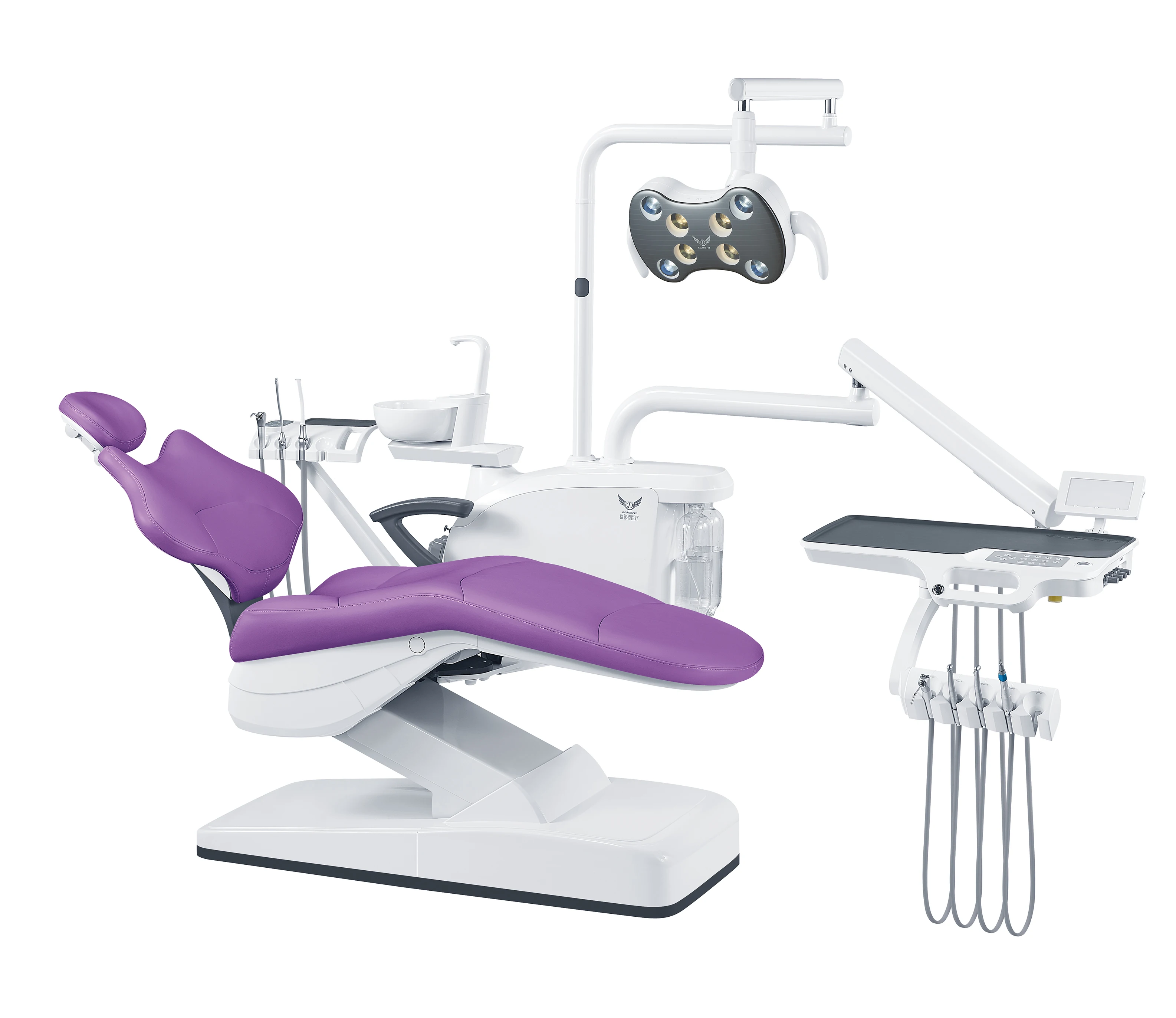
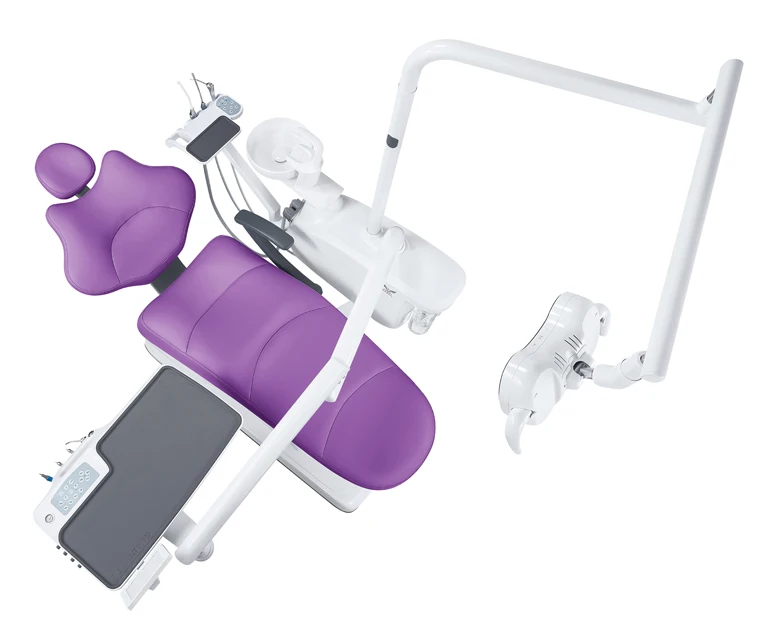
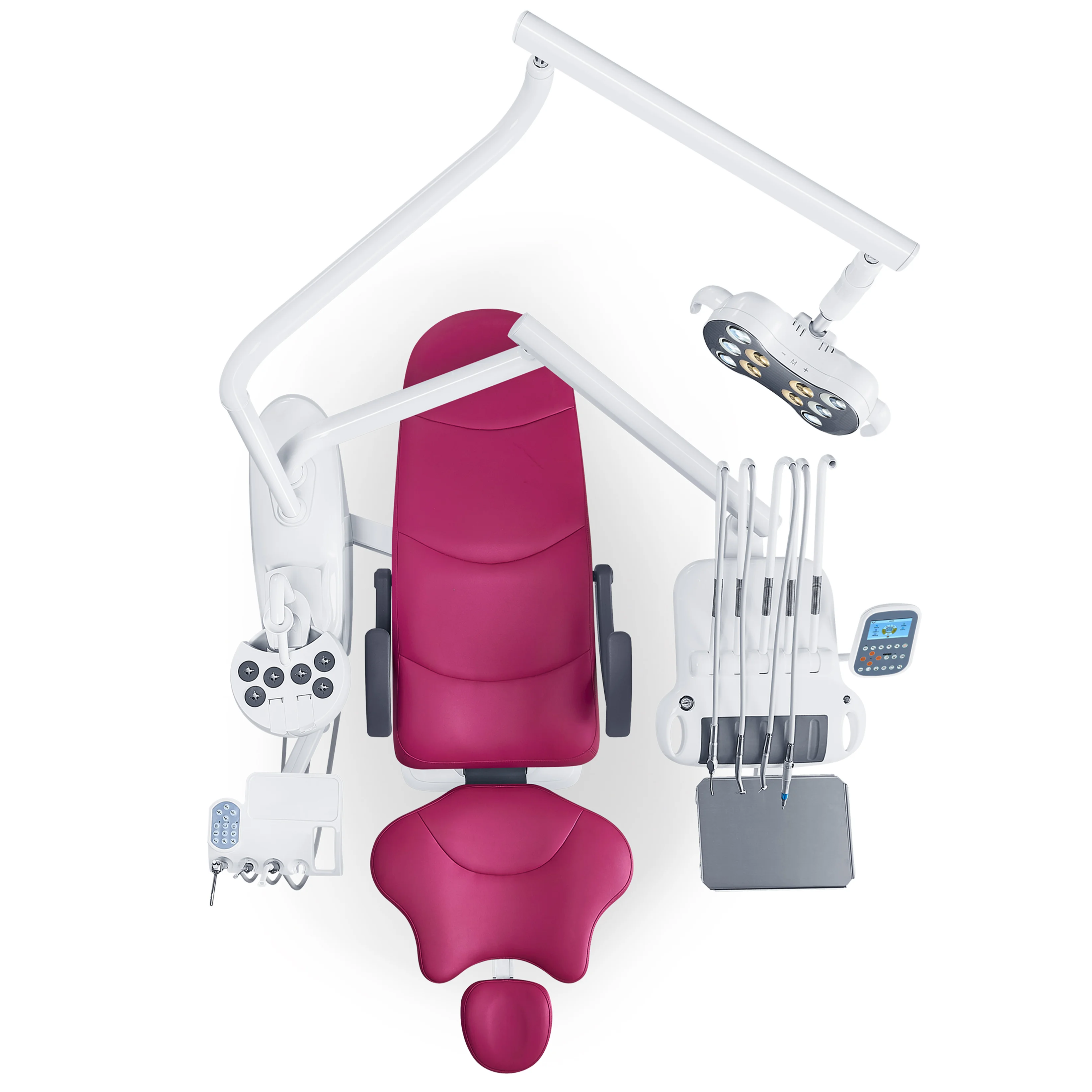
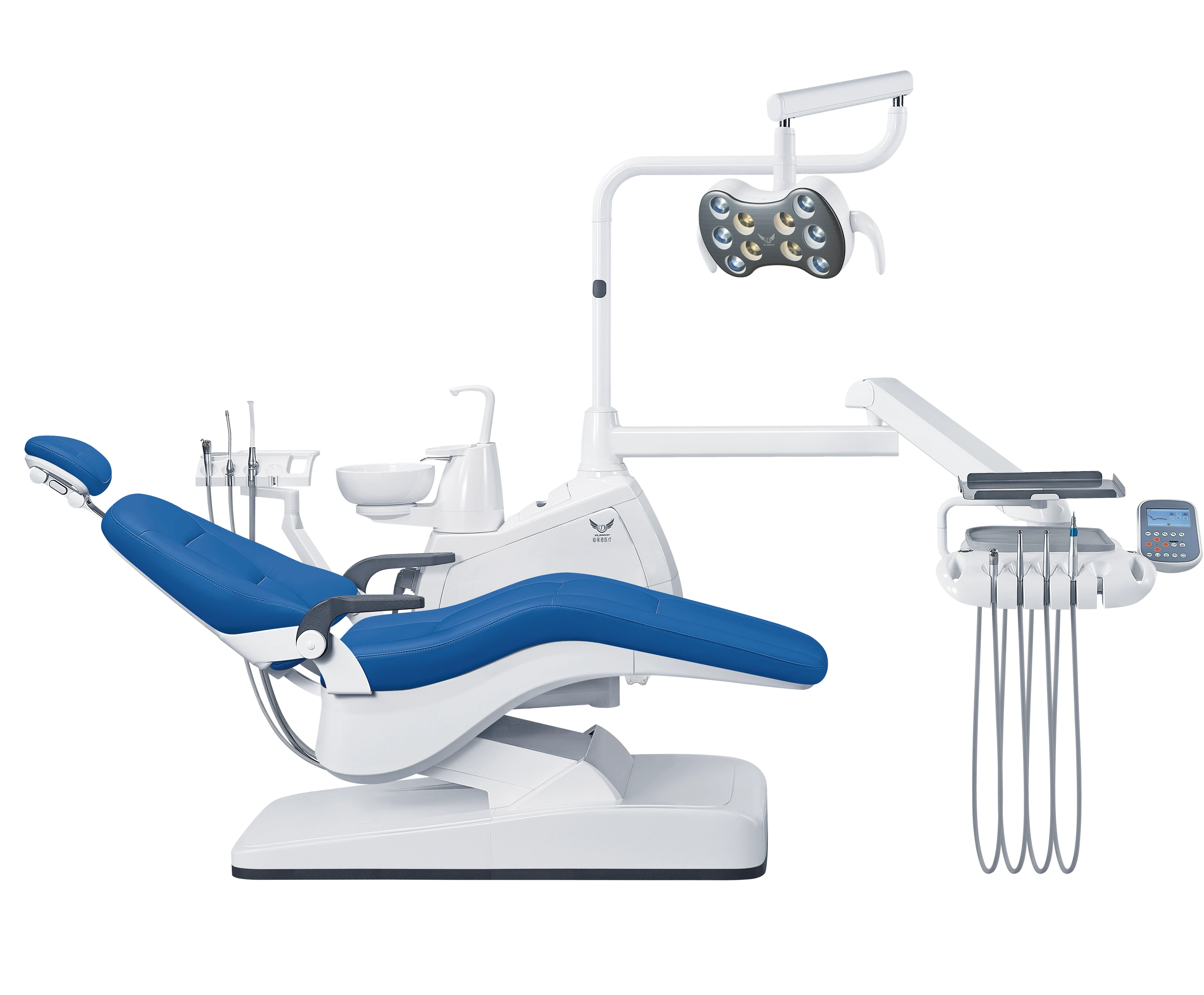
The ergonomic engineering behind a quality dental chair unit addresses the physical demands that make dentistry one of the most physically challenging medical professions. Practitioners spend countless hours bent over patients in awkward positions that strain the neck, shoulders, and lower back. Over time, these postural stresses lead to chronic pain conditions that force many dentists into early retirement. A quality dental chair unit combats these issues through thoughtful design features that support natural body mechanics and reduce unnecessary strain. The chair's positioning system allows infinite adjustments to place patients at optimal heights and angles for different procedures. Instead of bending uncomfortably to reach the treatment area, you can raise, lower, tilt, and recline the patient until they align perfectly with your natural working posture. Programmable memory positions recall your preferred settings for common procedures, eliminating the time spent making manual adjustments and ensuring consistency across appointments. The operatory stool that accompanies the quality dental chair unit incorporates similar ergonomic principles. Adjustable height, backrest angle, and armrest positioning let you customize the seating to your body dimensions and working style. Proper lumbar support maintains the natural curve of your spine, preventing the slouching that leads to disc compression and muscle fatigue. Some advanced models include dynamic seating that encourages subtle movement throughout the day, promoting circulation and preventing the stiffness that comes from static positioning. Instrument delivery systems on the quality dental chair unit position handpieces and accessories within your primary working zone, the area you can reach comfortably without stretching or twisting. This placement follows established ergonomic principles that minimize shoulder elevation and arm extension, movements that quickly cause fatigue when repeated hundreds of times daily. Balanced articulating arms support the weight of instruments, so you are not constantly fighting gravity while maintaining precision control. The lighting system integrates into the ergonomic design by providing brilliant, shadow-free illumination that eliminates eye strain. You can see clearly without squinting or adopting awkward head positions to peer around shadows. Color-accurate LEDs reveal subtle tissue variations that help you identify pathology and assess restoration margins, improving diagnostic accuracy and treatment quality. These ergonomic advantages compound over time, protecting your physical health while improving the precision and consistency of your clinical work.

 EN
EN


![Innovation Journey - GLADENT Dental Chairs: [The 30th South China International Dental Exhibition 2025 Concludes Successfully]](https://shopcdnpro.grainajz.com/category/19383/3803/616cc2b5bdfecec5e7c5b6aa95e40d84/%E5%BE%AE%E4%BF%A1%E5%9B%BE%E7%89%87_20250826164700.jpg)