Patient Comfort Engineering and Anxiety Reduction Features
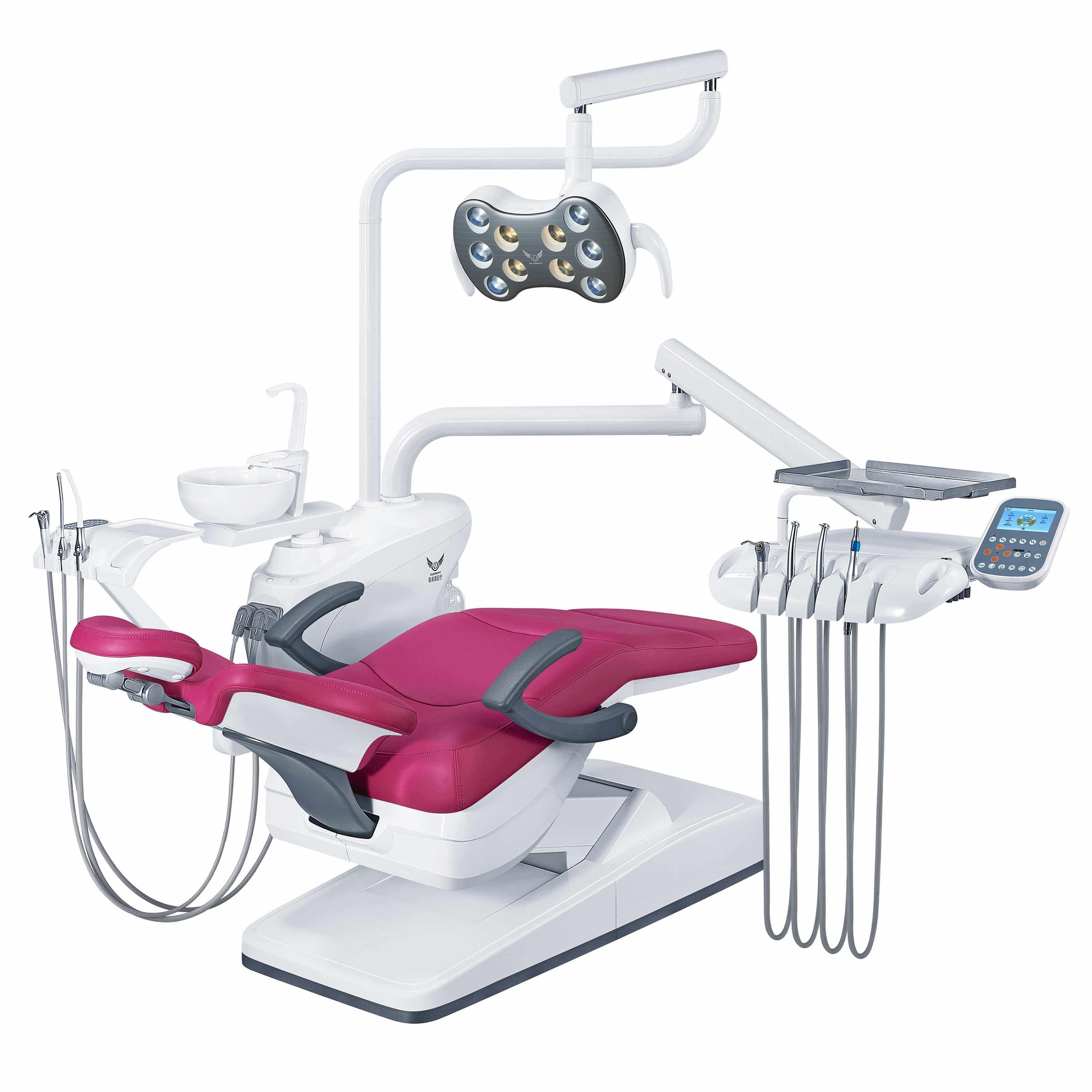
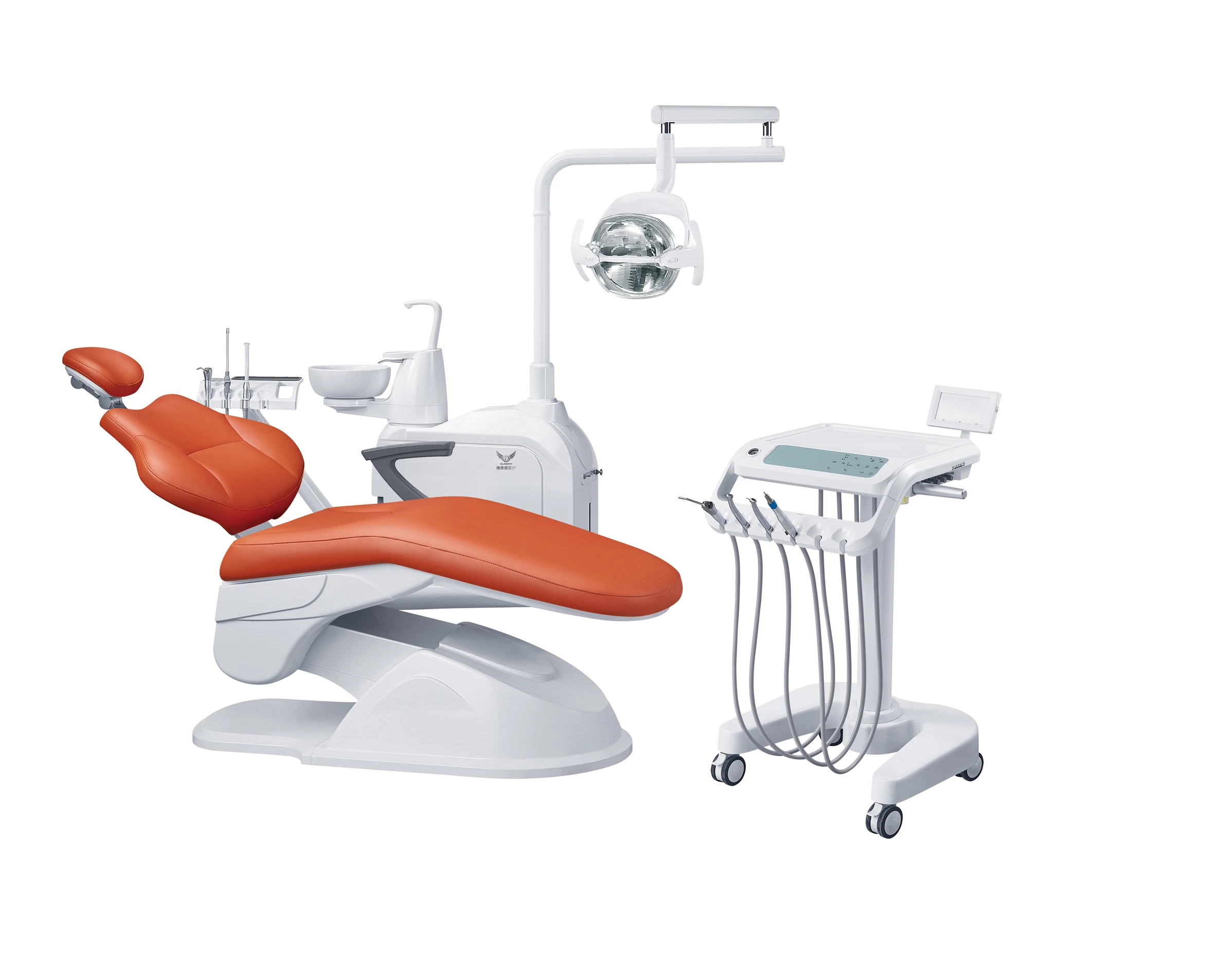
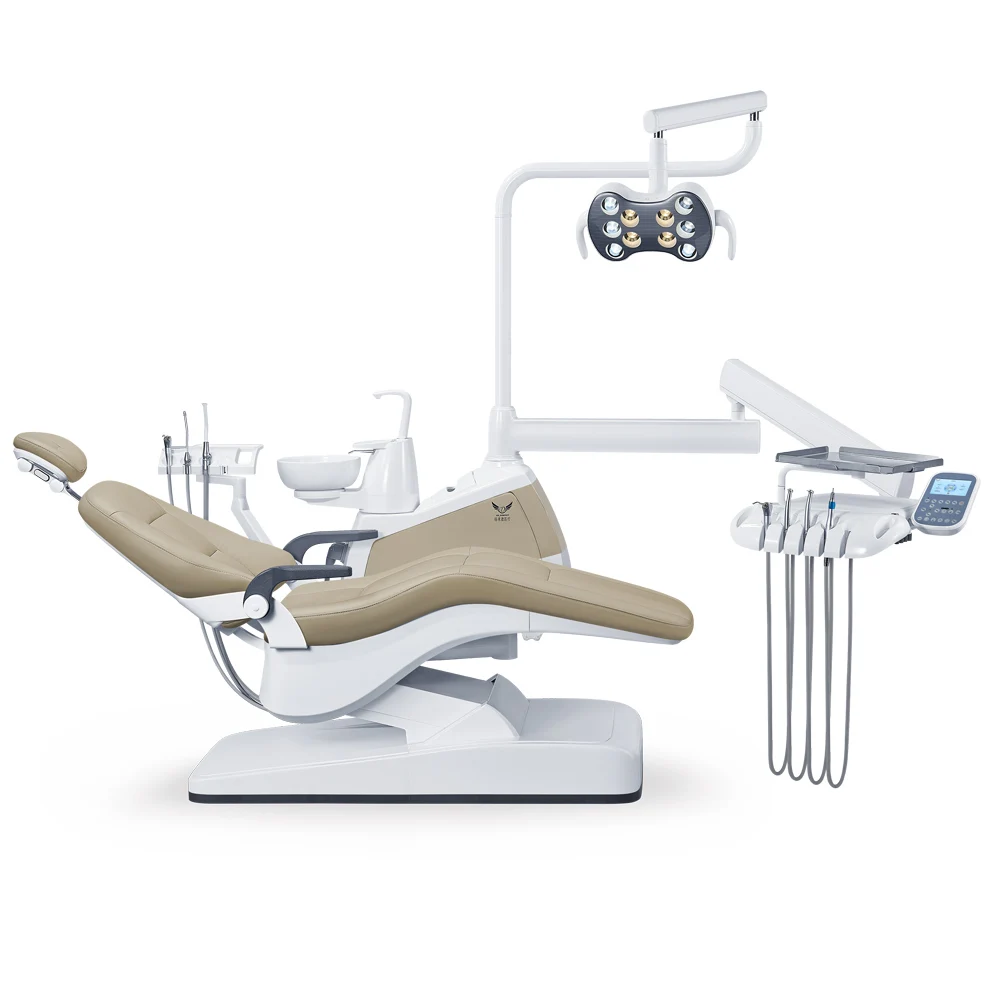
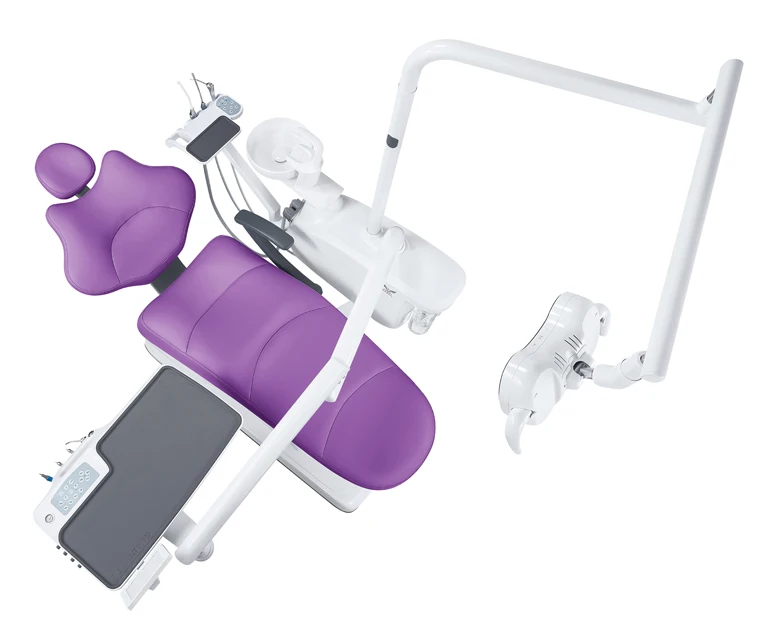
The evolution of fauteuil dentaire design reflects a deepening understanding of how physical comfort and psychological reassurance influence patient cooperation, treatment acceptance, and long-term relationships with dental care. Modern patient comfort engineering extends far beyond basic padding, incorporating sophisticated materials science, biomechanical research, and even elements of hospitality design to create an experience that reduces the anxiety traditionally associated with dental appointments. The foundation of comfort in any fauteuil dentaire lies in its upholstery system. Contemporary designs employ multi-density foam combinations that provide firm support where needed while offering soft cushioning at contact points. Memory foam components conform to individual body contours, distributing pressure evenly across the back, seat, and thighs. This distribution prevents the numbness and discomfort that patients experienced in older chair designs during lengthy procedures. The upholstery covering itself represents an engineering achievement, combining the soft feel that patients appreciate with durability and cleanability that clinical environments demand. Modern materials resist staining, facilitate thorough disinfection, and incorporate antimicrobial treatments that inhibit bacterial growth between cleanings. Some premium fauteuil dentaire models offer heated upholstery systems that warm gradually during appointments, counteracting the cool temperatures typical of clinical settings and helping patients relax tense muscles. Beyond the seating surface, comprehensive patient comfort engineering addresses the complete sensory experience. Noise reduction receives particular attention, as the sounds of dental equipment trigger anxiety in many patients. Quality fauteuil dentaire systems incorporate acoustic dampening in motor housings and use precision-balanced components that operate nearly silently. The smooth acceleration and deceleration of positioning movements avoid the jarring starts and stops that characterized older hydraulic systems. Visual elements also contribute to the comfort equation, with many fauteuil dentaire designs incorporating entertainment systems that allow patients to watch television or streaming content during procedures. Ceiling-mounted monitors position screens within comfortable viewing angles regardless of chair position, providing distraction from treatment activities. Some systems integrate virtual reality capabilities, offering immersive experiences that transport patients away from the clinical environment entirely. For pediatric applications, fauteuil dentaire manufacturers create specialized designs featuring colorful aesthetics, smaller dimensions appropriate for children, and interactive elements that transform the dental visit into a more playful experience. Lighting represents another crucial comfort consideration. Harsh overhead lights can increase patient anxiety and cause discomfort. Modern fauteuil dentaire systems integrate LED operating lights with adjustable intensity and color temperature, allowing practitioners to optimize illumination for clinical needs while minimizing patient discomfort. Ambient lighting options create a more relaxing atmosphere during consultation and less invasive procedures. The cumulative effect of these comfort engineering elements extends beyond the immediate appointment. Patients who experience comfortable, low-stress dental visits develop more positive attitudes toward oral healthcare, improving appointment attendance and treatment acceptance rates. For practices, investing in a patient-focused fauteuil dentaire becomes a powerful tool for building reputation, differentiating from competitors, and creating the kind of patient loyalty that sustains long-term practice success.

 EN
EN


![Innovation Journey - GLADENT Dental Chairs: [The 30th South China International Dental Exhibition 2025 Concludes Successfully]](https://shopcdnpro.grainajz.com/category/19383/3803/616cc2b5bdfecec5e7c5b6aa95e40d84/%E5%BE%AE%E4%BF%A1%E5%9B%BE%E7%89%87_20250826164700.jpg)