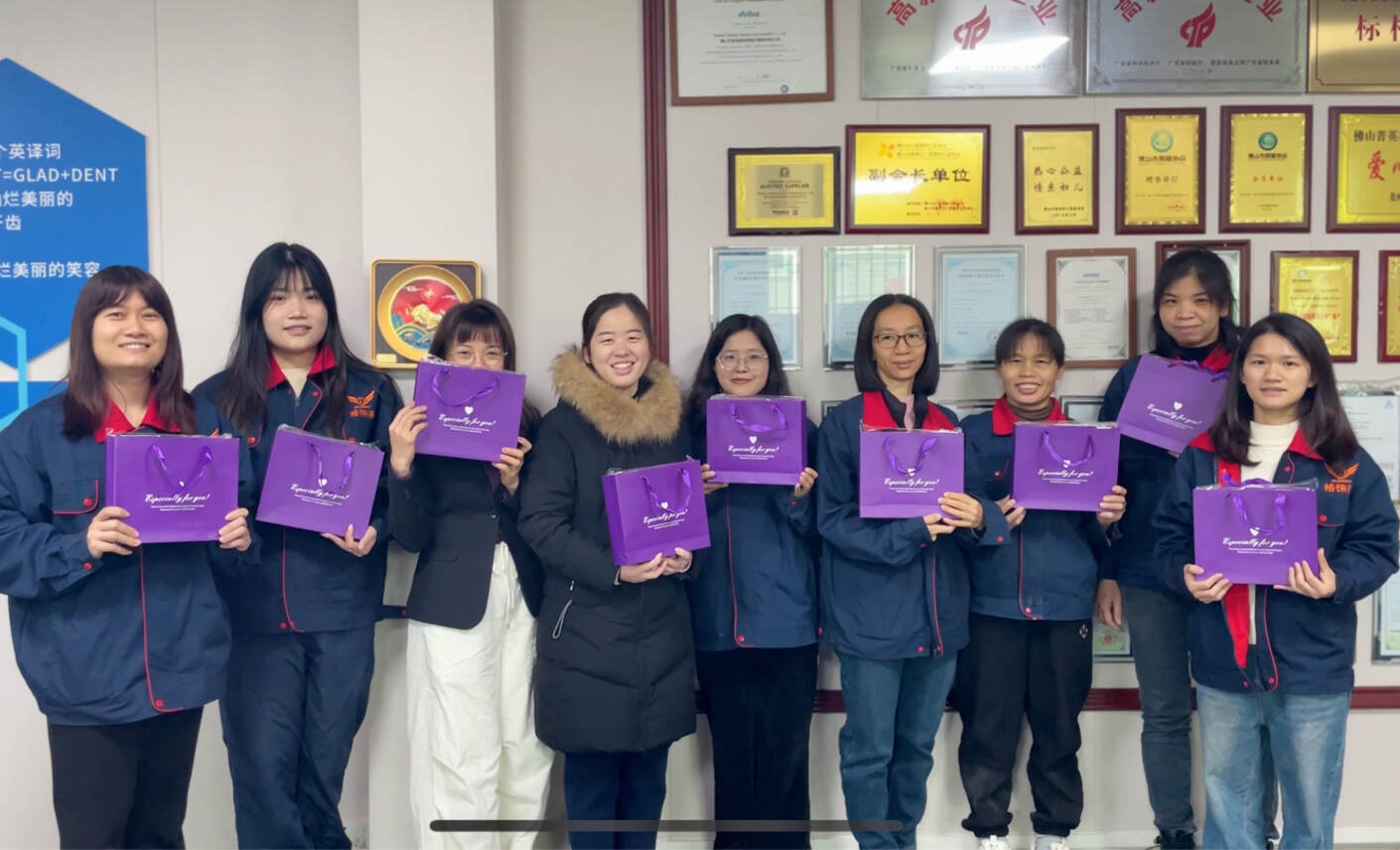
Hygiene and Maintenance Benefits for Long-Term Value
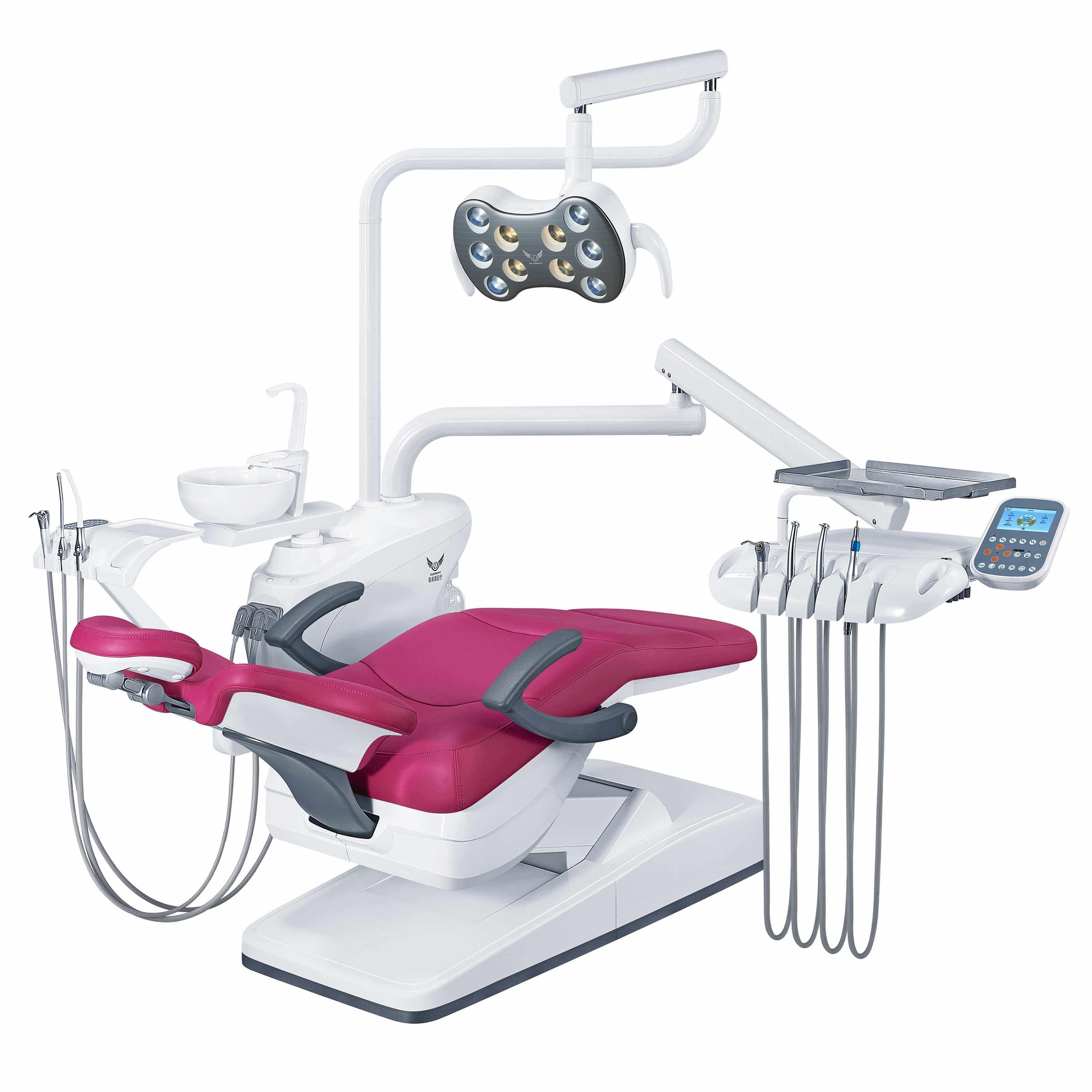
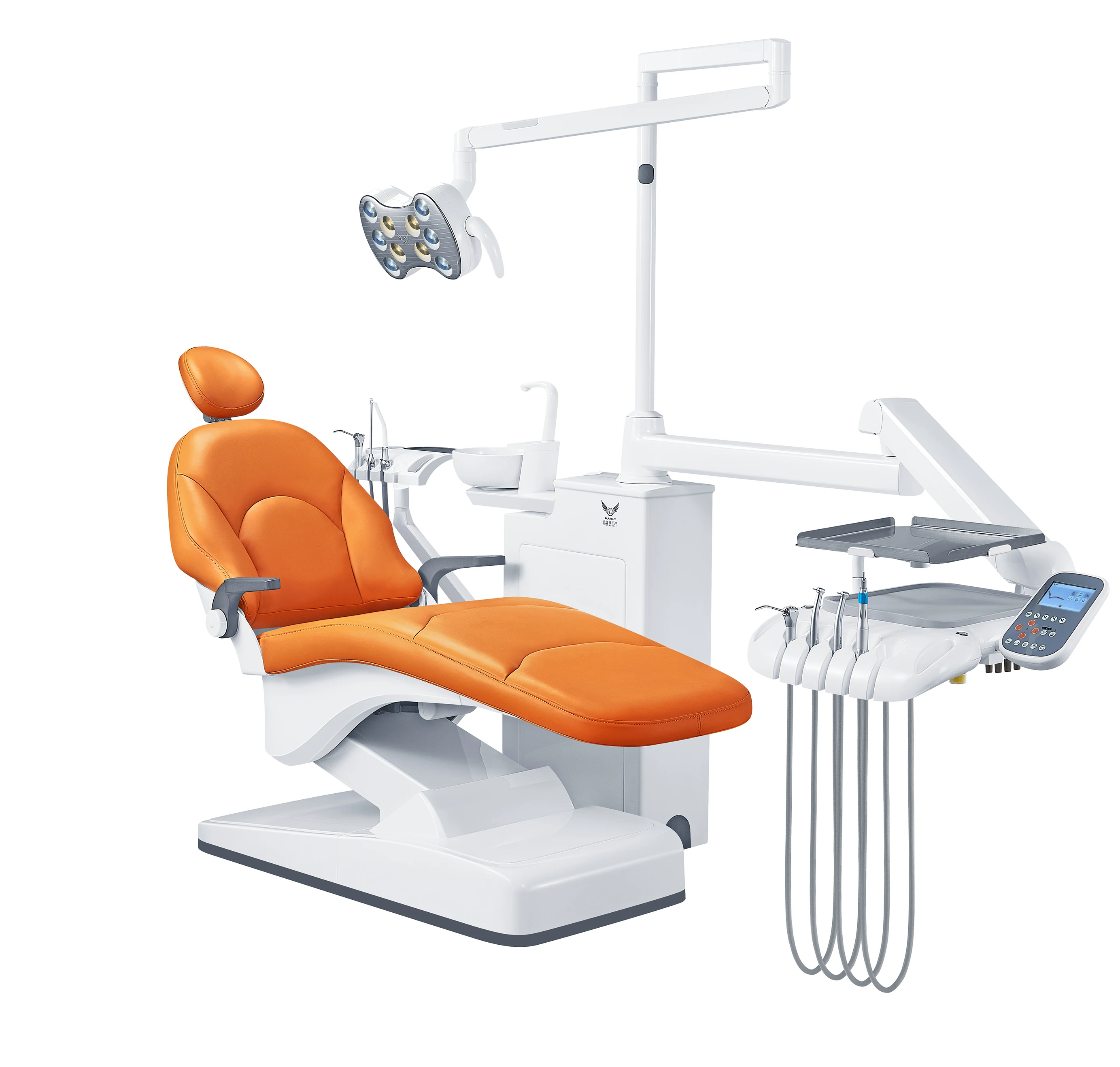
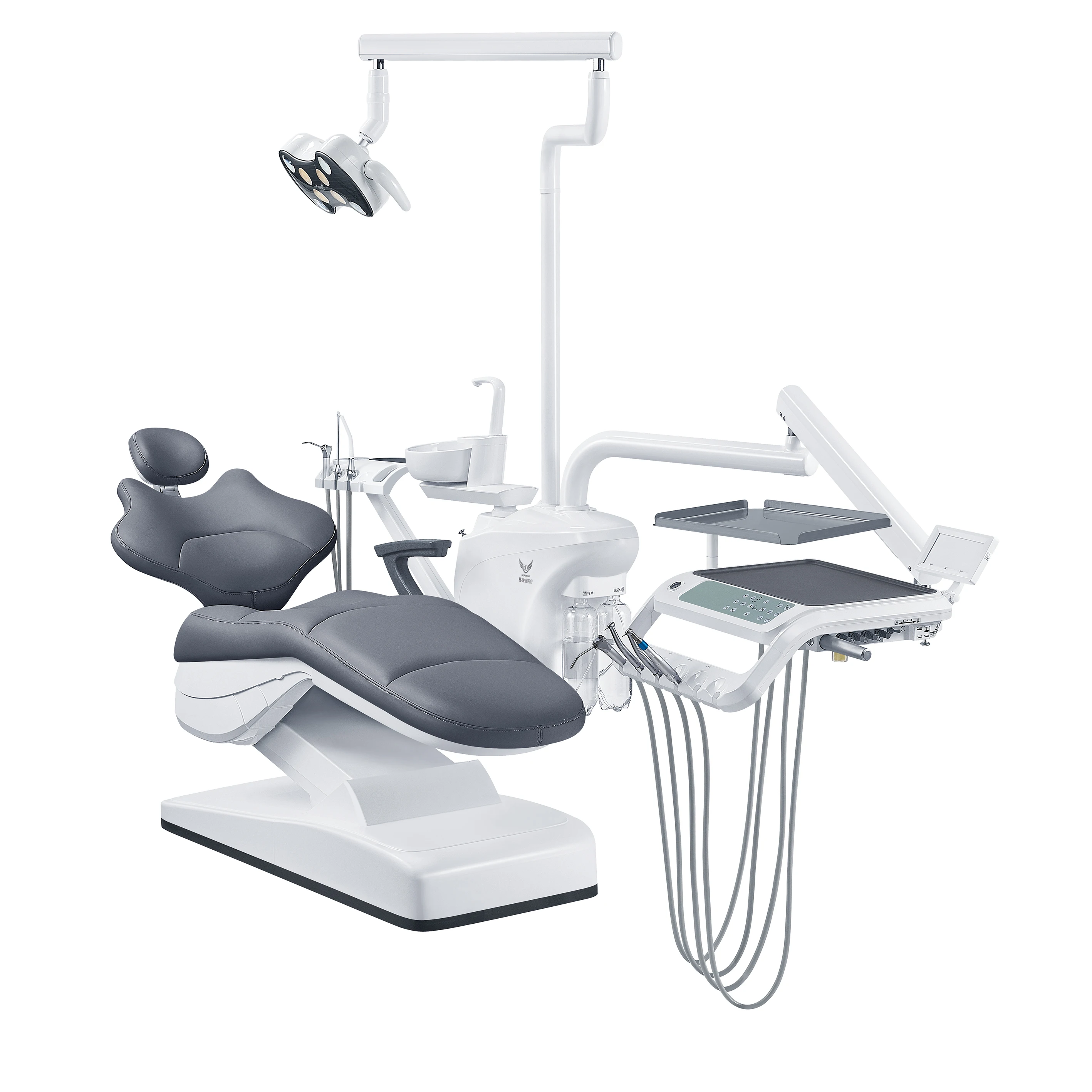
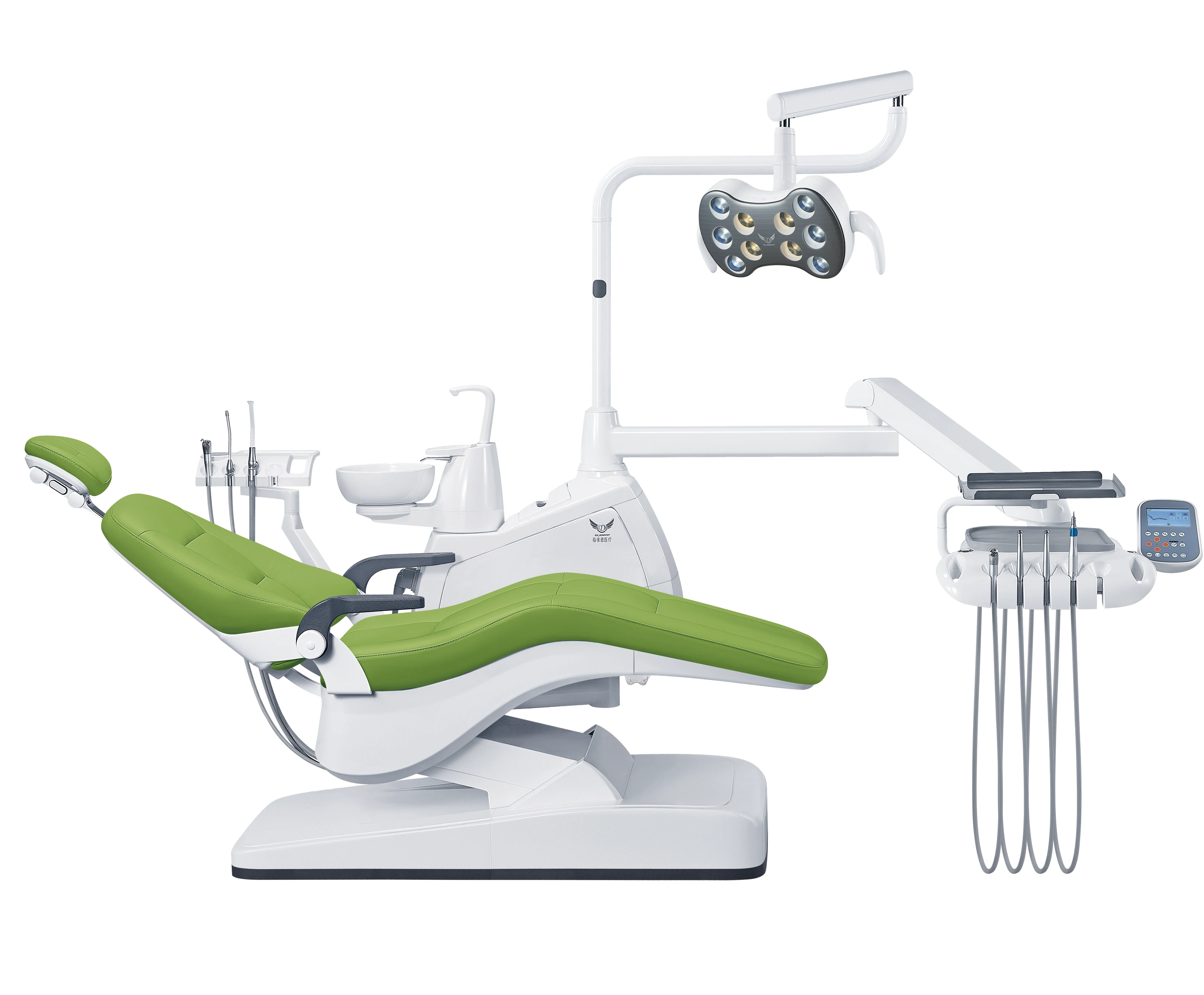
A dental chair with cushion designed for professional use incorporates features that simplify cleaning protocols and resist the degrading effects of repeated disinfection, delivering long-term value that justifies the initial investment. The seamless or thermally welded upholstery construction eliminates stitching that creates channels where fluids can penetrate to the cushioning substrate, preventing the growth of bacteria and mold within the chair structure. Surface treatments applied to the upholstery create a barrier that repels blood, saliva, and irrigation solutions, allowing these fluids to be wiped away before they can stain or penetrate the material. This fluid resistance extends to the disinfectant solutions used between patients, as the upholstery withstands exposure to quaternary ammonium compounds, alcohol-based cleaners, and sodium hypochlorite solutions without cracking, peeling, or color fading. The chemical resistance of quality dental chair upholstery maintains the professional appearance that influences patient perceptions of practice quality and cleanliness standards. Removable cushion covers on some models allow thorough cleaning or replacement without requiring specialized tools or service technicians, reducing downtime and maintenance costs over the chair's service life. The cushioning foam itself resists moisture absorption and features antimicrobial additives that prevent degradation from the humid environment of dental operatories where aerosol generation and water use create conditions favorable to microbial growth. Metal and plastic components of the positioning mechanism receive corrosion-resistant finishes that maintain smooth operation despite exposure to cleaning agents and the moisture present in dental treatment areas. Service access panels allow maintenance personnel to reach mechanical components without disturbing the cushioning system, simplifying routine lubrication, belt replacement, and motor servicing that keeps the chair functioning reliably for decades. The modular design of contemporary dental chairs with cushions means that individual components can be replaced as they wear rather than requiring complete chair replacement, significantly extending equipment life and reducing long-term costs. Manufacturers typically offer extended warranties on the frame, positioning mechanism, and cushioning system, reflecting confidence in the durability of materials and construction methods. The total cost of ownership for a quality dental chair with cushion remains lower than cheaper alternatives when factoring in reduced maintenance frequency, longer replacement cycles, and the productivity gains from reliable equipment that minimizes appointment disruptions. Regular maintenance requirements remain minimal, typically limited to periodic cleaning, annual safety inspections, and occasional replacement of wear items like foot pedal membranes or control panel covers. The investment in a well-constructed dental chair with cushion protects practice profitability by avoiding the revenue loss associated with equipment failures that force appointment cancellations or referrals to other providers.
 EN
EN


![Innovation Journey - GLADENT Dental Chairs: [The 30th South China International Dental Exhibition 2025 Concludes Successfully]](https://shopcdnpro.grainajz.com/category/19383/3803/616cc2b5bdfecec5e7c5b6aa95e40d84/%E5%BE%AE%E4%BF%A1%E5%9B%BE%E7%89%87_20250826164700.jpg)