 EN
EN
Choosing the right OEM dental instrument strategy is one of the most impactful decisions a dental brand or distributor can make. In a market where product differentiation is increasingly difficult, the OEM dental instrument path allows businesses to control design, branding, and specification without the burden of building their own manufacturing infrastructure. The right OEM dental instrument partnership does not just reduce cost — it actively shapes your competitive position.
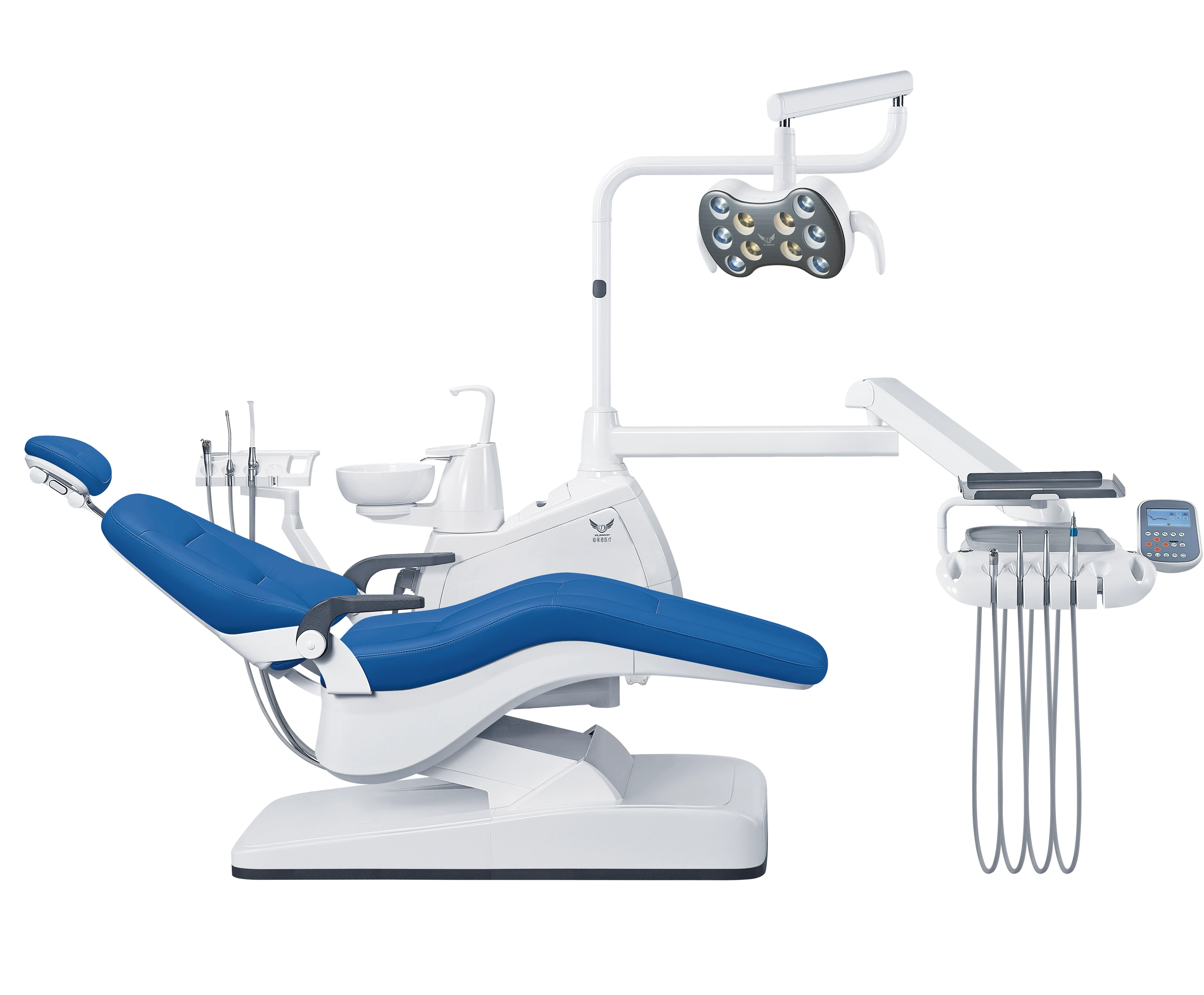
Not every OEM dental instrument option delivers equal competitive value, however. Some OEM dental instrument configurations are better suited to price-sensitive markets, while others target premium clinical buyers who demand superior performance. Understanding which OEM dental instrument features, customization levels, and service models genuinely strengthen your brand requires a structured evaluation approach. This article breaks down the key selection criteria so you can identify the OEM dental instrument options that truly improve your market competitiveness.
Core Customization Features That Drive OEM Dental Instrument Value
Pneumatic System Quality and Automation
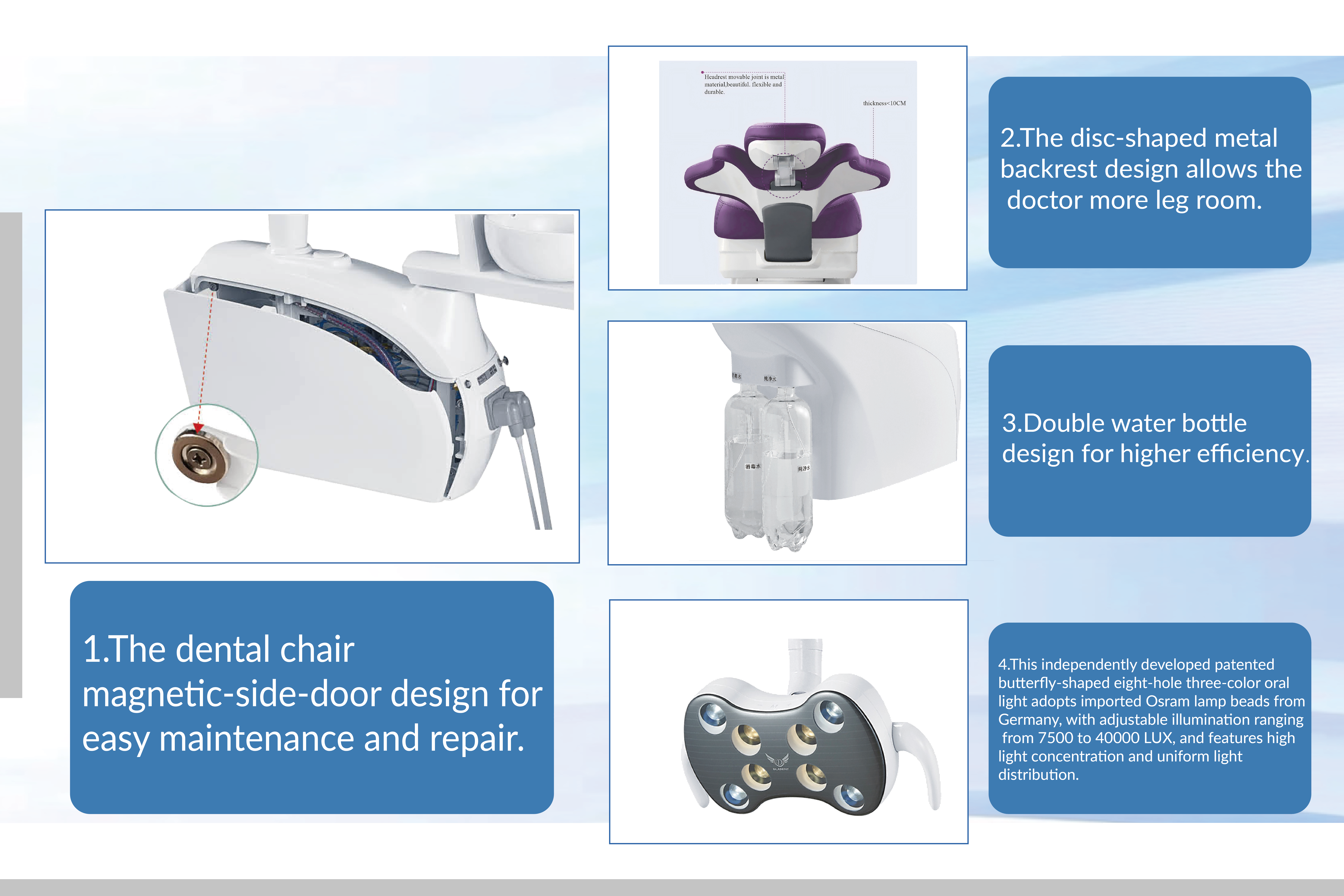
When evaluating an OEM dental instrument for competitive positioning, the internal mechanical system is the single most influential factor. An OEM dental instrument built with an imported pneumatic system delivers more consistent air pressure control, smoother handpiece operation, and reduced vibration — all characteristics that dental professionals notice immediately. Offering an OEM dental instrument with this level of engineering distinguishes your brand from competitors selling entry-level alternatives at similar price points.
Automation is another critical dimension of the OEM dental instrument value equation. An OEM dental instrument that includes an automatic disinfection system addresses one of the dental industry's most persistent operational concerns: infection control compliance. When your OEM dental instrument handles disinfection automatically, dental clinics reduce staff workload and minimize human error in sterilization protocols. This functional advantage becomes a compelling sales argument for distributors and end users alike, strengthening the competitive appeal of your OEM dental instrument line.
Branding and Aesthetic Customization
Beyond mechanical performance, the visual identity of an OEM dental instrument plays a significant role in market competitiveness. An OEM dental instrument that supports full color customization, custom logo engraving, and branded packaging allows your company to project a cohesive and professional brand image. Buyers in competitive regions often associate the visual quality of an OEM dental instrument with the reliability of the brand behind it. Ensuring your OEM dental instrument looks premium across every touchpoint reinforces customer confidence before they even use the product.
Which OEM Dental Instrument Models Fit Different Market Segments
Entry-Level Markets and Price-Competitive Positioning
For markets where price sensitivity is high, the ideal OEM dental instrument is one that balances essential functionality with cost efficiency. An OEM dental instrument designed for this segment should still meet international safety standards and provide reliable basic performance, but customization options may focus on branding and packaging rather than advanced mechanical features. Distributors operating in these environments benefit most from an OEM dental instrument with a streamlined specification set that keeps per-unit cost low while maintaining brand visibility. The key is selecting an OEM dental instrument that does not compromise on safety or compliance even as it minimizes cost.
Premium Markets and Clinical Performance Positioning
In premium markets, the OEM dental instrument must prioritize clinical performance, materials quality, and technology integration. An OEM dental instrument with an imported pneumatic system and automatic disinfection is particularly well positioned here, because these features directly address the professional expectations of specialist clinics and dental chains. Offering an OEM dental instrument with advanced specifications signals to buyers that your brand takes clinical outcomes seriously. This OEM dental instrument tier typically commands higher margins and attracts buyers who are less price-driven and more loyal to brands that deliver consistent quality. A well-specified OEM dental instrument in the premium segment becomes a platform for long-term customer retention.
Evaluating OEM Dental Instrument Partners for Sustainable Competitiveness
Manufacturing Capability and Compliance Standards
The competitive advantage of any OEM dental instrument program ultimately depends on the capabilities of the manufacturing partner. An OEM dental instrument produced in a facility that holds relevant international certifications — such as ISO or CE approvals — provides immediate credibility in regulated markets. When your OEM dental instrument carries verifiable compliance documentation, distributors face fewer regulatory barriers and buyers feel greater confidence. Assessing a manufacturer's quality control processes before committing to an OEM dental instrument program is essential, as inconsistency in production undermines brand reputation quickly.
Flexibility, Lead Times, and After-Sales Support
Sustainable competitiveness through an OEM dental instrument program also depends on operational factors beyond the product itself. A manufacturing partner who offers flexible minimum order quantities allows you to test new OEM dental instrument configurations without overcommitting inventory. Reliable lead times ensure your OEM dental instrument reaches markets before competitors fill the demand gap. Additionally, strong after-sales support — including spare parts availability, technical documentation, and responsive service — extends the lifecycle value of your OEM dental instrument and protects your brand reputation in the field. Every one of these operational factors compounds over time to determine whether your OEM dental instrument program truly improves your market competitiveness or simply adds product volume without strategic differentiation.
FAQ
What makes an OEM dental instrument different from a standard dental instrument?
An OEM dental instrument is manufactured to the specifications of a brand or distributor rather than sold under the original manufacturer's own label. This allows the purchasing company to customize the OEM dental instrument in terms of design, branding, features, and packaging. A standard dental instrument is sold as-is under the producer's own brand with no customization. The OEM dental instrument model gives businesses full control over their product identity without owning manufacturing facilities.
How does an OEM dental instrument with automatic disinfection improve competitiveness?
An OEM dental instrument with automatic disinfection reduces the manual steps required for infection control between patient appointments. This makes the OEM dental instrument more operationally efficient for busy dental practices, which is a direct selling advantage. Clinics that adopt this OEM dental instrument report improved workflow and reduced compliance risk. Brands that offer an OEM dental instrument with this feature address a genuine clinical pain point, which translates into stronger buyer preference and repeat purchasing.
Which OEM dental instrument features matter most for international markets?
For international markets, the most critical OEM dental instrument features include regulatory compliance documentation, multilingual user manuals, and voltage compatibility. An OEM dental instrument that meets CE, ISO, or regional safety standards removes barriers for distributors operating in regulated environments. Beyond compliance, an OEM dental instrument with a robust pneumatic system and durable materials performs reliably across different usage conditions, reducing warranty claims and protecting your brand's reputation in markets where after-sales service infrastructure may be limited.