
 EN
EN
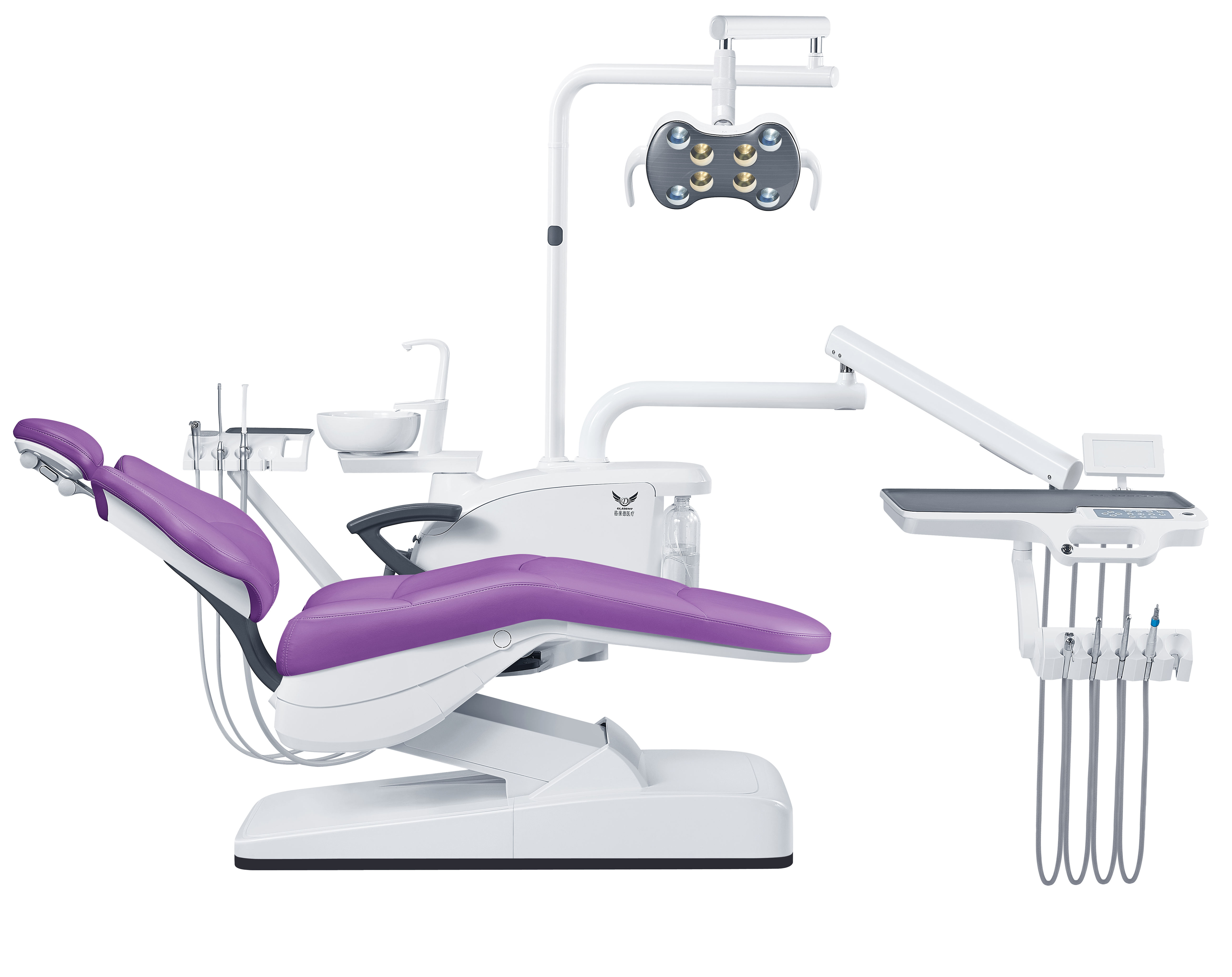
The landscape of dental instruments has changed dramatically over the past decade. Clinicians now rely on dental instruments that combine digital intelligence, ergonomic engineering, and advanced materials to deliver faster, safer, and more precise care. Understanding which innovations are driving this transformation helps dental professionals make smarter investment decisions and stay competitive in a rapidly evolving field.
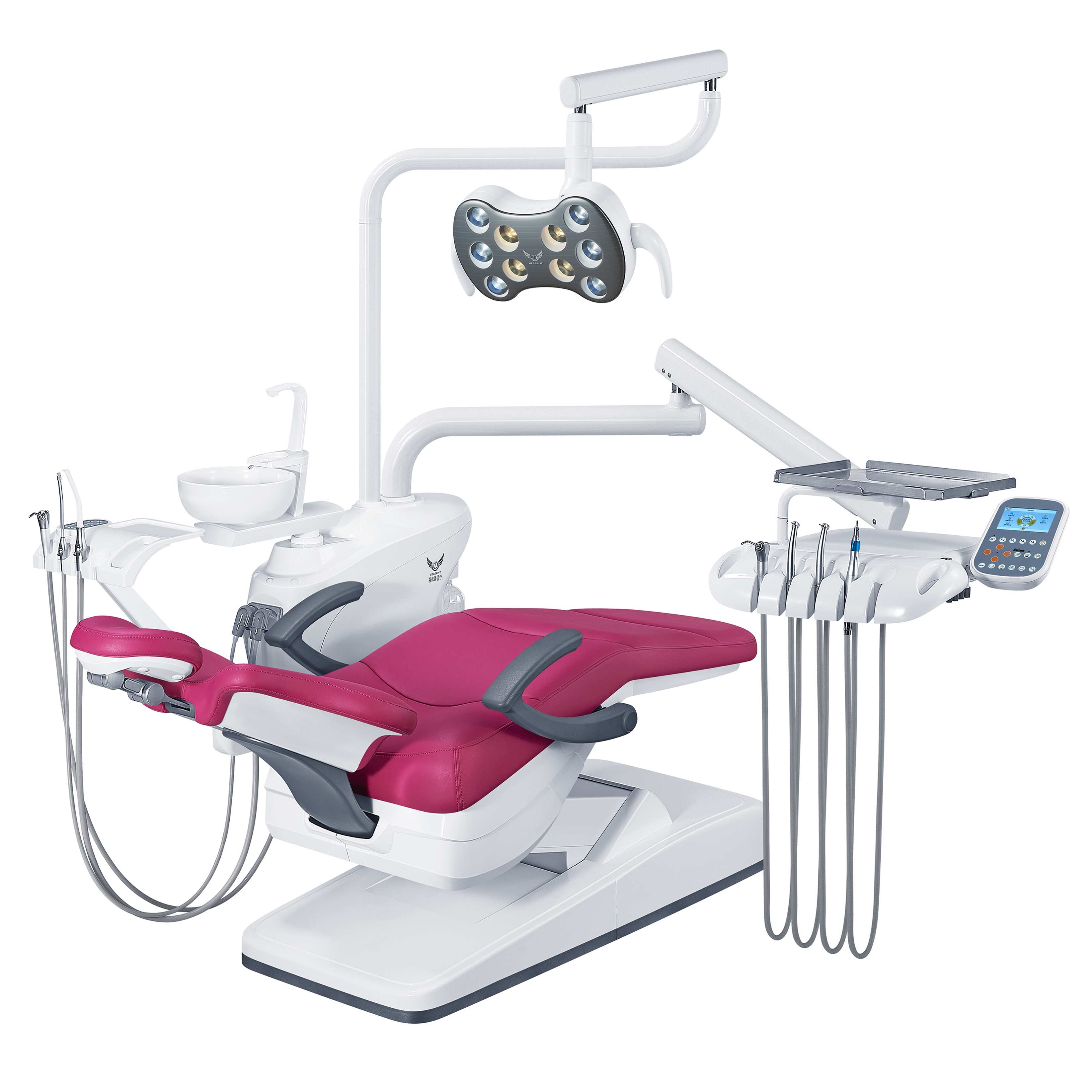
Modern dental instruments are no longer passive tools. They are engineered systems that interact with both the clinician and the patient in real time. From intelligent hydraulic dental chairs to laser-assisted handpieces, today's dental instruments reflect a convergence of technology, design thinking, and clinical science. This article explores the core innovations reshaping dental instruments across three critical dimensions: digital integration, ergonomic evolution, and material advancement.
Digital Integration in Dental Instruments
Smart Sensors and Real-Time Feedback
One of the most significant innovations transforming dental instruments is the integration of smart sensors. Modern dental instruments equipped with embedded sensors can monitor torque, pressure, and temperature during procedures. These sensors feed real-time data to the clinician, allowing immediate adjustments that reduce patient discomfort and procedural errors. Smart dental instruments are particularly valuable in implantology, endodontics, and restorative procedures where precision is critical.
Sensor-enabled dental instruments also support clinical documentation. Data captured during treatment can be automatically recorded and linked to patient records, streamlining compliance and reducing manual entry. This digital workflow connectivity transforms dental instruments from standalone tools into nodes within a broader practice management ecosystem.
CAD/CAM Compatibility and Digital Workflow
Computer-aided design and manufacturing technology has redefined what dental instruments can produce. Intraoral scanners, milling units, and digital impression dental instruments now allow clinicians to design, fabricate, and deliver restorations within a single appointment. CAD/CAM-compatible dental instruments eliminate many steps that previously required laboratory outsourcing, reducing turnaround time and improving consistency. Practices that adopt digitally integrated dental instruments consistently report higher patient satisfaction and reduced remakes.
The compatibility between different dental instruments within a digital workflow also matters. Open-architecture dental instruments that communicate across platforms give practices greater flexibility, avoiding vendor lock-in while maximizing the utility of existing investments. As digital dentistry matures, interoperability among dental instruments will become a baseline expectation rather than a premium feature.
Ergonomic Evolution of Dental Instruments
Intelligent Dental Units and Patient-Centered Design
Ergonomics has become a defining factor in the development of modern dental instruments. Advanced dental instruments such as the intelligent hydraulic dental unit with a butterfly-shaped backrest represent a new generation of patient-centered design. These dental instruments adjust automatically to patient body type, reducing positioning time and improving clinician access. The hydraulic control systems in these dental instruments are programmable, allowing chairside personalization that supports both patient comfort and operator posture.
Clinician well-being is directly tied to the design of dental instruments. Poorly designed dental instruments contribute to repetitive strain injuries, musculoskeletal disorders, and long-term career disruption. By contrast, ergonomically engineered dental instruments reduce grip force requirements, lower vibration transmission, and support neutral working postures. Investing in ergonomically advanced dental instruments is therefore both a clinical decision and an occupational health strategy.
Handpiece Innovation and Reduced Fatigue
Handpieces remain among the most frequently used dental instruments in any practice, and their design has evolved considerably. Newer dental instruments in the handpiece category feature slimmer profiles, improved balance, and LED illumination built directly into the head. These dental instruments reduce hand fatigue during long procedures and improve visibility in deep preparation zones. Turbine-driven and electric dental instruments now offer comparable power delivery with reduced noise and vibration levels, making procedures less stressful for patients and practitioners alike.
Maintenance requirements for dental instruments have also improved. Many contemporary dental instruments incorporate self-lubricating mechanisms and simplified sterilization pathways, reducing chair downtime between appointments. Practices managing high patient volumes benefit significantly from dental instruments that combine durability with ease of maintenance.
Material Advancement in Dental Instruments
High-Performance Alloys and Biocompatible Materials
Material science has contributed substantially to the performance of dental instruments. High-performance stainless steel alloys and nickel-titanium composites now form the basis of many cutting and probing dental instruments. Nickel-titanium dental instruments, for example, offer exceptional flexibility and resistance to cyclic fatigue, making them ideal for root canal procedures where canal curvature demands adaptability. These material innovations extend the working life of dental instruments while maintaining consistent performance across repeated sterilization cycles.
Biocompatible coatings applied to dental instruments have further improved clinical safety. These coatings reduce surface friction, enhance resistance to corrosion, and minimize the risk of ion leaching into patient tissue. As regulatory standards for dental instruments become more rigorous globally, material compliance is increasingly a differentiating factor for procurement decisions in both private practices and institutional healthcare settings.
Surface Engineering and Sterilization Compatibility
Surface engineering innovations have improved how dental instruments withstand repeated sterilization without degradation. Modern dental instruments are designed to tolerate high-temperature autoclave cycles without warping, discoloration, or loss of sharpness. Laser-textured surfaces on dental instruments improve grip under wet conditions, while antimicrobial surface treatments add an additional layer of infection control. These advances make dental instruments more reliable and extend their service intervals in demanding clinical environments.
FAQ
What makes modern dental instruments different from older designs?
Modern dental instruments integrate smart technology, advanced materials, and ergonomic design principles that older dental instruments lacked. They support digital workflows, provide real-time feedback, and are engineered to reduce both patient discomfort and clinician fatigue during procedures.
How do intelligent hydraulic systems improve dental instruments performance?
Intelligent hydraulic systems allow dental instruments such as patient chairs to adjust automatically and precisely to individual body types. This reduces manual positioning time, supports better clinician access angles, and improves overall comfort for both patient and operator throughout the procedure.
Why is material quality critical when selecting dental instruments?
Material quality directly affects the durability, safety, and clinical performance of dental instruments. High-grade alloys and biocompatible coatings ensure that dental instruments maintain their integrity through repeated sterilization cycles, reducing replacement costs and minimizing contamination risks in clinical environments.