
 EN
EN
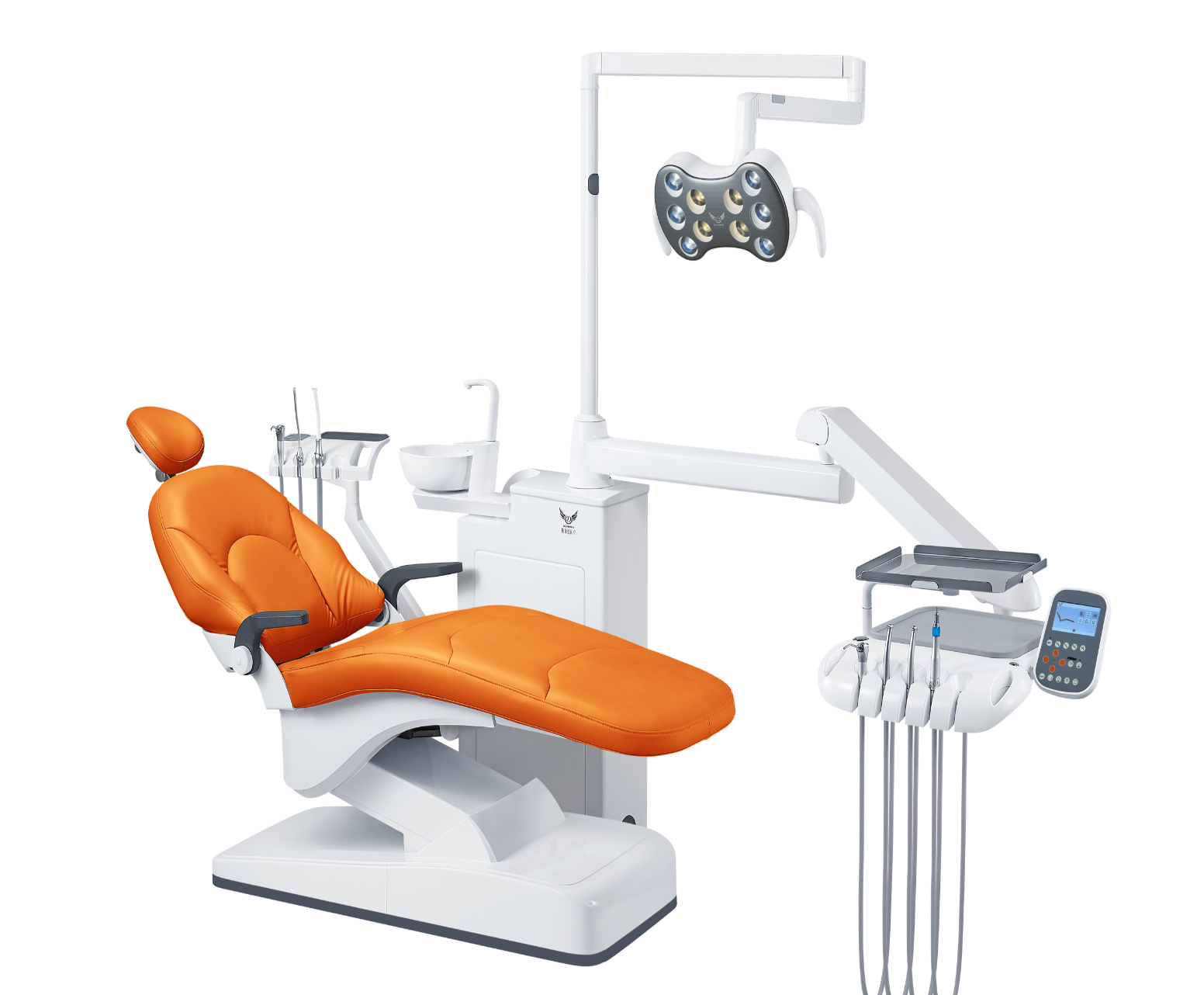
Selecting the right dental chair for your practice requires understanding the design options available in today's market. A modern dental chair represents one of the most significant investments in your clinical environment, directly impacting both patient comfort and your team's efficiency. The design of your dental chair influences everything from patient anxiety levels to staff ergonomics, treatment outcomes, and overall practice reputation. This guide explores the key design considerations that make a dental chair truly suitable for contemporary dental installations.
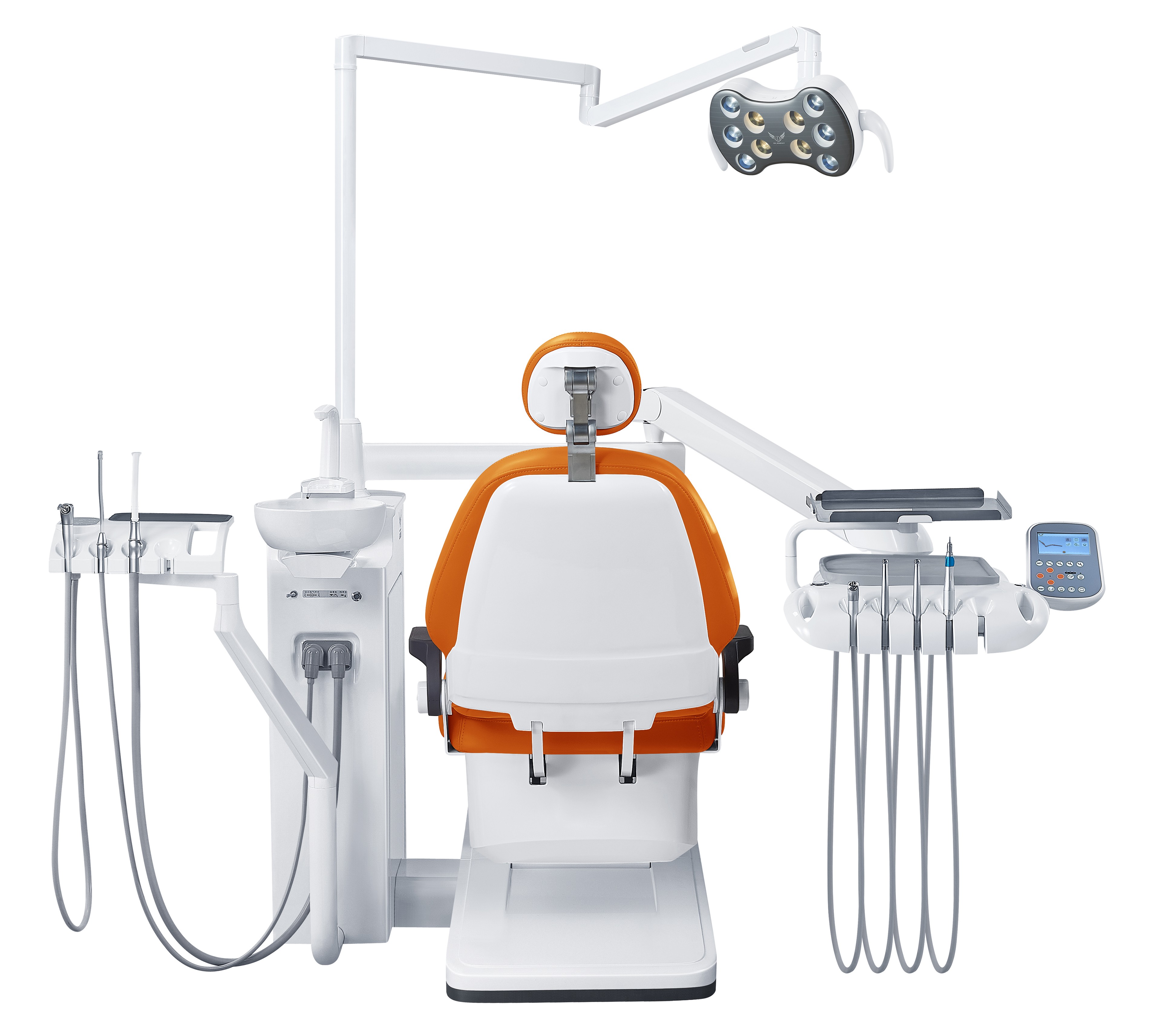
A dental chair must balance aesthetic appeal with functional excellence. Modern practice environments demand equipment that looks professional while delivering superior performance. The design of your dental chair sets the tone for patient perception, establishes clinical credibility, and supports your team's daily workflow. When evaluating design options, practitioners should consider how each dental chair solution aligns with their specific practice goals, patient demographics, and clinical requirements.
Ergonomic Design Features for Optimal Clinical Performance
Patient Comfort and Accessibility in Dental Chair Design
Patient comfort remains the primary driver of successful dental chair selection. A well-designed dental chair accommodates various body types and physical limitations through adjustable headrests, backrest positions, and footrest configurations. The dental chair should feature smooth hydraulic systems that allow practitioners to position patients precisely without jerky movements. Advanced designs incorporate memory foam cushioning, contoured seating surfaces, and temperature-neutral materials that reduce patient anxiety. When your dental chair prioritizes comfort, patients develop greater confidence in your practice and become more compliant with treatment recommendations.
Clinician Ergonomics and Accessibility in Dental Chair Installation
Your team's physical well-being directly affects productivity and job satisfaction. An ergonomically sound dental chair allows dentists and hygienists to access patient treatment areas without excessive bending, twisting, or reaching. The dental chair should position the patient's mouth at a natural height and angle that minimizes strain on practitioner shoulders, back, and wrists. Modern dental chair designs feature 360-degree rotational capabilities, foot-controlled positioning systems, and flexible armrest configurations that accommodate various clinical procedures. Practices investing in ergonomic dental chair solutions report reduced staff fatigue, fewer repetitive strain injuries, and improved clinical efficiency during longer treatment sessions.
Aesthetic and Spatial Integration Considerations
Visual Design Elements for Modern Dental Practice Environments
Contemporary dental practices require furniture that complements professional interiors and modern dental technology. A dental chair's visual presentation influences patient perception from the moment they enter the treatment room. Modern dental chair designs balance functional elements with sleek lines, sophisticated color options, and premium material finishes. Consider upholstery materials that project professionalism while maintaining durability and infection control compliance. The dental chair's profile, base design, and integrated delivery system visibility should align with your practice's overall design aesthetic, whether minimalist, contemporary, or luxury-focused.
Space Efficiency and Installation Flexibility
Treatment room dimensions often constrain equipment selection, making space-efficient dental chair design critical. Modern dental chair systems offer compact footprints without compromising functionality or clinician access. The dental chair installation should accommodate overhead delivery arms, assistant stools, patient lighting, and practitioner positioning without creating workflow bottlenecks. Advanced dental chair designs feature modular components that adapt to various room configurations, allowing practices to optimize their clinical layouts. When selecting a dental chair, verify that its dimensions, turning radius, and integrated delivery system work seamlessly within your existing or planned treatment room layout.
Functional Technology Integration and Reliability
Control Systems and Operational Efficiency
A dental chair's control system must be intuitive, responsive, and reliable for hundreds of patients annually. Modern designs incorporate programmable preset positions that enable quick patient seating adjustments and consistent positioning protocols. The dental chair should offer both foot pedal and hand control options, allowing practitioners to choose the most comfortable operation method. Integrated digital displays provide position feedback and diagnostic information, enhancing procedure planning and documentation. Choose a dental chair with redundant control systems that ensure reliable operation even if one component experiences temporary malfunction.
Material Durability and Infection Control Standards
Clinical durability directly impacts your return on investment and operational costs. A properly designed dental chair features sealed hydraulic systems that resist fluid leakage, high-quality upholstery that withstands daily disinfection protocols, and corrosion-resistant metal components. The dental chair materials should facilitate thorough cleaning between patients while maintaining structural integrity through years of continuous use. Look for dental chair designs that meet international infection control standards, include antimicrobial upholstery options, and minimize crevices where pathogens might accumulate. Premium dental chair construction ensures that your equipment maintains reliability, appearance, and safety compliance throughout its operational lifespan.
Customization Options and Future Scalability
Adaptable Features for Diverse Treatment Protocols
Different clinical specialties and treatment philosophies require varying dental chair capabilities. Modern dental chair designs offer customizable features including adjustable armrest positions, optional heated backrest functions, and compatible delivery system options. The dental chair should support both traditional and digital workflow integration, accommodating intraoral cameras, digital sensors, and CAD-CAM systems. Consider whether your dental chair choice allows future upgrades without complete equipment replacement. This flexibility ensures that your initial investment remains relevant as your practice evolves, your clinical focus shifts, or new technologies emerge.
Integration with Practice Management and Growth Planning
Your practice growth strategy should influence dental chair selection at the time of installation. Practices planning expansion should evaluate whether their chosen dental chair design scales efficiently across multiple treatment rooms. The dental chair specification should allow standardization across your facility, simplifying staff training and maintenance procedures. Consider whether your dental chair manufacturer offers long-term availability, parts support, and upgrade pathways. Practices that thoughtfully plan their dental chair ecosystem early avoid costly incompatibilities and inefficiencies when adding new treatment capacity.
FAQ
What specific design features make a dental chair ideal for patient comfort?
An ideal dental chair combines multiple comfort elements including memory foam cushioning, smooth hydraulic positioning, adjustable headrests that support various head sizes, and temperature-neutral upholstery materials. The dental chair should offer multiple recline angles and backrest positions that accommodate patient preferences and clinical requirements. Advanced designs feature gentle acceleration and deceleration in positioning movements, reducing patient discomfort. Additionally, a quality dental chair includes built-in patient lighting that reduces anxiety and provides optimal visibility for treatment areas.
How do I evaluate a dental chair for long-term durability and infection control compliance?
Assess dental chair durability by examining sealed hydraulic systems, high-grade upholstery material specifications, and corrosion-resistant component construction. Request third-party testing documentation confirming that your dental chair meets infection control standards and withstands repeated disinfection protocols. The dental chair should have minimal crevices or areas where pathogens accumulate, and materials should be specifically rated for chemical disinfectants used in dental practices. Verify that your dental chair manufacturer provides replacement parts availability for at least 10–15 years, ensuring long-term support and repair capability.
Can a dental chair design accommodate multiple clinical specialties and future practice expansion?
Yes, modern dental chair designs increasingly offer modular features and customization options that support diverse clinical applications. A versatile dental chair should feature adjustable armrests, compatible delivery system options, and flexible positioning capabilities that work for general dentistry, oral surgery, implantology, and pediatric procedures. When evaluating a dental chair, confirm that its design allows future upgrades such as enhanced lighting, digital integration, or specialized delivery configurations. Standardizing dental chair specifications across your practice simplifies training, maintenance, and operational consistency while supporting future growth without replacing existing equipment.