
 EN
EN
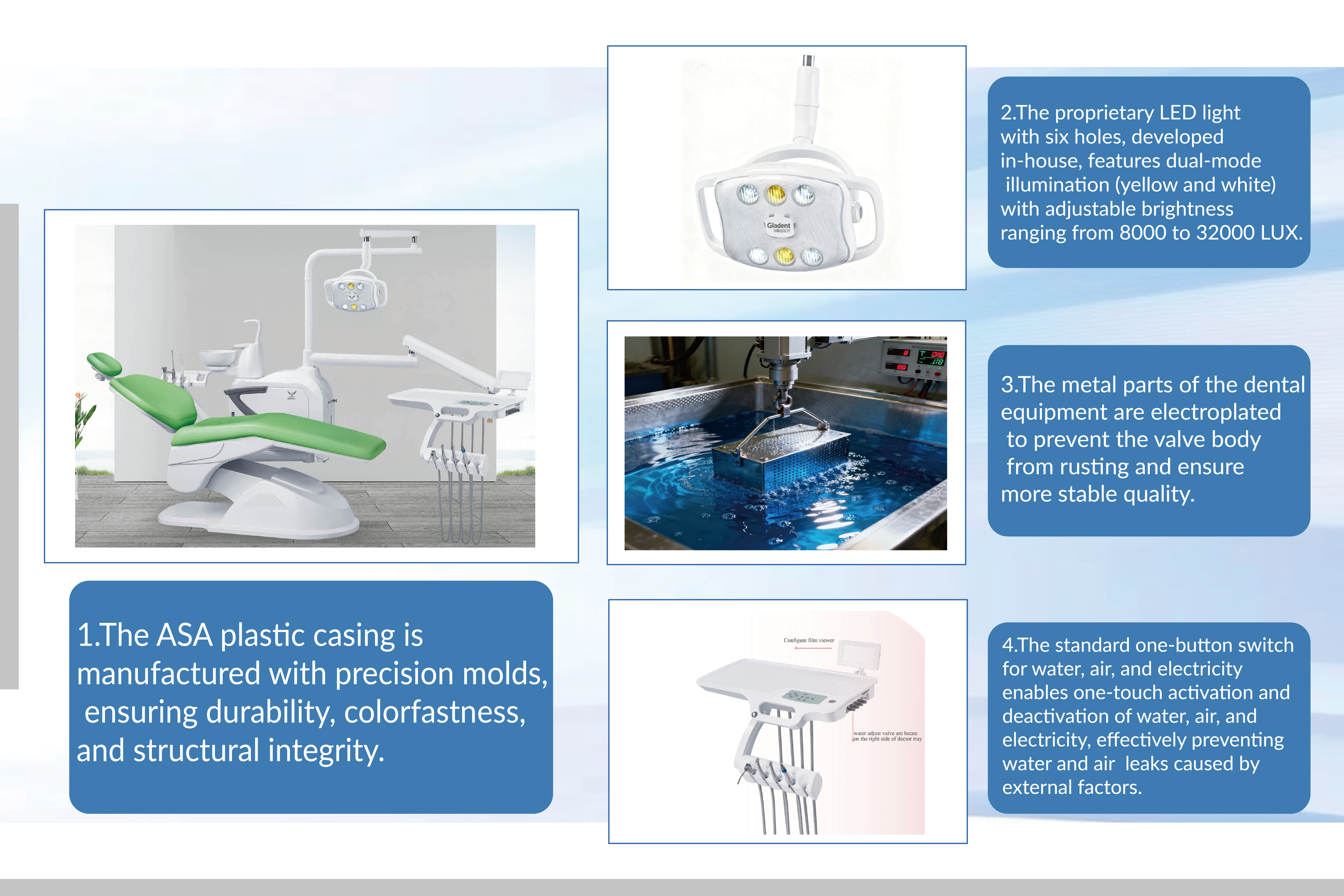
Dental practices operate with precision and efficiency, where every element of the clinic environment contributes to patient comfort and staff performance. Among the most critical components of a functional dental workspace are dental instrument tools and the seating solutions that support their use. When a dental clinic lacks properly customized seating, practitioners face fatigue, posture-related injuries, and reduced productivity. ODM dental stool solutions address this challenge by offering highly flexible, customizable seating that adapts to individual clinic layouts, patient demographics, and specific dental instrument tools workflows.
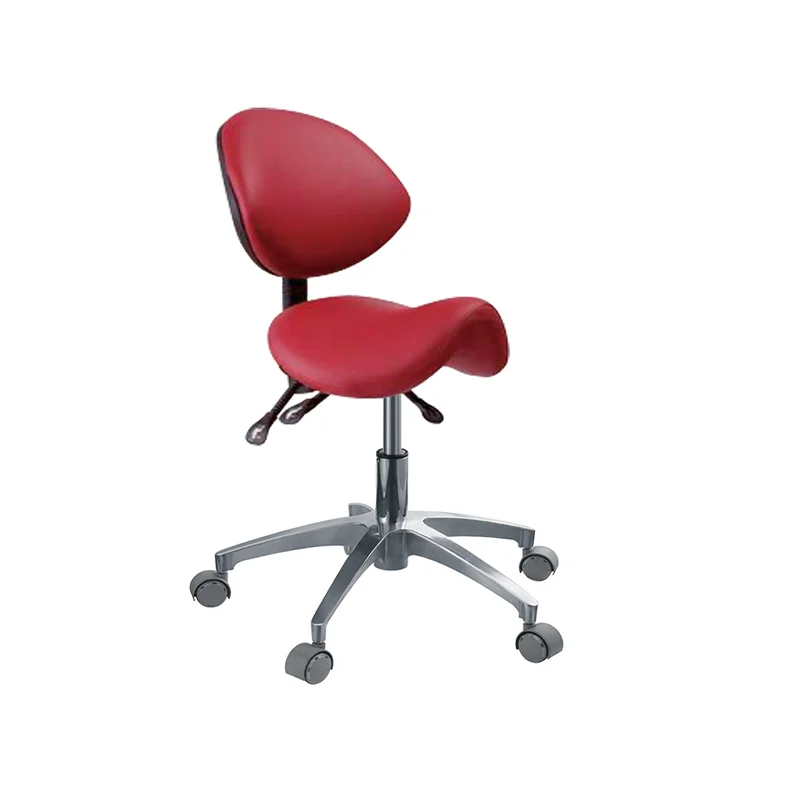
Customization in dental seating is not a luxury—it is a necessity for clinics aiming to optimize their operational space and staff wellbeing. Every dental practice operates under unique constraints: varying room dimensions, different patient case loads, diverse dental instrument tools configurations, and specific staff preferences. Generic, off-the-shelf dental instrument tools arrangements cannot accommodate these variables effectively. ODM manufacturers understand that successful clinic seating requires tailored solutions that align with the actual working environment, ensuring that dental instrument tools are accessible, that staff maintain proper ergonomics, and that the clinic environment projects professionalism to patients.
Understanding ODM Customization for Dental Seating Needs
What ODM Customization Means for Dental Practices
Original Design Manufacturer (ODM) customization empowers dental practices to specify seating characteristics that match their exact operational demands. Rather than purchasing standard dental instrument tools arrangements, clinics work directly with ODM providers to define dimensions, material specifications, ergonomic features, and aesthetic finishes. This collaborative approach ensures that the final dental instrument tools setup integrates seamlessly into the clinic's existing infrastructure and reflects its brand identity. ODM customization also allows practices to adjust features such as seat height, backrest angle, armrest positioning, and wheel mobility—all factors that directly influence how dental instrument tools are accessed and how staff members maintain posture throughout long work sessions.
The process of ODM customization begins with a detailed assessment of the clinic's specific requirements. Dental practices must communicate their operational challenges, staff preferences, patient demographics, and available floor space to the ODM manufacturer. This information enables the manufacturer to design dental instrument tools seating solutions that enhance workflow efficiency. The collaborative nature of ODM relationships means that clinics gain access to design expertise, material innovations, and production flexibility that would be unavailable through standard procurement channels. Practices benefit from solutions engineered specifically for their context, rather than forcing their operations to adapt to generic dental instrument tools equipment.
Key Customization Variables in Dental Seating
Several critical variables define whether dental instrument tools seating meets a clinic's needs. Height adjustability is essential—different practitioners have different physical dimensions, and ergonomic guidelines specify that operator seats should allow dentists and hygienists to achieve proper posture relative to their dental instrument tools. Width and depth of the seat cushion influence comfort during extended procedures. Backrest support directly impacts spinal health and fatigue levels. Armrest configuration must accommodate the specific angles and movements required when accessing dental instrument tools during patient treatment. Base design—whether traditional pedestal, wheeled mobility, or specialized positioning—affects how practitioners move within their workspace and how quickly they can transition between dental instrument tools stations.
Material selection for dental instrument tools seating also matters significantly. Upholstery must be easy to sanitize, durable under frequent cleaning with infection control agents, and resistant to staining. Padding density affects long-term comfort and durability. Frame construction materials determine stability, weight capacity, and lifespan. ODM manufacturers can specify these material characteristics according to each clinic's infection control protocols and aesthetic preferences. Some practices prioritize maximum durability and ease of cleaning, while others emphasize cost efficiency or specific color schemes. ODM customization allows these preferences to shape the final dental instrument tools seating configuration.
Operational Benefits of Customized Dental Stool Solutions
Ergonomic Alignment with Workflow
Properly customized dental instrument tools seating eliminates the mismatch between generic furniture and actual clinical needs. When seating is tailored to the specific layout, dimensions, and workflow patterns of a dental practice, practitioners can maintain optimal posture throughout the workday. This alignment reduces musculoskeletal strain, decreases fatigue, and improves focus on patient care. Dental instrument tools become more accessible when seating height and position are engineered for the exact countertop and equipment heights in a particular clinic. Staff members spend less time adjusting position and more time on productive procedures. The result is improved clinical efficiency, better quality of care, and measurably lower rates of work-related injury among dental instrument tools practitioners.
Ergonomic customization also extends to mobility and positioning flexibility. Some clinics require dental instrument tools seating that moves freely throughout the workspace, while others prefer stability in designated positions. ODM solutions can incorporate specific wheeling systems, brake mechanisms, and base designs that match these operational requirements. Practitioners who can reposition themselves smoothly relative to their dental instrument tools and patient positioning spend less energy on repositioning and more energy on precision work. Over time, these ergonomic improvements compound into significant gains in staff satisfaction, retention, and patient outcomes. Clinics that invest in properly customized dental instrument tools seating often report measurable improvements in staff feedback regarding comfort and reduced incidence of repetitive strain injuries.
Workflow Integration and Space Efficiency
Custom dental instrument tools seating solutions account for the actual physical dimensions and layout patterns of a specific clinic. A tight, multi-operatory practice has very different space constraints than a spacious single-chair boutique practice. Customization allows manufacturers to design seating that fits within available floor space without compromising functionality or requiring staff to work in cramped positions. Compact bases, efficient arm positioning, and optimized dimensions ensure that dental instrument tools seating occupies minimal space while maintaining full ergonomic benefit. This space efficiency translates into better patient flow, easier staff movement between areas, and improved infection control through better room layout.
Additionally, custom dental instrument tools seating can be designed to harmonize with existing equipment, console configurations, and cabinetry. When seating integrates visually and functionally with the overall operatory layout, patients perceive a more professional, coordinated environment. Staff members experience smoother workflow because their seating does not create awkward transitions to dental instrument tools or force them to reach awkwardly across their workspace. This integration benefit extends beyond aesthetics—it directly supports efficiency, safety, and the impression of clinical excellence that patients notice and remember.
Implementation and Selection Considerations
Assessing Clinic Requirements Before Customization
Successful ODM customization of dental instrument tools seating begins with a thorough assessment of clinic requirements. Practice managers and clinical leaders must evaluate current pain points—whether staff members experience discomfort, whether current seating limits workflow, whether existing furniture deteriorates quickly under infection control demands, or whether aesthetic considerations matter for the practice's brand image. Understanding the specific dental instrument tools workflows, patient demographics, and staff member diversity ensures that customization addresses real operational challenges rather than hypothetical needs. Clinics should also document their infection control protocols, as these requirements shape material selections and maintenance considerations for dental instrument tools seating.
Engaging staff members in the assessment process yields valuable insights. Practitioners who spend hours daily in the dental instrument tools seating understand what works, what causes discomfort, and what adjustments would improve their experience. Including dental hygienists, dentists, and assistants in requirement discussions ensures that customization reflects actual usage patterns rather than assumptions. This involvement also increases staff buy-in—practitioners who contribute to designing their dental instrument tools seating are more likely to appreciate the final solution and provide feedback for future refinements. Documentation of these requirements creates a clear brief for the ODM manufacturer, enabling precise customization that addresses the clinic's specific context.
Evaluating ODM Manufacturer Capabilities
Not all ODM manufacturers possess equal expertise in dental instrument tools seating customization. Clinics should evaluate potential partners based on their experience with dental practices, their design and engineering capabilities, their material sourcing options, their production quality standards, and their responsiveness to custom requirements. A reputable ODM provider understands ergonomic principles specific to dental work, can interpret clinical workflow descriptions into design specifications, and can produce consistent quality across custom production runs. The manufacturer should be able to provide samples, reference customers, certifications relevant to medical-grade furniture, and clear timelines for custom dental instrument tools seating projects.
Communication clarity is essential when selecting an ODM partner. The manufacturer should ask detailed questions about the clinic's specific needs, explain what customization is feasible within production constraints, and set realistic expectations for timelines and costs. A dental instrument tools provider that listens carefully and responds with specific recommendations demonstrates professional capability. The relationship should feel collaborative rather than transactional—ODM customization works best when the manufacturer views the clinic as a partner in solving a specific design challenge, not simply as a customer buying a commodity product.
FAQ
What makes ODM customization different from standard dental instrument tools seating purchases?
ODM customization involves direct collaboration between the clinic and manufacturer to design seating that matches specific operational requirements, space constraints, and ergonomic needs. Standard purchases offer fixed specifications that may not align with a particular dental instrument tools practice's actual workflow. Custom solutions are engineered for your specific context, whereas standard seating forces practices to adapt their environment to the furniture. This targeted approach typically results in better ergonomic outcomes, improved workflow efficiency, and longer product lifespan because the dental instrument tools seating is designed to fit your exact needs rather than generic industry assumptions.
How long does the ODM customization process typically take for dental instrument tools seating?
The timeline for ODM customization depends on the complexity of changes and the manufacturer's production schedule. Simple modifications to standard dental instrument tools designs might take 4 to 8 weeks, while more extensive custom engineering could require 8 to 12 weeks or longer. The process includes design consultation, technical drawings, sample approval, tooling setup, production, quality assurance, and delivery. Planning ahead and clearly communicating requirements upfront helps minimize delays. Reputable ODM manufacturers provide explicit timelines during the initial consultation and maintain communication throughout the dental instrument tools production process, allowing clinics to schedule installation around their operational calendar.
Can ODM customization address infection control and material durability requirements for dental instrument tools seating?
Yes, ODM customization specifically allows manufacturers to select materials and construction methods that meet dental infection control standards. Custom dental instrument tools seating can specify upholstery types approved for frequent sanitization with infection control agents, frame materials resistant to corrosion from cleaning chemicals, and construction details that eliminate hard-to-clean crevices. Manufacturers can also incorporate design features that simplify the cleaning process, such as removable upholstery or sealed joints. By discussing infection control requirements during the customization process, clinics ensure that their dental instrument tools seating maintains both clinical safety standards and durability under realistic daily use conditions.
Table of Contents
- Understanding ODM Customization for Dental Seating Needs
- Operational Benefits of Customized Dental Stool Solutions
- Implementation and Selection Considerations
-
FAQ
- What makes ODM customization different from standard dental instrument tools seating purchases?
- How long does the ODM customization process typically take for dental instrument tools seating?
- Can ODM customization address infection control and material durability requirements for dental instrument tools seating?