Integrated Delivery Systems for Streamlined Clinical Workflow
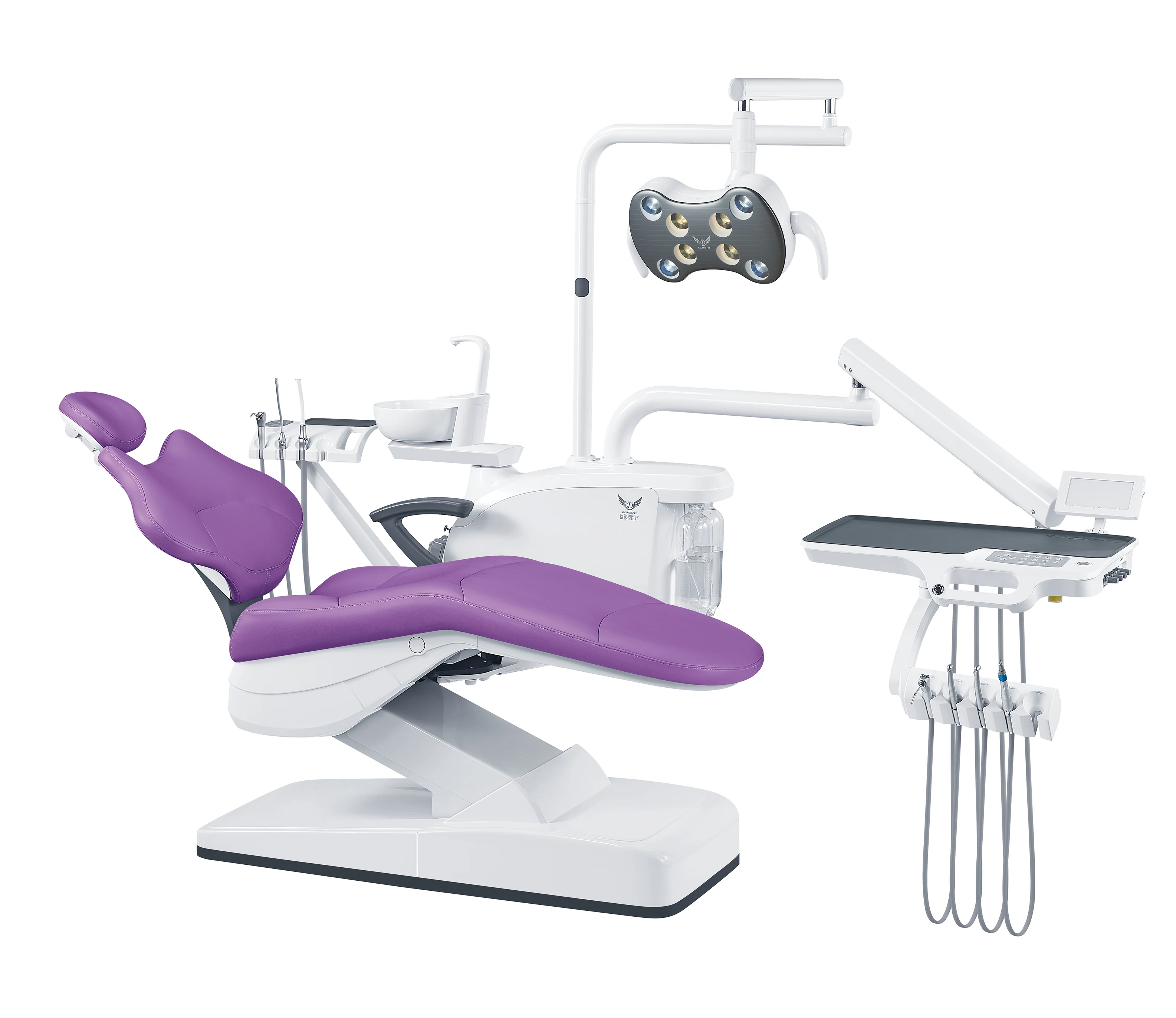
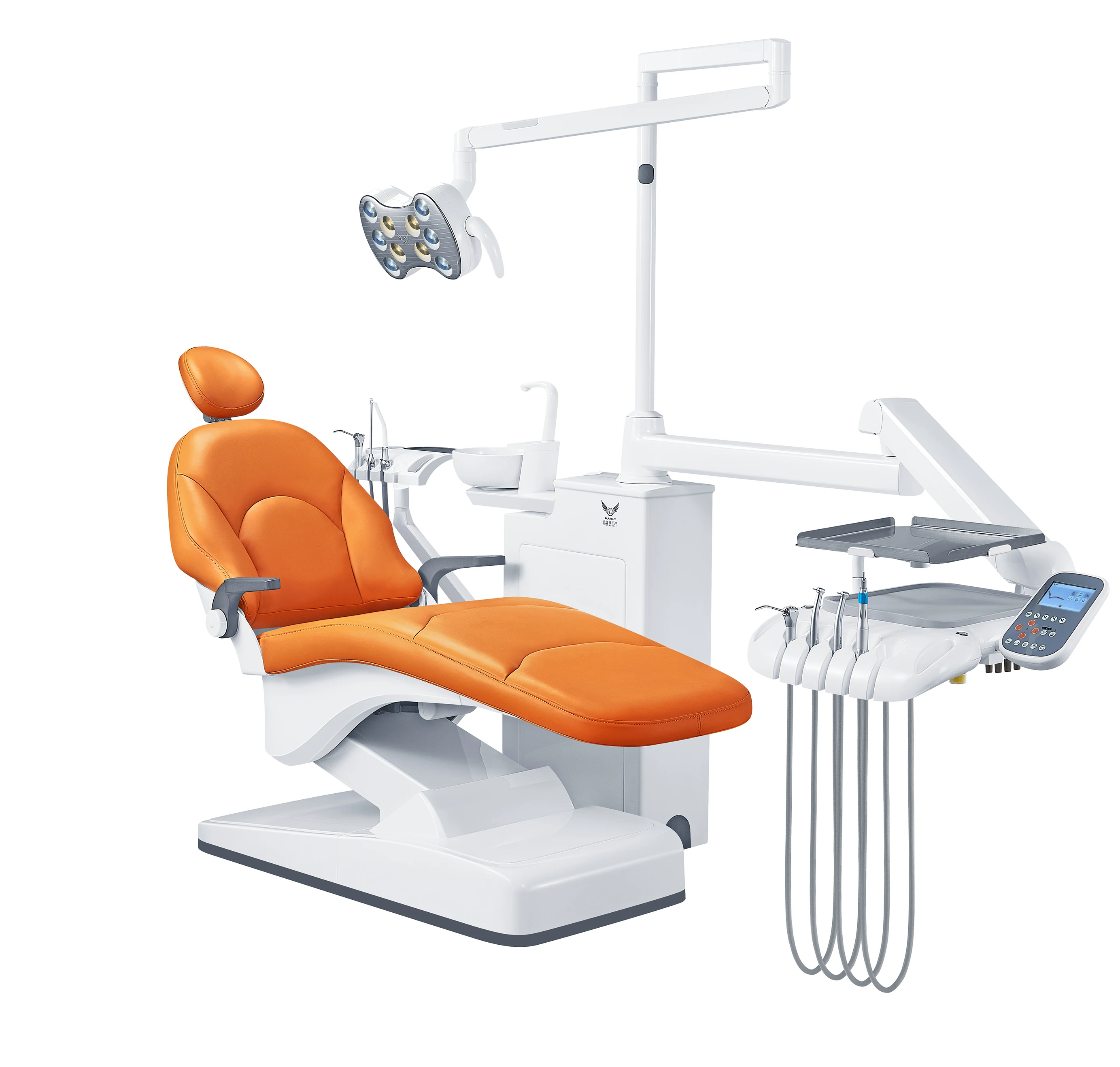
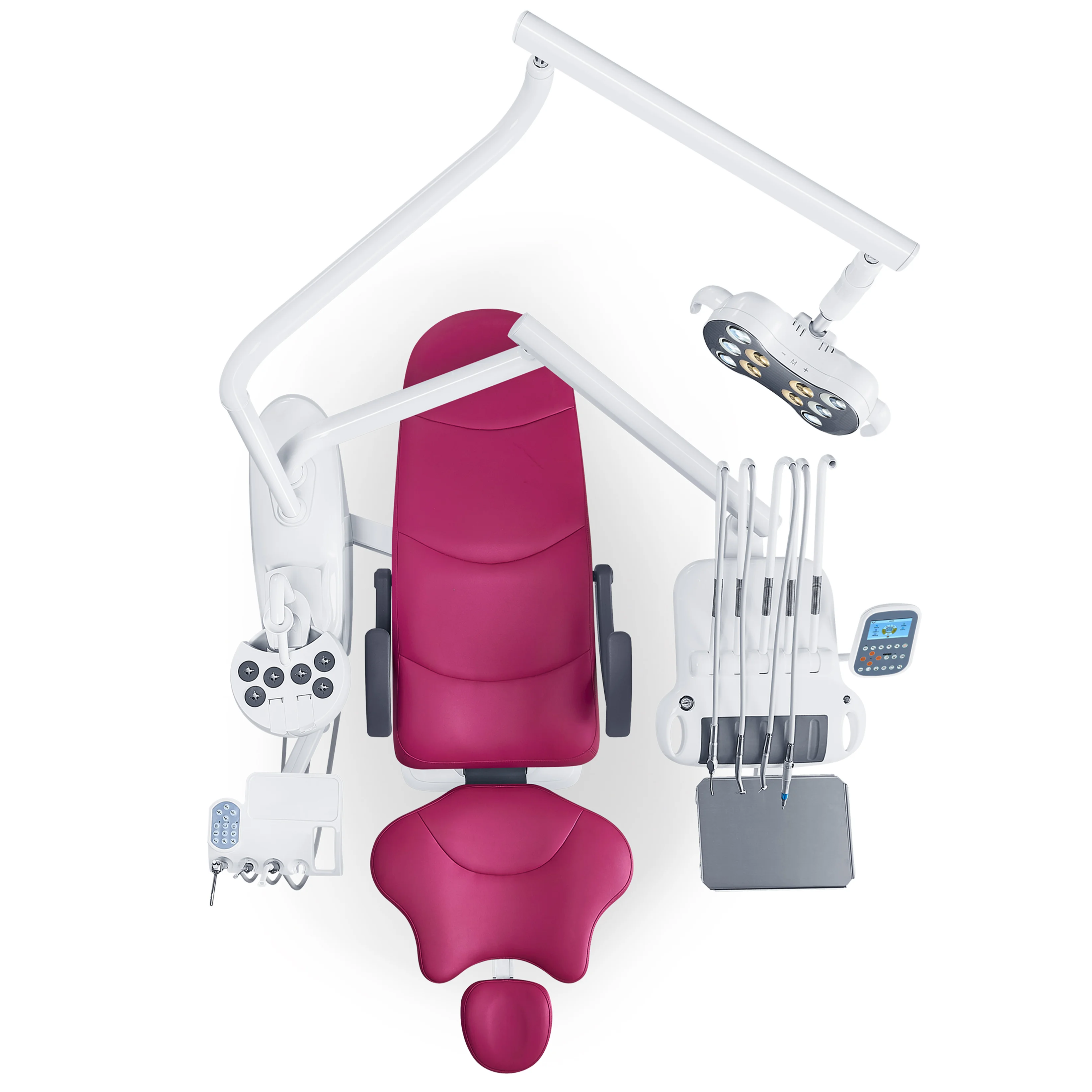
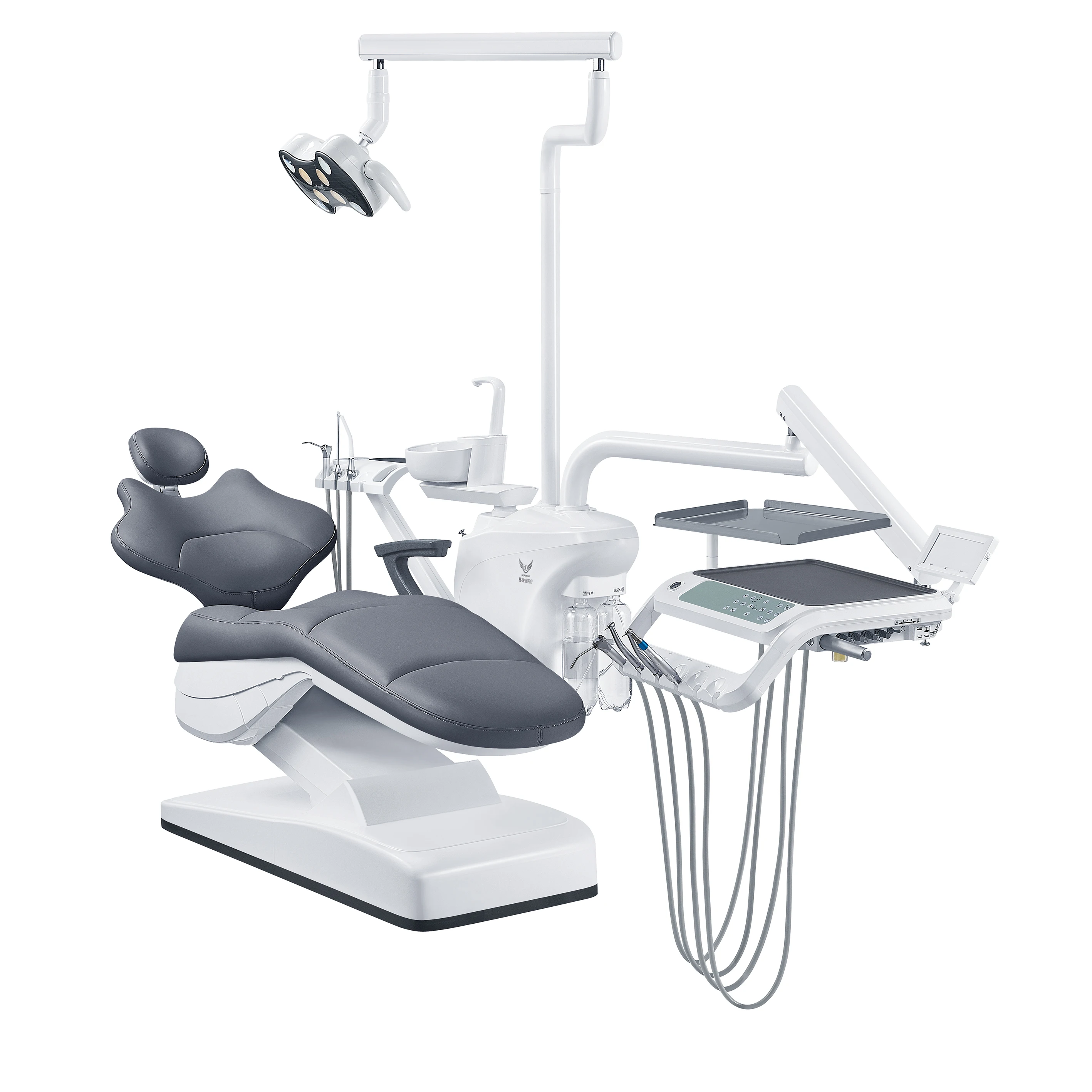
The delivery system integrated into a dental chair unit functions as the nerve center of clinical operations, concentrating all necessary instruments and utilities within a carefully designed work envelope that maximizes efficiency while minimizing physical strain on practitioners. Modern delivery systems mount either over-the-patient, side-mounted, or rear-mounted configurations, with each design offering specific workflow advantages depending on practice preferences and room layouts. The over-the-patient design keeps instruments suspended above the operative field for the shortest possible reach distance, while side-mounted systems provide excellent visibility and access without looming over anxious patients. These delivery systems incorporate quick-disconnect couplings for all instruments attached to the dental chair unit, allowing rapid replacement of handpieces for maintenance or repair without disrupting the clinical schedule. The routing of air, water, and electrical utilities occurs internally through the delivery arm, eliminating the tangled external hoses that characterized older dental equipment and created tripping hazards or contamination concerns. High-quality dental chair units feature independent control over air pressure and water flow for each instrument, allowing practitioners to customize operating parameters for different procedures or personal preferences. The delivery system typically includes dedicated positions for high-speed and low-speed handpieces, an air-water syringe for rinsing and drying, and often additional ports for specialized instruments like ultrasonic scalers or curing lights. Some advanced dental chair units incorporate chip-blower functions, electric motor systems for quieter operation, and integrated fiber optic illumination that directs light precisely where needed during procedures. The assistant's delivery system, mounted on the opposite side of the dental chair unit, mirrors these capabilities to support efficient four-handed dentistry techniques that significantly reduce procedure times. Modern units feature intuitive instrument holders that keep handpieces secure yet instantly accessible, with automatic retraction systems that return instruments to rest positions when released, maintaining an organized workspace throughout complex procedures. The control interface integrated into the delivery system of contemporary dental chair units has evolved from simple mechanical switches to sophisticated touchscreens that display operatory settings, manage multimedia patient education content, and interface with practice management software for seamless documentation.

 EN
EN


![Innovation Journey - GLADENT Dental Chairs: [The 30th South China International Dental Exhibition 2025 Concludes Successfully]](https://shopcdnpro.grainajz.com/category/19383/3803/616cc2b5bdfecec5e7c5b6aa95e40d84/%E5%BE%AE%E4%BF%A1%E5%9B%BE%E7%89%87_20250826164700.jpg)