Premium Dental Chair and Unit Systems - Advanced Equipment for Modern Practices

EN EN

Call Us:+86-757-81267151

dental chair and unit

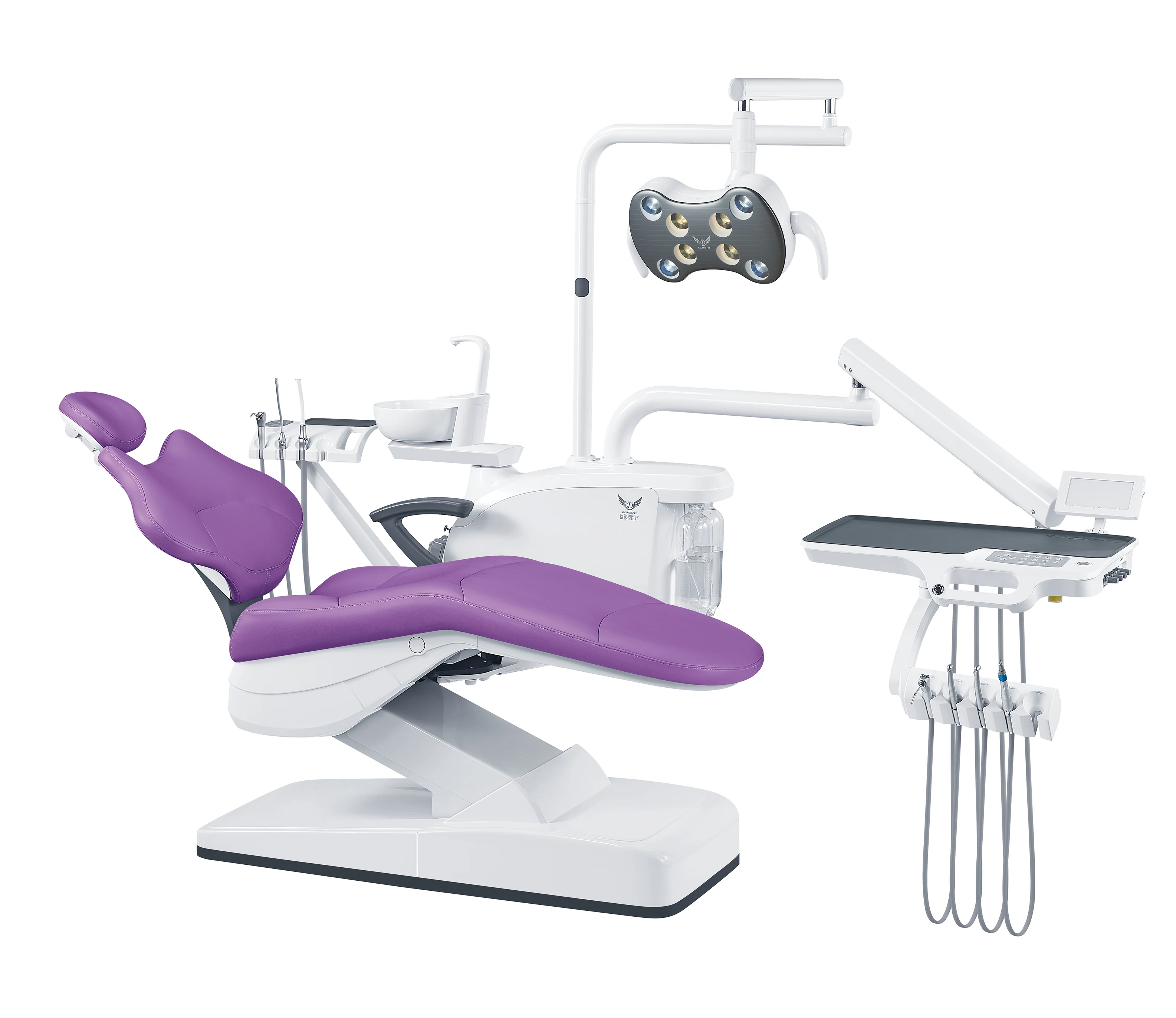
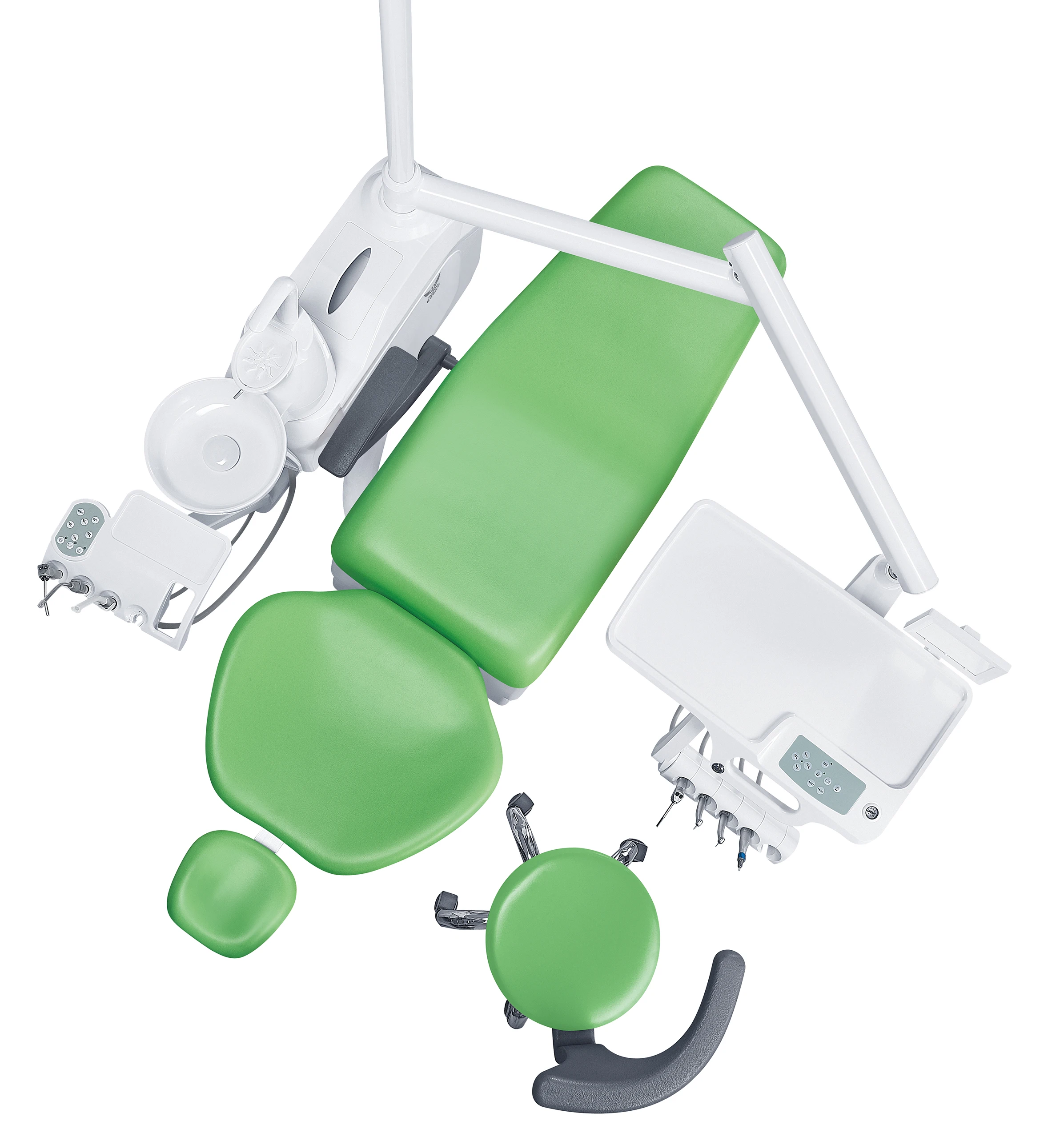
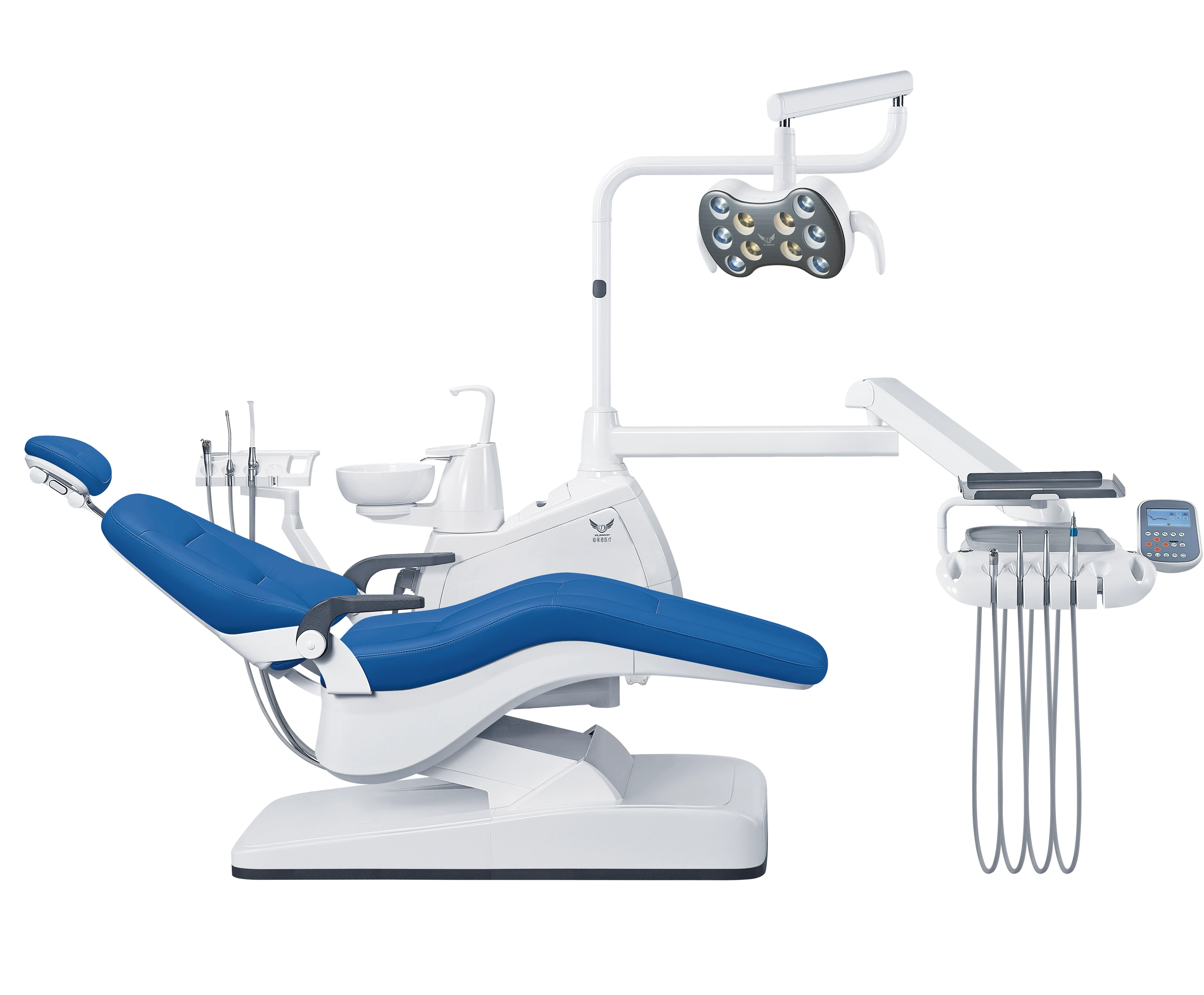
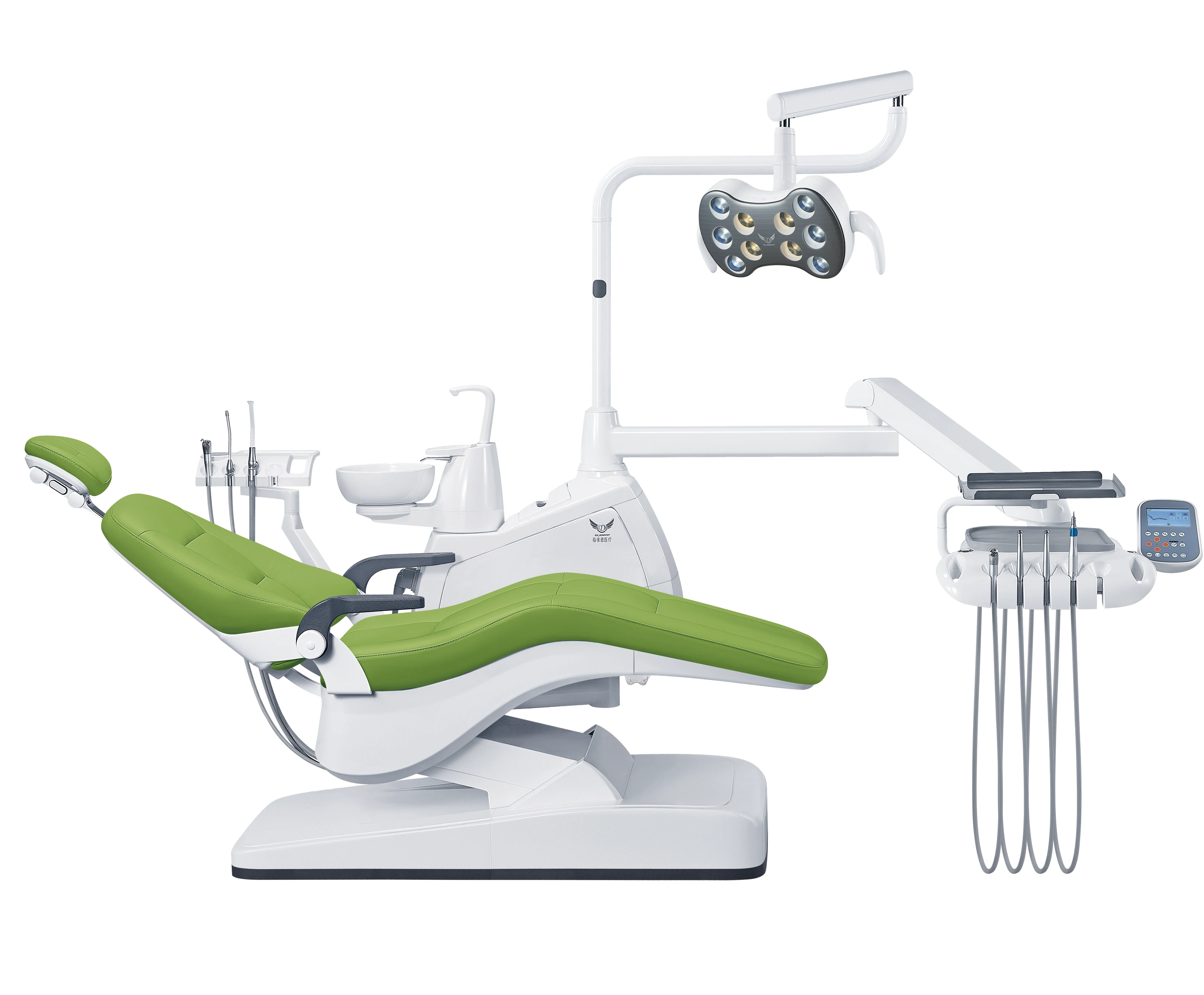
The dental chair and unit represents the cornerstone of modern dental practice, serving as an integrated workstation that combines patient comfort with clinical efficiency. This sophisticated equipment system encompasses the patient chair itself along with an array of instruments, delivery systems, and control mechanisms designed to facilitate comprehensive oral healthcare procedures. A modern dental chair and unit typically features electric or hydraulic positioning controls that allow practitioners to adjust height, backrest angle, and leg support with precision, ensuring optimal access to the treatment area while maintaining patient comfort throughout procedures. The delivery system component houses essential dental instruments including high-speed and low-speed handpieces, air-water syringes, ultrasonic scalers, and suction devices, all organized within easy reach of the operator. Advanced models incorporate touch-screen control panels, programmable positioning memory, LED operating lights with adjustable intensity and color temperature, and integrated multimedia systems for patient education and entertainment. The dental chair and unit serves multiple clinical applications across general dentistry, orthodontics, periodontics, endodontics, and oral surgery, providing versatile functionality for diagnostic examinations, preventive care, restorative treatments, and surgical interventions. Contemporary designs prioritize infection control through smooth, seamless surfaces that facilitate thorough disinfection between patients, while ergonomic considerations reduce operator fatigue during extended procedures. Many systems now feature ambidextrous configurations to accommodate both right-handed and left-handed practitioners, along with assistant instrumentation for four-handed dentistry techniques. The integration of digital technologies has transformed the dental chair and unit into a connected hub within the modern practice, supporting digital radiography interfaces, intraoral camera displays, and electronic patient record systems that streamline workflow and enhance treatment documentation.


New Product Recommendations

Investing in a quality dental chair and unit delivers substantial practical benefits that directly impact daily practice operations and patient satisfaction. First and foremost, these systems dramatically improve treatment efficiency by consolidating all necessary instruments and controls within a compact, organized workspace, eliminating the need for practitioners to move around the operatory searching for tools or adjusting equipment manually. This streamlined workflow translates to shorter appointment times and the ability to see more patients throughout the day without compromising care quality. Patient comfort represents another significant advantage, as modern chairs feature contoured cushioning with memory foam, articulated headrests that support proper cervical alignment, and smooth, quiet positioning adjustments that reduce anxiety associated with abrupt movements. The ability to recline patients into optimal positions enhances access to all areas of the oral cavity while allowing patients to relax in a comfortable posture that minimizes neck and jaw strain during lengthy procedures. For dental professionals, ergonomic benefits cannot be overstated, as adjustable positioning reduces the physical strain associated with bending, reaching, and maintaining awkward postures throughout the workday, potentially extending career longevity and reducing occupational injuries. The dental chair and unit enhances practice image and professionalism, as modern, well-maintained equipment signals to patients that the practice invests in quality care and stays current with technological advances, building trust and confidence in the services provided. Operational reliability reduces costly downtime and repair expenses, with quality systems engineered for thousands of hours of continuous use under demanding clinical conditions. Infection control features including autoclavable handpieces, waterline purge systems, and easily cleanable surfaces help practices maintain strict hygiene protocols and comply with regulatory standards, protecting both patients and staff from cross-contamination risks. The versatility of comprehensive systems accommodates diverse treatment needs from routine cleanings to complex restorative work, eliminating the need for multiple specialized setups and maximizing return on investment. Integration capabilities with digital technologies future-proof the practice, allowing seamless incorporation of diagnostic imaging, treatment planning software, and patient communication tools as they evolve. Finally, many manufacturers offer flexible financing options, warranties, and service packages that make acquiring advanced equipment accessible even for new or expanding practices, while ensuring long-term support and maintenance to protect the investment over decades of clinical use.

Latest News

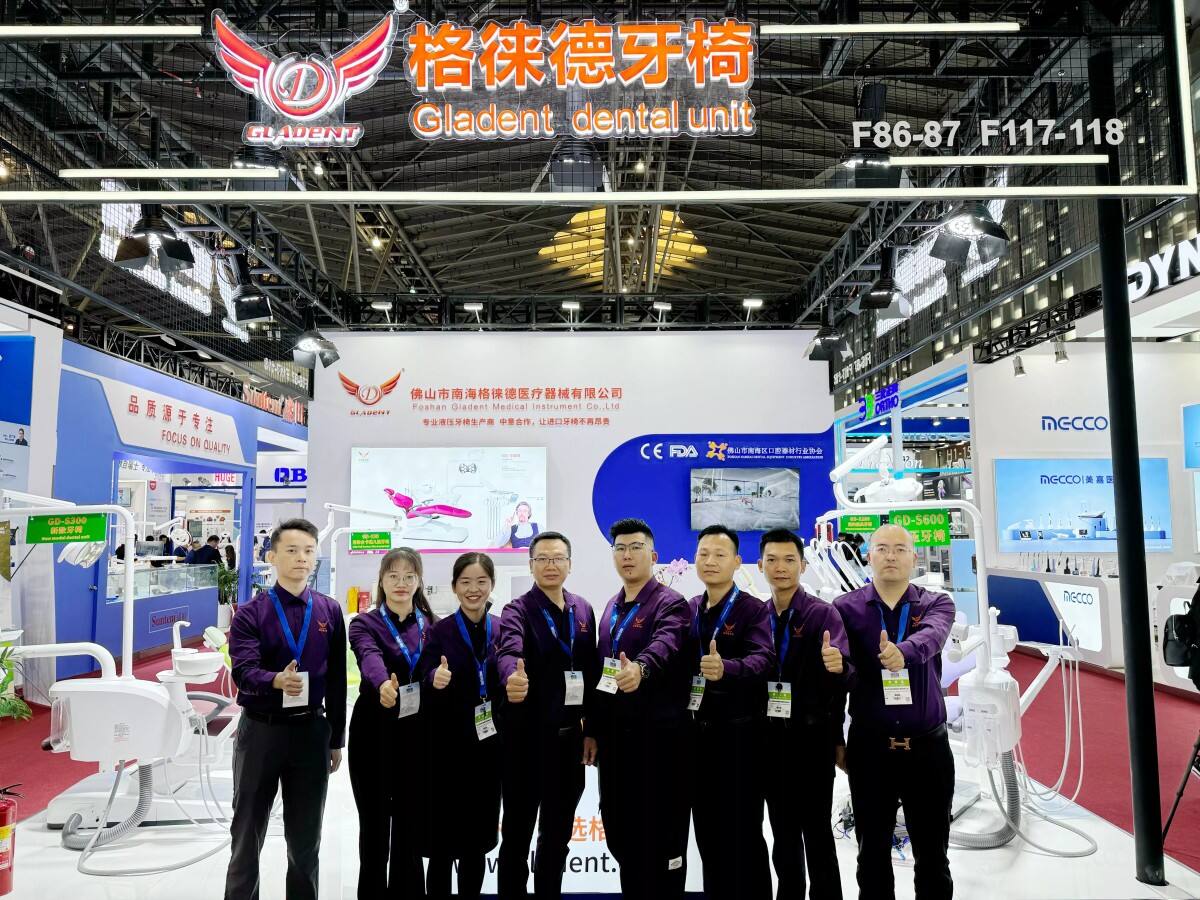
Gladent Medical in DenTech 2024 in Shanghai

27

Aug

Gladent Medical in DenTech 2024 in Shanghai

View More
Innovation Journey - GLADENT Dental Chairs: [The 30th South China International Dental Exhibition 2025 Concludes Successfully]

27

Aug

Innovation Journey - GLADENT Dental Chairs: [The 30th South China International Dental Exhibition 2025 Concludes Successfully]

View More
Distribute Women's Day gifts to female employees

28

Aug

Distribute Women's Day gifts to female employees

View More

Get a Free Quote

Our representative will contact you soon.
Email
Mobile
Name
Company Name
Message
0/1000

dental chair and unit

Precision Positioning Technology for Enhanced Clinical Access

Precision Positioning Technology for Enhanced Clinical Access

The advanced positioning technology integrated into modern dental chair and unit systems revolutionizes how practitioners approach patient treatment by offering unprecedented control over spatial orientation and ergonomic alignment. Unlike traditional manual adjustment mechanisms that require physical effort and interrupt clinical flow, contemporary electric and hydraulic systems respond instantly to simple touch controls or foot pedal commands, allowing seamless transitions between positions without breaking concentration or contact with the patient. These sophisticated systems typically offer programmable memory functions that store multiple preset positions tailored to specific procedures, enabling practitioners to recall ideal configurations for examinations, restorative work, surgical interventions, or pediatric treatments with a single button press. This automation ensures consistency across appointments and eliminates the trial-and-error adjustments that waste valuable chair time. The dental chair and unit positioning capabilities extend beyond simple recline angles to encompass synchronized movements that maintain optimal relationships between backrest, seat, and leg support as the chair transitions from upright to supine positions, preventing uncomfortable gaps or pressure points that cause patients to shift during treatment. Advanced systems provide rotation functions that swivel the entire chair base, facilitating entry and exit for patients with mobility limitations while allowing practitioners to optimize their working angle without requiring patients to reposition themselves. The precision of modern positioning controls operates on millimeter-level accuracy, critical for maintaining proper ergonomic alignment that reduces musculoskeletal strain on dental professionals who spend hours in concentrated postures. Weight capacity engineering in quality systems accommodates diverse patient populations including bariatric individuals, with reinforced frames and powerful motors that maintain smooth operation regardless of load. The silent operation of premium positioning systems creates a calmer treatment environment by eliminating the mechanical noise that heightens patient anxiety, while slow-start and soft-stop features prevent jarring movements that can startle nervous patients or disrupt delicate procedures. Floor-fixed and mobile base options provide flexibility in operatory design, with mobile units offering reconfiguration possibilities as practice needs evolve. The integration of zero-gravity positioning in select models distributes patient weight evenly to reduce pressure on the spine and promote relaxation during extended appointments, demonstrating how the dental chair and unit continues evolving to prioritize both clinical functionality and patient wellness through thoughtful engineering and design innovation.
Comprehensive Instrument Delivery Systems for Workflow Optimization

Comprehensive Instrument Delivery Systems for Workflow Optimization

The instrument delivery component of the dental chair and unit represents a critical factor in determining practice productivity and treatment quality, as the organization and accessibility of clinical tools directly influences procedural efficiency and operator comfort. Modern delivery systems integrate pneumatic and electric power sources to operate multiple handpieces simultaneously without performance degradation, ensuring consistent torque and speed regardless of how many instruments draw power at once. This reliability proves essential during complex procedures requiring frequent instrument changes or team coordination between dentist and assistant. Over-the-patient and side-delivery configurations accommodate different operatory layouts and practitioner preferences, with articulating arms that extend instruments precisely where needed and retract smoothly out of the way when not in use, maximizing the limited space within the treatment zone. The dental chair and unit delivery systems incorporate color-coded tubing and intuitive organization schemas that allow practitioners to identify and grasp the correct instrument by feel without diverting visual attention from the operative field, maintaining focus on the treatment area and reducing procedural errors. Autoclavable quick-disconnect fittings on handpiece couplings enable rapid instrument exchange between patients while supporting infection control protocols, as contaminated handpieces detach instantly for sterilization processing while clean instruments attach securely in seconds. Independent water and air controls for each instrument position allow precise adjustment of coolant flow and air pressure to match specific procedural requirements, from high-volume water delivery for crown preparations to dry air streams for bonding procedures. Advanced systems feature chip-blowing capabilities that combine precise air streams with illumination to clear debris from the operative field without requiring suction or manual wiping that interrupts the procedure flow. The integration of fiber-optic illumination within handpieces directs shadow-free light directly onto the working area, supplementing overhead operatory lighting and improving visibility in posterior regions where ambient light struggles to penetrate. Water bottle systems with independent pressure regulation maintain consistent spray patterns regardless of municipal water pressure fluctuations, while antimicrobial treatment options for supply lines reduce bacterial colonization that can compromise water quality. The dental chair and unit assistant instrumentation packages mirror primary delivery features on the opposite side of the patient, supporting efficient four-handed dentistry techniques where both practitioner and assistant access dedicated instruments without reaching across the patient or competing for tools. Touchscreen control interfaces consolidate command functions for chair positioning, instrument activation, operatory lighting, multimedia displays, and system diagnostics within a single intuitive panel, reducing the learning curve for new staff while minimizing the physical controls that require cleaning and maintenance in the clinical environment.
Ergonomic Design Features That Protect Long-Term Professional Health

Ergonomic Design Features That Protect Long-Term Professional Health

The ergonomic considerations embedded in premium dental chair and unit systems address one of the most pressing concerns in modern dentistry: the prevention of work-related musculoskeletal disorders that affect the majority of dental professionals during their careers. Repetitive strain injuries, chronic back pain, neck tension, and carpal tunnel syndrome represent occupational hazards that result from the prolonged static postures, repetitive fine motor movements, and awkward positioning required during clinical procedures. Quality equipment design mitigates these risks through thoughtful features that promote neutral body alignment and reduce physical stress throughout the workday. Thin, contoured backrest profiles on the patient chair minimize the distance between practitioner and patient, allowing operators to maintain upright posture with shoulders relaxed rather than hunching forward or hyperextending their reach to access the oral cavity. This proximity reduces the cumulative strain on spinal structures that occurs when practitioners repeatedly lean into treatments. Adjustable armrests and headrests on operator stools that accompany the dental chair and unit support proper limb positioning that prevents shoulder elevation and neck flexion, common contributors to upper body pain syndromes. The slow, controlled positioning movements of advanced chair systems allow practitioners to optimize patient height and angle relative to their seated position, bringing the treatment field into the ideal visual and instrumental access zone without requiring the operator to twist, bend, or assume asymmetric postures that load spinal structures unevenly. Foot control options for basic chair functions and instrument activation free the hands to maintain stable positions on handpieces and maintain proper grasp patterns that reduce finger and wrist strain compared to reaching for manual switches. Balanced instrument delivery arms require minimal force to reposition, utilizing counterbalance mechanisms and smooth-gliding articulation that eliminates the need for forceful pulling or pushing that fatigues shoulder muscles over repeated movements throughout the day. The strategic placement of suction controls, air-water syringe holders, and auxiliary instruments within the natural reach envelope minimizes extension movements that stress rotator cuff structures. Proper lighting integration in the dental chair and unit reduces the need for forward head positioning that practitioners adopt when struggling to see the operative field clearly, as insufficient illumination forces operators to move closer to the patient and assume neck flexion postures that compress cervical discs. Anti-fatigue properties in operator seating that coordinates with the chair unit support prolonged sitting comfort through dynamic cushioning that encourages micro-movements and pressure redistribution rather than static compression of soft tissues. The investment in ergonomically optimized equipment represents preventive healthcare for dental professionals themselves, potentially avoiding the career-ending injuries and chronic pain conditions that drive practitioners toward early retirement, while immediately improving daily comfort and reducing the physical exhaustion that accumulates across busy clinical schedules filled with back-to-back patient appointments.