Integrated Functionality That Streamlines Clinical Workflows
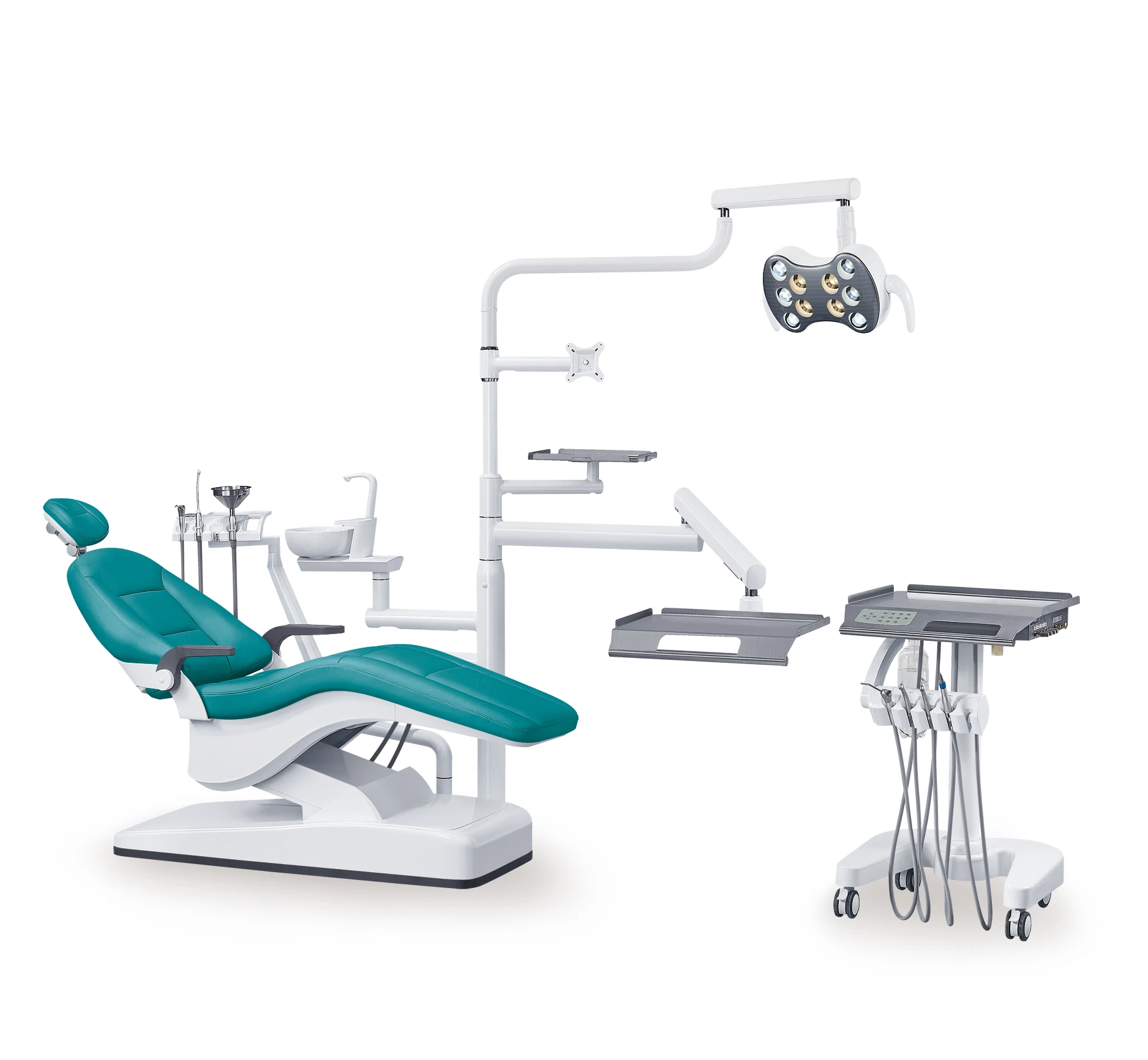
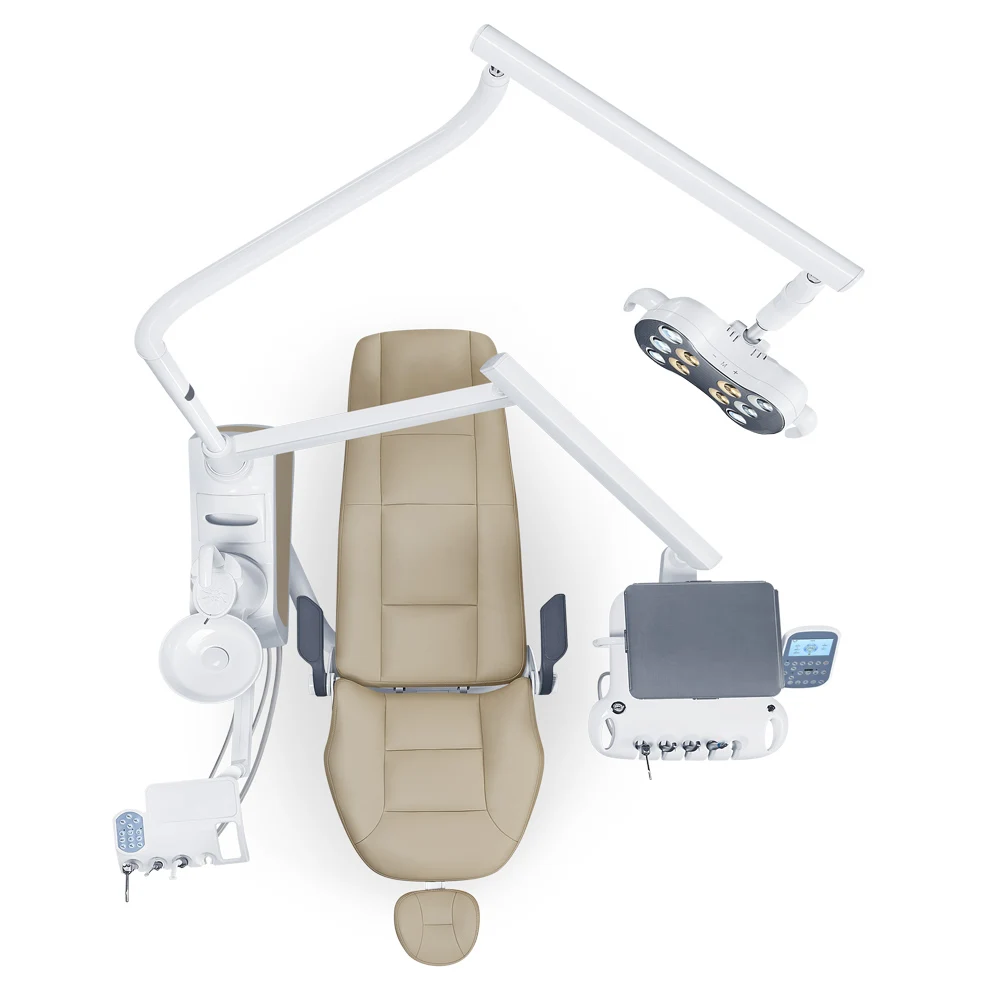
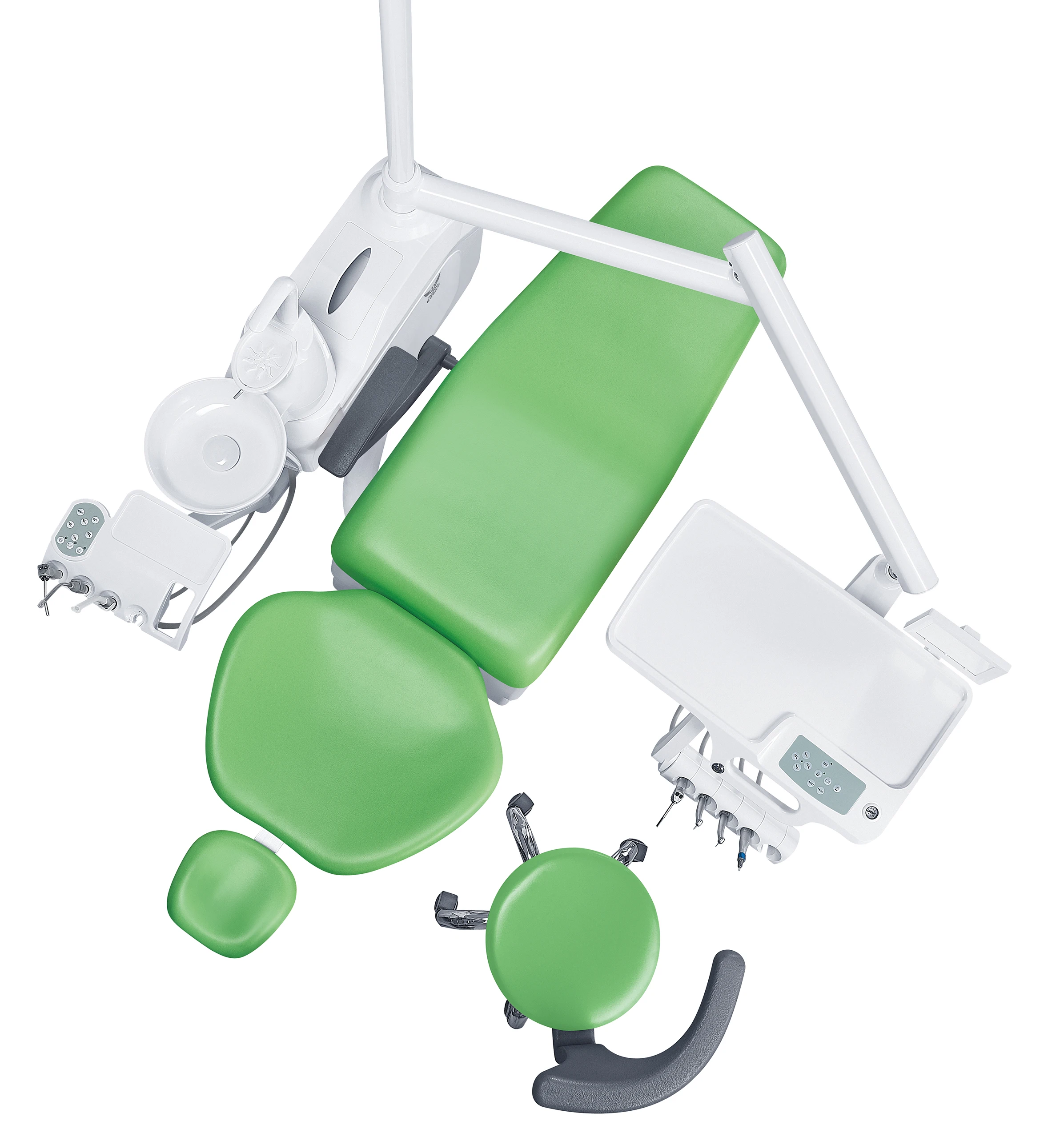
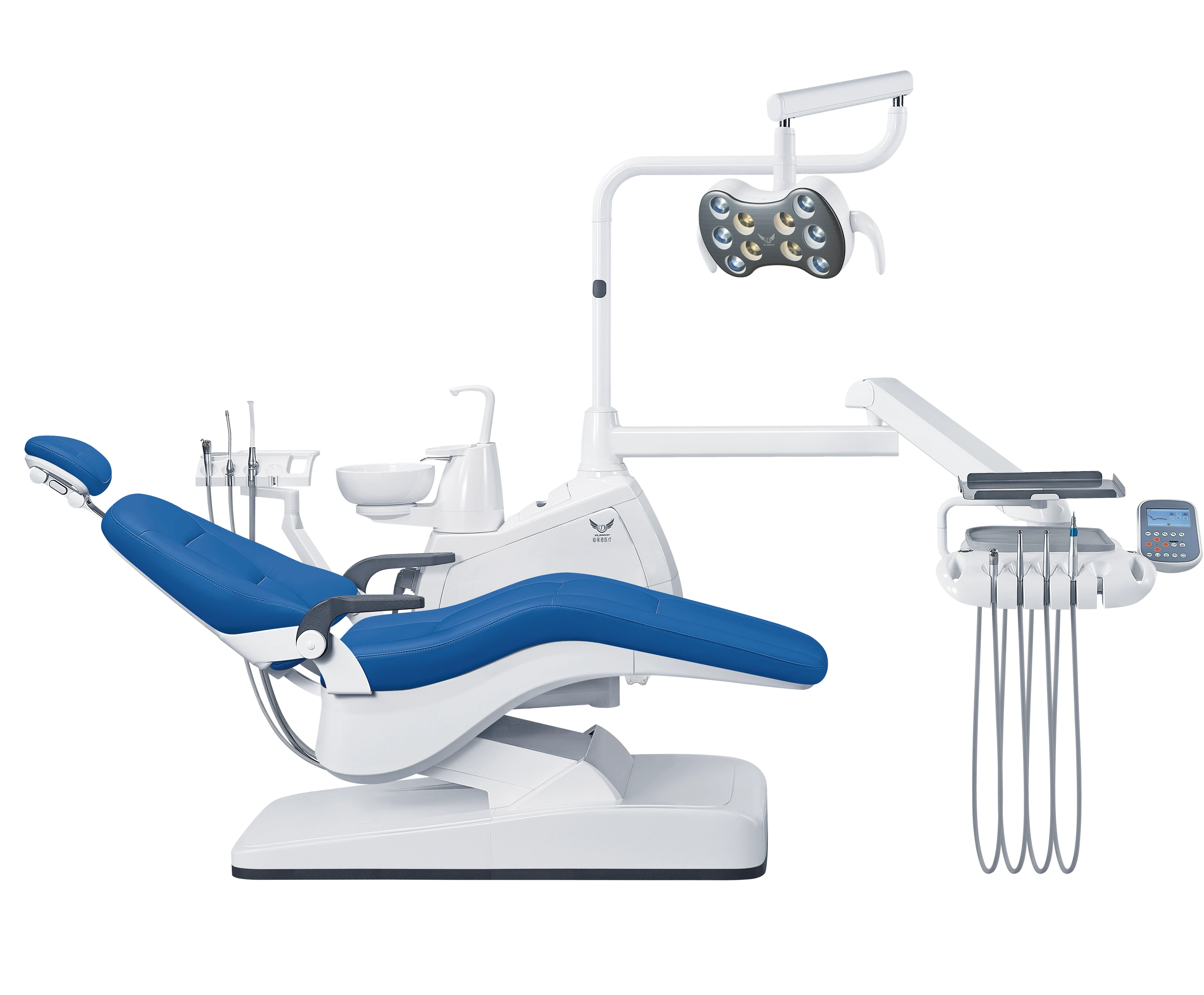
Modern cheap dental chair unit designs incorporate integrated delivery systems that consolidate the tools dentists need within easy reach, transforming treatment efficiency compared to older setups where equipment sat on separate carts or wall-mounted brackets. The delivery system typically includes holders for high-speed and low-speed handpieces, ultrasonic scalers, and curing lights, with quick-disconnect fittings that allow rapid instrument changes during procedures. This integration means dentists can switch between instruments without looking away from the treatment field or asking assistants to retrieve items, maintaining focus and reducing procedure times. The three-way syringe built into cheap dental chair unit systems provides instant access to air and water for rinsing, drying, and debris removal, with separate controls allowing precise delivery of each medium. High-volume evacuation systems integrated into the chair base generate powerful suction that keeps the oral cavity clear of saliva, blood, and irrigation fluids, improving visibility and patient comfort while reducing aerosol generation that poses infection risks. Some affordable units include separate saliva ejector connections for lighter suction during less invasive procedures, giving practices flexibility in their suction protocols. The positioning controls on a cheap dental chair unit allow dentists to adjust height, backrest angle, and leg support independently, creating optimal working positions for different procedures and patient anatomies. Programmable memory positions let practitioners save their preferred configurations for common procedures like examinations, restorations, or extractions, then recall these settings with a single button press. This automation eliminates time wasted on repetitive manual adjustments and ensures consistent positioning that supports proper ergonomics. Foot pedal controls available on many cheap dental chair unit models give dentists hands-free operation of chair movements and certain instruments, keeping their hands available for retraction, stabilization, or additional tools. The operatory light attached to many units swivels on articulating arms, allowing precise positioning of the beam while the handle design often incorporates intensity controls that dentists can adjust without contaminating the light housing with gloved hands. Cable management systems route electrical and pneumatic lines through the chair structure, preventing tangling and reducing the cleaning burden since fewer exposed surfaces collect dust and debris. The compact footprint of integrated cheap dental chair unit designs maximizes usable floor space in treatment rooms, leaving room for auxiliary equipment, storage, or simply providing staff with clear paths for movement during procedures.
 EN
EN


![Innovation Journey - GLADENT Dental Chairs: [The 30th South China International Dental Exhibition 2025 Concludes Successfully]](https://shopcdnpro.grainajz.com/category/19383/3803/616cc2b5bdfecec5e7c5b6aa95e40d84/%E5%BE%AE%E4%BF%A1%E5%9B%BE%E7%89%87_20250826164700.jpg)